Why Did My Microwave Stop Heating
If your microwave suddenly stops heating food, you might feel frustrated or confused. The microwave looks fine, the lights work, the plate turns—but your meal stays cold. This situation is common, and it can happen to both new and older microwaves.
Understanding why your microwave stopped heating is important before you decide to repair, replace, or call a technician. This article will explain the main reasons behind this problem, how to identify the cause, and what steps you can take to fix it.
You’ll also learn practical tips, common mistakes, and how to avoid wasting money on unnecessary repairs.
How Microwaves Heat Food
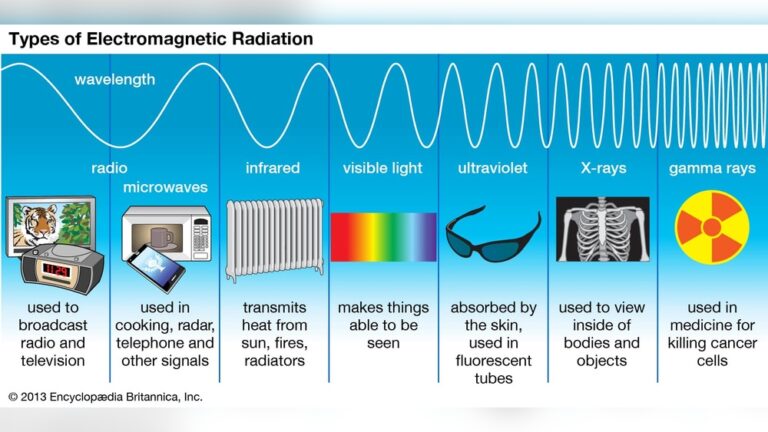
To find out why your microwave stopped heating, it helps to understand how microwaves work. A microwave oven uses microwaves—a type of electromagnetic wave—to make water molecules in your food move faster. This movement creates heat, and your food cooks from the inside out. The main part responsible for producing these microwaves is called the magnetron.
If any part of this process fails, your microwave may turn on and look normal, but food won’t get hot. Let’s look at the most common causes.
Most Common Reasons Your Microwave Stops Heating
1. Magnetron Failure
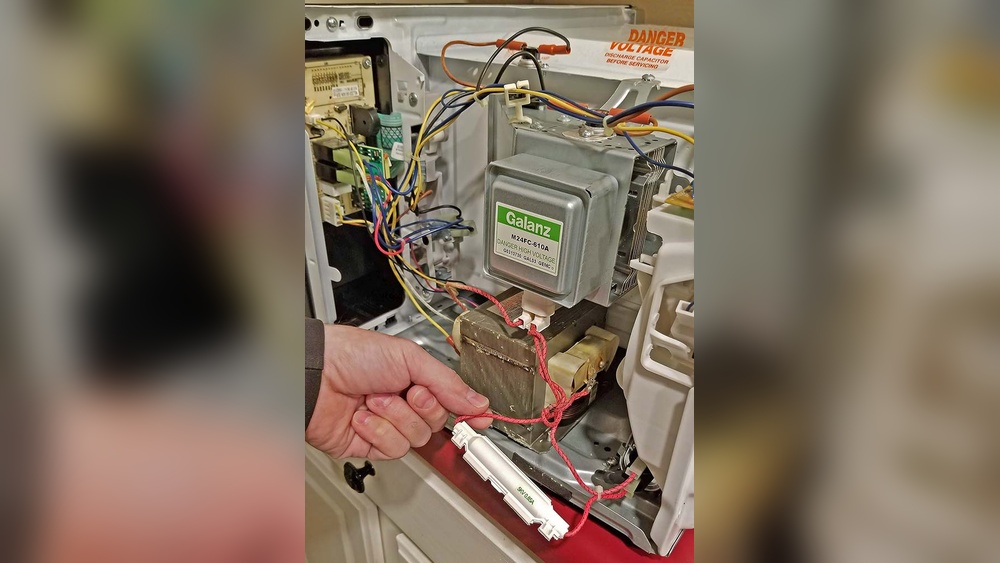
The magnetron is the heart of the microwave. It generates the microwaves that heat your food. When the magnetron breaks, your microwave stops producing heat, even though other parts may work.
Signs of magnetron failure:
- Microwave runs, but food stays cold
- No unusual sounds or smells
- Sometimes, a burning smell if the magnetron overheated
Replacing a magnetron is expensive. For older or low-cost microwaves, repair often costs more than buying a new one.
2. Diode Burnout
The high-voltage diode helps change electricity so the magnetron can use it. If the diode burns out, the magnetron won’t get the right power, so no heat is produced.
Symptoms:
- Microwave runs, but food stays cold
- Sometimes, a loud humming noise
Diode replacement is cheaper than magnetron repair, but you need some electrical knowledge to do it safely.
3. Capacitor Failure
The capacitor stores energy and releases it to help power the magnetron. If it fails, the whole high-voltage system stops working.
What you may notice:
- Microwave doesn’t heat
- Sometimes, a clicking or buzzing sound
Capacitors can be dangerous because they store high voltage even after unplugging the microwave. Only professionals should replace them.
4. Door Switch Problems
Microwaves have several door switches for safety. If the door isn’t closed properly, or if a switch fails, the microwave won’t heat. Sometimes, the microwave turns on but doesn’t heat if the switch is only partially broken.
Common signs:
- Microwave starts but doesn’t heat
- Light and turntable work, but nothing happens to food
Door switches are inexpensive and easy to replace, but you must check all switches to find the faulty one.
5. Control Board Failure
The control board is like the brain of the microwave. If it fails, the microwave might run but not heat, or it may not run at all.
Symptoms:
- Microwave acts strangely (runs but doesn’t heat, doesn’t respond to buttons)
- Random error codes
Control boards are costly and complex to fix. Unless your microwave is very new or expensive, replacement isn’t usually worth it.
6. Power Supply Issues
A microwave needs proper power. If the power supply is weak or unstable, the magnetron may not get enough energy to heat food.
What to check:
- Outlet voltage (should be stable, usually 120V in most homes)
- Extension cords (avoid using them for microwaves)
If power supply is the problem, fixing the outlet or wiring is needed, not the microwave itself.
7. Faulty Transformer
The high-voltage transformer boosts electricity for the magnetron. If it fails, the microwave won’t heat.
Signs:
- Microwave runs, but no heat
- Sometimes, humming or buzzing sound
Transformer repairs are dangerous and expensive; not recommended for home repair.
8. Blown Fuse
Microwaves have several fuses for protection. If a fuse blows, the microwave may stop heating, but sometimes other functions still work.
Symptoms:
- Microwave turns on, but doesn’t heat
- Some features work, some don’t
Fuses are cheap and easy to replace. Always use the correct type.
9. Faulty Timer Or Settings
Sometimes, the problem is simple: the timer or settings are incorrect. If you set the microwave to zero power or a low level, it won’t heat.
Double-check:
- Power level setting (should be “High” for most foods)
- Timer (make sure it’s set to cook, not just to run the fan or light)
This is a common mistake, especially with unfamiliar microwaves.
10. Waveguide Cover Damage
The waveguide cover directs microwaves into the cooking area. If it’s dirty, damaged, or burned, microwaves may not reach your food.
Check for:
- Burn marks or melted spots
- Food splatters sticking to the cover
Cleaning or replacing the cover often restores heating.
Comparing Common Microwave Problems
To help you understand the differences, here’s a table comparing key symptoms and costs:
| Problem | Symptom | Repair Cost | DIY Difficulty |
|---|---|---|---|
| Magnetron Failure | No heat, runs normally | $100–$200 | Hard |
| Diode Burnout | No heat, humming sound | $10–$25 | Medium |
| Capacitor Failure | No heat, buzzing sound | $30–$60 | Hard |
| Door Switch | No heat, light works | $5–$15 | Easy |
| Control Board | Strange behavior | $80–$150 | Hard |
How To Troubleshoot A Microwave That Won’t Heat
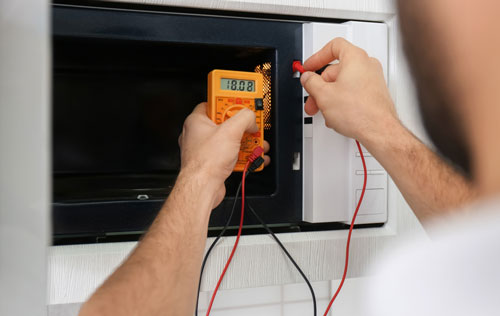
If your microwave stops heating, you can follow these steps to find the problem. Always unplug the microwave before checking inside.
- Check Power Level and Timer
- Make sure the settings are correct.
- Test with a cup of water; if nothing happens, move to step 2.
- Inspect Door Switches
- Open and close the door several times.
- Listen for “clicks”; if you don’t hear them, a switch may be faulty.
- Look for Obvious Damage
- Check the waveguide cover for burns or dirt.
- Clean or replace if needed.
- Test Different Outlets
- Plug your microwave into another outlet.
- If it works, the problem was the power supply.
- Check for Fuses
- Some microwaves have easy-access fuses.
- Replace only with the same type.
- Listen for Strange Noises
- Humming or buzzing can mean a diode or capacitor problem.
- Call a Professional
- If you suspect magnetron, transformer, or control board issues, don’t try to fix them yourself.
- These parts hold high voltage and can be dangerous.

Credit: www.youtube.com
When To Repair Or Replace Your Microwave
Microwave repair costs can be high, especially for magnetrons or control boards. Here’s a comparison table to help you decide:
| Microwave Age | Repair Cost | Replacement Cost | Recommended Action |
|---|---|---|---|
| Under 2 Years | $50–$150 | $80–$250 | Repair if warranty applies |
| 2–5 Years | $70–$180 | $90–$300 | Repair if repair is less than half the price of new |
| Over 5 Years | $100–$200 | $100–$350 | Replace |
Most microwaves last about 7–10 years. If yours is older or repair costs are high, it’s usually smarter to buy a new one.
Common Mistakes When Diagnosing Microwave Problems
Many beginners miss these points:
- Ignoring the waveguide cover: Dirty or burned covers block microwaves. Cleaning can fix the problem without any repair.
- Not checking the power supply: Microwaves need full power. A weak outlet or extension cord can cause heating failure.
These are simple but often overlooked steps. Always check them before calling for expensive repairs.
Credit: www.sickappliances.com
Practical Tips To Avoid Heating Problems
- Keep the microwave clean: Food splatters can damage the waveguide cover.
- Don’t slam the door: This breaks door switches.
- Don’t overload: Large or dense foods may not heat well.
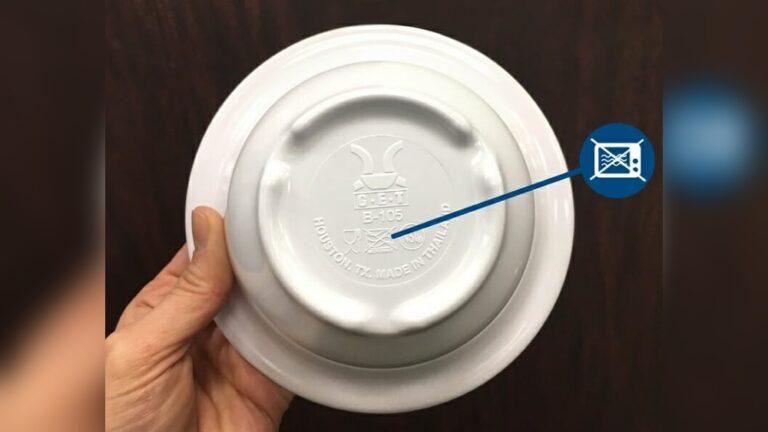
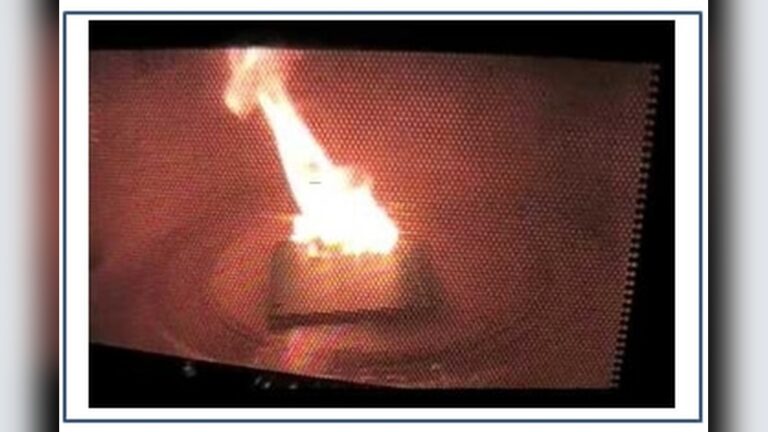
- Use the right container: Metal blocks microwaves, so always use microwave-safe dishes.
- Test with water: If unsure, heat a cup of water. If it stays cold, your microwave isn’t working.
Real-world Example: Fixing A Microwave That Won’t Heat
Maria’s microwave was running, but her food stayed cold. She checked the settings and power outlet—both were fine. Next, she opened the door and noticed the waveguide cover was dirty and burned. After cleaning and replacing the cover, her microwave worked again.
Maria avoided spending $150 on repairs with a simple fix. Many people overlook this step.
Industry Statistics
According to the Consumer Product Safety Commission, microwaves are one of the most commonly repaired kitchen appliances. About 30% of microwave failures are due to magnetron issues, 25% to door switch problems, and 15% to electrical issues. Most repairs are not cost-effective for older models. The average lifespan of a microwave is 8 years.
When To Call A Professional
If you suspect a problem with the magnetron, capacitor, transformer, or control board, don’t try to fix it yourself. These parts hold high voltage and can cause serious injury. Professional repair is needed. If your microwave is under warranty, contact the manufacturer.
For more technical details on microwave components, visit Wikipedia.
Credit: www.whirlpool.com
Frequently Asked Questions
Why Does My Microwave Turn On But Not Heat Food?
This usually means the magnetron, diode, or capacitor is faulty. Sometimes, it’s a door switch or power supply issue. Check simple fixes like settings and power outlets before calling for repair.
Is It Safe To Repair A Microwave Myself?
It’s safe to replace parts like door switches or fuses, but not the magnetron, capacitor, or transformer. These hold dangerous voltage even after unplugging. When in doubt, call a professional.
How Can I Test If My Microwave Heats?
Put a cup of water inside and run the microwave for one minute. If the water stays cold, your microwave is not heating. This simple test works for all models.
Can A Dirty Waveguide Cover Cause Heating Problems?
Yes. A dirty or burned waveguide cover blocks microwaves from reaching your food. Clean or replace the cover to restore proper heating.
Should I Repair Or Replace My Microwave?
If your microwave is older than 5 years or repair costs more than half the price of a new one, it’s better to replace it. For newer models or simple fixes, repair may be worth it.
A microwave that stops heating doesn’t always mean you need a new appliance. With careful checks and basic knowledge, you can often find the cause and solve it. Remember to stay safe, avoid risky repairs, and check the simple things first.
Most problems have clear solutions, and with the right approach, you’ll have your microwave heating again soon.