Why Isn’t My Microwave Heating: Top Causes and Quick Fixes
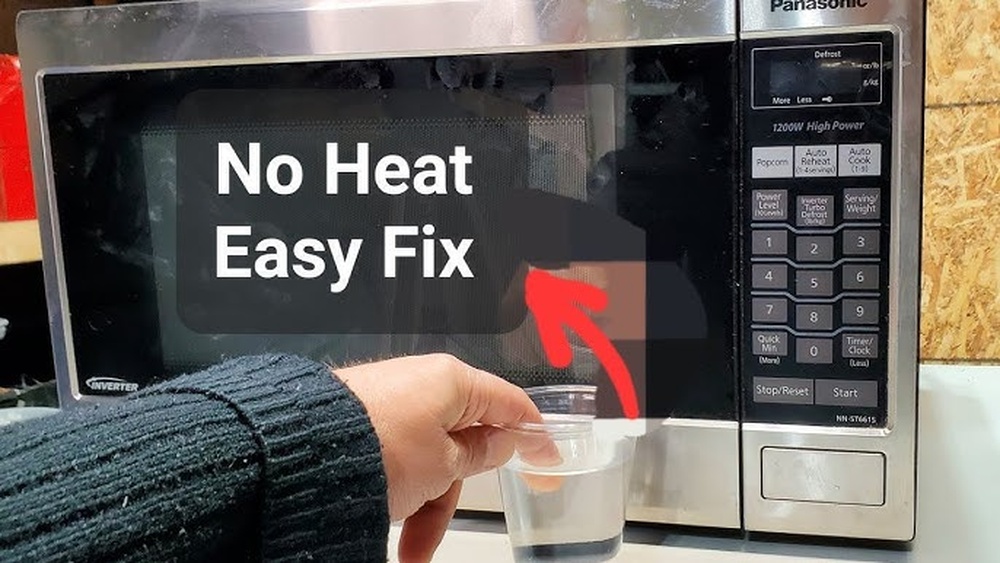
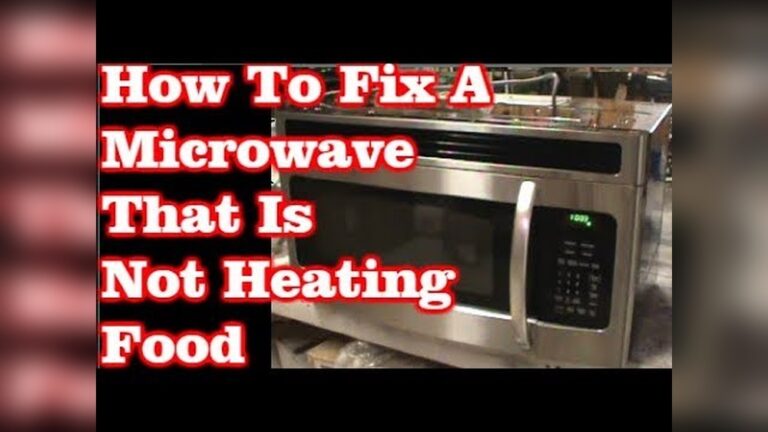
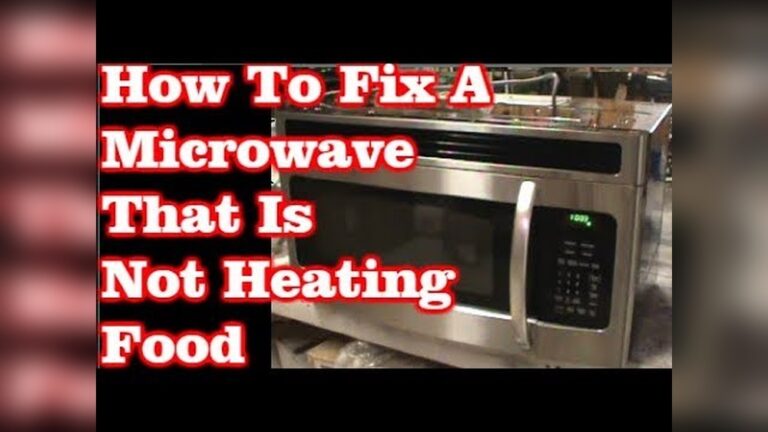
Microwaves are essential in many kitchens. They save time, reheat leftovers, and make meal prep easier. But when you press “start” and your food stays cold, frustration sets in. If you’re asking, “Why isn’t my microwave heating? ” you’re not alone.
This problem is common, but the reasons are not always obvious. Some issues are simple, while others might need a technician. Let’s explore all the possible causes, signs, and solutions so you can get your microwave working again.
How A Microwave Heats Food
Understanding how a microwave works helps you find out why it’s not heating. Inside, a part called the magnetron creates microwaves. These microwaves move around and make water molecules in your food vibrate. This vibration creates heat, warming up your meal. If any part of this process fails, your microwave may run but won’t heat.
Common Reasons Your Microwave Isn’t Heating
Many things can cause your microwave to stop heating. Here’s a look at the most frequent problems, what they mean, and what you can do.
1. Magnetron Failure
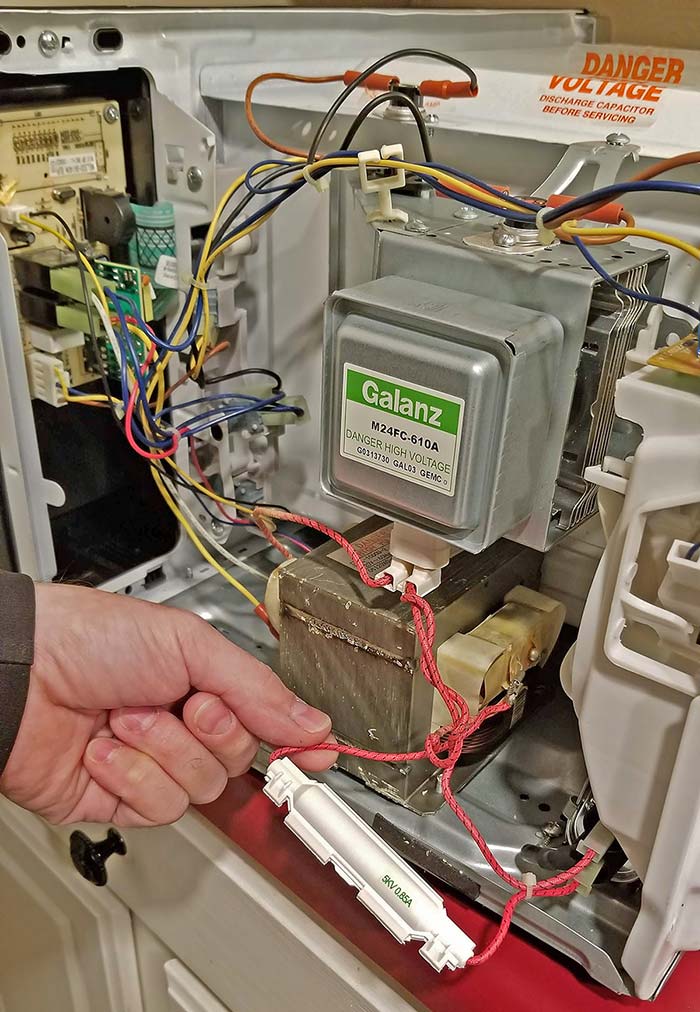
The magnetron is like the engine of your microwave. If it fails, your microwave can still turn on, but it won’t heat food.
- Signs: No heat, buzzing sound, or burning smell.
- Why it fails: Age, power surges, or running with nothing inside.
- Fix: Replacing a magnetron is not a DIY task. It can hold dangerous high voltage. Contact a qualified technician.
2. Door Switch Problems
Every microwave has door switches. These are small parts that tell the machine the door is closed. If even one switch fails, the microwave won’t heat.
- Signs: Light, turntable, or timer works, but no heat.
- Common mistake: Slamming the door, which can break the switch.
- Fix: You can test and replace switches if you’re comfortable with electronics. Otherwise, get help from a pro.
3. Blown High-voltage Diode
The high-voltage diode lets electricity flow only one way to the magnetron. If it’s blown, the magnetron won’t get enough power.
- Signs: No heating, buzzing sound.
- Fix: Replacing the diode is possible for someone with electrical knowledge, but not for beginners.
4. Faulty Capacitor
The capacitor stores and releases energy for the magnetron. If it fails, the whole heating system is affected.
- Signs: Loud humming, burning smell, or microwave trips the breaker.
- Fix: This part holds a dangerous charge even after unplugging. Never try to fix it yourself.
5. Burned-out Thermal Fuse Or Thermoprotector
These safety parts shut off the microwave if it overheats. Once blown, they must be replaced.
- Signs: No heat, sometimes no power at all.
- Fix: These are replaceable, but you must open the microwave. Not for total beginners.
6. Control Board Issues
The control board is the brain of your microwave. If it’s damaged, it might not send the “heat” signal to the magnetron.
- Signs: Buttons respond, but no heat; strange error messages.
- Fix: Control boards are expensive and hard to test without experience.
7. Power Supply Problems
Sometimes, the problem is as simple as insufficient power.
- Signs: Microwave works in one outlet but not another.
- Fix: Test another outlet or reset your circuit breaker. Avoid using extension cords.
8. Faulty Door Latch
If the door doesn’t latch properly, the switches won’t activate.
- Signs: Door feels loose or won’t stay closed.
- Fix: Inspect and adjust or replace the latch.
9. User Error
It sounds simple, but sometimes settings are wrong.
- Signs: Using “defrost” or “timer” instead of “cook.”
- Fix: Double-check the settings and try again.
Signs Your Microwave Needs Repair
You may notice other symptoms besides no heat. Here’s how to spot them:
- Strange noises: Buzzing, humming, or clicking.
- Smells: Burning odor or melted plastic smell.
- Sparks or smoke: Turn off and unplug immediately.
- Unusual lights: Flickering or dim interior light.
If you see any of these, stop using the microwave. Continuing could be dangerous.
When To Repair And When To Replace
Should you fix the microwave or get a new one? Here’s a quick comparison:
| Situation | Repair | Replace |
|---|---|---|
| Microwave less than 3 years old | ✔️ | |
| Repair cost less than half of new microwave | ✔️ | |
| Magnetron failure on an old microwave | ✔️ | |
| Microwave over 7 years old | ✔️ | |
| Physical damage or repeated failures | ✔️ |
Non-obvious insight: Sometimes, fixing an old microwave can cost more than buying a new, more efficient model. Newer models also use less energy and have better safety features.
Credit: thecuriousstones.com
How To Troubleshoot Microwave Heating Problems
If your microwave isn’t heating, follow these steps before calling for service.
Step 1: Check The Basics
- Is the microwave plugged in?
- Is the door closed securely?
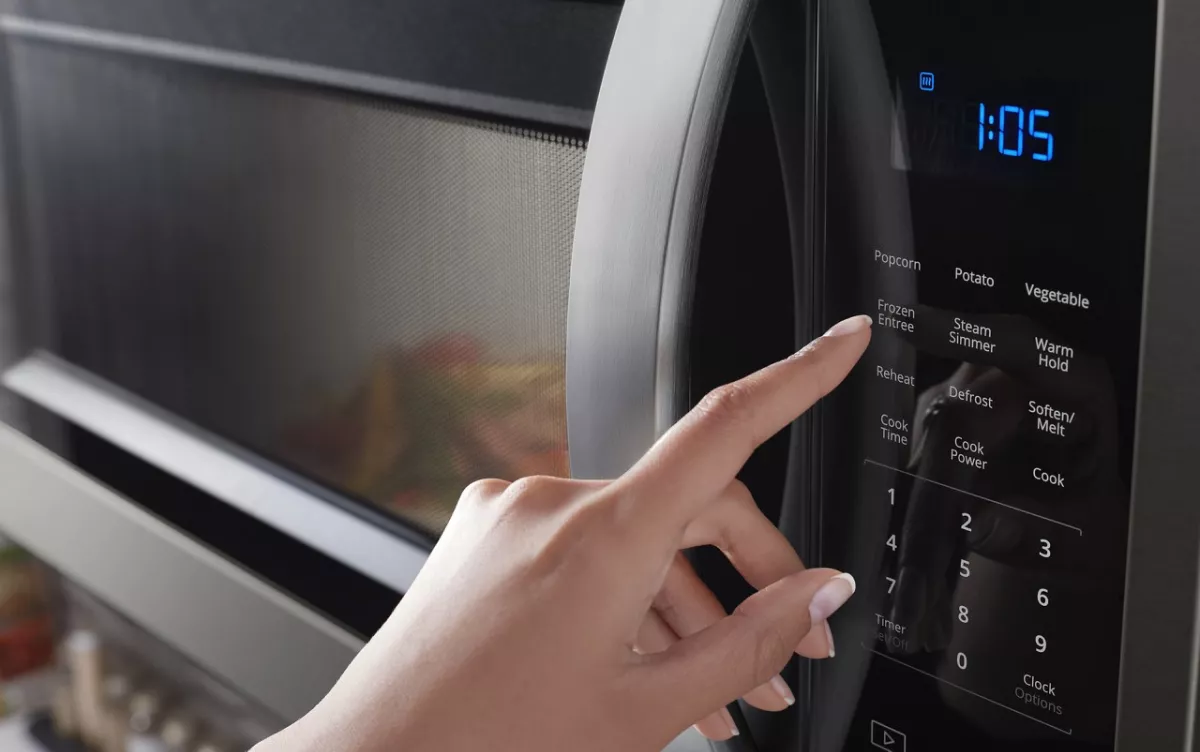
- Are you using the right power level or setting?
- Try a different outlet.
Step 2: Test With A Simple Food Item
Place a cup of water inside. Heat for one minute. If the water is still cold, the microwave isn’t heating.
Step 3: Listen And Watch
Pay attention to sounds and lights. Is the turntable spinning? Is the interior light working? Are there any unusual noises?
Step 4: Smell For Trouble
If you notice a burning smell, unplug the microwave immediately. This often points to a serious internal failure.
Step 5: Reset The Microwave
Unplug for a minute and plug back in. This can fix some control board glitches.
Step 6: Check The Door
Gently open and close the door. Does it feel right? If not, the latch or switches could be the problem.
Non-obvious insight: Many microwaves have more than one door switch. Even if the light turns on, another switch may have failed.
The Role Of Professional Repair
Microwaves contain high-voltage parts that can be dangerous, even when unplugged. If you suspect a problem with the magnetron, capacitor, diode, or wiring, do not open the microwave yourself. Only a professional should handle these repairs.
Safety tip: Some repairs, like changing a blown fuse, seem simple but can be risky. Microwaves can hold a charge in the capacitor that may cause serious injury.
Credit: www.whirlpool.com
Average Repair Costs
Let’s see how much common repairs might cost:
| Problem | Average Cost (USD) |
|---|---|
| Door switch replacement | $50 – $100 |
| High-voltage diode | $60 – $120 |
| Magnetron replacement | $100 – $250 |
| Control board repair | $120 – $300 |
| New microwave | $80 – $300+ |
Tip: If repair costs are close to the price of a new microwave, replacement usually makes more sense.
Preventing Future Heating Problems
A few good habits can help your microwave last longer:
- Never run empty. This can damage the magnetron.
- Don’t slam the door. Gentle closing protects door switches and latches.
- Use microwave-safe containers. Metal or foil can cause sparks and damage.
- Clean regularly. Food splatters can block sensors and vents.
- Avoid overloading. Too much food can stress the microwave and reduce heating performance.
What Most People Miss About Microwave Heating Issues
Many users overlook the importance of the door mechanism. Most heating problems start with the door switches, not the magnetron. Also, minor power fluctuations in your home can damage sensitive parts over time. Using a surge protector can extend your microwave’s life.
Another common mistake: ignoring small signs like occasional buzzing or the turntable not spinning. These hints can warn you before a total failure.
Is It Worth Fixing An Old Microwave?
This is a frequent question, and the answer depends on the age, brand, and cost of repair. In general, if your microwave is over seven years old, replacement is best unless it’s a high-end built-in model. Newer microwaves are more energy-efficient and safer.

Credit: www.youtube.com
Safe Disposal Of Broken Microwaves
Microwaves contain electronic parts and may have hazardous materials. Don’t put them in the regular trash. Check with your local recycling center or electronics store for proper disposal options.
For more about microwave technology and safety, see the Wikipedia entry on microwave ovens.
Frequently Asked Questions
Why Does My Microwave Run But Not Heat?
This usually means a problem with the magnetron, diode, or door switches. The light and turntable can work even if the heating system fails.
Can I Fix My Microwave If It’s Not Heating?
You can check for simple issues, like the power outlet or door latch. But most internal repairs need a professional, due to high-voltage risks.
Is It Dangerous To Try To Repair A Microwave Myself?
Yes. Even when unplugged, parts inside can store electricity. Only attempt simple checks; leave internal repairs to experts.
How Long Should A Microwave Last?
Most microwaves last 7 to 10 years with regular use and good care. Frequent failures or slow heating are signs it’s time for a new one.
Does Using Metal In The Microwave Cause Heating Problems?
Yes, metal can cause sparks that damage internal parts. Only use containers labeled “microwave-safe. ”
Microwaves are simple on the surface but complex inside. If yours stops heating, check the basics and look for clues. But for anything beyond a simple fix, call a professional. Staying safe is always more important than saving a few dollars or minutes.
With the right care, your next microwave will serve you well for years to come.