Why Won’t My Microwave Heat: Top Causes and Easy Fixes
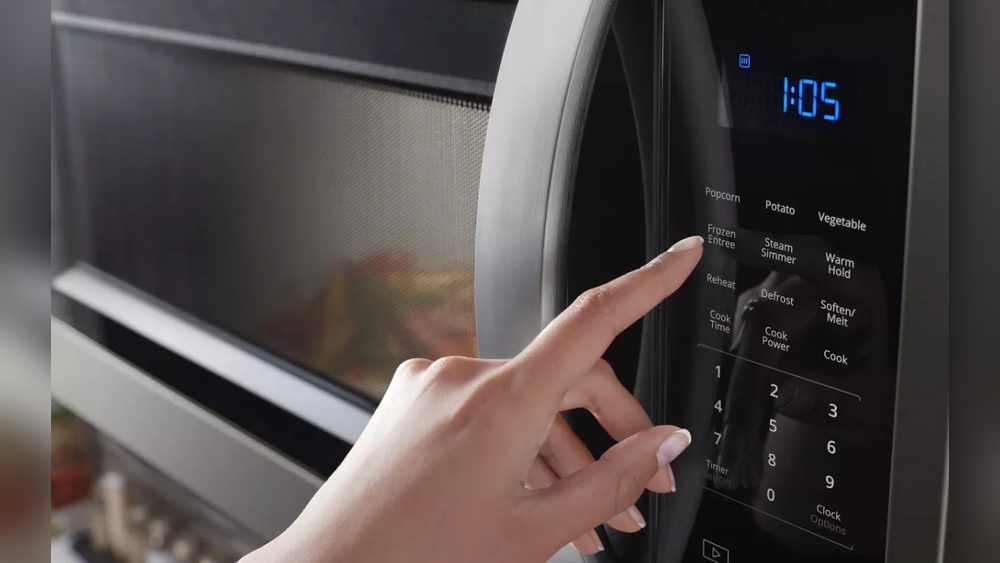
Microwaves are a common part of modern kitchens. They make cooking and reheating food fast and easy. But sometimes, you press the start button, and your meal stays cold. When your microwave won’t heat, it can be confusing and annoying.
You may wonder if it’s broken for good, or if there’s a simple fix. Understanding why this happens can save you time, money, and stress.
Microwaves use a mix of simple and advanced technology. While some problems need a technician, many issues are easy to check at home. Let’s explore the main reasons your microwave won’t heat, how to spot the problem, and what you can do about it.
This article will help you get your microwave working again or decide if it’s time for a new one.
How Microwaves Heat Food
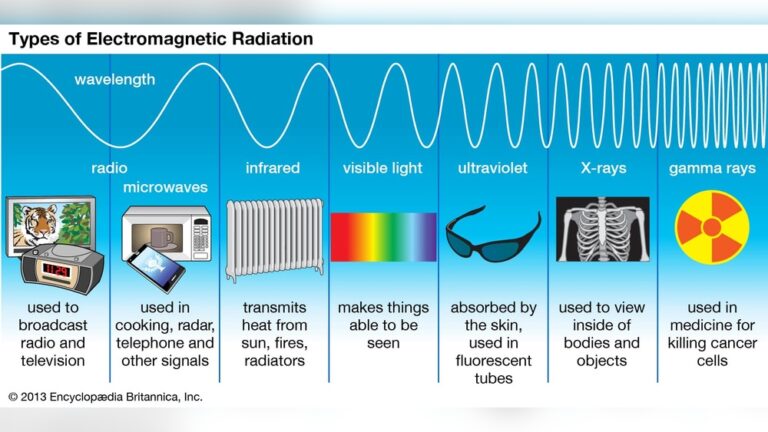
Before searching for the problem, it helps to know how a microwave works. When you push start, electricity powers a magnetron. This device makes microwaves (a type of electromagnetic wave). These waves bounce around inside the oven and make water molecules in your food move fast. This movement creates heat, warming up your meal.
If any part of this process breaks, your microwave may run, but the food stays cold. Common signs are the turntable spinning, light turning on, and timer counting down — but no heat is produced.
Most Common Causes Your Microwave Won’t Heat
Many different things can stop a microwave from heating. Some are simple to fix, while others need expert help. Here are the main causes:
1. Faulty Door Switch
Microwaves have safety switches on the door. If the door isn’t closed tightly, the microwave won’t run. Even if it looks closed, a broken door switch can stop the magnetron from turning on.
How to check:
- Open and close the door. Listen for a clicking sound.
- If the light stays on with the door closed, the switch might be bad.
- Try pressing the door gently while starting the microwave.
Tip: If you need to slam the door to get it to work, the switch is probably wearing out.
2. Magnetron Failure
The magnetron is the heart of the microwave. If it fails, the microwave can’t make heat. Magnetrons can burn out after years of use or from running the microwave empty.
Warning: Testing or changing a magnetron is dangerous. High voltage stays inside the microwave even when unplugged. Leave this job to a trained technician.
Signs:
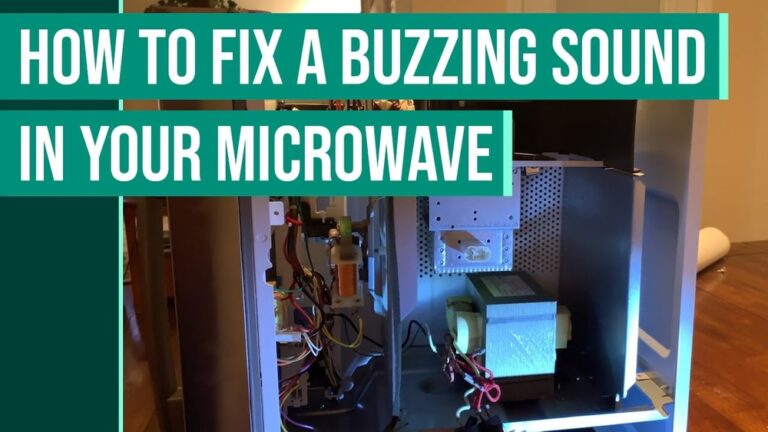
- The microwave makes a loud humming or buzzing noise.
- There is a burning smell.
- The microwave turns on, but food is always cold.
3. Blown High Voltage Diode
The high voltage diode helps power the magnetron. If it burns out, the microwave won’t heat.
Clues:
- The microwave runs, but there is no heat.
- You may hear a humming noise.
- The light and turntable work fine.
A technician can test and replace this part safely.
4. Defective Capacitor
A high voltage capacitor stores energy for the magnetron. If it fails, the magnetron can’t get enough power.
What you might notice:
- The microwave sounds different, sometimes louder.
- There may be a smell of burning plastic.
- The microwave works, but food does not get hot.
This is a less common problem, but it happens in older microwaves.
5. Blown Fuse Or Thermal Protector
Microwaves have internal fuses to protect from overheating or power surges. If a fuse blows, the whole microwave may stop working, or sometimes it will run but not heat.
Simple check:
- If the microwave has no power at all, a main fuse may have blown.
- If only the heating is gone, a thermal fuse or protector for the magnetron may have failed.
Fuses blow for a reason — if you replace one and it blows again, call a professional.
6. Control Board Problems
Modern microwaves use electronic control boards. If a relay or circuit fails, the microwave may not send power to the magnetron.
Indications:
- Some buttons don’t work.
- The display shows errors or flashes.
- The microwave works for some functions (like the clock or fan) but not for heating.
Board repairs are complex and often not worth the cost unless the microwave is expensive.
7. Faulty Power Supply
If your microwave is plugged into a weak or broken outlet, it may not get enough power to heat food.
How to check:
- Plug another appliance into the same outlet. Does it work?
- Try plugging the microwave into a different outlet.
Old extension cords can also cause low voltage, affecting microwave heating.

Credit: www.youtube.com
Uncommon But Possible Reasons
Most heating problems are caused by the issues above. Still, some less common causes include:
- Damaged waveguide: The part that directs microwaves inside the oven can get dirty or broken.
- Failed transformer: Supplies high voltage to the magnetron. Failure is rare but possible.
- Burnt wiring or connectors: Heavy use or old age can melt wires inside.
These are hard to diagnose without opening the microwave.
How To Troubleshoot A Microwave That Won’t Heat
You don’t need to be an expert to check basic things. Here’s a safe way to find the problem:
- Unplug the microwave. Safety first.
- Check the outlet. Plug in a lamp or phone charger to see if there’s power.
- Examine the door. Close it firmly. Does the microwave start?
- Try different settings. Use “Popcorn” or “Defrost.” Sometimes, only one setting is broken.
- Listen and look. Is there light, fan, and turntable movement?
- Smell for burning. If you smell burning, unplug the microwave right away.
- Test with water. Place a cup of water in the center. Heat for 1 minute. Is it warm?
If the microwave runs but the water is cold, the problem is deeper. At this point, it’s time to decide: repair or replace?
Repair Or Replace: What Makes Sense?
Not every microwave is worth fixing. Consider these points:
Age Of The Microwave
Most home microwaves last 7-10 years. If yours is older, parts may be hard to find, and repair may cost more than buying new.
Cost Of Repair Vs. New Microwave
Here’s a comparison of common repair costs and typical prices for new microwaves:
| Problem | Repair Cost (USD) | New Microwave (USD) |
|---|---|---|
| Door Switch | $50–$100 | $80–$150 |
| Magnetron | $100–$200 | $80–$200 |
| Control Board | $100–$250 | $80–$200 |
For basic models, buying new is often the better choice if the repair cost is over half the price of a new unit.
Brand And Warranty
Some microwaves have longer warranties on parts like the magnetron. Check your warranty before paying for repairs.
Built-in Vs. Countertop
Built-in or over-the-range microwaves are more expensive to replace. Repair might be worth it for these models.
Environmental Impact
Fixing a microwave means less electronic waste. If you can repair at a fair price, it’s better for the planet.
Preventing Future Heating Problems
Many microwave failures are preventable with simple habits:
- Never run empty. This can destroy the magnetron.
- Don’t slam the door. It wears out switches.
- Keep it clean. Food splatters can damage parts and block the waveguide.
- Use microwave-safe containers. Metal can cause sparks and damage.
- Don’t overload. Too much food blocks heat and stresses the magnetron.
Microwaves are built for light, regular use. Treating yours gently can add years to its life.

Credit: www.partselect.com
Microwaves Vs Other Heating Appliances
If your microwave breaks often, you might compare it to other kitchen tools. Here’s how microwaves stack up against toaster ovens and traditional ovens for basic heating:
| Appliance | Heating Speed | Energy Use | Best For |
|---|---|---|---|
| Microwave | Very fast (1-3 min) | Low | Reheating, quick meals |
| Toaster Oven | Medium (5-15 min) | Medium | Small bakes, crispy food |
| Oven | Slow (10-30 min) | High | Baking, large meals |
Microwaves are best for speed and energy saving. Ovens and toaster ovens are better for texture and browning.
Two Non-obvious Insights
- Repeated short cycles wear out parts faster: Many people run the microwave for a few seconds at a time, often opening the door before the timer finishes. This stresses the door switch and control board more than running full cycles.
- Internal fuses can trip from nearby lightning or power surges: Even if your house didn’t lose power, a close lightning strike can blow a fuse inside the microwave. If your area has lots of storms, consider a surge protector.

Credit: www.youtube.com
When To Call A Professional
Some microwave repairs are dangerous because of high voltage. If you suspect a problem with the magnetron, capacitor, or internal wiring, do not open the microwave yourself. There’s a risk of electric shock even when unplugged.
Basic checks like changing the outlet, cleaning, or testing the door switch are safe. For anything else, use a qualified appliance repair service.
Frequently Asked Questions
Why Does My Microwave Turn On But Not Heat Food?
This usually means the microwave’s magnetron, diode, or door switch is faulty. Power is getting to the light and turntable, but not to the heating system. In most cases, the magnetron or diode has failed.
Can I Fix My Microwave Myself If It Won’t Heat?
Simple checks like cleaning, testing outlets, or inspecting the door are safe. Replacing door switches can be a DIY job for handy people. But for high voltage parts (magnetron, capacitor, diode), it’s safer to call a technician.
Is It Worth Repairing A Microwave That Won’t Heat?
If the microwave is new or built-in, repair might make sense. If it’s over 7 years old or a budget model, buying a new one is usually better. Compare the repair cost to the price of a new microwave.
What Should I Do If There’s A Burning Smell When The Microwave Runs?
Unplug the microwave right away. A burning smell means a part is overheating or melting. Continued use can cause a fire or electric shock. Have it checked by a professional.
Where Can I Find More Information On Microwave Safety And Repairs?
You can visit the official Consumer Product Safety Commission website for trusted guidance on microwave safety.
Microwaves are simple on the outside but complex inside. When yours stops heating, take time to check the basics. Sometimes, a small fix is all you need. If not, you’re now ready to decide between repair and replacement. With the right care, your next microwave can last many years and keep your kitchen running smoothly.