Why is My Microwave Not Spinning? Top Causes and Quick Fixes
If you use your microwave every day, you know how much easier it makes cooking and reheating food. But what happens when you put your plate inside, press start, and the microwave plate doesn’t spin? At first, it might seem like a small problem.
But a microwave that isn’t spinning can cause food to heat unevenly, leave cold spots, or even damage the appliance if ignored. Understanding why your microwave is not spinning is important if you want to fix it yourself or decide if you need a professional.
This guide will walk you through the main reasons for a non-spinning microwave, what you can check at home, and when to call for help.
How The Microwave Turntable Works
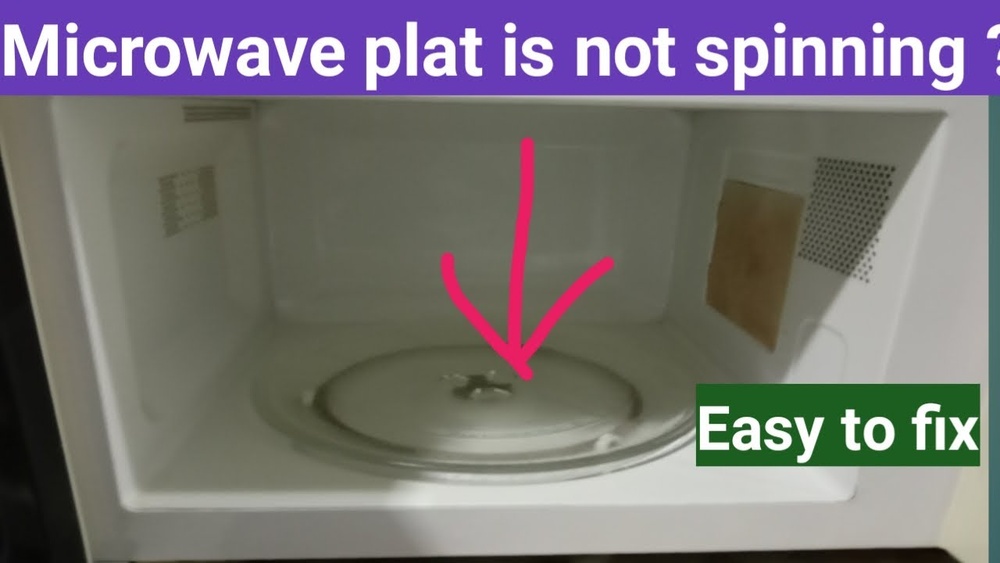
Before looking for problems, it helps to know how the spinning plate (turntable) works. Most microwaves have a glass tray that sits on a roller ring. Underneath, there’s a turntable motor connected to a drive shaft. When you start the microwave, the motor turns the shaft, which spins the tray. This helps heat food evenly by moving it through the microwave’s energy field.
Some microwaves have no turntable and use a different system to spread heat. But for most home models, the spinning tray is a key part of the design.
Common Reasons A Microwave Stops Spinning
When the microwave plate doesn’t turn, several things could be wrong. Here are the most common causes:
- Roller ring is out of place or dirty
- Glass tray is not seated properly
- Drive coupling is broken
- Turntable motor has failed
- Control board problems
- Too much weight on the tray
- Obstructions under the plate
- Microwave design (turntable off option)
- Damaged or worn turntable guide
- Loose internal wiring
Let’s look at each of these in detail, so you can find the cause and know what to do next.
1. Roller Ring Problems
The roller ring sits under the glass tray and helps it move smoothly. If the ring is out of place, has broken wheels, or is dirty, the tray may not turn. Even small crumbs or spills can stop the wheels from rolling.
What to check:
Take out the glass tray and look at the roller ring. Clean it and the track with warm water. Put it back properly and try again.
Non-obvious tip: If you often see spills, clean the ring and track weekly. This can prevent long-term damage.
2. Tray Not Placed Correctly
Sometimes, the glass tray does not sit right on the drive coupling (the small center part that connects to the motor). If it’s not centered, the tray can’t spin.
What to check:
Remove the tray and put it back, making sure the center fits onto the coupling.
3. Broken Drive Coupling
The drive coupling is a small plastic or metal piece that connects the motor to the tray. If it cracks or wears out, the tray will not move even if the motor works.
What to check:
Lift out the tray and roller ring. Inspect the coupling for cracks or missing pieces. If it spins freely by hand but the tray does not move, it may need replacing.
4. Failed Turntable Motor
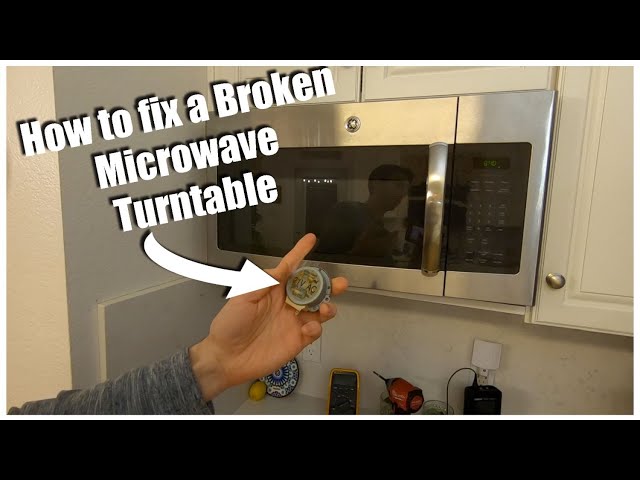
The turntable motor is a small electric motor under the microwave. It is one of the most common parts to fail. Motors can wear out, burn out, or have electrical problems.
What to check:
If you hear a humming sound but the tray does not move, or if the tray moves sometimes but not always, the motor may be weak. Motors usually cost between $10 and $30 to replace, but installing a new one can be tricky because it often requires taking the microwave apart.
Practical insight: Never try to open the microwave cabinet unless you are sure the power is off and you understand the risks. Microwaves can hold a dangerous electrical charge even when unplugged.
5. Control Board Issues
The control board is like the microwave’s “brain.” If it has a faulty relay or electrical problem, it may not send power to the turntable motor.
What to check:
If the microwave heats food but the tray does not move, and you have checked the other parts, the control board may be at fault. This is not common, but control boards can fail after power surges.
6. Excess Weight On The Tray
Microwave trays are designed for normal dinner plates or bowls. If you put a heavy pot or stack items, the motor may not be able to turn.
What to check:
Try removing some food or using a lighter dish. If the tray spins when empty but not when loaded, weight is the issue.
Example: Most microwaves have a weight limit of around 4-5 pounds (1.8–2.2 kg) for the tray.
7. Obstructions Under The Plate
Food spills, utensils, or small objects can get stuck under the tray or roller ring, blocking movement.
What to check:
Remove the tray and look for stuck food, toothpicks, or other debris. Clean everything and test the tray.
8. Microwave Design: Turntable Off Option
Some newer microwaves let you turn off the spinning tray for big dishes or special cooking. This is usually a button or setting.
What to check:
Look at the control panel for a “turntable off” button. Make sure it is set to “on” if you want the tray to move.
Non-obvious insight: Sometimes, this setting resets after unplugging the microwave or a power outage. Double-check your settings if the problem started after a blackout.
9. Damaged Or Worn Turntable Guide
The turntable guide is the track or plastic ring that holds the roller ring in place. Over time, heat and pressure can warp or crack it.
What to check:
Inspect the guide for cracks or bends. If you see damage, you can often buy a replacement online.
10. Loose Internal Wiring
Inside the microwave, wires connect the control board, motor, and other parts. If a wire comes loose (for example, after dropping the microwave or moving it), the tray will stop moving.
What to check:
This is hard to spot without opening the microwave. If you have checked everything else and the problem happened after a move or drop, loose wiring is possible. You may need a technician to check and repair it.
Step-by-step: Diagnosing The Problem
If your microwave isn’t spinning, you can check several things before calling for service. Here’s a simple process:
- Unplug the microwave for safety.
- Remove the glass tray and roller ring. Clean both.
- Check for debris or damage on the coupling and guide.
- Put the ring and tray back, making sure everything is centered.
- Test the microwave with an empty tray.
- If it still doesn’t spin, try a lighter dish to rule out weight.
- Check for a “turntable off” setting.
- Plug the microwave back in and test.
- If the tray still does not move, the motor or internal parts may be faulty.
Table: Quick Troubleshooting Guide
Here’s a quick reference to common causes and fixes:
| Problem | What to Check | Possible Fix |
|---|---|---|
| Tray not spinning | Tray placement, roller ring, debris | Re-seat tray, clean ring |
| No movement, humming sound | Motor, coupling | Replace motor or coupling |
| Stopped after moving microwave | Loose wire, motor | Check wiring (technician) |
| Heavy dish won’t spin | Weight limit | Use lighter dish |
| Button disables turntable | Settings | Turn setting “on” |
Credit: www.youtube.com
Table: Replacement Parts Cost Comparison
If you need to replace a part, here’s what you can expect to pay for common items (average US prices):
| Part | Typical Cost | DIY Difficulty |
|---|---|---|
| Roller ring | $8–$20 | Easy |
| Glass tray | $15–$40 | Easy |
| Drive coupling | $8–$25 | Medium |
| Turntable motor | $10–$30 | Medium-Hard |
| Control board | $60–$180 | Hard |
Can You Use A Microwave That Isn’t Spinning?
You might wonder if you can keep using a microwave with a broken turntable. The short answer: yes, but food won’t heat evenly. You may notice cold spots or overcooked edges. For best results, pause and turn the dish by hand every 30–60 seconds. But if you see sparks, hear grinding noises, or smell burning, stop using the microwave and get it checked.
Important: Never run a microwave empty or with a tray that’s jammed, as this can damage the appliance.
When To Call A Professional
While you can fix many turntable issues at home, some problems need a technician. If you suspect motor failure, control board issues, or loose wiring, it’s safer to get help. Microwaves can hold a strong electrical charge even when unplugged, which can be dangerous.
A professional can test the motor, replace parts, and make sure your microwave is safe to use. The price for a technician usually ranges from $50–$150, plus parts.
How To Prevent Turntable Problems
You can avoid many turntable problems with good habits:
- Clean the tray and roller ring regularly to prevent buildup.
- Don’t overload the tray with heavy dishes.
- Place the tray and ring correctly after cleaning.
- Check for the “turntable off” setting before cooking.
- Don’t run the microwave empty.
Credit: www.reddit.com
Table: Microwave Brands And Turntable Reliability
Here’s a look at how popular brands compare for turntable reliability (based on consumer reviews):
| Brand | Common Turntable Issues | User Rating (1-5) |
|---|---|---|
| Panasonic | Few motor issues | 4.6 |
| Samsung | Occasional coupling breaks | 4.4 |
| LG | Rare ring wear | 4.5 |
| Sharp | Some tray seating problems | 4.3 |
| GE | Good reliability | 4.7 |
Frequently Asked Questions
Why Is My Microwave Making Noise But Not Spinning?
If your microwave hums but the tray doesn’t move, the turntable motor might be broken, or there could be a jam from food debris. Try cleaning under the tray and roller ring. If that doesn’t help, the motor may need replacing.
Can A Microwave Heat Food If The Turntable Is Not Spinning?
Yes, but the food may not heat evenly. The turntable helps move food through the heat field. Without it, you’ll get hot and cold spots, so stir or rotate the dish by hand for better results.
Is It Safe To Open The Microwave To Fix The Turntable?
You can safely clean and check the tray, roller ring, and coupling. But opening the microwave’s outer case is risky because of high-voltage parts inside. Only do this if you are trained, or call a technician.
How Do I Know If The Turntable Motor Is Bad?
Signs include the tray not moving, a humming sound, or the tray starting and stopping randomly. To confirm, unplug the microwave, remove the bottom panel (if safe), and test the motor with a multimeter. If you’re unsure, get help from a professional.
Where Can I Buy Replacement Parts For My Microwave Turntable?
You can find parts like roller rings, trays, and motors online, at appliance stores, or from the manufacturer. Make sure to buy parts that match your microwave’s brand and model. For more on microwave parts, see Consumer Reports.
A non-spinning microwave is usually easy to fix if you know what to look for. With the right checks and a little care, you can keep your appliance working for years and enjoy evenly heated food every time.