Why Was the Microwave Oven Invented
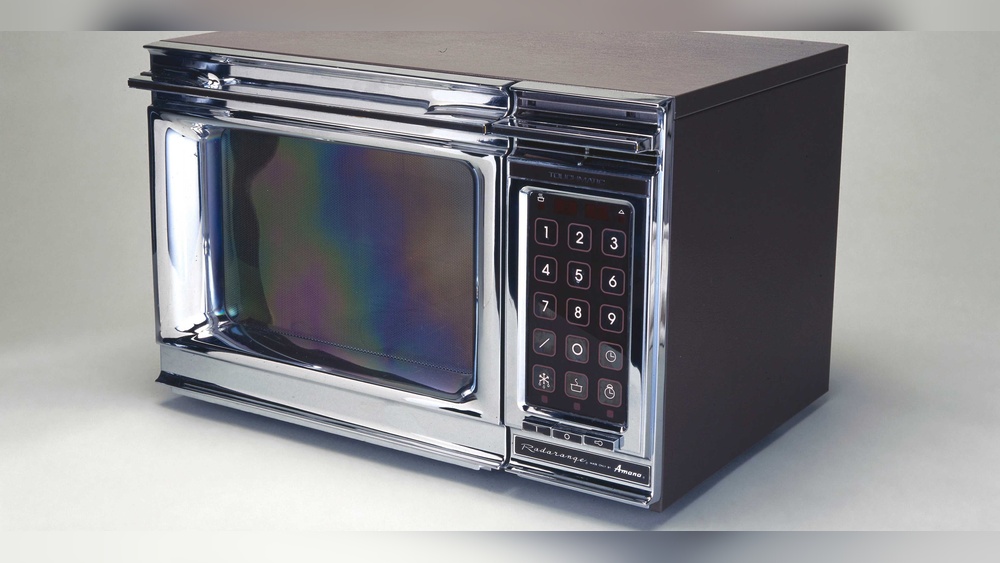
The microwave oven is now a common sight in homes, offices, and even convenience stores. It’s so familiar that it’s easy to forget how revolutionary this simple box became. But why was the microwave oven invented in the first place?
The answer is more than just “to heat food faster. ” The story behind the invention, the needs it addressed, and its unexpected impact on society reveal a lot about human creativity and the changing world of the 20th century.
The World Before The Microwave Oven
Imagine cooking every meal on a stove, in an oven, or over a fire. In the early 1900s, these were the only options. Heating food took time. Leftovers meant waiting for the oven to preheat, watching pots, and dealing with dirty pans. For working families, especially women who handled most cooking, preparing meals could easily take hours.
World War II brought more women into the workforce. After the war, people wanted convenience and speed. Home appliances like washing machines and refrigerators became popular. But there was no quick way to prepare a hot meal or snack. The demand for something faster and simpler was growing.
The Spark Of Invention: A Surprising Discovery
The microwave oven did not start as a kitchen idea. In 1945, Percy Spencer, an engineer at Raytheon, was testing radar equipment. While standing near a magnetron (a device that produces microwaves), he noticed a candy bar in his pocket had melted. Curious, he tried popping popcorn with the machine. It worked. Then, he cooked an egg, which exploded in a colleague’s face.
Spencer realized microwaves could heat food from the inside out. Unlike regular ovens, which heat air or metal, microwaves make water molecules in food vibrate, producing heat. This made cooking much faster.
Raytheon soon filed a patent for using microwaves to cook food. The first microwave oven, called the Radarange, was made in 1947. It stood almost 6 feet tall, weighed over 340 kilograms (750 pounds), and cost as much as a car.
Why Invent A Microwave Oven?
1. Speed And Convenience
The main reason for inventing the microwave oven was to save time. Traditional ovens and stoves took 15–30 minutes just to heat leftovers or cook a simple meal. The microwave could do the same job in 2–5 minutes. This was a major breakthrough for busy families and office workers.
2. New Uses For Radar Technology
After World War II, there was a surplus of radar technology. Companies like Raytheon wanted to find peaceful, profitable uses for their magnetrons and engineering expertise. The microwave oven was a creative way to turn military know-how into something useful for civilians.
3. Food Industry Needs
Large food companies were looking for better ways to defrost and reheat food. Airlines, hospitals, and hotels needed faster ways to serve hot meals to many people. The microwave oven made it possible to do this with less staff and energy.
4. Safety And Efficiency
Microwave ovens don’t get as hot on the outside as traditional ovens or stoves. This reduced the risk of burns and kitchen fires. They also use less energy for small tasks like heating a cup of soup, making them more efficient for certain jobs.
5. Changing Lifestyle And Social Trends
In the 1950s and 60s, people’s lives became busier. More women were working outside the home. Families wanted quick meals that didn’t require hours in the kitchen. The microwave oven fit perfectly with this new way of living.
How The Microwave Changed Everyday Life
The invention of the microwave oven did more than just speed up cooking. It changed how people think about food, time, and even family life.
Impact On Meals And Eating Habits
Before microwaves, people often cooked large meals and sat down together. The microwave made it easy to heat individual portions or snacks. This helped the rise of frozen meals and “TV dinners,” where each person could choose their favorite food and eat when they wanted.
The Rise Of Convenience Foods
Companies started making microwave-safe packaging and new types of meals designed just for microwaves. Popcorn, pizza, soups, and even desserts became faster and easier to enjoy. This shifted the food industry toward more ready-to-eat products.
New Possibilities For Workplaces
Microwaves became common in offices, factories, and schools. People could bring food from home and heat it quickly. This made lunch breaks more enjoyable and gave more choices beyond cold sandwiches.
Milestones In Microwave Oven Development
The first microwave ovens were large, expensive, and mainly used in restaurants or industry. It took several key improvements for them to become household items.
| Year | Milestone | Significance |
|---|---|---|
| 1947 | First Radarange | Commercial microwave oven, very large and expensive |
| 1955 | Tappan Home Model | First attempt at a home microwave, still costly and big |
| 1967 | Countertop Models | Amana introduced a small, affordable microwave for homes |
| 1970s | Mass Production | Prices dropped, sales soared, microwaves became common |
By the 1980s, over 25% of American households owned a microwave. Today, the number is over 90% in many countries.
Comparing Cooking Methods: Microwave Vs. Traditional Ovens
Understanding why the microwave oven was invented is easier when you compare it to other cooking methods.
| Feature | Microwave Oven | Traditional Oven |
|---|---|---|
| Heating Time | 1–5 minutes (for most foods) | 10–30 minutes |
| Energy Use | Low for small amounts | High, especially for preheating |
| Cooking Evenness | Sometimes uneven (cold spots) | More even, especially for baking |
| Safety | Cooler exterior, less risk of burns | Hot surfaces, higher burn risk |
| Best For | Reheating, defrosting, quick meals | Baking, roasting, browning |
Credit: www.popularmechanics.com
Common Myths And Misunderstandings
When the microwave oven first arrived, many people were unsure about its safety and usefulness.
- Some believed microwaves made food “radioactive.” This is not true. Microwave ovens use non-ionizing waves, which do not change the structure of food.
- There were concerns about nutrients. In fact, microwaving often preserves vitamins better than boiling, because it uses less water and time.
- Early microwaves sometimes cooked unevenly, leaving cold spots. This led to advice like stirring or letting food “stand” after cooking.
One non-obvious point: many users don’t realize that microwave ovens work best with foods containing water. Dry foods or metal containers can cause problems. That’s why you see “microwave-safe” labels on dishes and packaging.
How The Microwave Oven Was Marketed
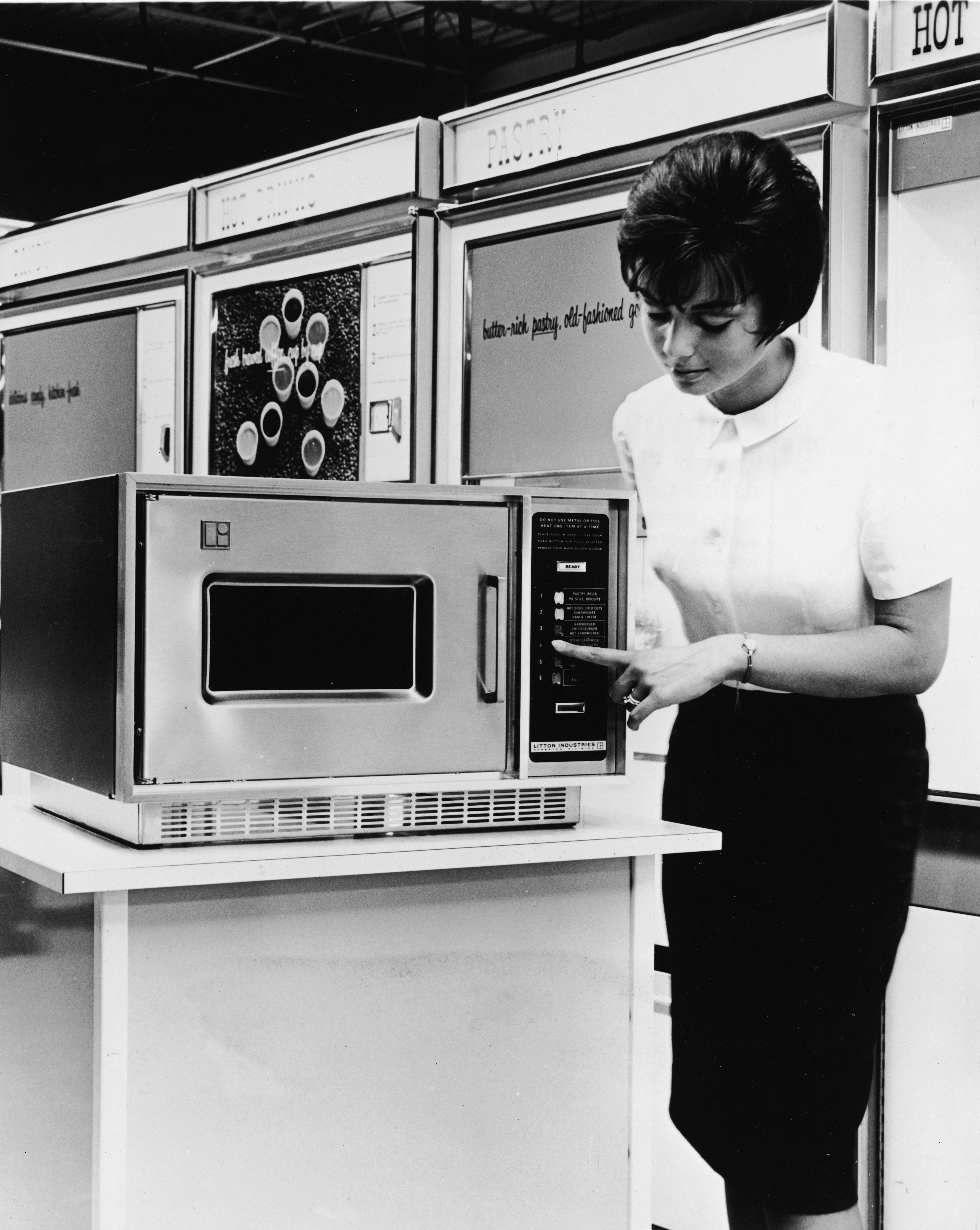
Convincing people to use a new kind of oven was not easy. Early advertisements stressed speed, safety, and modernity. Companies demonstrated cooking popcorn in public, showed how to defrost steak in minutes, and gave out free recipe books.
Another clever strategy was placing microwaves in supermarkets, office break rooms, and even gas stations. Once people experienced the convenience, they wanted one at home.
Microwave cooking classes were common in the 1970s and 80s. Manufacturers trained home cooks on new techniques, showing that the microwave was not just for reheating but could also cook vegetables, fish, and desserts.
Credit: www.businessinsider.com
Lasting Influence On Food And Culture
The microwave oven didn’t just save time—it shaped new food habits and even language. Phrases like “microwave meal” and “nuke it” became part of daily talk.
It helped popularize frozen dinners, single-serve snacks, and even “mug cakes.” Food companies began designing products specifically for the microwave, changing packaging and recipes.
In many countries, the microwave oven allowed people to eat more varied diets, try international foods, and waste less food by reheating leftovers easily. It also made cooking possible for people with limited kitchen skills, disabilities, or very little time.
One subtle but important effect: the microwave oven helped make the kitchen a more equal space. With less time needed for meal prep, family members could share cooking tasks more fairly.
The Science Behind The Microwave
Microwave ovens use a part called the magnetron to create short radio waves, or microwaves. These waves excite water, fat, and sugar molecules in food, causing them to vibrate and heat up quickly.
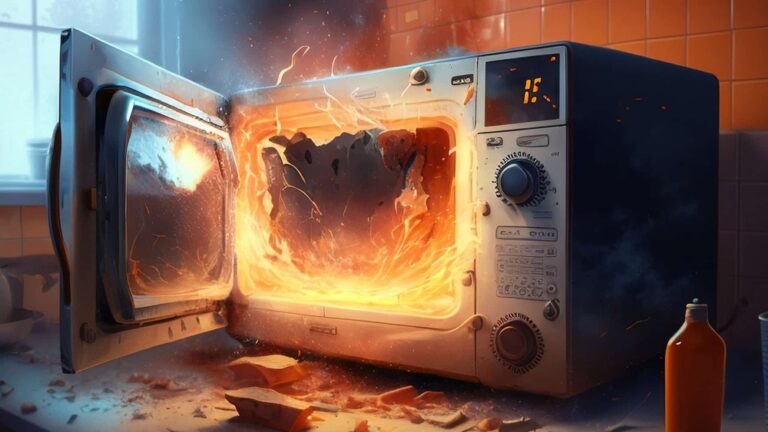
But not all containers work in a microwave. Metal reflects microwaves, which can cause sparks or fires. Certain plastics can melt or release chemicals if they’re not designed to be “microwave-safe. ” Glass and some ceramics are best.
Here’s a quick look at how different materials perform in a microwave:
| Material | Microwave Safe? | Notes |
|---|---|---|
| Glass | Yes | Best for most foods |
| Ceramic | Usually | Check for metallic paint or glaze |
| Plastic | Sometimes | Only if labeled “microwave-safe” |
| Metal | No | Can cause sparks and fires |
| Paper | Yes (uncoated) | Good for reheating, not for long cooking |
Credit: www.popularmechanics.com
Two Non-obvious Insights About Microwave Ovens
- Microwave ovens do not brown or crisp food like regular ovens. That’s why microwave pizza or fries can be soggy unless special packaging (like “crisping sleeves”) is used. Many people new to microwaves are surprised by this difference and may not realize it’s a limit of the technology, not a sign of poor quality.
- Standing time matters. When you microwave a dish, the heat continues to spread even after the timer stops. Recipes often say to let food “stand” for a few minutes. This resting time helps eliminate cold spots and makes sure food is safely cooked throughout. Skipping this step is a common beginner mistake.
Microwave Ovens And Modern Society
Today, the microwave oven stands as a symbol of modern life—speed, convenience, and flexibility. It’s a tool that changed how people cook, eat, and live. The reason for its invention was not just about science or business, but about meeting real needs in a changing world.
If you want to learn more about the detailed history and science behind microwave ovens, you can visit the Wikipedia page on Microwave Ovens.
Frequently Asked Questions
Why Was The Microwave Oven Invented?
The microwave oven was invented to make cooking and reheating food much faster and easier. It used surplus radar technology after World War II and answered the need for convenience in a busy, modern world.
Who Invented The Microwave Oven?
Percy Spencer, an engineer at Raytheon, discovered that microwaves could heat food in 1945. He developed the first commercial microwave oven soon after.
Is Microwave-cooked Food Safe And Healthy?
Yes, microwave ovens use non-ionizing waves that do not make food radioactive. In many cases, they can preserve nutrients better than boiling or frying, especially for vegetables.
Why Do Some Foods Heat Unevenly In A Microwave?
Microwaves can create “hot spots” and “cold spots” because they heat water molecules directly. Stirring food and letting it stand after cooking helps even out the temperature.
Can You Put Any Container In A Microwave Oven?
No. Only use microwave-safe containers. Metal can cause sparks, and some plastics can melt or release harmful chemicals. Glass and ceramics are usually the safest choices.
The microwave oven was invented to solve real problems of time, convenience, and efficiency. Its story is a reminder that sometimes, great ideas come from unexpected places—and can change the way we live every day.