Why is My Microwave Sparking Without Metal
Microwaves are common in most kitchens today. They offer quick heating, simple cooking, and easy cleaning. But what if your microwave starts sparking—and you’re sure there’s no metal inside? That sight is not only surprising but can be scary. Many people think sparks always mean metal, but that’s not true. There are other hidden reasons why a microwave may spark, even with only food and a microwave-safe dish inside.
Let’s explore why this happens, what you should check, and how to prevent it. Understanding these reasons can protect your appliance, your food, and your safety.
How A Microwave Works And Why It Sparks
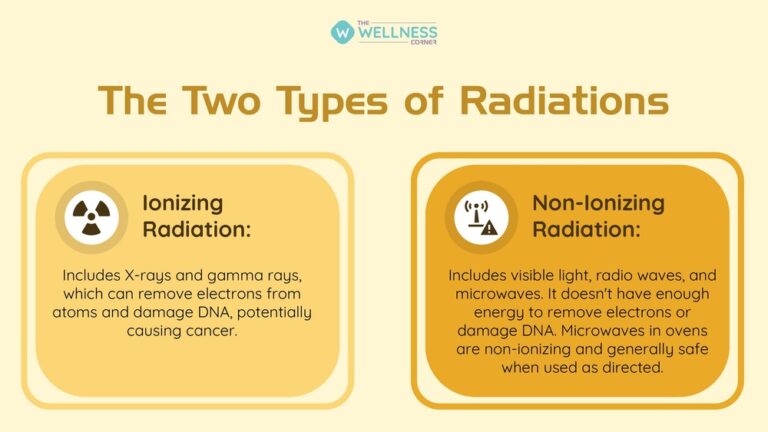
To make sense of sparking, it helps to know the basics of how a microwave oven works. Microwaves use electromagnetic waves to heat food. These waves bounce around inside the oven, exciting water molecules in your food, which heats it up.
Sparking, or arcing, happens when electricity jumps through the air. In a microwave, this usually means something is conducting electricity in a way that shouldn’t happen. Metal is a common cause, but several other situations can create the same effect.
Common Reasons For Microwave Sparking Without Metal
Many people are surprised that sparking can happen without any metal. Here’s why it can still occur:
1. Food Residue And Grease Build-up
When food spills or splatters inside your microwave, small amounts can stick to the walls, ceiling, or turntable. Over time, this food residue can dry out and carbonize (burn to a crisp), especially if you use your microwave often.
Why it causes sparks: Burnt or carbonized food can act like a conductor. When microwaves hit these burnt spots, they may cause electricity to jump, creating sparks. Greasy build-up, especially from foods high in fat, can also lead to sparking if the grease becomes overheated.
Example: You heat a bowl of soup and it overflows. The soup dries and burns on the ceiling. Next time you use the microwave, you see sparks from the same spot.
Tip: Check and clean your microwave regularly, especially after spills.
2. Damaged Waveguide Cover
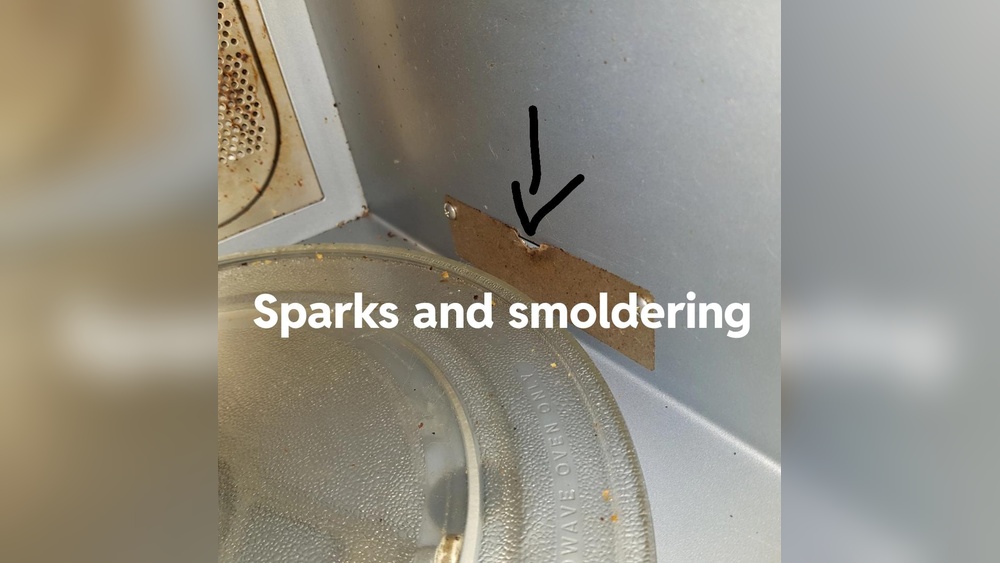
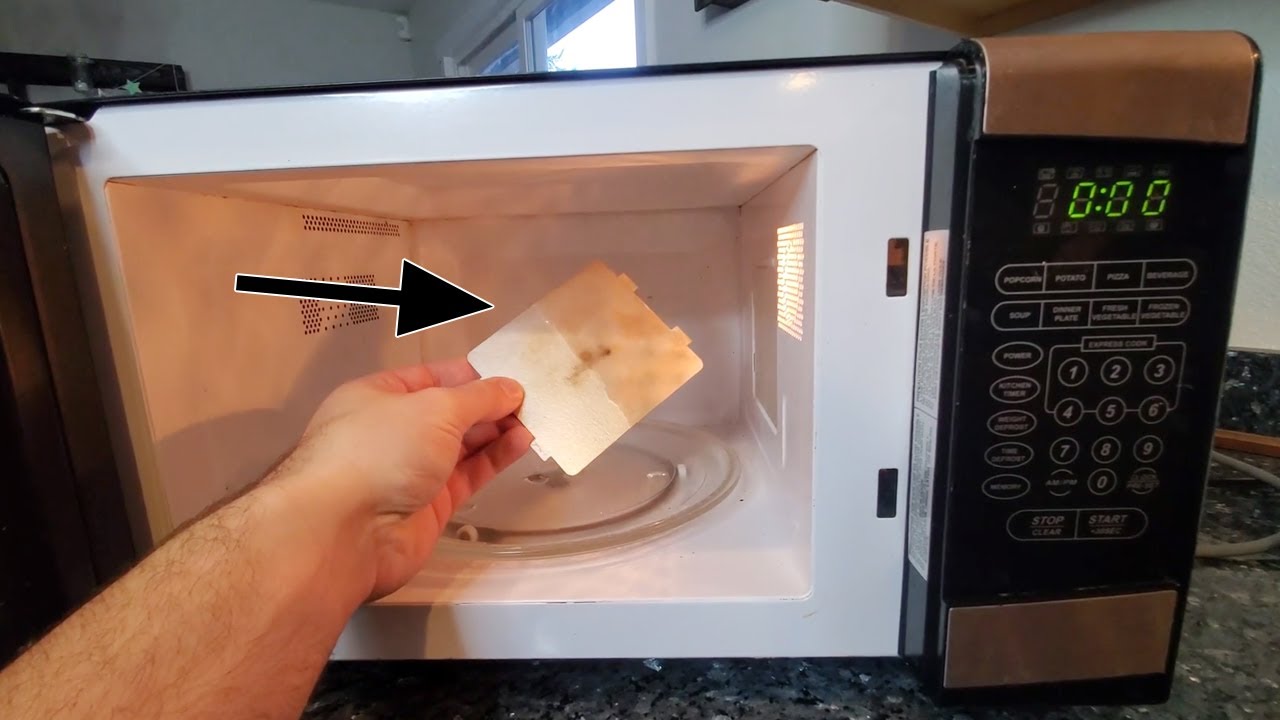
The waveguide cover is a small piece—usually made of mica or a similar material—found inside your microwave, often on one wall. Its job is to protect the waveguide (the part that sends microwaves into the oven) from food and moisture.
Why it causes sparks: If the waveguide cover gets dirty, cracked, or burnt, it can start to arc. Even a small crack lets microwaves hit the metal underneath, causing sparks. Repeated sparking can damage the microwave further.
Non-obvious insight: Many people don’t know this cover can be replaced cheaply. You don’t need a new microwave if only the cover is damaged.
3. Faulty Or Dirty Turntable Support
The turntable (the rotating glass plate) sits on a plastic or metal support with wheels. If food or liquid gets under the turntable, it can burn onto these supports.
Why it causes sparks: If the wheels or support are metal (some are) or covered with burnt food, they can create a path for electricity. Even plastic supports can spark if they have burnt-on residue.
Tip: Remove and clean under the turntable every week.
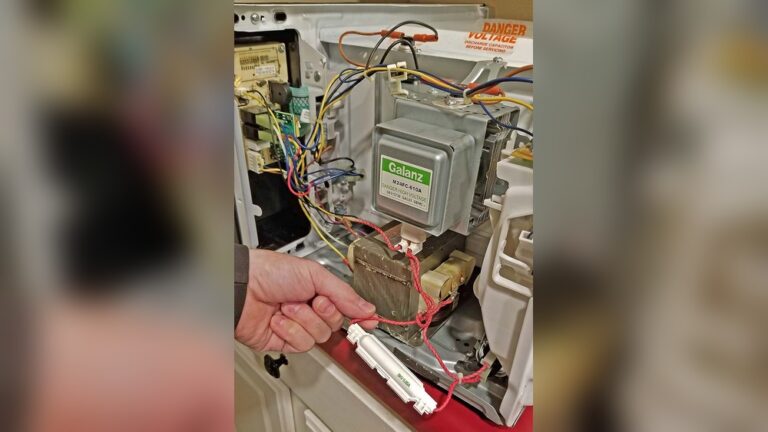
4. Defective Or Exposed Magnetron
The magnetron is the core part that generates microwaves. It’s normally hidden behind the waveguide cover. If the magnetron becomes faulty or its internal components are exposed, sparking may occur.
Why it causes sparks: Damage to the magnetron can cause high voltage to jump to other parts, creating sparks. This is a serious fault and usually means professional repair or replacement is needed.
Warning: Never try to repair the magnetron yourself. High voltage inside can be deadly.
5. Broken Or Chipped Interior Paint
Microwave ovens have a special paint coating inside. This paint covers the metal shell, preventing microwaves from arcing directly to the oven walls.
Why it causes sparks: If the paint chips or cracks, the exposed metal can arc when microwaves hit it. This often happens in older microwaves or after years of cleaning with rough sponges.
Tip: You can buy microwave-safe touch-up paint to fix small chips.
6. Overcooked Or Dried-out Food
Some foods, especially those with little water or high sugar content (like bread, marshmallows, or chocolate), can become extremely dry and burnt if overheated.
Why it causes sparks: When food gets too dry, it can start to burn and carbonize. This burnt food, like burnt residue, can spark when microwaved again.
Example: Reheating pizza crust for too long can cause sparks if the crust becomes too dry and burnt.
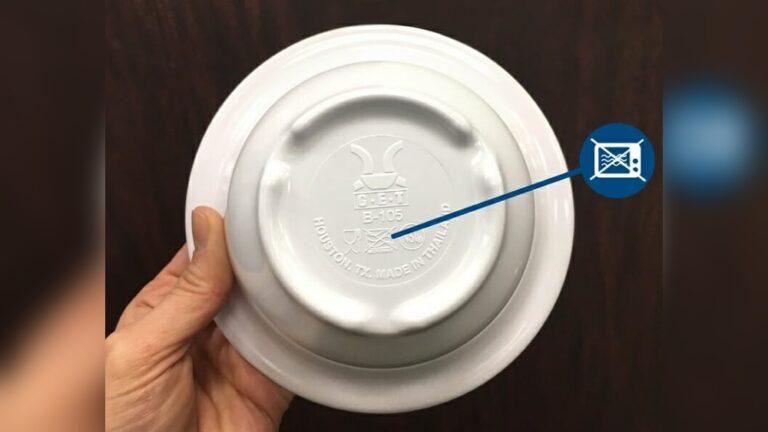
7. Using Cookware With Hidden Metal Trim
Not all microwave-safe dishes are truly free of metal. Some plates, cups, or bowls have hidden metal trim or decorations, especially gold or silver lines.
Why it causes sparks: Even a thin line of metal paint can spark. Sometimes, the metal is not visible, or it’s under the glaze.
Tip: Always double-check your dishes, especially older ones or those with fancy designs.
8. Faulty Door Or Door Latch
The door of your microwave has several safety switches and metal mesh to keep microwaves inside. If the door is bent, the latch is faulty, or the mesh is damaged, electrical arcs can form.
Why it causes sparks: Gaps or faults let microwaves escape or bounce in unexpected ways, causing sparks inside.
Non-obvious insight: Slamming the microwave door can bend the latch or damage the mesh over time.
9. Arcing From Popcorn Or Paper Products
Microwaving certain paper products, like brown paper bags or some types of popcorn bags, can sometimes create sparks.
Why it causes sparks: Some bags have small metal clips or ink with metallic content. Even plain paper can burn and carbonize, especially if cooked too long, leading to sparking.
Tip: Only use microwave-approved paper products.
10. Poor Quality Or Old Microwave
Cheaper or very old microwaves can have worn-out parts, poor insulation, or loose connections inside.
Why it causes sparks: Aging or low-quality components may expose metal, loosen connections, or fail to insulate electricity properly, all leading to arcing.
Tip: If your microwave is over 10 years old and sparks often, consider replacing it.

Credit: www.youtube.com
Comparing Common Spark Causes
Here’s a quick look at which causes are most likely in different situations:
| Situation | Likely Spark Cause | How to Fix |
|---|---|---|
| Sparks after reheating leftovers | Food residue, burnt splatter | Clean interior |
| Sparks near turntable | Dirty or metal support | Clean or replace support |
| Sparks from ceiling/wall area | Damaged waveguide cover | Replace cover |
| Sparks with dry food (toast, pizza) | Carbonized food | Lower cook time, add water |
Steps To Take If Your Microwave Sparks
If your microwave starts sparking, follow these steps:
- Stop the microwave immediately. Unplug it for safety.
- Check for metal. Make sure there’s no foil, twist ties, or hidden metal.
- Inspect the interior. Look for burnt food, cracked paint, or a damaged waveguide cover.
- Clean all parts. Remove the turntable and supports, and clean them well.
- Try a short test. Place a microwave-safe bowl of water inside and heat for 30 seconds. If sparking returns, unplug and seek help.
- Do not use if sparking continues. Ongoing sparking can damage the microwave or start a fire.
Cleaning Tips To Prevent Sparking
Regular cleaning helps prevent most sparking causes. Here’s a simple routine:
| Task | Frequency | How-To |
|---|---|---|
| Wipe interior walls | Every 2-3 uses | Damp cloth with mild soap |
| Clean turntable & support | Weekly | Wash in sink with warm water |
| Inspect waveguide cover | Monthly | Look for burns/cracks, replace if needed |
| Check for chipped paint | Every 6 months | Touch up with microwave-safe paint |
Pro tip: Place a microwave-safe cover over food to reduce splatter.
When To Call A Professional
Some microwave problems need an expert:
- Repeated sparking after cleaning and removing all possible causes
- Cracked or broken waveguide cover
- Visible damage to the magnetron or wiring
- Damaged door or latch
Microwaves contain high voltage, even when unplugged. Repairs involving the magnetron, wiring, or internal components should be done by a qualified technician.
Credit: www.themamasgirls.com
Can A Sparking Microwave Be Repaired?
In many cases, yes. If the cause is dirty or damaged parts like the turntable support, waveguide cover, or interior paint, these are affordable fixes. If the magnetron, wiring, or control panel is damaged, repairs can be more expensive—sometimes more than a new microwave.
Example: A new waveguide cover may cost less than $10, while replacing a magnetron can cost over $100 including labor.
Prevention: Best Practices For Microwave Use
Follow these tips to avoid sparking and extend your microwave’s life:
- Use only microwave-safe cookware
- Clean spills quickly
- Inspect the inside regularly for damage
- Avoid cooking dried-out or carbon-rich food for too long
- Do not run the microwave empty (this can damage the magnetron)
- Close the door gently
- Replace damaged parts promptly
Why Some Microwaves Spark More Than Others
Not all microwaves are built the same. Cheaper models may use lower-quality materials. Older microwaves might have worn paint, loose parts, or weak insulation. Frequent, rough cleaning can also damage the protective coating inside.
Stat: Studies show that microwaves over 8 years old are twice as likely to develop sparking problems as new models.
If you notice sparks more often, it might be time to upgrade. Modern microwaves have better safety features and improved interior coatings.
Resources For Further Reading
For more technical details about how microwaves work and safety standards, visit this Wikipedia page on microwave ovens.
Credit: www.expressrepairny.com
Frequently Asked Questions
Why Does My Microwave Spark Even With No Food Inside?
Running a microwave empty means there’s nothing to absorb the microwaves. They bounce around, hitting the walls and sometimes causing sparks, especially if there is any damage or residue inside.
Is A Sparking Microwave Dangerous?
Yes, sparking means something is wrong. While a single spark from a small food splatter is usually not serious, repeated sparking can damage the microwave or start a fire. Stop using the microwave until you fix the cause.
Can I Use My Microwave After It Sparked Once?
If you find and fix the problem (like cleaning burnt food or replacing a waveguide cover), you can use it again. If you’re unsure or sparking continues, have it checked by a technician.
How Do I Know If My Waveguide Cover Needs Replacing?
Look for burn marks, cracks, or holes in the cover inside your microwave. If it looks damaged or burnt, replace it before using the microwave again.
Can I Repair Chipped Paint Inside My Microwave?
Yes, use microwave-safe touch-up paint (available at hardware stores). Make sure the area is clean and dry before painting. Do not use regular paint, as it can be unsafe when heated.
A sparking microwave can be alarming, but with careful inspection and cleaning, most causes are easy to fix. Regular maintenance and attention can keep your microwave safe and lasting for years. If in doubt, don’t risk your safety—get expert help.