Why is My Microwave Buzzing: Top Causes and Quick Fixes
Many people rely on microwaves for quick and easy meals. But what happens when your microwave starts making a buzzing noise? For some, it’s just a small annoyance. For others, it can cause real worry—especially if the sound is new or has gotten louder over time. If you’re asking yourself, “Why is my microwave buzzing?” you’re not alone. Understanding what causes this noise can help you decide if you should be concerned, if you can fix it yourself, or if it’s time to call a professional.
A buzzing microwave does not always mean danger, but it should never be ignored. Sounds can give important clues about the health of your appliance. Let’s explore the possible reasons for a buzzing microwave, how to troubleshoot, and what you can do to fix or prevent the problem.
Common Reasons For A Buzzing Microwave
Microwaves are complex machines with several moving parts. Buzzing can come from a number of sources, and not every noise means your microwave is broken. Here are the most frequent causes:
1. Magnetron Issues
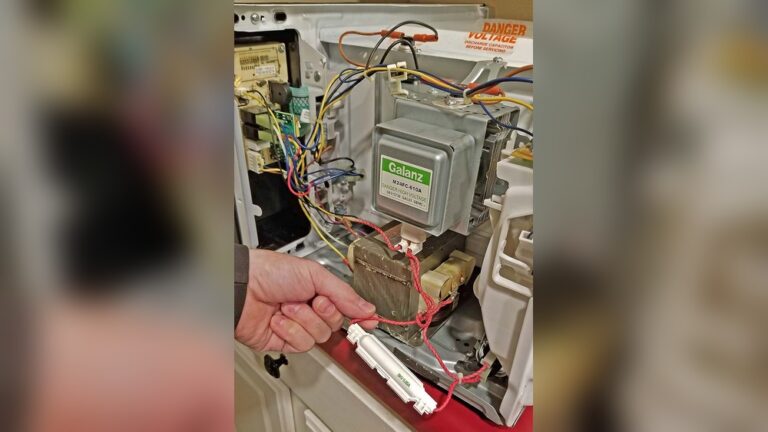
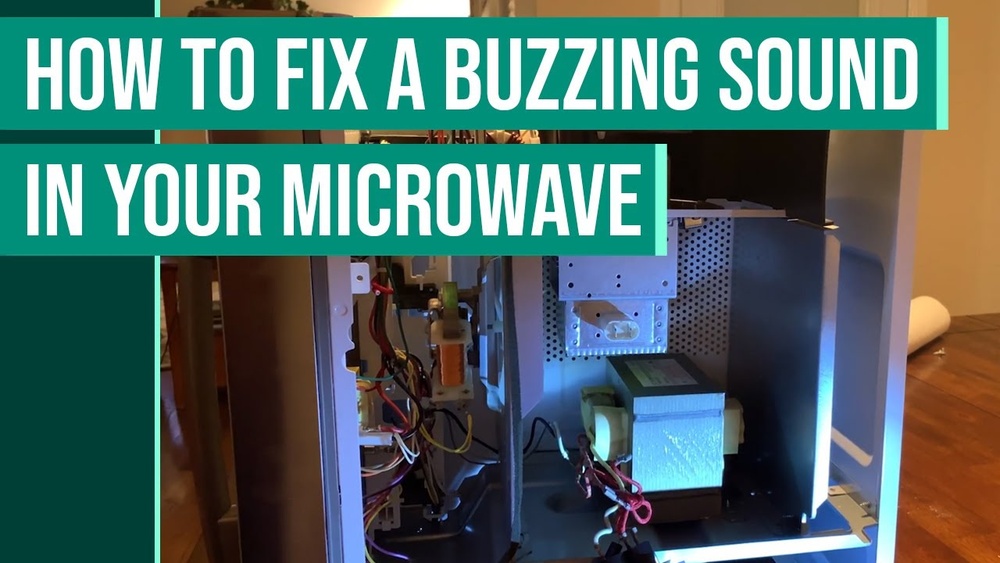
The magnetron is the heart of your microwave. It creates the microwaves that heat your food. Over time, this part can wear out. If the magnetron is failing, it often makes a loud buzzing or humming noise, especially when the microwave is running but not heating food well. This is a serious problem—if your magnetron is failing, the microwave may soon stop working.
2. Faulty Diode
The high-voltage diode helps convert electricity so the magnetron can use it. If the diode is damaged, you might hear a buzzing or humming sound. Sometimes, the microwave will also stop heating food properly. Replacing a diode is not a simple task and can be risky due to stored electrical charge inside the microwave.
3. Turntable Motor Problems
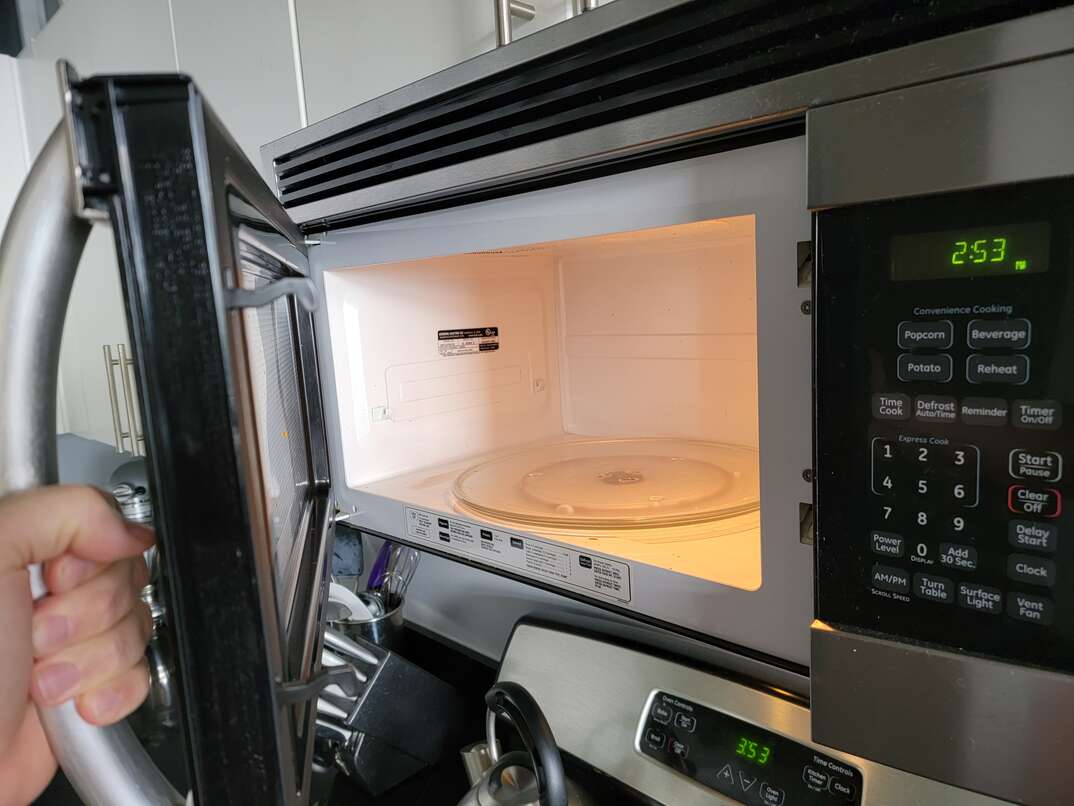
The turntable motor spins your food so it cooks evenly. If the motor is failing, you may hear a buzzing or grinding noise from the bottom of the microwave. Sometimes, the turntable will stop turning. This is less serious than magnetron or diode problems, and a motor replacement is usually not expensive.
4. Loose Or Worn-out Fan
Microwaves have a cooling fan that keeps the magnetron from overheating. If the fan is loose, dirty, or broken, it can make a buzzing or rattling sound. Cleaning or tightening the fan often solves this issue. However, if the fan blades are damaged, they should be replaced.
5. Door Switch Issues
Microwave doors have interlock switches for safety. If a switch is worn out or misaligned, it can create a buzzing noise as the microwave tries to start. Sometimes, the microwave won’t run at all if the switch is faulty.
6. Food Or Debris Inside
Sometimes, the simplest answer is correct. Food splatters or debris trapped in the turntable area or door can cause unusual noises. Cleaning the inside of your microwave can sometimes fix the problem right away.
7. Transformer Problems
The high-voltage transformer supplies power to the magnetron. If it is failing, it can cause a loud buzzing or humming, and possibly a burning smell. This part is expensive and dangerous to replace on your own.
8. Malfunctioning Control Board
Modern microwaves use electronic control boards. If the board is damaged or has a short circuit, it can make strange noises, including buzzing, even when the microwave is not in use.
9. Old Age And Wear
All appliances wear out over time. Older microwaves may develop buzzing noises simply because parts are worn down or loose. If your microwave is more than 8–10 years old, replacement may be more cost-effective than repair.
Is A Buzzing Microwave Dangerous?
Not all noises mean there is a risk, but some can signal safety concerns. You should be alert if:
- The buzzing is very loud or has suddenly changed
- The microwave does not heat food properly
- There is a burning smell or smoke
- You see sparks or arcing inside
- The noise continues after the microwave stops
If any of these happen, stop using the microwave and unplug it right away. The magnetron, transformer, and diode carry high voltage, even after unplugging. Never try to open or repair these parts yourself unless you are trained.
Troubleshooting: How To Find The Source
You can follow some steps to help find out why your microwave is buzzing. Here’s a practical guide:
- Listen carefully: Try to locate where the buzzing comes from—the top, bottom, back, or door.
- Check the turntable: Remove the plate and see if the noise stops.
- Inspect for debris: Clean the inside, especially the turntable area and door seals.
- Test with and without food: Sometimes, empty microwaves buzz more.
- Watch for other symptoms: Is the microwave heating food? Is there a smell?
If the noise is gone after cleaning or removing the turntable, it’s likely a simple fix. If it continues, the problem is probably electrical or mechanical and may need a technician.
When To Call A Professional
Some microwave problems are simple and safe to fix, like cleaning or replacing the turntable. But if the buzzing is loud, comes from deep inside, or is paired with other problems, you should call an expert. The following situations require a professional:
- Magnetron or transformer issues: These are dangerous to repair at home.
- Electrical smells or sparks: This could mean a fire risk.
- Microwave stops heating: Often a sign of major internal failure.
- Noise continues after unplugging: Rare, but could mean stored energy is releasing.
Professional repair can be costly, so compare the price of fixing versus buying a new microwave, especially if your appliance is older.

Credit: www.reddit.com
Comparing Types Of Microwave Noises
It helps to know what normal and abnormal sounds are. Here’s a simple comparison of common microwave noises and what they may mean:
| Sound | Possible Cause | Action Needed |
|---|---|---|
| Soft humming | Normal operation | None |
| Loud buzzing | Magnetron or transformer | Call professional |
| Grinding | Turntable motor or debris | Check/clean turntable |
| Clicking | Door switch or relay | Inspect door/replace switch |
| Popping/sparking | Metal inside or arcing | Stop immediately, remove metal |
How To Maintain Your Microwave And Prevent Buzzing
Regular care can help keep your microwave quiet and extend its life. Here are some smart tips:
Keep It Clean
Wipe the interior after every use. Food splatters can get burned onto surfaces, causing noise and even smoke.
Avoid Metal
Never put metal objects or foil inside. They can cause sparking and damage the magnetron.
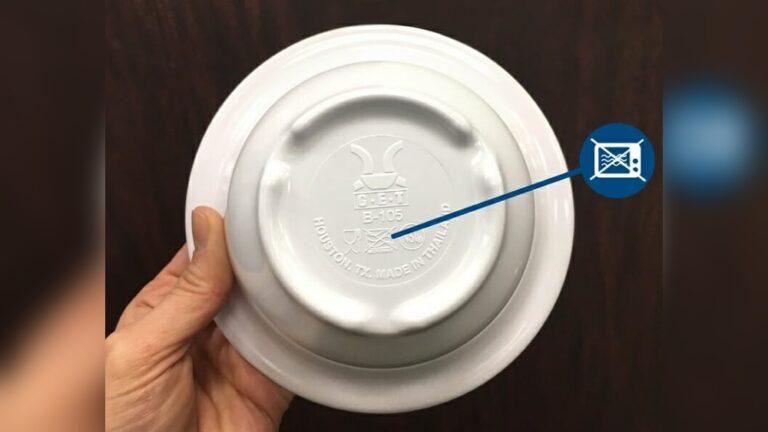
Use Microwave-safe Dishes
Check that all plates, cups, or covers are labeled microwave-safe. Some plastics can melt and create sticky messes that cause buzzing.
Check The Door And Seal
A loose or dirty door can create rattling or buzzing. Make sure the door closes tightly and the seal is clean.
Don’t Overload
Do not run the microwave for long periods or with very large items inside. This can overheat the magnetron or fan.
Regular Inspections
Check the turntable, rollers, and interior for wear or damage. Replace broken parts early to prevent bigger problems.

Credit: appliancegenie.ca
Cost Comparison: Repair Vs. Replace
If your microwave is buzzing due to a serious problem, you may wonder if it’s worth fixing. Here’s a look at typical costs:
| Problem | Repair Cost | New Microwave Cost |
|---|---|---|
| Turntable motor | $50–$100 | $100–$300 |
| Magnetron | $100–$200 | $100–$300 |
| High-voltage diode | $70–$150 | $100–$300 |
| Fan repair | $60–$120 | $100–$300 |
As you can see, if your microwave is old or the repair is close to the price of a new unit, replacement is often the smarter choice.
What Beginners Often Miss
Many people think all microwave buzzing is dangerous, but some sounds are harmless. For example, a soft hum is normal when the magnetron works. Beginners also miss that even when unplugged, microwaves can hold an electric charge that can shock or injure you. Another common mistake is ignoring the microwave’s age—parts wear out, and sometimes buying new saves money and stress.
Real-world Example
Let’s say you hear a buzz only when the turntable spins. You remove the plate, and the noise stops. This points to a turntable motor or misaligned plate, which is easy to fix. If the buzzing is loud, the microwave won’t heat, and there’s a smell, it’s likely the magnetron—a job for a professional.
Data: Average Microwave Lifespan
Most microwaves last about 7–10 years with normal use. Here’s a look at average lifespans for different types:
| Type | Average Lifespan (years) |
|---|---|
| Countertop | 7–8 |
| Over-the-range | 8–10 |
| Built-in | 9–10 |
If your microwave is near the end of its lifespan and buzzing, replacement is often best.
Credit: www.homeserve.com
When Is It Safe To Keep Using A Buzzing Microwave?
If the buzzing is soft, there are no other symptoms, and the microwave heats food well, it’s likely safe to use. But always:
- Monitor for new smells, sparks, or changes in sound
- Unplug the microwave if you feel unsure
- Get a technician’s advice if in doubt
How To Choose A New Microwave If Replacement Is Needed
If you decide to replace your microwave, think about:
- Size and power: Match your kitchen space and cooking needs
- Features: Common options include sensor cooking, defrost, and child safety locks
- Brand reliability: Read online reviews and ratings
- Energy efficiency: Look for models with Energy Star ratings
- Warranty: A longer warranty can save money if repairs are needed
For more details on microwave types and buying advice, see this helpful resource from Consumer Reports.
Frequently Asked Questions
Why Does My Microwave Make A Noise Only When Heating?
Usually, this is the magnetron working to heat your food. A soft hum is normal, but loud or changing noises can mean a part is wearing out.
Is It Dangerous To Use A Buzzing Microwave?
If the buzzing is new, loud, or comes with burning smells, sparks, or poor heating, unplug it and get it checked. Otherwise, a soft buzz may be safe but monitor for changes.
Can I Fix A Buzzing Microwave Myself?
You can clean the interior, check the turntable, and inspect the door. For electrical parts like the magnetron, diode, or transformer, it’s safest to call a professional.
How Long Do Microwaves Usually Last?
Most microwaves last 7–10 years. Older appliances are more likely to develop buzzing or other problems.
What Should I Do If My Microwave Is Buzzing And Not Heating?
This usually means a problem with the magnetron or diode. Stop using the microwave and have it checked by a qualified technician.
Microwaves make life easier, but a buzzing noise should not be ignored. By understanding the causes, performing regular maintenance, and knowing when to call for help, you can keep your kitchen safe and your microwave running smoothly.