Why is My Microwave Humming: Causes and Easy Fixes
Why Is My Microwave Humming?
The soft hum of a microwave is a familiar sound in most kitchens. But what happens when that hum becomes louder, changes tone, or starts to worry you? Many people ask, “Why is my microwave humming? ” If you’ve noticed your microwave making more noise than usual, it’s important to understand what’s normal and what might be a sign of a problem.
Microwaves are safe and convenient, but like all appliances, they sometimes give clues when something’s not right. Let’s explore the reasons behind microwave humming, what’s normal, what’s not, and how you can respond safely.
Understanding Normal Microwave Sounds
Microwaves make noise as they work. The main parts that produce sound are the magnetron, the cooling fan, and the turntable motor. A low, steady hum is usually normal. The hum comes from electrical parts working together to heat your food. Most of the time, a humming sound means the machine is doing its job.
However, the sound should not be so loud that it disrupts conversation. If your microwave’s hum changes suddenly, gets much louder, or is joined by grinding or buzzing noises, it’s time to pay attention. For new microwaves, check the manual to learn what sounds are expected.
The Main Causes Of Microwave Humming
There are several reasons a microwave might hum. Some are harmless, but others need attention. Here are the most common causes:
1. Magnetron Operation
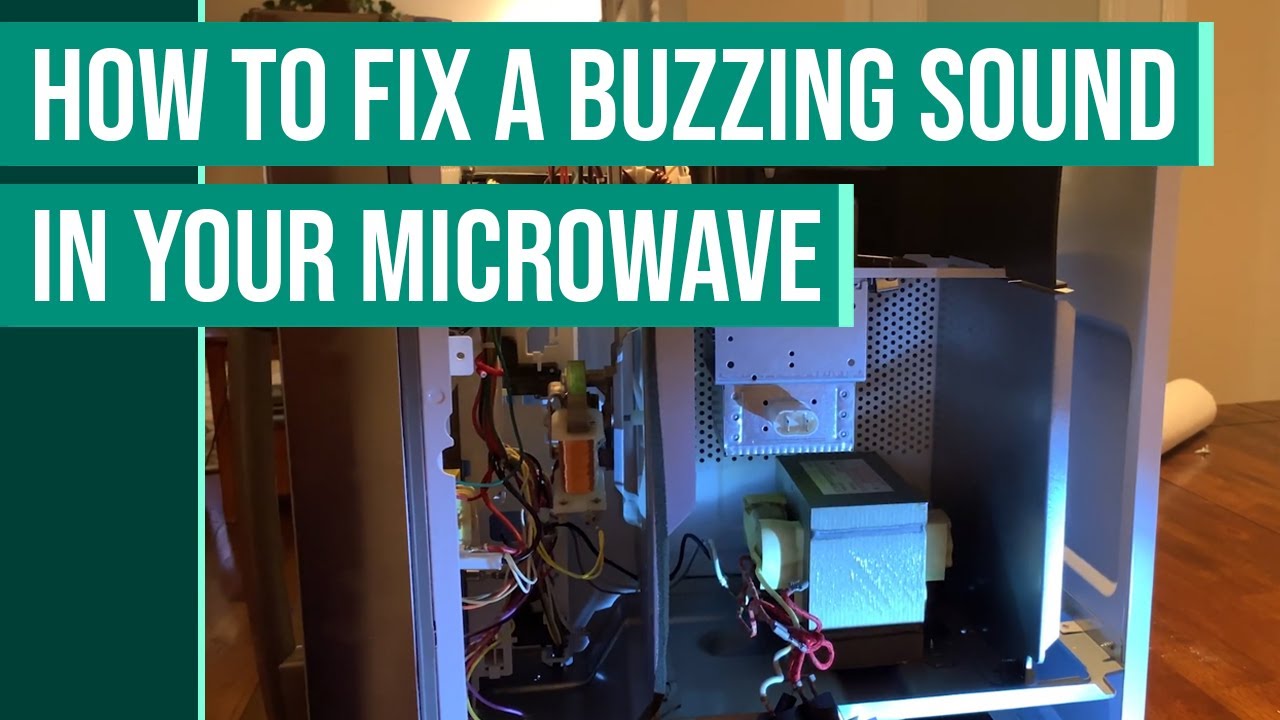
The magnetron is the heart of your microwave. It makes the microwaves that heat food. When a microwave is working, the magnetron always produces a humming sound. This is normal, but if the noise grows much louder, it could be a sign the magnetron is wearing out. A failing magnetron may also lead to uneven heating or no heating at all.
2. Cooling Fan
Microwaves have a cooling fan that keeps the magnetron from getting too hot. The fan runs whenever you use the microwave. Sometimes, dust or food debris gets caught in the fan, making it noisier. If the hum is coming from the side or top of your microwave, it may be the fan working harder due to a blockage. Cleaning around the vents can sometimes help.
3. Turntable Motor
Many microwaves have a turntable that spins your plate so food heats evenly. The small motor that turns the plate makes a quiet hum or whir. If the plate is off-center or something is blocking the wheels, the hum may become a grinding or louder sound. Make sure the turntable is seated correctly.
4. High Voltage Transformer
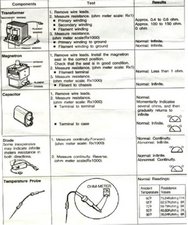
The high voltage transformer increases electricity to power the magnetron. This part can hum, especially in older units. A slight humming is normal, but loud buzzing or a burning smell means it’s time to unplug and call a repair technician. High voltage parts can be dangerous.
5. Door Interlock Switches
Microwave doors have interlock switches for safety. If a switch is loose or failing, you might hear clicking or humming when you open or close the door. Faulty switches can cause the microwave to run incorrectly, so don’t ignore this sound.
6. Loose Or Worn Parts
Over time, screws, panels, or internal parts can loosen due to vibration. This can cause extra humming, rattling, or buzzing. If the sound started suddenly after moving the microwave, check for loose screws on the outside. Never open the main case unless you are trained, as microwaves store high voltage even when unplugged.
7. Microwave Age
As microwaves get older, their parts wear out. Old motors, fans, and magnetrons can hum more loudly as they age. If your microwave is over ten years old and the humming gets worse, it may be time for a replacement.
When Is Humming A Problem?
Not all humming is a warning sign. But it’s important to know when sound means something is wrong. Here are signs your microwave’s hum needs attention:
- Sudden changes in noise: If your microwave starts making a much louder or different hum, something may be failing.
- Burning smell: This could mean an electrical problem. Stop using the microwave right away.
- Sparks inside the microwave: Arcing or sparking often comes with a loud hum and is a serious hazard.
- Microwave not heating food: A hum with no heat means the magnetron or transformer could be failing.
- Unusual vibrations: If the microwave shakes or moves, a part may be loose.
How To Troubleshoot A Humming Microwave
If you notice your microwave humming, follow these steps to find the cause:
- Unplug the microwave and let it cool down before checking anything.
- Inspect the turntable. Remove the plate and wheels. Clean out crumbs or debris, and make sure the plate is set correctly.
- Check the vents and fan area. Clean dust or grease from the outside vents using a soft brush or cloth.
- Test with no food inside. Sometimes, an empty microwave can make more noise. Always use a microwave-safe cup of water when running tests.
- Listen closely to locate where the hum is loudest (side, top, bottom). This can help you guess which part is making the sound.
- Check the power source. Make sure the plug fits tightly in the outlet. Loose connections can create odd sounds.
If the humming continues or gets worse, it’s best to call a professional. Never try to repair the magnetron, transformer, or high voltage parts yourself. These can hold a charge even after being unplugged and are very dangerous.
Credit: www.ifixit.com
Comparing Normal Vs. Problematic Humming
To help you decide if your microwave’s noise is normal, here’s a simple comparison:
| Sound Type | Normal? | What to Do |
|---|---|---|
| Soft, steady hum | Yes | No action needed |
| Loud or high-pitched hum | No | Check for loose parts, call technician |
| Humming with burning smell | No | Unplug and stop using |
| Humming with sparks | No | Unplug, do not use, call professional |
| Grinding from turntable | No | Check for debris or misalignment |
Common Microwave Models And Their Noise Levels
Different brands and models have different noise levels. Here’s a quick comparison of popular models and their typical sound profiles:
| Brand/Model | Noise Level (dB) | User Comments |
|---|---|---|
| Panasonic NN-SN966S | 52 dB | Quiet, soft hum |
| Sharp Carousel SMC1132CS | 54 dB | Normal hum, low vibration |
| GE JES1072SHSS | 56 dB | Slightly louder, strong turntable sound |
| Samsung MS14K6000AS | 53 dB | Consistent hum, quiet fan |
Most microwaves operate between 50–60 decibels during normal use, similar to normal conversation or background music. If your microwave is much louder, consider having it checked.
Credit: www.youtube.com
Safety First: When To Call A Technician
Microwaves are powerful appliances. If you’re not sure what’s causing the humming, it’s safest to ask an expert. Here are some signs you should not try to fix the microwave yourself:
- You smell burning or see smoke.
- You hear sparking or see arcs inside.
- The microwave stops heating food.
- The humming is joined by banging, rattling, or popping.
Microwave repairs often involve high voltage. Even unplugged, a microwave can hold a deadly charge. For your safety, leave repairs to trained professionals.
Preventing Unusual Microwave Noises
Good care helps your microwave last longer and work quietly:
- Clean the inside and outside regularly. Food splatters can block vents and fans.
- Check and clean the turntable and wheels. Keep them free of crumbs and spills.
- Don’t slam the door. This can damage interlock switches and cause humming.
- Don’t overload the microwave. Heavy or oversized items can strain the motor.
- Have your microwave checked if you move it. Moving can loosen parts.
These simple habits keep your microwave running smoothly and quietly.
Two Insights Many People Miss
Many people do not realize that running a microwave empty can cause loud humming and even damage. With no food to absorb the microwaves, energy bounces inside, which can break the magnetron and raise the noise level. Always have something inside, even if it’s just a cup of water, when testing.
Another often-missed point: Microwave age matters. Even if the microwave works, older models (over 10 years) may become noisier as their parts wear out. Sometimes, loud humming is the only warning before a breakdown.
Example: Real-life Microwave Humming Cases
Consider Sarah’s microwave that started humming loudly after seven years of use. She noticed the noise was coming from the side. After cleaning the vents and making sure nothing was blocking the fan, the noise dropped back to normal. In another case, John’s microwave began humming and stopped heating food.
A technician found the magnetron had failed and needed replacement.
These examples show that sometimes, a simple cleaning solves the problem, but other times, a professional repair is needed.
The Cost Of Repair Vs. Replacement
If your microwave is humming and needs repair, you may wonder if it’s worth fixing. Here’s a quick look at typical costs:
| Problem | Estimated Repair Cost | Should You Replace? |
|---|---|---|
| Magnetron replacement | $100 – $150 | If microwave is over 7 years old, consider replacement |
| Fan or turntable motor | $50 – $100 | Repair if unit is in good shape |
| Door switch | $50 – $80 | Repair if under 10 years old |
| Transformer issue | $120 – $200 | Replace if microwave is old or out of warranty |
When repair costs are more than half the price of a new microwave, it is often better to buy a new one, especially for older units.
Frequently Asked Questions
Why Is My Microwave Humming Loudly All Of A Sudden?
A sudden, loud hum may mean a part is failing, such as the magnetron or high voltage transformer. It can also be caused by something stuck in the turntable or fan. If the noise is much louder than before, unplug the microwave and have a technician check it.
Is It Safe To Use A Humming Microwave?
A soft, steady hum is normal. But if the humming is very loud, comes with a burning smell, sparks, or your food isn’t heating, stop using the microwave. High voltage parts can be dangerous. Safety always comes first.
Can A Dirty Microwave Cause Humming?
Yes. Food debris or grease can block the fan or get into the turntable area, causing extra noise. Cleaning the microwave inside and out can solve minor humming problems.
How Long Should A Microwave Last Before It Gets Noisy?
Most microwaves last 7–10 years with regular use. They may get noisier as they age, especially if used daily. Proper cleaning and care can help them stay quieter for longer.
Who Should I Call For Microwave Repairs?
Look for a certified appliance technician. Do not try to fix high voltage parts yourself. You can find qualified repair experts through the manufacturer’s website or trusted service providers. For more safety tips, visit the U.S. Consumer Product Safety Commission.
A microwave’s hum is usually nothing to worry about, but it can sometimes be a warning sign. By understanding the causes and knowing when to get help, you can keep your kitchen safe and your microwave running smoothly. Regular cleaning and simple checks go a long way in preventing problems.