Why Won’t My Microwave Heat Up
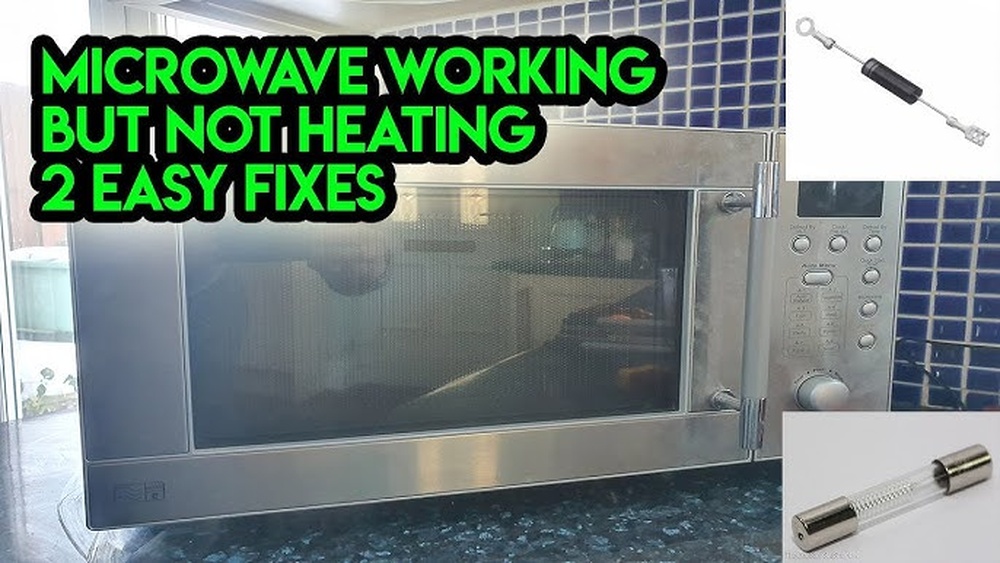
When your microwave suddenly stops heating, it can be very frustrating. You press the buttons, the light comes on, you hear the usual humming sound, but your food stays cold. This is a common problem that many people face at some point.
In most cases, the problem can be fixed if you understand what is causing it. Knowing the reasons why your microwave won’t heat up can save you time, money, and prevent safety risks. Let’s explore the main causes, how you can diagnose them, what you can fix yourself, and when you should call a professional.
How A Microwave Heats Food
Before looking at possible problems, it’s useful to know how a microwave works. Microwaves use a part called a magnetron to create microwave energy. This energy moves water molecules in your food, making them vibrate very fast. This vibration produces heat, which cooks your food quickly and evenly. If any part of this process fails, your food will not get hot.
Common Reasons Why A Microwave Won’t Heat
Several things can go wrong with a microwave, but some problems are much more common than others. Here are the main reasons:
1. Magnetron Failure
The magnetron is the heart of your microwave. If it fails, your microwave won’t produce any heat. Sometimes you might hear a buzzing noise or see a burning smell if the magnetron is broken.
Signs of magnetron failure:
- Microwave light turns on and plate spins, but food stays cold
- Loud humming or buzzing noise
- Burning smell (rare, but possible)
A magnetron cannot be repaired—if it’s faulty, it must be replaced. This is a job for a trained technician, as the magnetron holds high voltage even after the microwave is unplugged.
2. Blown High Voltage Diode
The high voltage diode works with the magnetron to convert electricity into the power needed to heat food. If the diode fails, the microwave won’t heat, but everything else may appear normal.
How to check:
If you are comfortable and know how to handle electronics, you can test the diode with a multimeter. But for most people, it’s safer to have a professional check it.
3. Faulty Door Switch
Microwaves have 2-4 door switches that stop the microwave from running if the door is open. If one switch fails, the microwave may not heat even if it looks like it’s working.
Symptoms:
- Microwave runs, but no heat
- Light or turntable does not work as expected
- Microwave does not start at all
Non-obvious insight: Even a small misalignment of the door can cause the switches to fail, so check if the door closes smoothly and completely.
4. Burned-out Capacitor
The high voltage capacitor stores electricity and helps power the magnetron. If it fails, the microwave cannot heat food.
Warning:
Capacitors can store a dangerous amount of electricity, even when unplugged. Never try to repair or touch this part yourself.
5. Defective Thermal Fuse Or Thermoprotector
A thermal fuse or thermoprotector cuts power if the microwave gets too hot. If this part fails, the microwave may run but not heat.
Tip:
If your microwave suddenly stopped heating after running for a long time, it could be a thermal safety issue.
6. Problems With The Control Board
The control board sends power to all microwave parts. If it’s faulty, the microwave may not send power to the magnetron.
Common signs:
- Microwave functions are unpredictable
- Display shows errors
- Buttons do not respond
7. Faulty Power Supply
If the outlet or power cord is damaged, the microwave may run on low power. This might make the light and fan work, but not the heating function.
Practical advice:
Try plugging another device into the same outlet to check for proper power.
8. Issues With The Turntable Motor
While the turntable motor itself does not heat food, if it fails, food may not heat evenly. Cold spots can make it seem like the microwave isn’t working properly.
9. Blown Internal Fuse
Microwaves have internal fuses to prevent fires or electrical damage. If one blows, the microwave may have power but won’t heat up.
10. User Error Or Incorrect Settings
Sometimes, the problem is not the microwave, but the settings. Accidentally setting the microwave to low power, or using the wrong function, can prevent proper heating.
Non-obvious insight: If your microwave has a “demo mode” (used in stores), it may run but never heat. Check your manual to be sure.
Diagnosing The Problem At Home
Most microwave issues can be grouped into three categories: power problems, door problems, and internal part failures. Here’s how to check each one safely.
Checking For Power Problems
- Unplug the microwave and plug it into a different outlet.
- Test the original outlet with another device.
- Inspect the power cord for damage.
If the microwave has no power at all, it’s likely a fuse, cord, or outlet issue.
Testing The Door
Open and close the microwave door several times. Does it click firmly? Does the light turn on and off correctly? If not, the door switches may be the issue.
Trying Different Settings
Set the microwave to full power and try heating a cup of water for 1-2 minutes. If nothing happens, and you are sure the settings are correct, the problem is likely internal.
Which Problems Can You Fix Yourself?
Some issues are simple and safe to check:
- Check the outlet and power cord.
- Reset the microwave by unplugging for 2-3 minutes.
- Clean the door seals and make sure the door closes fully.
- Review the settings to make sure you are not in demo mode or using too low power.
If you still have problems, it’s best to call a technician. Microwaves can hold dangerous electricity inside, even when unplugged. Many repairs require special tools and knowledge.
When To Call A Professional
If you suspect any of the following, do not attempt repair yourself:
- Magnetron, capacitor, or diode problems
- Strange smells, smoke, or sparks
- Repeated blown fuses
- Internal parts that require opening the case
A professional can safely diagnose and replace parts. Attempting repairs without training can cause serious injury.
Cost Comparison: Repair Vs. Replacement
Microwave repairs are not always cheap. Sometimes, buying a new microwave is the smarter choice. Here’s a quick comparison of typical costs:
| Problem | Typical Repair Cost | Buy New Microwave |
|---|---|---|
| Magnetron Replacement | $100 – $200 | $80 – $350 |
| High Voltage Diode | $50 – $100 | $80 – $350 |
| Door Switch | $50 – $90 | $80 – $350 |
| Control Board | $120 – $250 | $80 – $350 |
If your microwave is more than 5-7 years old, or the repair cost is over half the price of a new one, buying a new microwave is usually better.
How To Prevent Microwave Heating Problems
You can avoid many microwave problems by taking good care of your machine. Here are some practical tips:
- Never run empty: Running a microwave with nothing inside can damage the magnetron.
- Clean regularly: Food and grease around the door seals can stop the door from closing properly.
- Use microwave-safe containers: Metal or poor-quality plastic can cause sparks or damage.
- Don’t slam the door: This can break the door switches.
- Avoid overloading: Heating too much food at once can stress the machine.
A little care goes a long way in keeping your microwave working longer.
Real-world Example
Let’s look at a common story. Maria noticed her microwave was turning on, but her soup stayed cold. She checked the outlet and tried different settings—no luck. The door felt loose, so she cleaned the seal and made sure it snapped shut.
Still no heat. She called a technician, who found a failed magnetron. Since the repair cost was $150 and her microwave was already 8 years old, she decided to buy a new one instead. This saved her money and future problems.
Credit: www.whirlpool.com
Microwave Heating Vs. Other Problems
Not all microwave problems are related to heating. Here’s a comparison of what to look for:
| Symptom | Possible Cause | Heating Problem? |
|---|---|---|
| Light on, no heat | Magnetron, diode, or capacitor failure | Yes |
| No power at all | Blown fuse, bad outlet, power cord | No |
| Sparks inside | Metal object, bad waveguide cover | No |
| Food heats unevenly | Turntable motor, overloaded food | Sometimes |
This helps you decide if you should focus on heating or another type of problem.
Safety Warning
Microwaves can be dangerous if you try to fix them yourself. Even when unplugged, some parts can deliver a deadly shock. Always unplug the microwave before cleaning or checking the door. Leave any internal repairs to a trained technician.

Credit: www.youtube.com
Where To Find More Information
If you’re interested in learning more about how microwaves work or want more technical details, you can read about the science behind microwave ovens on Wikipedia.
Frequently Asked Questions
Why Does My Microwave Run But Not Heat?
This often means the magnetron or high voltage diode has failed. Both parts are needed to generate heat. Door switch issues can also cause this.
Can I Fix A Microwave That Won’t Heat Myself?
You can check the outlet, power cord, and settings. For most other problems, like the magnetron or capacitor, it’s safer to call a professional.
Is It Worth Repairing A Microwave That Does Not Heat?
If the repair cost is less than half the price of a new microwave and the unit is under 5 years old, repair might make sense. For older or cheaper models, buying new is often better.
What Causes A Microwave Magnetron To Fail?
Common causes are running the microwave empty, power surges, or natural wear over time. High voltage inside the microwave can also damage the magnetron.
Why Does My Microwave Heat Unevenly?
This is usually caused by a broken turntable motor or overloading the microwave. Try smaller amounts and make sure the turntable is spinning correctly.
When your microwave won’t heat up, it can be a small problem or a sign of a bigger issue. With the right information, you can decide if it’s something you can fix, or if it’s time to call in a professional.
Taking good care of your microwave helps prevent problems before they start, and keeps your kitchen running smoothly.