Why Would My Microwave Stop Working: Quick Fixes And Causes
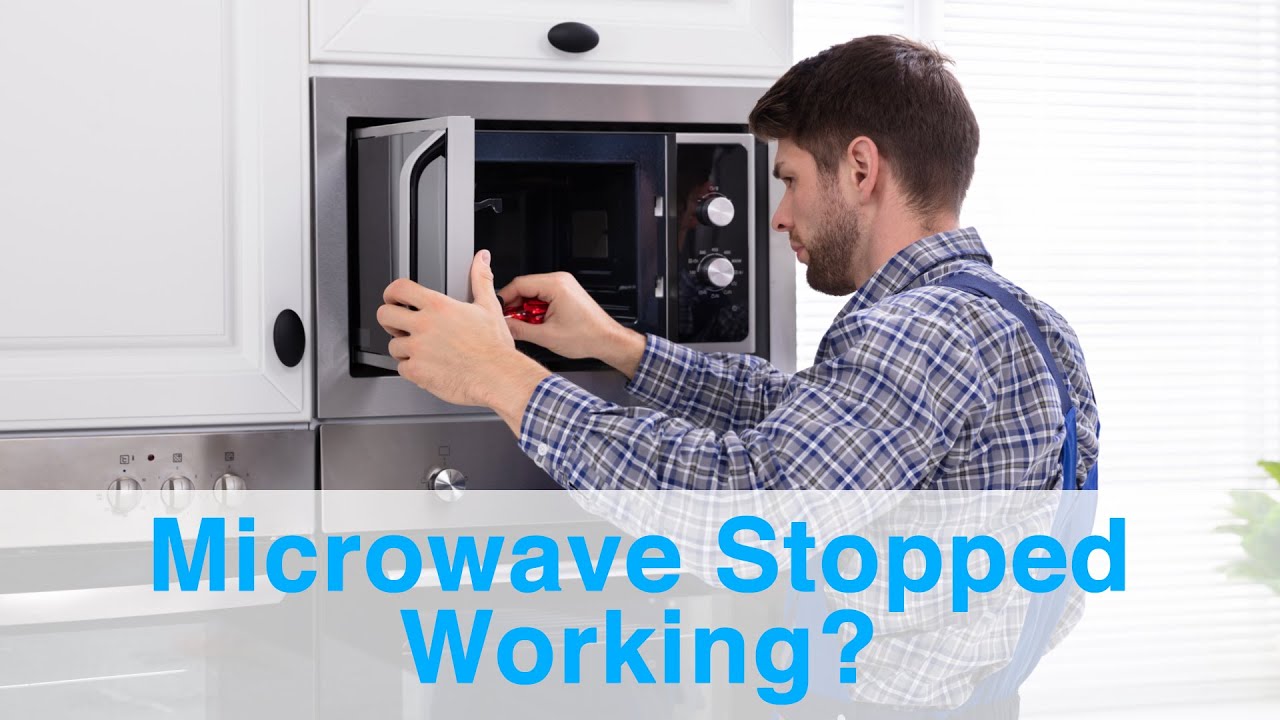
Most microwaves fail due to power issues, blown fuses, or faulty door switches.
If you’ve ever asked yourself why would my microwave stop working, you’re not alone. I’ve diagnosed countless units in homes and workshops, and the answer is often simpler than it seems. In this guide, I’ll walk you through real fixes, expert tips, and safe steps you can take now to get your microwave back on track—or know when to replace it.

How a microwave works (and why that matters)
A microwave is a simple system with a few key parts. Power comes in, the door switches confirm the door is closed, and the control board tells the high-voltage system to heat your food. If any part fails, you get no power, no heat, or odd behavior.
Knowing this helps answer why would my microwave stop working. Most failures trace back to power, interlocks, fuses, or the magnetron system. Understanding the chain lets you test in a smart, safe way.
Quick checks when you wonder: why would my microwave stop working
Start with the easy stuff. These checks fix many “dead” microwaves in minutes.
- Verify the outlet works. Plug in a lamp or phone charger to test it.
- Reset the breaker or GFCI. Kitchens often use GFCI outlets that trip.
- Check the plug. Make sure it is fully seated and not warm or loose.
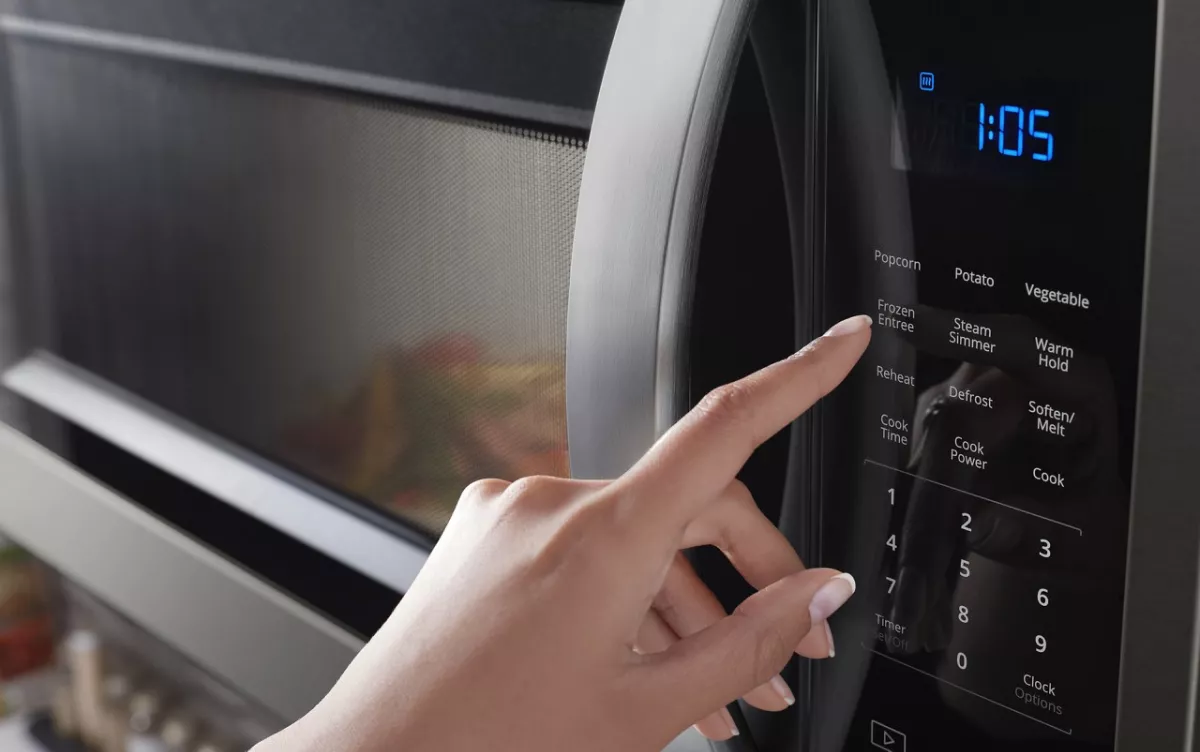
- Look for a child lock icon. Many models lock the keypad with a button combo.
- Confirm you are not in timer or demo mode. Demo mode runs the display but disables heating.
In my experience, at least one in five “dead” calls were an outlet or GFCI issue. These fast checks can solve why would my microwave stop working without tools.

Common reasons why would my microwave stop working
When simple checks fail, these are the usual suspects.
- Blown internal fuse. Power surges or short circuits pop the line fuse.
- Failed door switch or misaligned latch. If the door switch does not click, the unit stays off.
- Thermal cutoff tripped. Overheating triggers a safety cutoff to protect the magnetron.
- Faulty control board or relay. The brain fails, so nothing starts.
- Worn keypad or membrane switch. Buttons stop responding or respond at random.
- Burned power cord or outlet. Heat at the plug signals a dangerous connection.
- Moisture intrusion. Steam can condense and short parts after heavy use.
I’ve replaced more door switches and fuses than any other microwave parts. When someone asks why would my microwave stop working, those two are top of the list.

If it powers on but does not heat
No heat with lights and turntable working points to the high-voltage system.
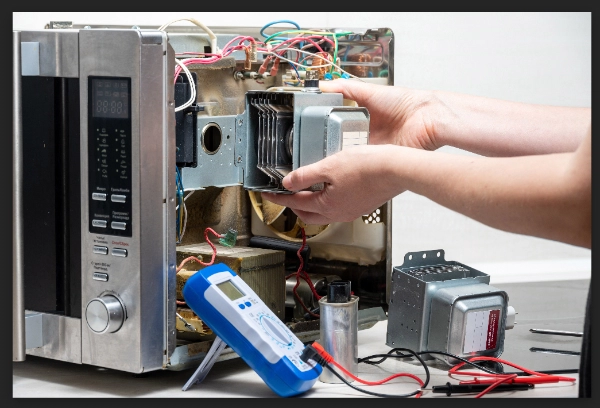
- Magnetron failure. The tube that makes microwaves can wear out with age.
- High-voltage diode failure. A shorted or open diode kills heat output.
- High-voltage capacitor failure. A bulged or leaking cap breaks the circuit.
- Failed transformer or inverter board. Inverter models can show error codes and no heat.
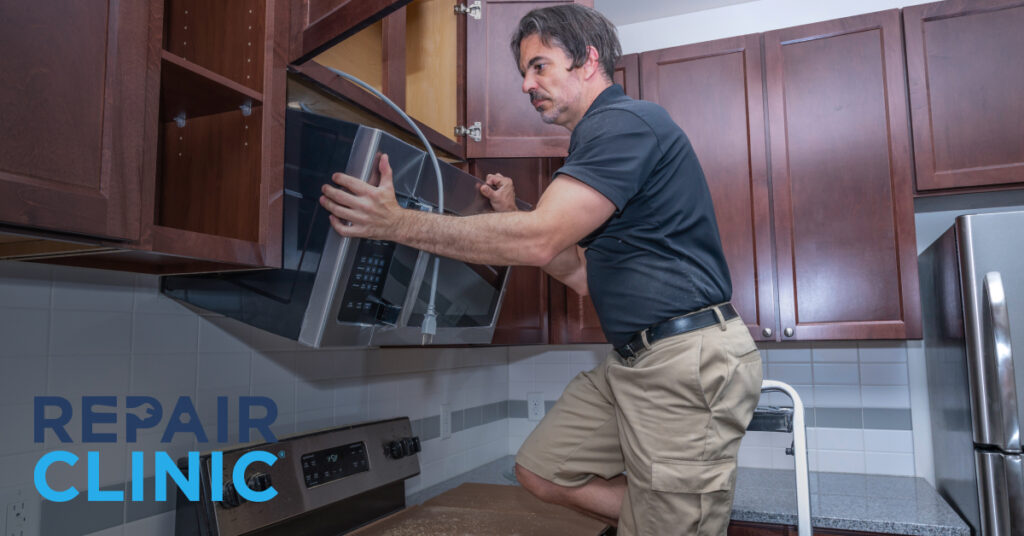
Important safety note: The high-voltage capacitor can store a lethal charge even when unplugged. If you need to open the cabinet, hire a pro. This is the most dangerous part of fixing why would my microwave stop working.
If the display, light, or buttons fail
Sometimes the microwave looks dead but is half-alive.
- Dim or dead display. Often a control board or power supply issue.
- Unresponsive keypad. A worn membrane or locked control panel can be the cause.
- Interior light out. A simple bulb on some models, but others wire it through a relay.
- Random beeps or ghost touches. Moisture behind the keypad or a failing control board.
A wipe-down can help if steam soaked the panel. Unplug for 10 minutes to reset. If that fixes it, moisture may be the reason why would my microwave stop working at random times.

Odd smells, sparks, or noise
Strange behavior is a red flag, but it often has a clear cause.
- Sparks or arcing. Metal trim, foil, or a chipped waveguide cover can arc.
- Burning smell. Charred food splatter under the waveguide cover smokes.
- Loud humming or grinding. A failing magnetron or turntable motor makes noise.
- Buzzing with no heat. Often the high-voltage diode or capacitor under load.
If you see sparks, stop and inspect the cavity and waveguide cover. Clean the interior and replace a burned cover. This alone can resolve why would my microwave stop working and sparking.
Repair vs replace: cost, age, and value
Not every fix is worth it. Here is a simple way to decide.
- Age under 5 years and the issue is a fuse, switch, or door latch: repair.
- Age 6 to 10 years with magnetron, inverter, or control board failure: compare costs.
- Parts costs vary. A fuse or door switch is low-cost. A magnetron or control board can cost as much as a new unit.
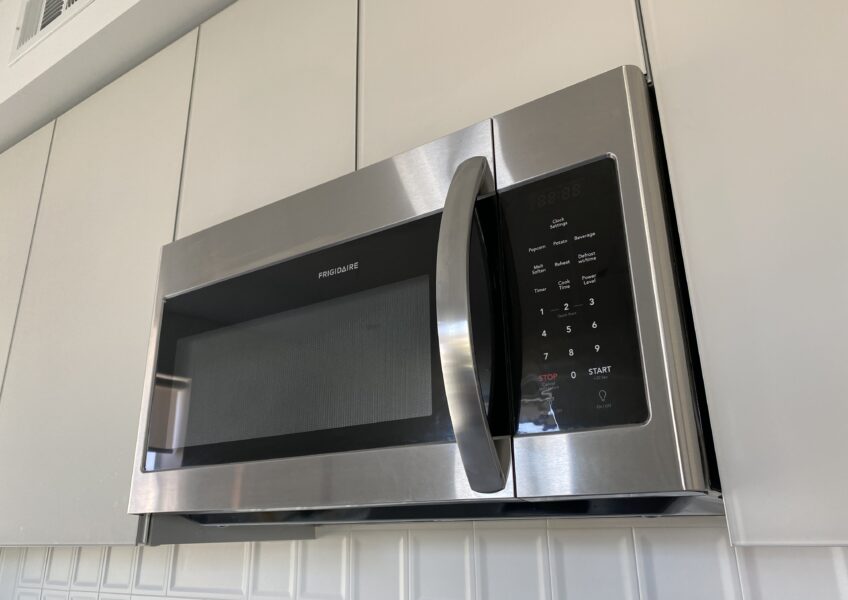
- Countertop models are often cheaper to replace. Built-in or over-the-range models are often worth repairing.
Average lifespan ranges from 7 to 10 years with normal use. When you ask why would my microwave stop working after 8 years, the honest answer may be age.
Prevention and care to avoid future failures
Small habits keep your microwave healthy.
- Keep vents clear. Do not block side or top vents with clutter.
- Clean splatters often. Grease and food residue can arc and overheat parts.
- Use microwave-safe cookware only. Avoid metal trim and cracked dishes.
- Do not run it empty. No load can stress the magnetron.
- Let it breathe. After long cooking, open the door to vent steam.
These steps reduce heat and moisture stress. They also cut down on why would my microwave stop working due to safety trips.

Step-by-step troubleshooting checklist
Use this safe, simple path before you call a pro.
- Unplug the microwave for one minute. Plug it back in to reset.
- Test the outlet with another device. Reset the breaker or GFCI if needed.
- Confirm door closure. Listen for a clean click from the latches.
- Check for child lock or demo mode in the manual.
- Try a 1-cup water test for 60 to 90 seconds. Assess heat, light, and turntable.
- If dead, consider a blown internal fuse. If not skilled, do not open the case.
- If it runs but no heat, assume a high-voltage issue. Stop and call a tech.
- Note symptoms and model number. This helps get the right parts and price.
Follow this path to narrow why would my microwave stop working without risking your safety.
When to call a pro (and safety you should not ignore)
There are clear lines you should not cross without training.
- The high-voltage system can be lethal. Do not discharge capacitors unless trained.
- If the fuse blows again after replacement, stop. There is a deeper fault.
- If the unit sparks inside the wall or smells like burning plastic, unplug and do not use.
- For built-in models, use a licensed installer or tech to avoid vent and mounting issues.
A good technician can test switches, fuses, and the magnetron quickly. If you still wonder why would my microwave stop working after basic checks, a pro visit may save time and money.
Frequently Asked Questions of why would my microwave stop working
Why would my microwave stop working all of a sudden?
Power loss, a tripped GFCI, or a blown internal fuse are common causes. Door switch failures can also shut everything down instantly.
Why does my microwave run but not heat?
That points to the magnetron, high-voltage diode, capacitor, or inverter. These parts need expert testing due to dangerous stored voltage.
Can I replace a microwave fuse myself?
You can on some models, but only if you can access it safely. Unplug first and avoid the high-voltage area; when unsure, call a pro.
Why does my microwave keep tripping the breaker?
A shorted component, overloaded circuit, or bad outlet can cause trips. Try a different dedicated outlet and have an electrician inspect the circuit.
Could the door switch be why would my microwave stop working?
Yes. If the switch does not signal “door closed,” the microwave will not start. A misaligned latch or worn switch is a common fix.
What is demo mode, and can it cause no heat?
Demo mode runs lights and beeps without heating to save energy in stores. Check your manual to turn it off if heating is disabled.
Is it worth fixing an 8-year-old microwave?
Often it depends on the part. Low-cost parts are worth it; expensive parts may not be, especially on countertop models.
Conclusion
When you ask why would my microwave stop working, start with power, outlet, and simple mode checks. Then consider the door switch, fuse, and moisture issues. If it runs but does not heat, stop and call a pro due to high voltage risks.
Use the checklist, keep vents clear, and clean often to prevent failures. If repair costs climb, compare with the price of a new unit and the age of yours. Ready to fix it fast? Try the steps above, bookmark this guide, and share your results or questions in the comments.