Why Would A Microwave Stop Working
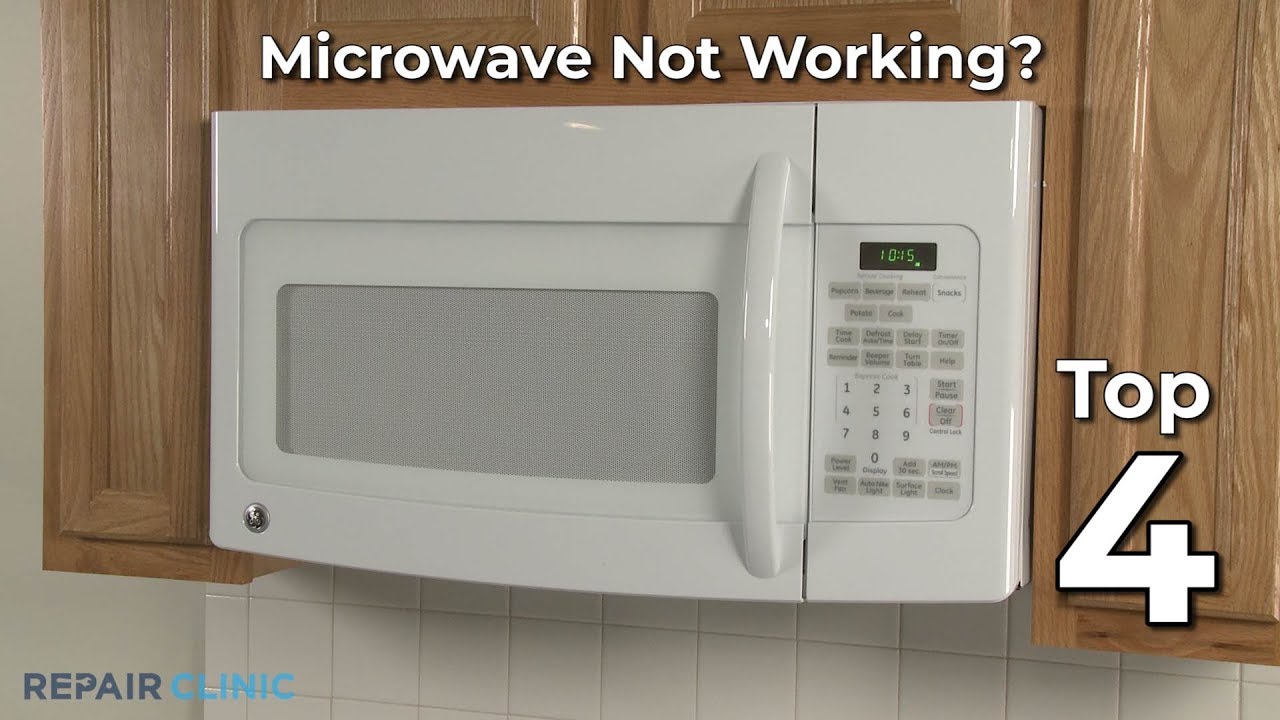
Most microwaves stop because of power issues, door switches, fuses, or overheating.
If you are asking why would a microwave stop working, you are not alone. I’ve diagnosed many dead or weak microwaves in homes and rentals. In this guide, I explain how these ovens fail, what to check first, and when to call a pro. You will get clear steps, real repair tips, and honest advice to save time and money.

How a Microwave Works in Simple Terms
A microwave heats food with radio waves. A part called the magnetron makes those waves. A high-voltage system powers it. Sensors and door switches keep you safe.
If any link in that chain fails, the oven may die, go dark, or stop heating. That is the core answer to why would a microwave stop working in most homes. Once you know the pieces, the clues make sense.

Quick Safety and First Checks
Safety comes first. Microwaves store high voltage even when unplugged. Do not open the cabinet. Leave internal parts to a trained tech.
Start with these safe checks:
- Unplug the unit for one minute. Plug it back in. A hard reset can clear glitches.
- Try a different outlet. Avoid power strips. They can trip or fail.
- Inspect the plug and cord for burns or kinks. Do not use a damaged cord.
- Confirm the door shuts flush. A loose latch stops everything.
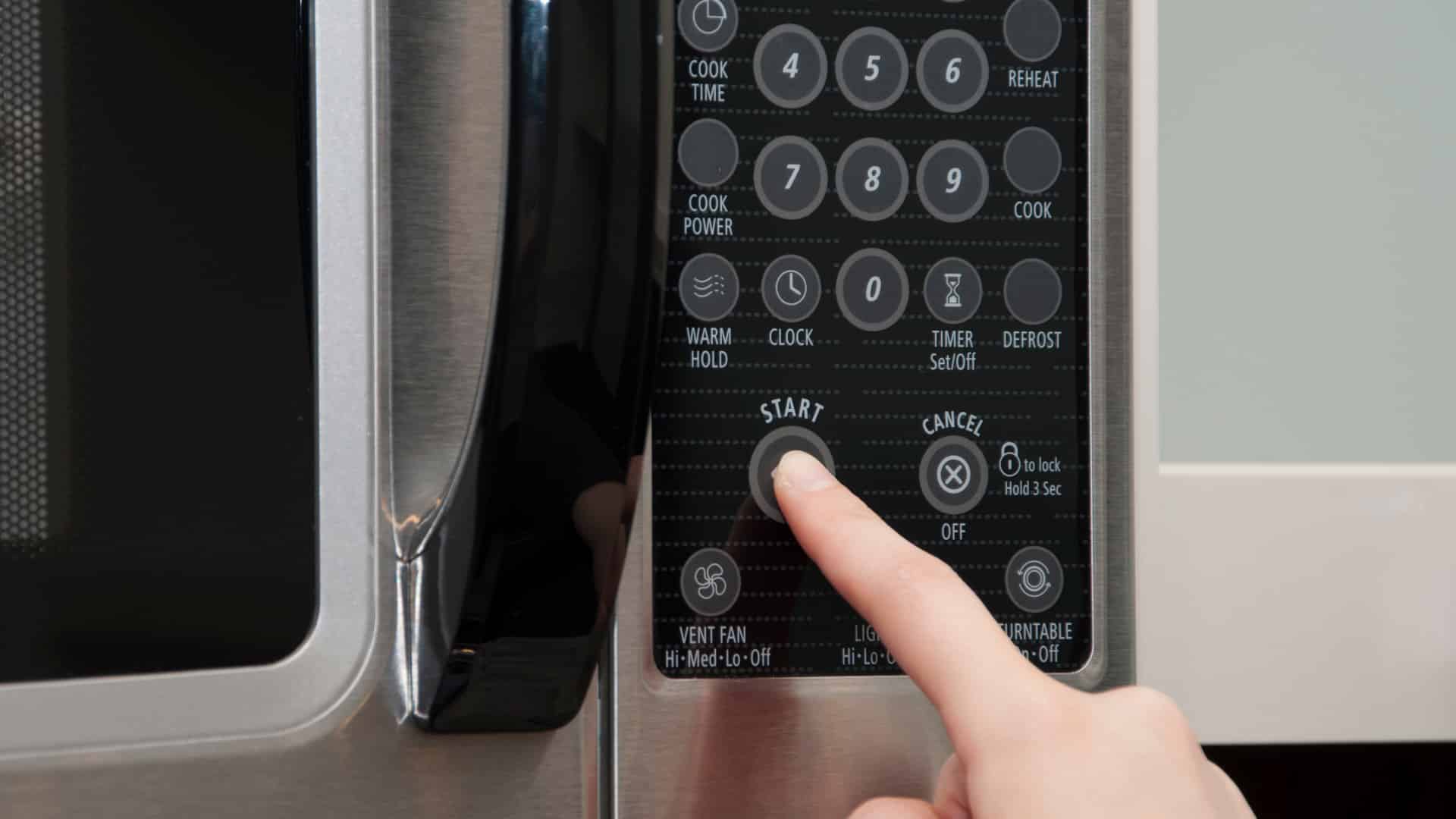
- Look for obvious errors on the display. Note any code for later.
These steps often solve simple cases of why would a microwave stop working. They also help you rule out bigger problems before you spend money.

Power and Electrical Issues
No lights, no beeps, no fan? Think power first. Many “dead” microwaves are fine, but the outlet is not.
Check these:
- Test the outlet with a lamp or phone charger. If it fails, reset the breaker.
- Look for a GFCI outlet on the same line. Press Reset.
- Avoid long extension cords. They drop voltage under load.
- If the breaker trips again, stop. A short may be present. Call an electrician.
In my work, this is a top reason people ask why would a microwave stop working. The oven was fine; the circuit was not. Fix the power path and the oven lives.

Door Latches and Interlock Switches
A microwave will not run if it thinks the door is open. The door has small switches that must agree it is closed. If one fails or the latch is worn, the oven will not start or stops mid-cycle.
Look for signs:
- The light and fan come on and off as you gently press the door.
- You hear clicking or buzzing, but no start.
- The turntable twitches, then stops.
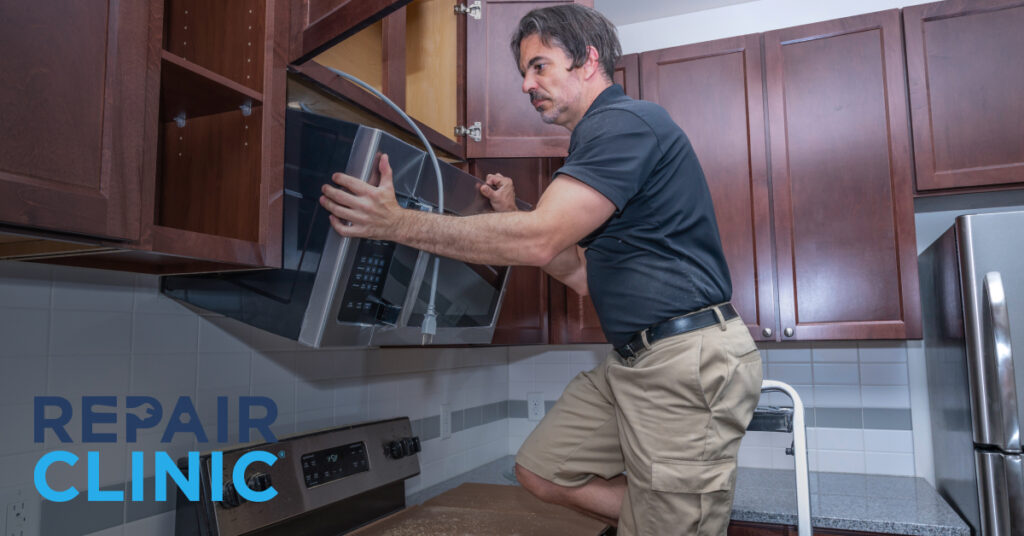
Do not open the cabinet to test switches unless you are trained. But you can:
- Clean the door area. Wipe away food that blocks the latch.
- Check for cracked hooks on the door.
- Close the door firmly, not hard. Slamming can break switches.
When people ask why would a microwave stop working after a slam, a door switch is often the reason.

Blown Fuse, Thermal Cutout, and Line Filter
If the microwave went dead during a cook, a fuse or thermal cutout may have opened. These are safety parts. They open during a surge or if heat rises too high.
Key points:
- Line fuse: Blows from a short, surge, or a failing door switch.
- Thermal cutout or thermostat: Opens when the cavity or magnetron overheats.
- Line filter board: Can fail from moisture or age.
These parts sit inside the cabinet and connect to high voltage. If you suspect them, do not poke around. A licensed tech can test them with a meter and replace them with exact-rated parts. This is a common cause behind why would a microwave stop working after a power spike.
Heating System Failures: Magnetron, Diode, Capacitor, Transformer
When the microwave runs but does not heat, the trouble is usually in the high-voltage path. The big players are the magnetron, high-voltage diode, capacitor, and transformer or inverter.
Common clues:
- Runs but stays cold: Bad magnetron or diode is likely.
- Loud humming, then shutoff: Could be the magnetron drawing too much.
- Burning smell: Stop using it. Safety first.
Important notes:
- These parts hold lethal voltage. Even unplugged, the capacitor can store a charge.
- Replacement costs vary. A magnetron plus labor can approach the price of a new unit.
- Many brands cover the magnetron for longer than the standard warranty. Check your manual.
If you wonder why would a microwave stop working even though the light and timer work, this system is where techs look first.

Turntable, Fan, and Odd Noises
Not all failures are full shutdowns. Sometimes the plate stops or the fan squeals. These parts matter because heat must spread evenly and parts must stay cool.
Watch for:
- Turntable not spinning: Check if the plate is seated. Clean the roller ring. If still dead, the motor or coupler may be worn.
- Fan not running: The oven may shut off to protect itself from heat.
- Rattles or grinding: Loose waveguide cover, worn motor, or a foreign object.
These signs help diagnose why would a microwave stop working partway through a cycle. Small mechanical faults can trip safety systems and stop the cook.
Overheating and Auto Shutoff
Modern microwaves protect themselves. If vents are blocked or the fan is weak, the unit can shut down mid-cook and come back after it cools.
Do this:
- Give it space. At least a few inches on sides and top for counter units.
- Clean grease filters on over-the-range models every month.
- Do not run it empty. That can overheat the magnetron.
Many readers ask why would a microwave stop working after a few minutes. The answer is often heat. Clear the airflow and the problem fades.
Control Board, Touchpad, and Software Glitches
Sometimes the brains freeze. A control board or touchpad can fail from moisture, wear, or a power surge.
Try:
- Unplug for 60 seconds to reset.
- Keypad test: Do some buttons work but not others? The membrane may be failing.
- Keep steam away. Use the range hood when boiling under an over-the-range unit.
If the display works but it will not start, control logic may be at fault. That also explains why would a microwave stop working without a clear mechanical issue.
Smart Models and Error Codes
Newer ovens show fault codes. They can point to sensors, overheat trips, or low voltage.
Helpful steps:
- Note the exact code. It speeds repair.
- Check the manual or brand site for what the code means.
- If the code returns after a reset, service is needed.
Error codes turn a vague search like why would a microwave stop working into a clear action plan. Use them.
Repair or Replace: Cost, Age, and Time
A microwave’s typical life is about 7 to 10 years with normal use. Past that, failures rise. Cost matters too.
Rules of thumb I use:
- Under 5 years old and a simple issue like a latch or filter: Repair is smart.
- Over 7 years, dead magnetron or control board: Replacement may cost less.
- Countertop units are cheaper to replace. Built-in or over-the-range units are often worth repair due to install costs.
Think about safety, parts access, and energy use. Asking why would a microwave stop working is also asking what is the best spend now and later.
Prevention and Care Tips
Small habits prevent big problems. Treat the microwave like any cooking tool.
Do this:
- Keep it clean. Spills can block vents and hurt switches.
- Use microwave-safe covers. They trap steam and reduce splatter.
- Do not run empty or with metal that arcs.
- Clean grease filters and check the turntable rollers.
- Plug it into a surge protector if the maker allows it. Many prefer a direct outlet; check your manual.
These steps cut down the odds that you will ask again why would a microwave stop working next month.
Real-World Examples and Lessons Learned
From years on the job, a few patterns stand out.
Stories worth sharing:
- A “dead” microwave came back after we reset a hidden GFCI on the other side of the kitchen. Power path wins again.
- A unit that stopped after two minutes had a clogged top vent with foil tape from a remodel. We cleared it, and it ran like new.
- A no-heat case was a failed high-voltage diode. The oven sounded normal, but food stayed cold. A simple part, but a dangerous area, so we handled it.
Each case answers why would a microwave stop working in a different way. Start simple, be safe, and escalate with care.
When to Call a Professional
Call a pro if you see or suspect:
- Burning smells, arcing, or smoke
- Tripped breakers that repeat
- Internal parts like the magnetron, diode, capacitor, or transformer
- Display codes that point to sensors or controls
Professionals have tools to discharge stored voltage and test parts. This is the safest way to resolve why would a microwave stop working when basic checks fail.
Frequently Asked Questions of why would a microwave stop working
Why does my microwave have power but won’t heat?
If it runs but stays cold, the high-voltage system may have failed. Common parts are the magnetron or diode, which need a qualified tech.
Why does my microwave stop after a few seconds?
That can be a door switch issue or overheating protection. Start by cleaning the door latch area and checking ventilation.
Can a blown fuse cause a dead microwave?
Yes. A line fuse can blow from a surge or internal short. A tech can test and replace it with the exact rating.
Is it worth repairing an old microwave?
If it is over seven years and needs a magnetron or control board, replacement may be better. For newer units with simple faults, repair often wins.
Why did my microwave trip the breaker?
A shorted component or overloaded circuit can trip it. Try a dedicated outlet; if it trips again, stop and call an electrician or appliance tech.
Can I fix a microwave by myself?
You can do safe checks like outlets, doors, and filters. Leave internal repairs to pros due to lethal stored voltage.
Why does my microwave smell burnt and shut off?
Likely overheating or arcing. Unplug it, clean inside, check vents, and schedule service if the smell returns.
Conclusion
Most microwave failures trace back to power, doors, heat, or the high-voltage system. Start with safe checks, listen to the clues, and keep vents clear. When in doubt, get a trained tech to protect your home and your health.
Put this guide to work today. Run the quick checks, note the symptoms, and decide if repair or replacement makes sense. Want more tips like this? Subscribe for updates or leave a question, and I’ll help you solve it.