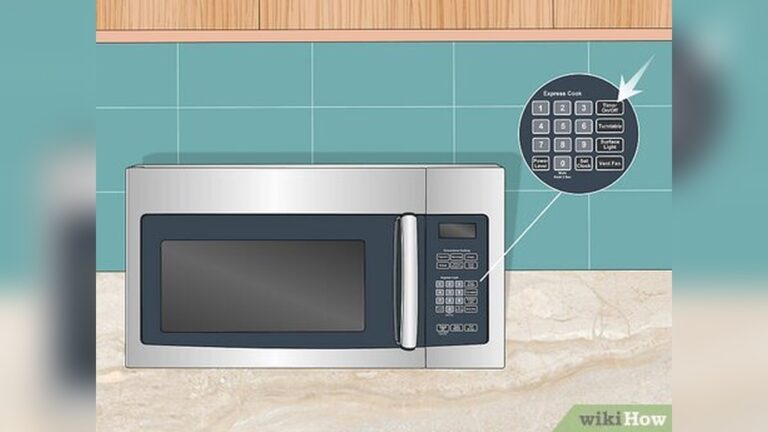
Why My Microwave is Not Heating: Top Causes and Quick Fixes
When you press the start button on your microwave, you expect your food to be hot in minutes. But sometimes, the plate just spins and the light comes on, but your meal stays cold. This can be confusing and frustrating, especially if you use your microwave every day.
Microwaves are found in almost every kitchen, but when they stop heating, many people feel lost. The good news is, you can often figure out what’s wrong without being an expert.
This guide will help you understand why your microwave is not heating. We’ll look at the most common causes, how to check for simple fixes, and when to call for professional help. Whether your microwave is old or new, understanding the possible reasons can save you time and money. By the end, you’ll know the key things to check, common mistakes to avoid, and what to do next.
How A Microwave Heats Food
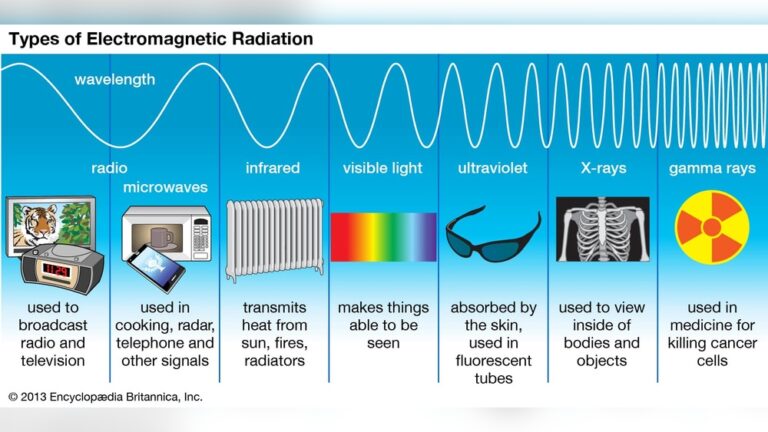
Before jumping into the problems, it helps to know how a microwave heats food. Microwaves use a part called a magnetron to create microwaves (a type of electromagnetic wave). These waves bounce around inside the oven and make water, fat, and sugar molecules in your food vibrate. This vibration produces heat, which cooks your food from the inside out.
If any part of this process fails, the microwave might run, but your food won’t heat up.
Common Reasons A Microwave Stops Heating
Many things can cause a microwave to stop heating. Here are the main ones:
1. Magnetron Failure
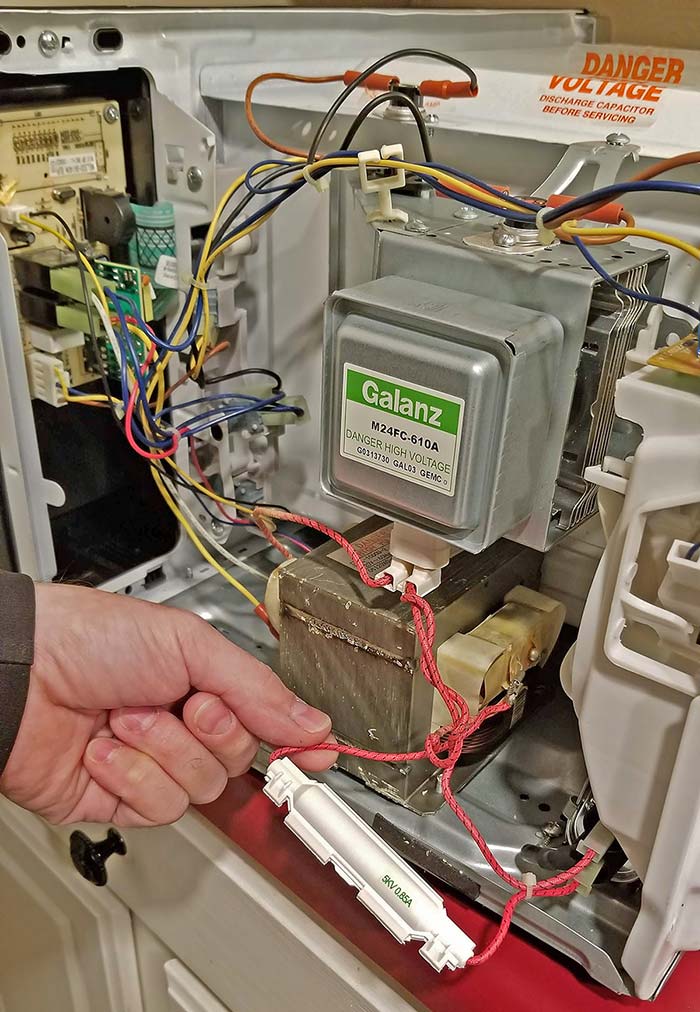
The magnetron is the heart of your microwave. If it stops working, the microwave won’t produce heat. You might still see the light and hear the fan, but no heat comes out.
- Why it happens: Magnetrons can fail from age, power surges, or running the microwave empty.
- Signs: No heating, buzzing or humming noise, burning smell.
Non-obvious insight: Sometimes, a magnetron can fail gradually, giving weaker and weaker heat before stopping.
2. High Voltage Diode Problem
The high voltage diode sends electricity to the magnetron. If it breaks, the magnetron won’t get enough power.
- Why it happens: Power surges, old age, or faulty parts.
- Signs: Microwave turns on but doesn’t heat; sometimes, a clicking noise.
Extra tip: Diodes are not visible from outside. Testing them safely requires special tools.
3. Door Switch Malfunction
Microwaves have door switches that stop the oven from running if the door is open. If a switch is broken, the microwave might not heat even if the door seems closed.
- Why it happens: Frequent slamming, wear and tear.
- Signs: Light stays on/off incorrectly, microwave doesn’t start, or starts but no heat.
4. Blown Internal Fuse
A fuse protects the microwave from electrical surges. If the fuse blows, the microwave may not heat or may not turn on at all.
- Why it happens: Power surges, faulty parts, or running the microwave with metal objects.
- Signs: Microwave is dead, or turns on but does not heat.
5. Faulty Capacitor
The capacitor stores and releases energy to the magnetron. If it fails, the magnetron won’t work.
- Why it happens: Age, power surges, or moisture.
- Signs: Humming sound, burning smell, no heat.
6. Defective Control Board
The control board (also called the smart board) tells the microwave what to do. If it’s faulty, it may send the wrong signals to the magnetron.
- Why it happens: Moisture, old age, manufacturing defects.
- Signs: Buttons don’t work, strange error codes, no heat.
7. Burnt Out Thermoprotector Or Thermostat
Microwaves have thermostats or thermoprotectors that shut the oven off if it gets too hot. If these are faulty, they may prevent heating even when the microwave is cool.
- Why it happens: Overheating, old age.
- Signs: Microwave starts but stops quickly, or doesn’t heat at all.
8. Problem With The Power Supply
If your microwave isn’t getting enough power, it won’t heat. Sometimes, the outlet or the power cord is the problem.
- Why it happens: Loose plug, bad outlet, damaged cord.
- Signs: Microwave turns off and on, or doesn’t start.
9. Faulty Door Latch
If the door does not close fully, the safety system will not let the microwave heat.
- Why it happens: Bent or broken latch, dirt blocking the latch.
- Signs: Door feels loose, microwave won’t start or heat.
10. Internal Wiring Issues
Loose or damaged wires inside the microwave can stop power from reaching the heating parts.
- Why it happens: Age, moving the microwave, or rodents.
- Signs: Inconsistent operation, sparks, or burning smell.
How To Troubleshoot A Microwave That Is Not Heating
If your microwave is not heating, here’s what you can do:
Step 1: Check Power And Settings
- Make sure the microwave is plugged in.
- Test the outlet with another device (like a lamp).
- Check the display for error codes.
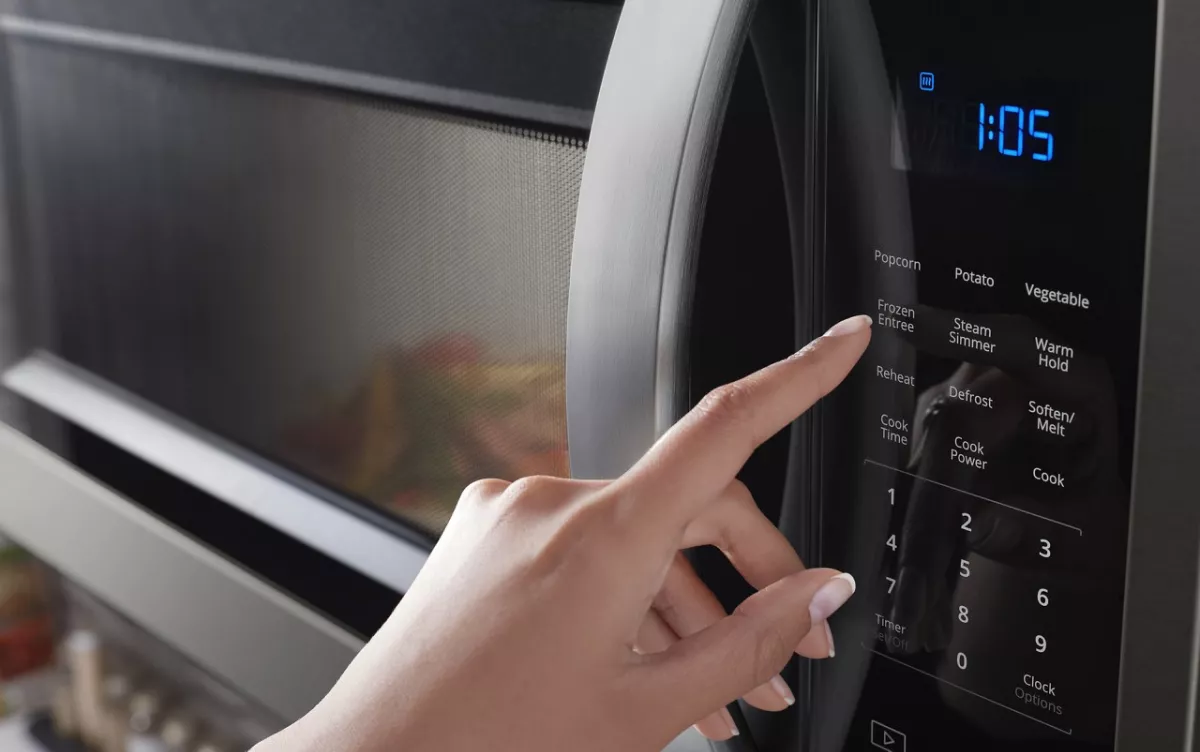
- Try a different heating setting or timer.
Step 2: Inspect The Door And Latch
- Open and close the door firmly.
- Listen for a click as you close the door.
- Look for dirt or food blocking the latch.
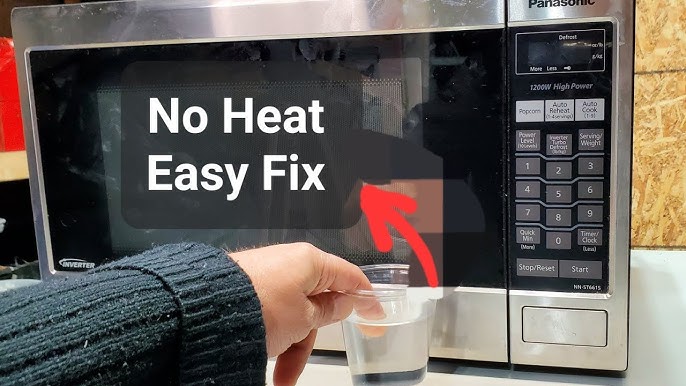
Step 3: Try A Simple Heat Test
- Place a cup of water in the microwave.
- Heat on high for 1 minute.
- If the water is still cold, the microwave is not heating.
Step 4: Smell And Listen
- Sniff for burning or electrical smells.
- Listen for unusual buzzing, humming, or clicking sounds.
Step 5: Check For Obvious Damage
- Inspect the power cord for cuts or burns.
- Look inside for any visible sparks, burn marks, or broken parts.
Important: Never open the microwave’s case unless you’re trained. Even when unplugged, microwaves can hold deadly voltage.
Common Mistakes People Make
Many people do things that can damage their microwave or make the problem worse:
- Running it empty: This can destroy the magnetron.
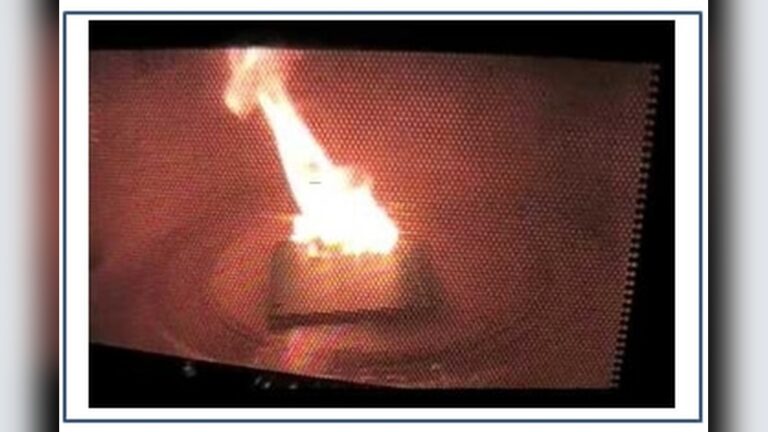
- Using metal objects: Spoons, foil, or metal-trimmed plates can cause sparks and damage.
- Ignoring strange smells or sounds: Early warning signs often mean a small problem is about to get bigger.
- Trying risky repairs: Opening the microwave is dangerous. The capacitor can hold a shock for months.
- Not checking the outlet: Sometimes, the problem is with your kitchen’s power, not the microwave.
Credit: thecuriousstones.com
When To Repair Or Replace
Not all microwave problems are worth fixing. Here’s a comparison of repair versus replace:
| Problem | Repair Cost (Average) | Replace Cost (Average) | Recommended Action |
|---|---|---|---|
| Blown fuse | $50-$100 | $100-$300 | Repair |
| Magnetron failure | $100-$200 | $100-$300 | Replace if old |
| Control board | $150-$300 | $100-$300 | Replace |
| Door switch | $50-$100 | $100-$300 | Repair |
Non-obvious insight: If your microwave is over 7 years old, and the repair costs more than half the price of a new one, replacement is usually smarter.
Is It Safe To Fix A Microwave Yourself?
Some small problems are safe to check—like cleaning the latch or testing the outlet. But for anything inside the microwave, it is better to call a professional.
- Why? Microwaves store high voltage, even after unplugging.
- Risks: Electric shock, fire, further damage.
If you’re not sure, always choose safety.
How To Prevent Microwave Heating Problems
You can avoid most microwave problems by following simple tips:
- Never run empty: Always put food or liquid inside.
- Don’t use metal: Use only microwave-safe dishes.
- Clean the door and latch: Wipe away grease and crumbs often.
- Avoid slamming the door: Gently close it to protect switches.
- Unplug during storms: Power surges can damage electronics.
- Check for recalls: Register your microwave with the maker for safety updates.
Comparing Common Microwave Problems
Here’s a quick look at how heating problems compare to other common microwave issues:
| Symptom | Most Likely Cause | Can You Fix? |
|---|---|---|
| Not heating | Magnetron, diode, fuse | Pro only |
| Plate not spinning | Turntable motor | DIY possible |
| Sparks inside | Metal, dirty waveguide | DIY clean/replace |
| No light | Bulb burned out | DIY possible |
Credit: www.whirlpool.com
What If My Microwave Still Works But Heats Slowly?
Sometimes, a microwave heats but not as fast as before. This could mean:
- The magnetron is weakening.
- The voltage from your outlet is low.
- The door is not fully closed, or the seal is worn out.
Tip: Try heating a cup of water for 2 minutes. If it’s not hot, your microwave is likely underperforming.
When To Call A Professional
Contact a qualified technician if:
- You smell burning or see sparks.
- The microwave is completely dead.
- You hear strange noises.
- The problem returns after a reset.
- You have tried all simple checks and nothing works.
Choose a repair service that is certified for your microwave brand.
Credit: www.youtube.com
Useful Resources
For deeper technical information, you can visit the Wikipedia page on microwave ovens for a full explanation of how they work.
Frequently Asked Questions
Why Does My Microwave Light Turn On But Not Heat Food?
This usually means the magnetron or high voltage diode is faulty. The microwave’s lights and fan may work, but no heat is produced if these parts fail.
Can I Fix A Microwave That Is Not Heating By Myself?
You can check the power outlet, door latch, and settings. But most heating problems involve high voltage parts, which are dangerous. For these, call a professional.
How Long Should A Microwave Last?
Most microwaves last 7 to 10 years with normal use. Using it carefully and cleaning it often can make it last longer.
Is It Worth Repairing An Old Microwave?
If your microwave is more than 7 years old and the repair is expensive, it’s often better to buy a new one. For minor problems, repair can be a good choice.
What Happens If I Use A Microwave With A Broken Magnetron?
The microwave will not heat food. Running it like this can cause more damage or even be unsafe. Stop using it and get it checked by a technician.
Having a microwave that doesn’t heat is annoying, but now you know the most common reasons and what steps to take. With careful checks and smart decisions, you can solve the problem or know when to get help. Don’t ignore warning signs, and always put safety first.
Your next hot meal might be just a simple fix away!