Why Microwave is Not Heating: Top Causes and Quick Fixes
Microwaves have become a kitchen staple for millions of people around the world. They save time, cook food quickly, and are usually easy to use. But sometimes, you press the start button and wait—nothing happens. The plate turns, the light is on, but your food stays cold.
If you’re facing a microwave that’s not heating, you’re not alone. Many people experience this issue, but the reasons behind it can vary. Understanding why your microwave is not heating is important for making smart decisions, avoiding unnecessary repairs, and keeping your kitchen safe.
Let’s explore the most common causes for this problem, how to spot them, and what you can do next. Whether you own a basic model or a fancy microwave with many features, this guide will help you find answers.
How Microwaves Work: Simple Explanation
Before diving into possible faults, it helps to know how a microwave heats food. Microwaves use microwave energy to make water molecules in your food move faster. This movement creates heat, which cooks the food from the inside out. The key parts involved are:
- Magnetron: Generates microwave energy.
- High Voltage Parts: Help the magnetron get power.
- Turntable: Rotates the food for even heating.
- Door Switches: Make sure the microwave only works when the door is closed.
If any of these parts fail, your microwave may stop heating.
Common Reasons Your Microwave Is Not Heating
1. Magnetron Failure
The magnetron is the heart of your microwave. If it stops working, your food will not get hot. Signs of magnetron failure include:
- Microwave runs, but food stays cold.
- Strange noises (buzzing, clicking).
- Burning smell from inside.
Usually, magnetrons fail due to age, power surges, or using the microwave with no food inside. Replacing a magnetron is not easy—it requires professional help and can cost between $100 and $200 for parts and labor.
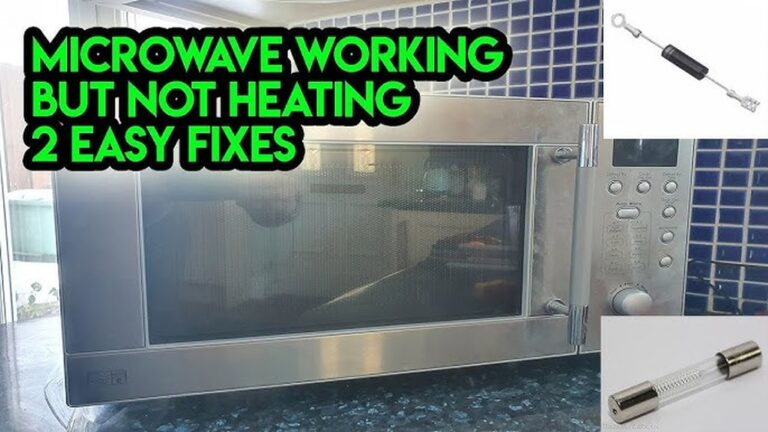
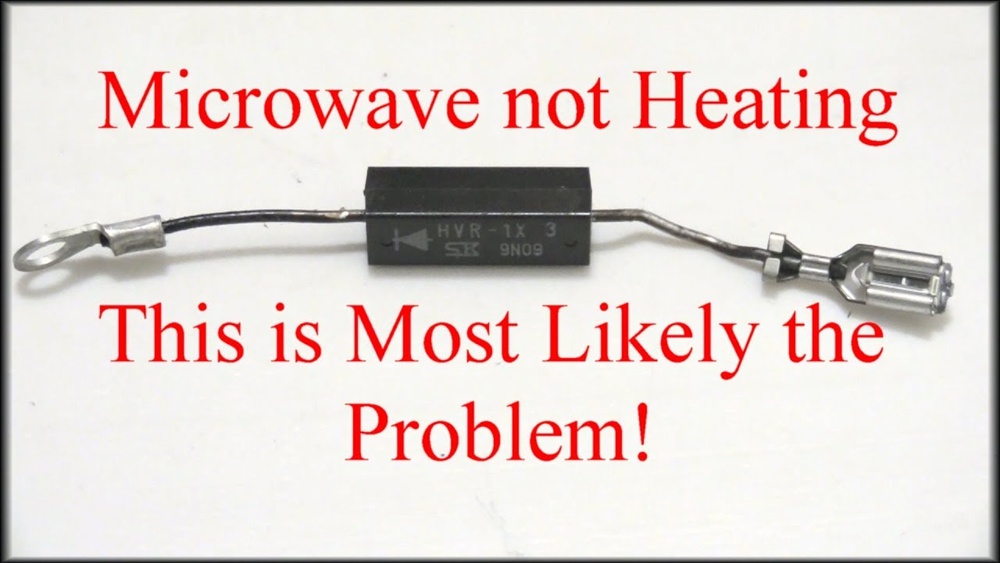
2. Faulty High Voltage Diode
The high voltage diode helps convert electricity for the magnetron. If it’s damaged:
- Microwave runs, but no heat.
- Sometimes, a loud humming noise.
This part is cheaper than the magnetron, but still requires some skill to replace. Diodes cost around $10–$20, but you may pay more for repairs.
3. Broken Door Switches
Microwaves have multiple door switches to ensure safety. If one switch fails, the microwave may run, but not heat. Common symptoms:
- Microwave doesn’t start when door is closed.
- Starts but doesn’t heat.
- Stops heating in the middle of a cycle.
Replacing door switches is usually simple and costs $5–$15 per switch.
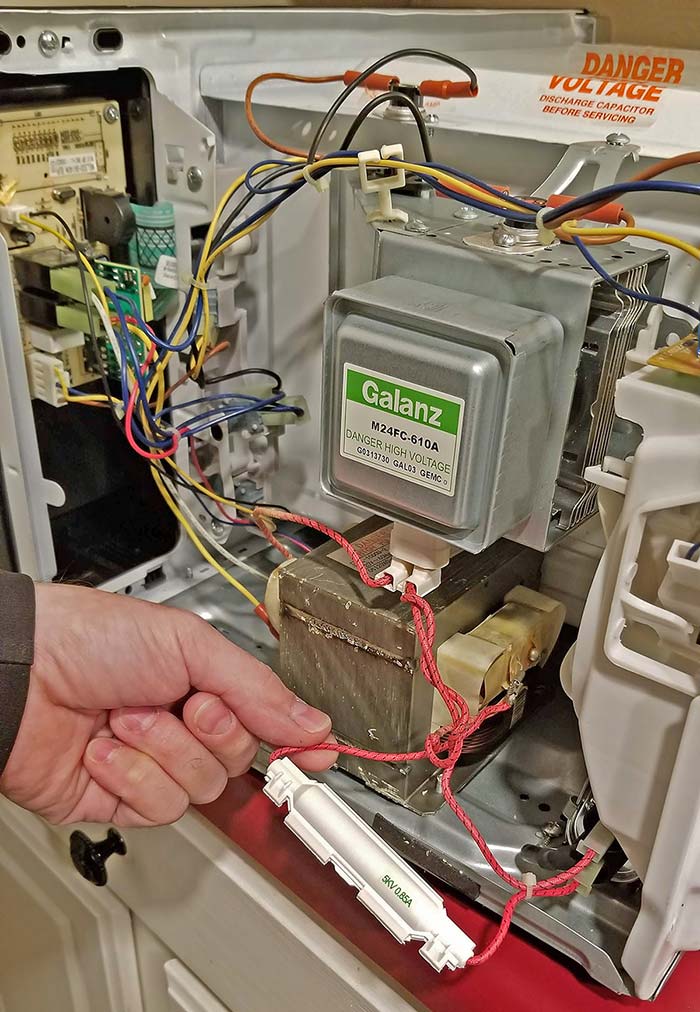
4. Burned Out Capacitor
The capacitor stores energy for the magnetron. If it’s burned out:
- Microwave operates, but food stays cold.
- Sometimes, loud popping sounds.
This fix is more technical. Capacitors cost around $15–$40. Only a trained technician should handle this part because it can carry a dangerous charge.
5. Defective Transformer
The transformer supplies the right voltage to the magnetron. If it fails:
- All lights and controls work, but no heating.
- Sometimes, the microwave may trip the circuit breaker.
Replacing a transformer can cost $50–$150. It’s not a DIY job for beginners.
6. Problems With Control Board
The control board manages all functions. If it’s defective:
- Microwave may not start at all.
- May start but not heat.
- Unusual error codes on display.
Control boards are expensive—sometimes $100 or more. Repairs should be handled by professionals.
7. Faulty Thermal Fuse
The thermal fuse is a safety part that cuts power if the microwave overheats. If it blows:
- Microwave turns on, but doesn’t heat.
- Sometimes, the microwave won’t power on.
Thermal fuses are affordable ($5–$10) but replacing them requires opening the microwave.
8. Issues With Power Supply
Sometimes, the problem is not inside the microwave. If the power supply is unstable:
- Microwave may run, but heating is weak or inconsistent.
- May shut off suddenly.
Check if your outlet is working, or try plugging the microwave into a different one. Power surges can cause damage.
9. Faulty Timer Or Settings
Occasionally, the issue is simple—wrong settings. If you set the microwave to “defrost” or “low power,” heating may seem weak. Always check the timer and power level before assuming a bigger problem.
10. Damaged Waveguide Cover
The waveguide cover directs microwave energy into the food chamber. If it’s cracked, burned, or dirty:
- Microwave may not heat properly.
- Sparking or burning smell.
Cleaning or replacing the cover solves this problem. Covers cost $5–$15.
11. User Mistakes
Many users make simple mistakes that stop the microwave from heating:
- Using containers not suitable for microwaves.
- Not closing the door properly.
- Overloading the microwave with too much food.
- Trying to heat dry objects (no water content).
Always follow manufacturer guidelines for best results.
Credit: thecuriousstones.com
Diagnosing The Problem: Step-by-step Guide
Finding the cause can be tricky. Here’s a simple approach:
- Check power and settings: Make sure the microwave is plugged in, outlet works, and power level is correct.
- Test with water: Heat a cup of water for 1–2 minutes. If it stays cold, the microwave is not heating.
- Listen and look: Watch for strange sounds, sparks, or error codes.
- Check the door: Open and close the door firmly. Look for broken latches or switches.
- Inspect the waveguide cover: Look for dirt, burns, or cracks.
- Try different containers: Only use microwave-safe containers.
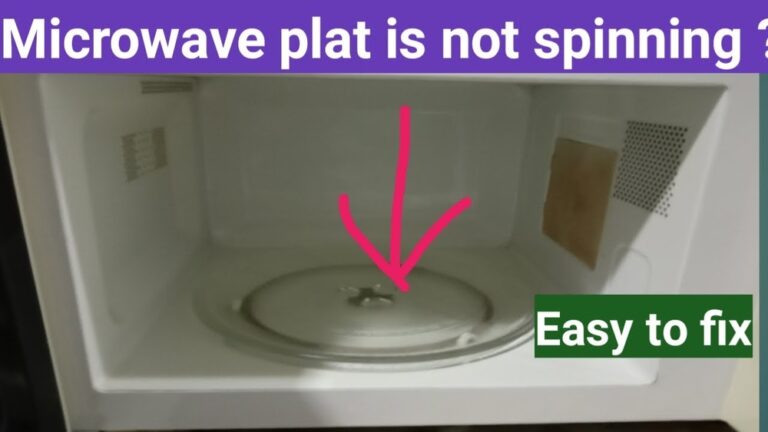
- Observe the turntable: If it’s not turning, food may not heat evenly.
If the microwave still doesn’t heat, it’s time to consider repairs.
Repair Vs. Replace: Making The Right Choice
Microwave repairs can range from simple to complex. Use these points to decide:
- Cost: If repairs cost more than half the price of a new microwave, replacement is better.
- Age: Most microwaves last 8–10 years. Older models may not be worth fixing.
- Safety: If you see sparks, burning smells, or hear loud noises, stop using the microwave and unplug it.
Here’s a comparison of average repair costs vs. replacement:
| Part | Repair Cost | New Microwave Cost |
|---|---|---|
| Magnetron | $100–$200 | $100–$300 |
| Door Switch | $5–$15 | $100–$300 |
| Control Board | $100+ | $100–$300 |
| Waveguide Cover | $5–$15 | $100–$300 |
If your microwave is over 8 years old and needs expensive parts, buying a new one is often smarter.

Credit: www.youtube.com
Common Mistakes When Trying To Fix A Microwave
Many people make errors when trying to fix a microwave. Here are some to avoid:
- Opening the microwave without unplugging it. Microwaves store electricity even when off.
- Touching high voltage parts. Capacitors can shock you.
- Using wrong replacement parts. Always use parts made for your model.
- Ignoring safety signs. If you see sparks or smell burning, stop immediately.
- Trying to fix complex problems yourself. Magnetron, transformer, and control board repairs require skill.
Always read the manual and consider professional help for serious issues.
How To Prevent Heating Problems In The Future
Simple habits can keep your microwave running smoothly:
- Use microwave-safe containers only.
- Don’t run the microwave empty.
- Clean the inside regularly to avoid food buildup.
- Close the door gently—slamming can break switches.
- Avoid overloading the microwave.
- Protect from power surges with a surge protector.
These steps reduce the risk of common faults.
When To Call A Professional
Some microwave repairs are safe for DIY, like replacing door switches or waveguide covers. Others need an expert:
- Magnetron, capacitor, transformer, and control board issues.
- If you’re unsure what’s wrong.
- If you see sparks, smell burning, or hear loud noises.
Professional repair costs more, but ensures safety. Always ask for an estimate before fixing.
Comparing Popular Microwave Brands: Reliability Data
Some brands are more reliable than others. Here’s a comparison:
| Brand | Average Lifespan | Heating Problems Reported (%) |
|---|---|---|
| Panasonic | 9 years | 7% |
| Samsung | 8 years | 9% |
| LG | 8 years | 8% |
| Sharp | 7 years | 11% |
| GE | 7 years | 10% |
Panasonic and LG microwaves tend to report fewer heating problems compared to Sharp and GE.
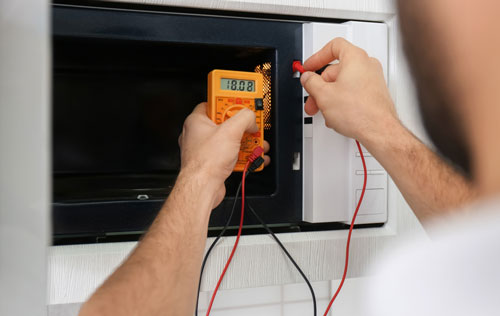
Credit: www.sickappliances.com
Is It Worth Repairing An Old Microwave?
Consider these factors:
- Repair cost: If parts are cheap and the microwave is less than 5 years old, repair can be smart.
- Age: Older than 8 years? Replacement is usually better.
- Frequency of use: If you use it daily, invest in a reliable model.
- Safety: Any signs of fire or shock risk? Replace immediately.
Always compare repair and replacement costs before deciding.
Frequently Asked Questions
Why Does My Microwave Turn On But Not Heat Food?
This usually means a problem with the magnetron, diode, or door switches. The microwave may run, but the energy that heats food is not being produced. You can test by heating a cup of water; if it stays cold, your microwave needs repair.
Can I Fix A Microwave That’s Not Heating Myself?
Some repairs like replacing door switches or waveguide covers are safe for DIY. But fixing parts like the magnetron, capacitor, or control board is dangerous. Microwaves store high voltage even when unplugged. If you’re not trained, call a professional.
How Much Does It Cost To Repair A Microwave That’s Not Heating?
Repair costs depend on the part. Simple fixes (door switches, covers) cost $5–$15. Complex repairs (magnetron, control board) can be $100–$200 or more. If the repair is expensive and your microwave is old, buying a new one may be wiser.
Is It Dangerous To Use A Microwave That Isn’t Heating?
Yes, it can be risky. Broken parts can cause sparks, burning smells, or even electric shock. If your microwave is not heating and you notice unusual signs, unplug it and avoid use until it’s checked.
What Is The Most Common Cause Of A Microwave Not Heating?
The most common cause is magnetron failure. This part wears out over time, especially if the microwave is used often or run empty. Door switch failure is also common, especially if the door is slammed shut.
If you want more technical details, you can read about microwave ovens on Wikipedia.
Microwaves are handy, but when they stop heating, it can be frustrating. By understanding the main reasons behind the problem and following smart steps, you can save time, money, and keep your kitchen safe. Whether you choose to repair or replace, always make safety your top priority.