Why Melamine Not Microwave Safe: Hidden Dangers Explained
Microwaves have changed the way people prepare food, making reheating and cooking much faster. Many households use different containers for this purpose, but not all materials handle microwave heat in the same way. Melamine is a popular plastic used for plates, bowls, and cups because it’s light, colorful, and affordable. But is melamine microwave safe? This question matters for your health and the lifespan of your tableware. Let’s explore why melamine should not go in the microwave, what happens if it does, and how to keep your kitchen safe.
What Is Melamine?
Melamine is a type of thermosetting plastic. It is made from the chemical compound melamine, which is combined with formaldehyde to create a resin. This resin is molded under high pressure and heat into durable, hard products. Common items include:
- Plates and bowls
- Cups and mugs
- Kitchen tools
- Some food containers
Melamine dishes are popular in homes, restaurants, and cafeterias. They are known for being shatter-resistant, lightweight, and dishwasher-safe. You’ll find melamine dinnerware in bright colors and patterns that don’t fade easily.
However, melamine is not like glass or ceramic. Its chemical structure reacts differently to heat, especially in microwaves.
How Microwaves Work With Different Materials
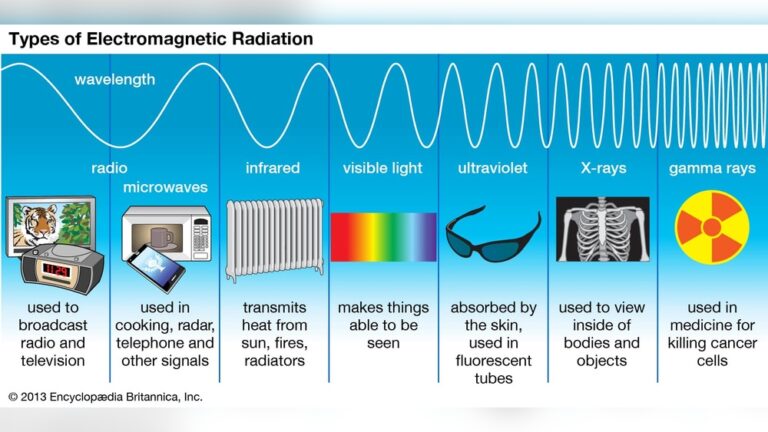
A microwave oven heats food by sending out microwave radiation. This energy makes water molecules in food move faster, which heats up the food from the inside. The microwave energy mostly passes through glass, ceramic, and some plastics, but the way materials react can vary:
- Glass and ceramic: Usually microwave safe if there are no metallic paints or trims.
- Certain plastics: Only microwave safe if clearly marked. Some plastics melt or release chemicals.
- Melamine: Not safe, even if it feels hard and heat-resistant.
The microwave doesn’t heat up the plate directly, but some materials can absorb energy or break down when exposed to high temperatures or microwave energy.
Why Melamine Is Not Microwave Safe
There are several key reasons why melamine should be kept out of the microwave:
1. Chemical Leaching
Melamine can release chemicals when heated, especially with hot or acidic foods. When melamine dishes are microwaved, the heat can break the chemical bonds in the resin. As a result, melamine and formaldehyde may migrate into your food.
Studies have shown that heating melamine at high temperatures increases the risk of leaching. This is more likely with:
- Oily or fatty foods (they get hotter)
- Acidic foods (like tomato sauce or citrus)
- Long heating times
Even though the amounts might be small, repeated exposure can be harmful.
2. Health Risks
Melamine exposure is linked to health concerns. Eating food with melamine, especially over time, can affect the body. Key risks include:
- Kidney stones: Melamine can form crystals with other compounds, leading to kidney stones or even kidney failure.
- Bladder problems: Animal studies show that melamine can damage the bladder.
- Potential cancer risk: Some studies suggest possible links, though more human research is needed.
Children, pregnant women, and people with kidney problems are most at risk. The World Health Organization and the US Food and Drug Administration warn against heating melamine with food.
3. Structural Damage
Melamine is strong, but not designed for microwave heating. When microwaved, melamine can:
- Warp or crack
- Discolor or fade
- Lose its smooth surface
This damage makes the plate weaker and can create small cracks where bacteria can grow. Damaged melamine also leaches more chemicals.
4. No “microwave Safe” Label
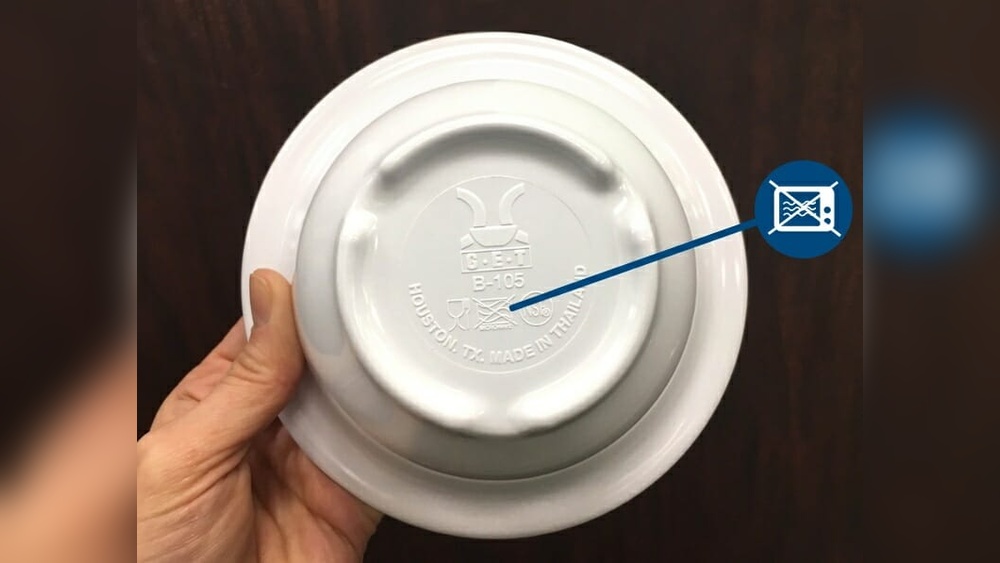
Most melamine products are not labeled as microwave safe. If you check the bottom of your plate or bowl and there’s no “microwave safe” symbol, it means the manufacturer does not recommend microwave use. Some products even have a clear warning against microwaving.
5. Misleading Heat Resistance
Melamine can handle hot foods, but this is not the same as handling microwave energy. Serving hot soup is fine; cooking or reheating food in melamine is not. The temperatures in a microwave can rise quickly, especially with thick or fatty foods, going beyond melamine’s safe limits.
What Happens If You Microwave Melamine?
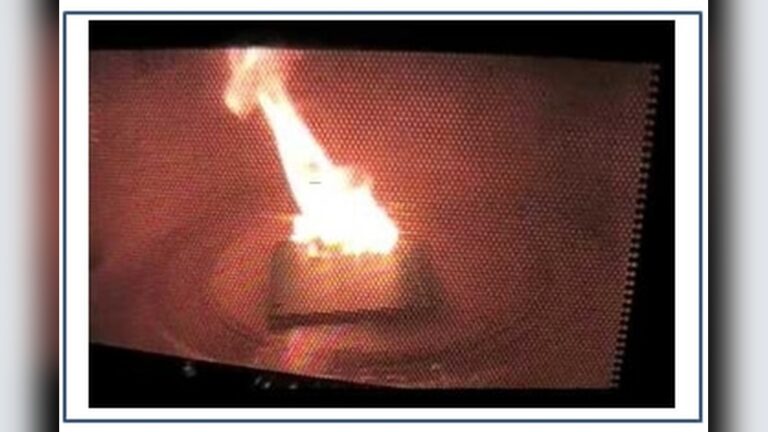
Many people have put a melamine plate in the microwave by mistake. The first time, nothing dramatic may happen. But repeated use can cause problems:
- Cracks or breaks: Over time, the plate gets weaker.
- Odors: Some users notice a chemical smell after microwaving.
- Cloudy appearance: The glossy finish fades or gets cloudy.
- Food contamination: Invisible chemicals may end up in your meal.
Some effects are easy to see, but the biggest risk is the invisible leaching of harmful chemicals. Even small exposures add up over time, especially with daily use.

Credit: www.amazon.com
Data: Melamine Vs Other Microwave Materials
To show how melamine compares to other materials in the microwave, look at this comparison:
| Material | Microwave Safe? | Typical Problems |
|---|---|---|
| Melamine | No | Chemical leaching, warping, cracks |
| Ceramic | Yes (if unglazed/painted) | Can get hot, may crack if thin |
| Glass | Yes | Can shatter if rapid temperature change |
| Microwave-safe plastic | Yes | Can warp if overheated |
| Metal | No | Sparks, fire hazard |
Real-world Examples And Reports
Health agencies around the world have warned about melamine use in food contact materials. In 2008, a milk scandal in China involved adding melamine to baby formula, which led to thousands of kidney problems in children. While this was about direct contamination, it highlights that melamine is not a food-safe chemical at high exposure.
Research by the US FDA found that when melamine dinnerware is heated above 160°F (about 71°C), more melamine migrates into food. Everyday microwaving often goes above this temperature, especially with thick or oily foods.

Credit: www.pfaltzgraff.com
Non-obvious Insights About Melamine And Microwaves
Many people don’t realize that microwave ovens can heat food unevenly. This means parts of your meal might get much hotter than others, increasing the risk of melamine breakdown at certain spots on the plate.
Another fact: Not all plastics are the same. Some people think any hard plastic is safe, but only products labeled “microwave safe” have been tested for this use. Melamine, even if it feels sturdy, is not in the safe category.
Safe Alternatives To Melamine In The Microwave
Instead of using melamine, choose materials that are tested and approved for microwave use. Good options include:
- Glass containers: Borosilicate glass (like Pyrex) is durable and doesn’t leach chemicals.
- Ceramic dishes: As long as they are unpainted and don’t have metallic trim.
- Microwave-safe plastics: Look for the microwave symbol. Avoid thin or single-use plastics.
- Paper plates: Simple, plain ones (without plastic coating) are usually safe for short heating.
Here’s a quick look at common kitchen items:
| Item | Microwave Safe? | Why/Why Not |
|---|---|---|
| Melamine plate | No | Leaches chemicals at high heat |
| Glass bowl | Yes | Handles heat, no chemicals released |
| Plastic takeout container | No (usually) | May melt or warp, not tested for reuse |
| Porcelain mug | Yes | Safe unless metallic paint |
| Paper plate | Yes (plain) | Does not melt or leach chemicals |
How To Tell If A Dish Is Microwave Safe
If you’re not sure, here are practical steps:
- Check the bottom: Look for a microwave symbol (wavy lines) or words like “microwave safe.”
- Test it: Put the empty dish in the microwave with a cup of water. Heat for 1 minute. If the dish stays cool and the water is hot, the dish is likely safe. If the dish gets hot, don’t use it.
- Read packaging: When buying new dishes, look for clear labeling.
Never assume a dish is microwave safe just because it looks strong. When in doubt, use a glass or ceramic container.
What To Do If You Accidentally Microwaved Melamine
If you’ve microwaved melamine by mistake:
- Don’t panic. One-time use is unlikely to cause harm.
- Don’t use the dish again for microwaving.
- Check for damage. If there are cracks or discoloration, stop using it for food.
- If you notice a chemical smell or taste, throw the dish away.
For repeated use, the risk of chemical exposure builds up. It’s better to be safe and replace damaged melamine.
Other Common Mistakes With Melamine
People sometimes use melamine for tasks it’s not designed for, including:
- Using melamine in a conventional oven or toaster oven
- Placing melamine on a stovetop burner
- Running melamine through high-heat sanitizing cycles in commercial dishwashers
All these uses can damage melamine and increase chemical leaching. Melamine is best for cold or room-temperature foods, or serving hot foods (not cooking or reheating).
How To Use Melamine Safely
Melamine is a great choice for outdoor dining, parties, and daily use—just follow these safety tips:
- Only use melamine for serving, not cooking or reheating.
- Wash melamine by hand or in a dishwasher (top rack is safer).
- Do not use for very oily, acidic, or salty foods if you plan to serve them hot.
- Replace melamine dishes that are cracked, faded, or chipped.

Credit: www.amazon.com
Official Guidelines And Standards
Agencies like the US FDA and the European Food Safety Authority have set limits for melamine migration into food. Manufacturers must follow these limits, but these are based on normal use—not high heat like microwaving. For more details about global guidelines, see Wikipedia’s melamine page.
The Bottom Line
Melamine is not microwave safe. It may look tough, but its chemical structure cannot handle microwave energy without risk. The main dangers are chemical leaching and possible health effects, especially with repeated use. If you want to keep your family safe and your dishes looking good, stick to glass, ceramic, or microwave-safe plastics for reheating food. Use melamine for serving, snacks, and cold foods—never for cooking in the microwave.
Frequently Asked Questions
Can I Use Melamine In The Microwave For Just A Few Seconds?
No, it’s not recommended. Even short microwaving can start to break down melamine, especially with hot or fatty foods. The risk of chemical leaching starts right away, not just after long use.
What Happens If Melamine Gets Hot In The Microwave?
If melamine heats up, it may warp, crack, or release chemicals into your food. You might notice a chemical smell, or the plate may lose its shine. Over time, the risks get higher.
Is Melamine Safe For Hot Food If Not Microwaved?
Yes, melamine can be used to serve hot food that was heated elsewhere. It’s safe up to about 160°F (71°C). Just don’t use it for cooking or reheating.
How Do I Know If My Dishes Are Melamine?
Melamine is usually hard, lightweight, and often has bright colors or patterns. Check the bottom for the word “melamine” or a recycling code like “7”. If unsure, look up the brand or ask the seller.
Is All Plastic Unsafe In The Microwave?
No. Only use microwave-safe plastic labeled as such. Melamine and many other plastics are not safe. Glass and ceramic are safer choices if you’re not sure.
Melamine is a useful material, but not for the microwave. Make the switch to safer options and you’ll protect your health and your kitchenware.