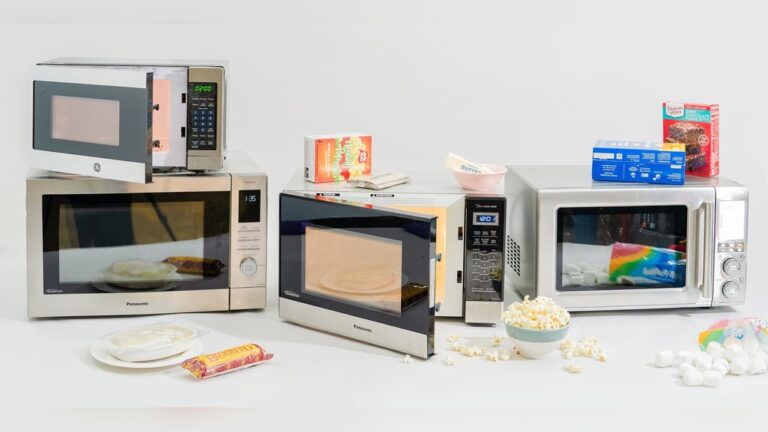
Why Isn’t My Microwave Working: Troubleshooting Guide
Most microwave failures come from power issues, door switches, fuses, or control faults.
If you are asking why isn't my microwave working, you are not alone. I have helped many people track down this simple but nagging problem. In this guide, I share easy checks, careful safety steps, and clear signs for repair or replacement. You will learn how to diagnose smart, avoid risks, and fix what you can with confidence.
Common symptoms and what they mean
If you are thinking, why isn't my microwave working, start with the symptom. The symptom points you to the likely cause. Use these clues to narrow it down fast.
- No power at all. Likely a tripped breaker, bad outlet, or a blown internal fuse.
- Lights and fan work, but food stays cold. Often a power level set low, a bad door switch, or a failed magnetron or high voltage part.
- It starts, then stops. Possible door latch issue, overheating, or a bad thermal fuse.
- Sparks or burning smell. Metal in the cavity, a dirty or cracked waveguide cover, or arced diode.
- Turntable not spinning. Likely a turntable motor, roller ring, or plate misaligned.
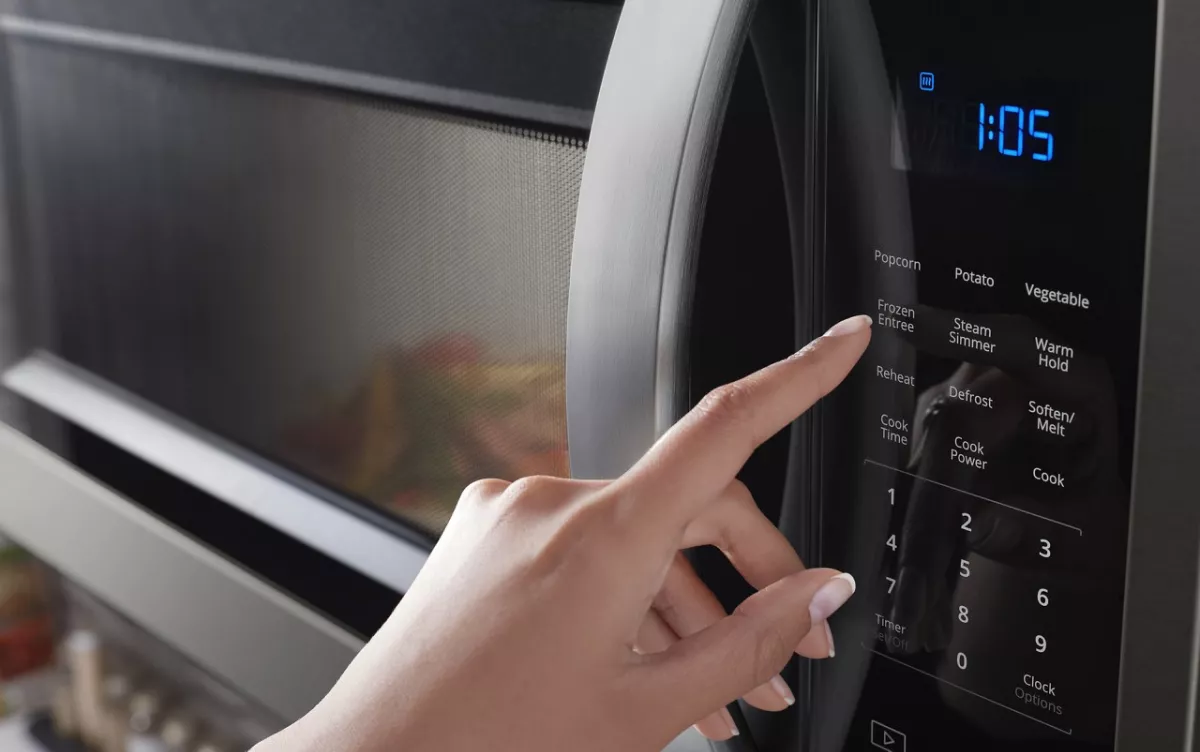
- Keypad or display frozen. Child lock on, failed control board, or membrane switch fault.
A quick symptom check can answer why isn't my microwave working without opening the case. If a symptom suggests high voltage parts, stop and call a pro.
Safety first
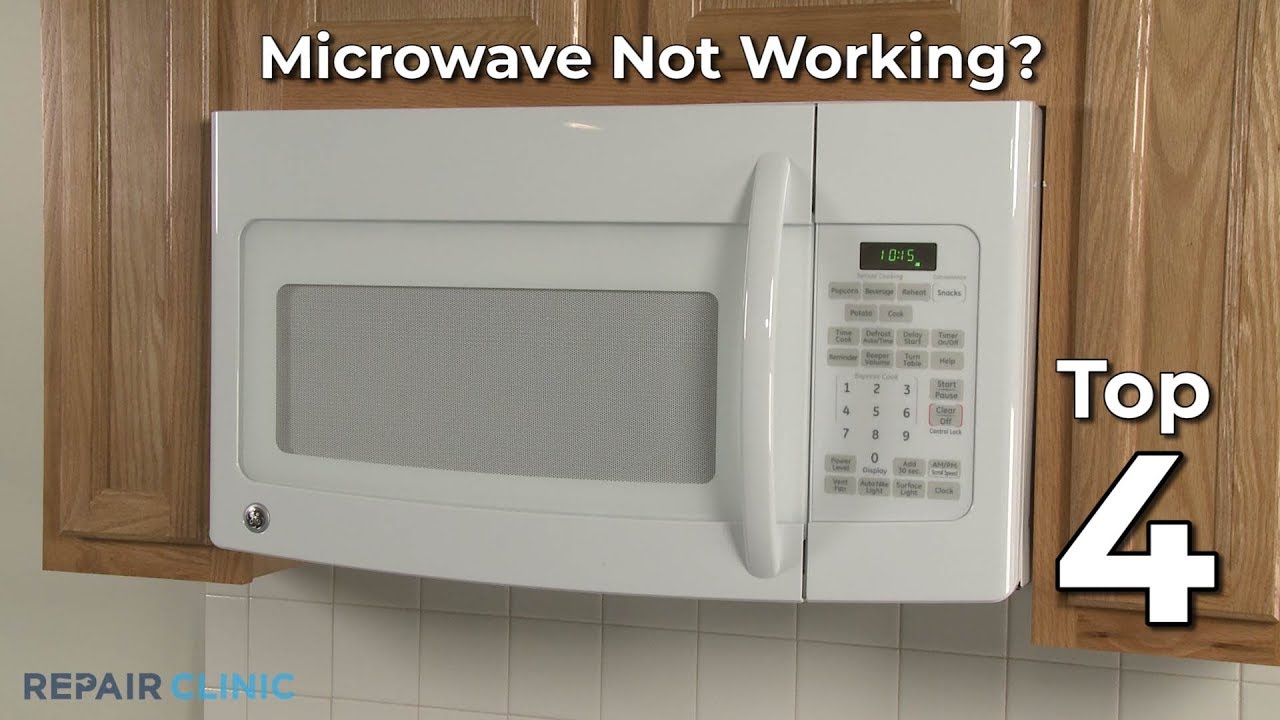
Microwaves store high voltage even when unplugged. The capacitor can hold a dangerous charge. If you need to ask why isn't my microwave working and suspect a part inside, do not open the cabinet unless you are trained.
- Unplug the microwave before any external check.
- Never reach inside the case. The high voltage section is unsafe.
- Do not run the unit empty. This can damage the magnetron.
- If you see smoke, sparks, or smell burning, stop and unplug it.
These steps prevent injury and worse damage while you test.

Step-by-step troubleshooting you can do now
These tests are simple, safe, and solve many cases of why isn't my microwave working. Do them in order. I see these fix most units in the field.
Check power and outlet
- Test the outlet with a lamp. If it does not light, reset the breaker.
- If the outlet is GFCI, press Reset.
- Try another known good outlet on a different circuit.
- Inspect the plug and cord for damage.
Check door and controls
- Open and shut the door with a firm, gentle close. Misaligned latches cause many failures.
- Look for crumbs or grease around the latch and clean it.
- Make sure child lock is off. Look for a lock icon or try holding Stop for three seconds.
- Confirm you pressed Cook, not Timer. Timer mode makes it count down with no heat.
- Set power level to 100 percent. Low power can make food stay cold.
Check heating
- Place a mug of tap water inside. Heat for 60 seconds on High.
- If water does not warm, note if the light, fan, and turntable run.
- If it runs but does not heat, the high voltage system may have failed. This often answers why isn't my microwave working when everything seems normal.
Check noise, smell, and sparks
- If you hear loud humming, grinding, or clicking, stop the cycle.
- Inspect the waveguide cover on the side wall. If it is burned or greasy, clean or replace it.
- Never use metal trim bowls or foil. Remove twist ties and staples.
If you pass all checks and still wonder why isn't my microwave working, a pro visit is wise.

Likely parts that fail and the signs
Below are common parts I see fail, with plain signs you can match to your unit. Do not open the case. This is for awareness and a better talk with a tech.
- Door interlock switches. Unit will not start or stops when you tap the door. Sometimes the light goes on and off when you jiggle the door.
- Internal fuse or thermal fuse. Total loss of power after a pop or surge. Often caused by a short or slammed door.
- Magnetron. Runs but no heat, often with a low hum. May trip a breaker under load.
- High voltage diode or capacitor. Runs but no heat or shows sparks or smell. Sometimes causes loud buzzing.
- Transformer. Loud hum, heat failure, or breaker trips at start.
- Control board or membrane keypad. Dead buttons, random beeps, or locked display.
- Turntable motor or coupler. Plate does not spin, but heating still works.
These clues help you explain why isn't my microwave working when you call for service.

Repair or replace: costs, age, and warranty
It pays to pause before spending. I use a simple rule. If repair costs more than half the price of a new unit, replace it.
- Typical repair ranges. Door switch 100 to 200 dollars. Thermal fuse 100 to 150 dollars. Turntable motor 75 to 150 dollars. Magnetron 150 to 300 dollars. Control board 200 to 350 dollars. Prices vary by brand and region.
- New unit ranges. Countertop 100 to 300 dollars. Over-the-range 250 to 700 dollars. Built-in 600 to 2000 dollars.
- Age and use. After 8 to 10 years, replace if the problem is major. Newer units use less power and have better parts.
- Warranty. Many magnetrons carry a longer parts warranty. Labor may not be included. Check your manual.
Use these numbers to judge why isn't my microwave working is worth a repair or a clean swap.

Prevention and care to avoid the next breakdown
Good habits keep a microwave strong and safe. These tips also prevent many calls about why isn't my microwave working.
- Keep it clean. Wipe spills and steam after each use. Grease causes arcs.
- Use only microwave safe cookware. No metal rims or foil.
- Do not run empty. Always have food or water inside.
- Close the door gently. Slams kill door switches and fuses.
- Leave space for vents. Heat buildup trips safety parts.
- Use a surge protector for countertop units. Surges blow fuses and boards.
Small care steps add years to the life of your microwave.

Quick decision guide
Use this short flow to find your next step fast.
- If no power at all. Check outlet, breaker, and GFCI. If still dead, a fuse or board may be bad.
- If it runs but does not heat. Check power level and cookware. If still cold, a high voltage part likely failed.
- If it stops mid-cycle. Let it cool for 15 minutes. If it works again, it may be overheating. Check vents and clear grease.
- If keypad is locked. Disable child lock. Power cycle the unit for 60 seconds.
- If you still ask why isn't my microwave working. Call a qualified tech and share your symptom notes.
This path saves time, money, and stress.

Frequently Asked Questions of why isn't my microwave working
Why does my microwave have power but will not heat?
This usually points to the high voltage system. The magnetron, diode, or capacitor may have failed.
Can a bad door switch stop everything?
Yes. If the door switch does not confirm a closed door, the microwave will not run. It is a common, low-cost repair.
Why did it stop after a loud pop?
A surge or short may have blown the internal fuse. A pro should find the cause before replacing the fuse.
Is it safe to replace a magnetron myself?
No. The high voltage parts can hold a dangerous charge. Hire a trained tech for any internal repair.
Could a tripped GFCI be why isn't my microwave working?
Yes. Many kitchens use GFCI outlets. Reset the GFCI and the breaker, then test with a mug of water.
Why does my microwave spark sometimes?
Metal, a dirty waveguide cover, or flaking interior paint can cause arcs. Stop use, clean the cavity, and replace a damaged cover.
Is it worth fixing an older model?
If it is over eight years and needs a major part, replacement is often smarter. Compare the repair quote to half the cost of a new unit.
Conclusion
A clear symptom list, a safe power check, and a short heating test will solve many cases of why isn't my microwave working. When signs point to the high voltage side, stop and call a pro. That protects you and your home.
Use the steps today, keep the cavity clean, and be kind to the door. You will get more years from your microwave and fewer headaches. Want more home fix guides like this? Subscribe for simple, safe tips, or drop your question in the comments.