Why is My Microwave Not Heating Up? Top Causes and Fixes
Many people rely on their microwaves every day to heat food quickly. But what happens when you press the start button, hear the familiar hum, and then realize your meal is still cold? If your microwave is not heating up, it can be both confusing and frustrating.
There are many reasons why this happens, ranging from simple mistakes to complex technical issues. Understanding these causes can help you decide whether you can fix the problem yourself or if you need professional help. This guide will walk you through all the possible reasons, give you practical tips, and help you avoid common mistakes people make when dealing with a non-heating microwave.
How Does A Microwave Heat Food?
Before exploring why your microwave is not heating, it helps to know how it works. A microwave uses a part called a magnetron to produce microwaves, which are a type of electromagnetic wave. These waves make water molecules in your food vibrate, producing heat and warming your food from the inside out.
If any part of this process fails, your microwave may turn on but not heat up your food. The next sections explain the most common reasons and what you can do about them.
Common Reasons Your Microwave Is Not Heating Up
1. Faulty Magnetron
The magnetron is the heart of your microwave. If it stops working, your microwave may still turn on and the light may work, but your food stays cold. Magnetrons can fail due to age, electrical surges, or running the microwave empty. Unfortunately, replacing a magnetron is often expensive and may not be worth it for older microwaves.
2. Door Switch Problems
Modern microwaves have several door switches for safety. If the door is not closed properly or a switch fails, the microwave will not heat. You might hear the fan and see the light, but the oven will not produce microwaves. Sometimes, food debris or a misaligned latch can cause the switch to malfunction.
3. Blown High Voltage Diode
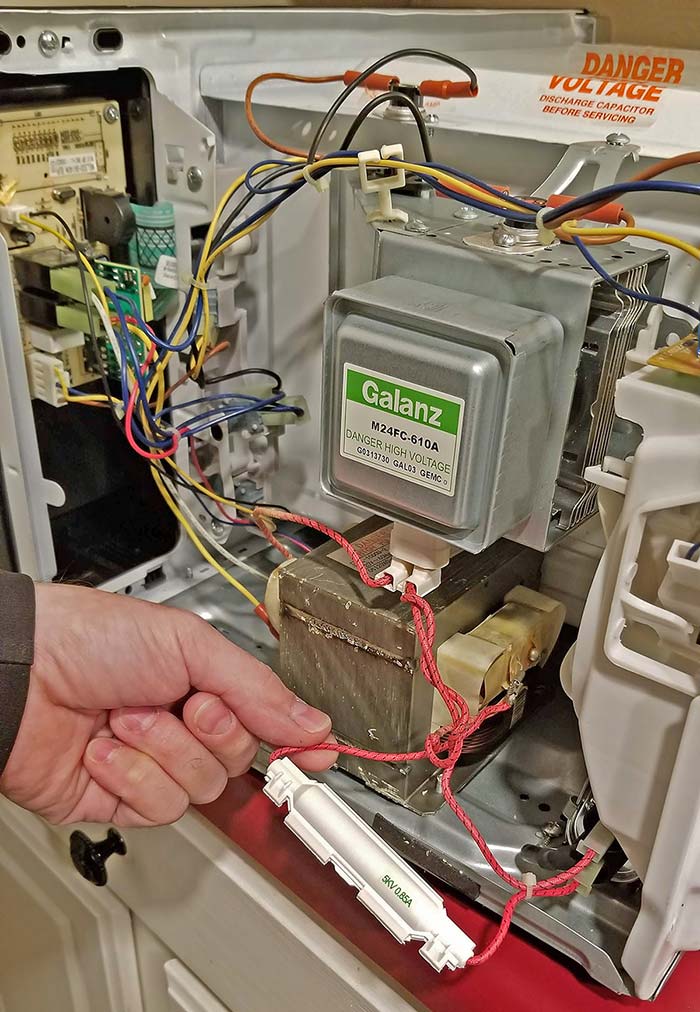
The high voltage diode converts the electrical current from the transformer into the high voltage needed by the magnetron. If this diode fails, the magnetron won’t get enough power and can’t heat food. A common sign of a blown diode is a humming noise without heating.
4. Problem With The High Voltage Capacitor
The high voltage capacitor stores and releases energy to the magnetron. If the capacitor is defective, the microwave may make a loud buzzing sound and not heat at all. Testing capacitors can be dangerous due to the high voltage, so only qualified technicians should handle this.
5. Burnt Out Thermal Fuse Or Thermoprotector
A thermal fuse or thermoprotector is a safety device that cuts power if the microwave overheats. If it blows, your microwave might not heat or even turn on. Some models have more than one fuse, so locating and testing them requires technical knowledge.
6. Defective Control Board
The main control board manages all functions in your microwave, including when to send power to the magnetron. If the board is damaged, it may not let the magnetron work, even if other parts seem fine. Control board issues are less common but can happen after power surges or water damage.
7. Power Supply Issues
It might sound simple, but sometimes the problem is with the power supply. A loose plug, a faulty outlet, or a blown fuse in your house can stop the microwave from working properly. Always check these basics before exploring more complex issues.
8. Failed Transformer
The high voltage transformer boosts household voltage to the level needed by the magnetron. If the transformer fails, the microwave will not heat. Transformers can fail due to overheating or electrical surges.
9. Faulty Turntable Motor
While the turntable motor mainly rotates your food, a jammed or broken motor can sometimes cause the microwave to shut down or not heat, depending on the model. Some microwaves have safety features that check if the turntable is working.
10. User Errors
Sometimes, the problem is not with the microwave itself, but with how it is used. Here are a few examples:
- Using the wrong power setting (for example, defrost instead of high)
- Not selecting a cooking time
- Starting the microwave with the door slightly open
These mistakes are easy to fix once noticed.
Quick Troubleshooting Steps
You do not always need to call a repair service right away. Here are some practical steps you can try:
- Check the Power Outlet: Plug another device into the same outlet to see if it works.
- Test with Different Foods: Try heating water. If water does not get warm, the problem is likely with the microwave, not the food.
- Close the Door Firmly: Make sure nothing is blocking the door latch.
- Reset the Microwave: Unplug the unit for a minute, then plug it back in. Some errors can be fixed by a simple reset.
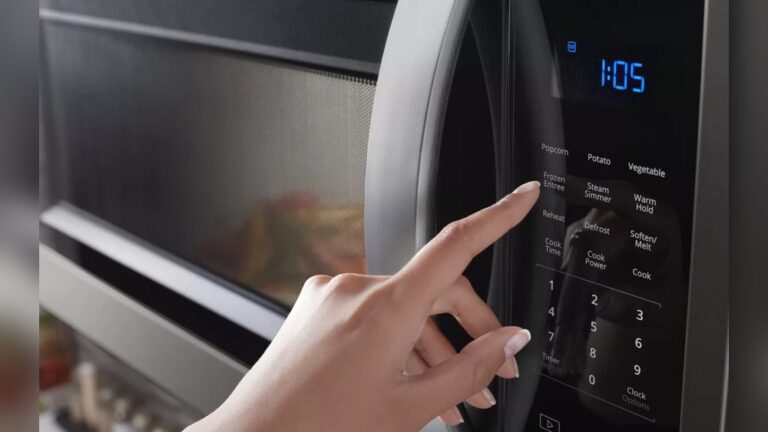
- Change Settings: Make sure you are using the right power level and have set a cooking time.
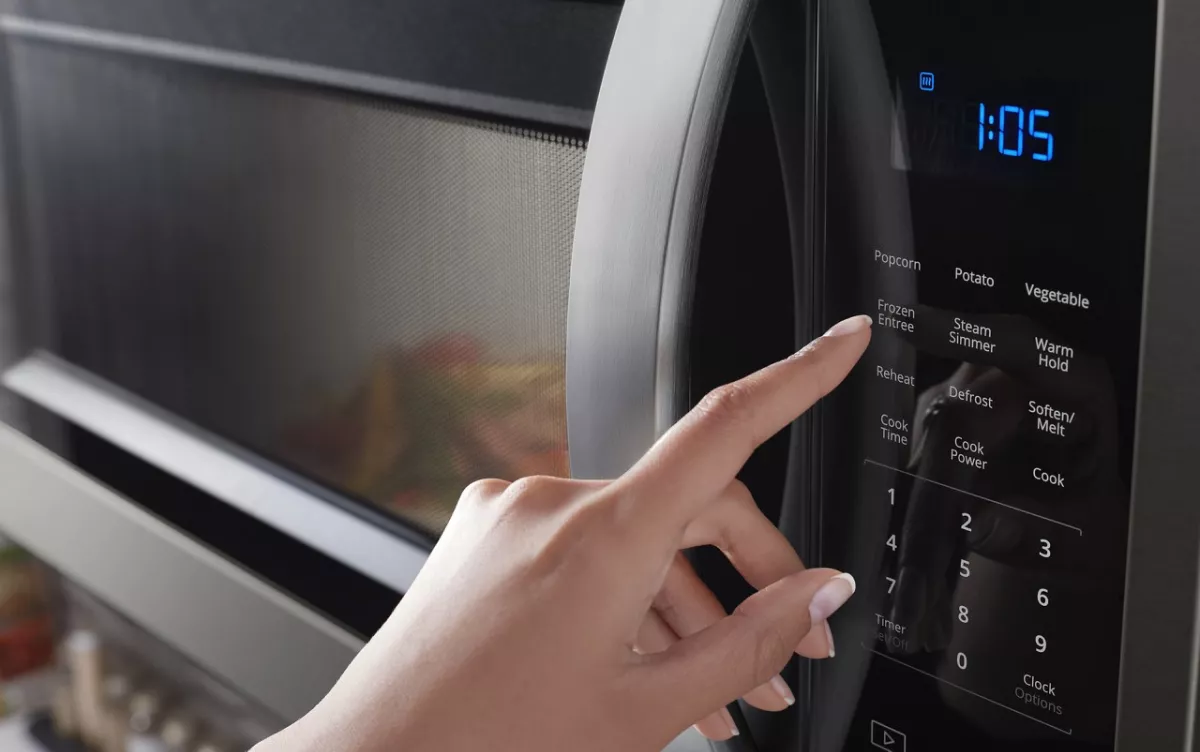
- Inspect for Error Codes: Some modern microwaves display error messages on the panel. Check your manual for what these codes mean.
If your microwave still does not heat, it may be time for deeper diagnosis or professional help.
When To Call A Professional
Some issues, such as a faulty magnetron or high voltage components, are dangerous to fix yourself. Microwaves can store electricity even after being unplugged, which can cause serious shocks. If you are not familiar with electrical repairs or if the microwave is still under warranty, it is best to contact a qualified technician.

Credit: www.youtube.com
Common Microwave Parts And Their Functions
Understanding which parts might fail can help you communicate better with repair services. Here’s a simple comparison of the most important microwave components:
| Part | Main Function | Common Symptoms if Faulty |
|---|---|---|
| Magnetron | Generates microwave energy | No heat, humming sound |
| Door Switch | Ensures door is closed | Light works, but no heat |
| High Voltage Diode | Boosts voltage to magnetron | Humming, no heat |
| Capacitor | Stores electrical energy | Loud buzzing, no heat |
| Control Board | Manages all functions | No response, error codes |
Comparing Repair Vs. Replacement
Should you repair your microwave or buy a new one? Here are some factors to help you decide:
| Factor | Repair | Replacement |
|---|---|---|
| Cost | Cheaper for minor parts | More expensive upfront |
| Microwave Age | Worth it if less than 5 years old | Best if microwave is over 7 years old |
| Complexity | Simple fixes (like door switch) | Needed for major parts (like magnetron) |
| Warranty | May be covered | New warranty included |
Preventing Future Heating Problems
Microwaves can last for years with proper care. Here are a few tips to avoid heating problems:
- Do not run empty: Running a microwave with nothing inside can damage the magnetron.
- Clean regularly: Food splatters can block sensors and door latches.
- Avoid metal objects: Metal can cause sparks and damage internal components.
- Let it cool: Give your microwave a break if you’re heating food for a long time.
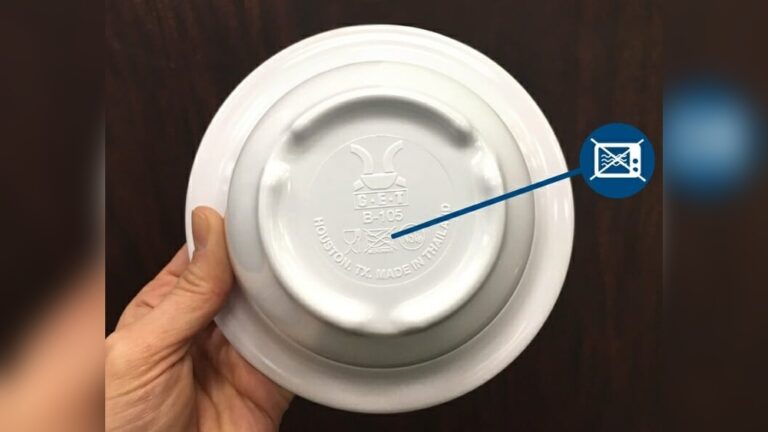
- Use correct cookware: Only microwave-safe containers should be used.
Many people overlook the importance of regular cleaning and using the right containers. These small habits can make a big difference in your microwave’s lifespan.
How To Test If Your Microwave Is Heating Properly
A simple way to check is the water cup test:
- Fill a microwave-safe cup with water.
- Place it in the center of the turntable.
- Heat it on high for 1–2 minutes.
- Carefully check if the water is hot.
If the water is still cold, your microwave is not heating and needs attention.
Credit: www.whirlpool.com
Mistakes People Make When Diagnosing Microwave Problems
- Ignoring simple fixes: Many people forget to check the power supply or settings before assuming the microwave is broken.
- Trying dangerous repairs: Opening a microwave and touching high voltage parts can be fatal. If you’re unsure, always call a professional.
- Replacing the wrong parts: Some people buy new magnetrons or diodes without testing them. This can waste time and money.
- Not checking the warranty: If your microwave is still under warranty, repairs might be free or discounted.
Real-life Example
A family noticed their microwave light and fan worked, but food remained cold. After some checks, they found the outlet was faulty—not the microwave. Replacing the outlet solved the issue. This shows why it’s important to check simple things before assuming a major problem.
Credit: thecuriousstones.com
Data On Microwave Failures
According to industry research, the most common reasons for microwave failure are:
- Magnetron problems: 45%
- Door switch issues: 25%
- Power supply faults: 15%
- Control board failures: 8%
- Other causes: 7%
These numbers show that many issues involve parts that require expert handling.
For more about how microwaves work, visit this Wikipedia article.
Frequently Asked Questions
Why Does My Microwave Light Up But Not Heat?
This usually means the magnetron or high voltage diode is faulty. The microwave’s fan and light work on a separate circuit, so they can function even if the heating part fails.
Can I Fix My Microwave If It’s Not Heating?
You can try basic troubleshooting like checking the power supply, door latch, and settings. For most internal parts, repair is best left to professionals because microwaves store dangerous voltages even when unplugged.
Is It Worth Repairing A Microwave That’s Not Heating?
If your microwave is less than five years old or the repair is cheap (like a door switch), repair can be a good idea. For older models, or if the magnetron needs replacing, buying a new microwave is often better.
What Should I Do Before Calling A Repair Service?
Check the outlet, try resetting the microwave, test with different settings, and make sure the door closes properly. These steps can sometimes solve the problem without expert help.
Is It Dangerous To Open A Microwave For Repairs?
Yes. Microwaves contain high voltage parts that can shock or injure you even after unplugging the unit. Only trained professionals should open the case or replace internal components.
A microwave that’s not heating can be a simple fix or a sign of serious internal failure. By understanding the possible reasons, you can make smart choices about troubleshooting, repair, or replacement. Regular care and attention to small details can help your microwave work well for years.