Why is Microwave Sparking? Common Causes and Quick Fixes
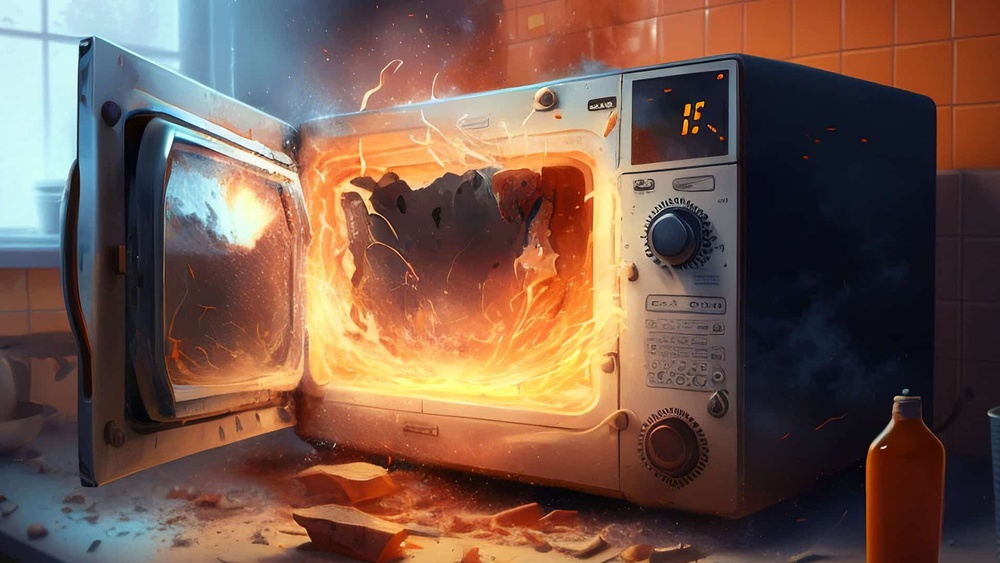
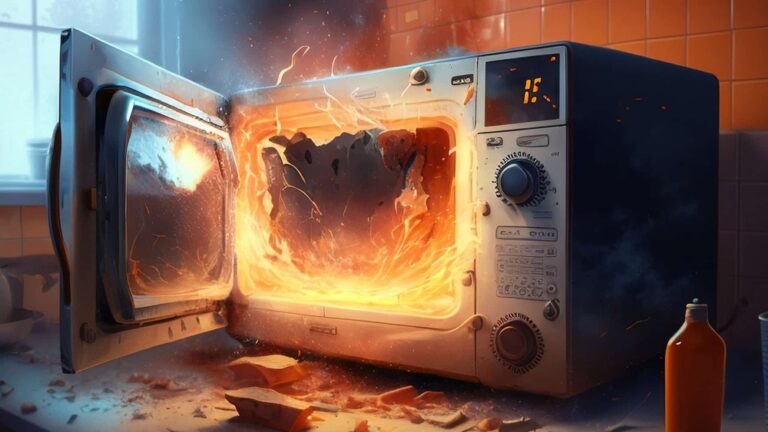
Have you ever seen flashes or sparks inside your microwave and wondered if it is about to explode? Many people get scared when they notice their microwave sparking, especially if it happens suddenly. A sparking microwave can feel dangerous, but the truth is, there are several reasons why this happens—and not all of them mean your appliance is broken.
Understanding why your microwave sparks is important for safety and for keeping your appliance in good working order. This article explains the real causes of microwave sparking, what you should do if it happens, how to prevent it in the future, and when you need to call an expert.
We’ll look at the science behind microwave ovens, give practical examples, share useful tips, and answer the most common questions people have. Whether you use your microwave every day or just sometimes, you’ll finish this guide knowing exactly what to do if you ever see those worrying sparks.
What Causes A Microwave To Spark?
Sparks in a microwave are usually a sign that something inside is not working as it should, or that a mistake has been made with the food or container. Here are the most common reasons:
1. Metal In The Microwave
The most common cause of sparking is metal objects inside the oven. Metal reflects microwaves instead of absorbing them. When you put metal items like forks, spoons, aluminum foil, or even a plate with a shiny trim inside, the energy bounces off the metal and can create sparks. Sometimes the sparks jump between two pieces of metal, or between metal and the microwave wall.
Examples:
- Accidentally leaving a spoon in a mug when reheating tea.
- Using a plate or bowl with gold or silver decorations.
- Heating food covered with aluminum foil.
A single small spark may not damage your microwave, but repeated sparking can burn holes in the walls and damage the appliance’s important parts.
2. Faulty Waveguide Cover
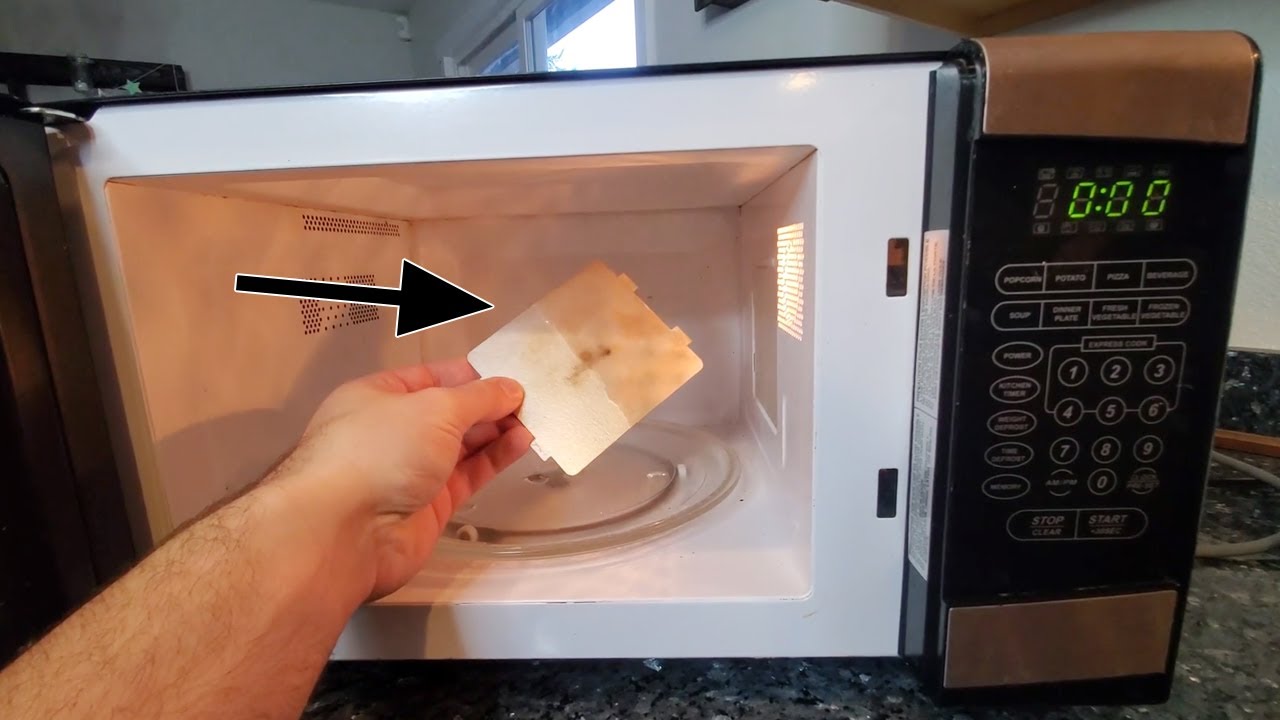
A waveguide cover is a small panel inside the microwave, usually on one side. It covers the hole where microwaves enter the cooking space. If this cover gets dirty with food splatter, burns, or breaks, it can cause sparks. When food or grease builds up, microwaves react with these particles, creating arcs of electricity.
How To Check:
- Look for a small, square or rectangular panel inside your microwave, often made of mica or plastic.
- If it’s brown, burnt, or has holes, it could be the cause.
Replacing a damaged waveguide cover is usually cheap and easy, but many people ignore this part until it’s too late.
3. Damaged Or Dirty Rack Support
Some microwaves come with a metal rack so you can cook on two levels. The rack stands on small, metal or plastic supports. If these supports get damaged or have food stuck to them, they can spark. Metal touching metal, or food stuck between the rack and support, is a common problem.
Practical Insight:
- Remove the rack unless you need it.
- Always clean the rack and supports after use.
4. Burnt Food Or Food Debris
Leftover food particles from spills, splatters, or previous cooking can dry out and become carbonized (burnt). These carbon spots can act like little pieces of metal, causing sparks when microwaves hit them.
Non-obvious Insight:
Many people clean the turntable but forget to wipe the microwave’s ceiling and walls. Even a small piece of burnt food can cause repeated sparking.
5. Broken Or Exposed Magnetron
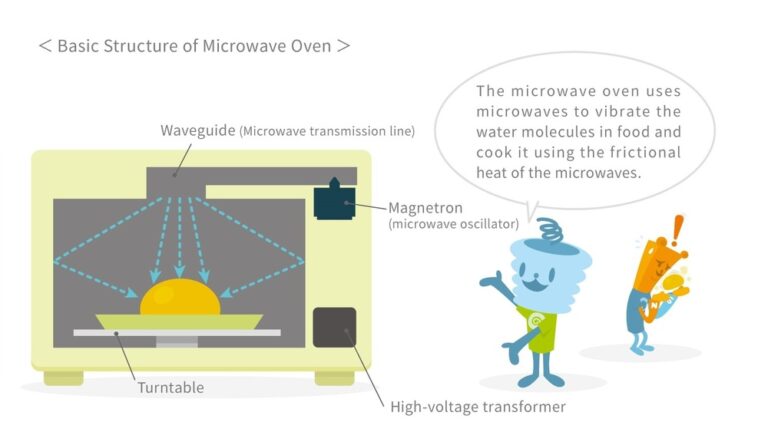
The magnetron is the heart of your microwave; it creates the microwaves that cook your food. If the coating around the magnetron is damaged or if it becomes exposed, sparks may fly inside the microwave. This is a serious problem and usually needs a professional repair.
6. Faulty Diode Or High-voltage Parts
Inside the microwave, high-voltage parts like diodes and capacitors help power the magnetron. If a diode breaks down, it can cause sparking, strange noises, or stop the microwave from working. This kind of problem is less common but can be dangerous.
7. Damaged Interior Paint Or Cavity
If the paint or coating inside your microwave peels off, the exposed metal underneath can spark. This often starts as a small chip but can get worse over time, especially if you keep using the microwave without fixing it.
8. Improper Cooking Materials
Some containers, like recycled paper plates with metal flecks or some takeout boxes with metal handles, can cause sparking. Always check that containers are microwave-safe.
9. Faulty Door Or Door Switches
If the microwave door is not closing properly or the safety switches don’t engage, energy can escape or bounce around inside, causing sparks. This is rare but is a sign that your microwave needs to be checked by an expert.
Comparison Of Common Causes
Here is a comparison of the most common reasons for sparking in microwaves, their frequency, and how dangerous they can be:
| Cause | How Often It Happens | Risk Level |
|---|---|---|
| Metal Objects | Very Common | Medium |
| Dirty Waveguide Cover | Common | Medium |
| Food Debris | Common | Low |
| Broken Magnetron | Rare | High |
| Damaged Interior Paint | Occasional | Medium |
| Improper Containers | Occasional | Low |
What Should You Do If Your Microwave Sparks?
Seeing sparks inside your microwave can be frightening. Here is what you should do, step by step:
- Stop the Microwave Immediately: Press the stop or cancel button. Unplug it if possible.
- Do Not Open the Door Right Away: Wait a few seconds before opening, especially if food was burning.
- Check for Metal or Foreign Objects: Look inside for any metal objects or utensils.
- Inspect for Burnt Food or Debris: Remove the turntable and check all surfaces for food spills or black spots.
- Examine the Waveguide Cover: If you see damage or burns, consider replacing it before using the microwave again.
- Check the Container: Make sure the plate, bowl, or cup is microwave-safe.
- Smell for Burning: If you smell burning plastic or electronics, stop using the microwave and get it checked.
- If Unsure, Call a Technician: Some problems, like a broken magnetron or damaged interior, need professional help.
When To Call An Expert
Not every spark means you need a new microwave. But if you notice any of these, call a technician:
- Sparks keep happening even after cleaning and removing metal.
- Loud buzzing or popping noises.
- Burn marks on the inside walls.
- The microwave runs but doesn’t heat food.
Credit: www.expressrepairny.com
How To Prevent Microwave Sparking
Prevention is much easier than repair. Here are practical ways to keep your microwave safe and spark-free:
1. Never Put Metal Inside
Double-check all plates, mugs, and utensils before microwaving. Remove forks, spoons, and even twist ties from food packaging.
2. Use Microwave-safe Containers
Look for the microwave-safe symbol on plastic, glass, and ceramic dishes. Avoid anything with metallic paint or decoration.
3. Clean Regularly
Wipe down the inside of your microwave after every use. Pay special attention to the ceiling, walls, and the waveguide cover. Cleaning takes just a minute and prevents buildup of food that can burn and spark.
4. Check The Waveguide Cover
Every few weeks, inspect the waveguide cover for stains or damage. Replace it if you see any burns or holes.
5. Be Careful With Leftovers
Some foods, like pizza or sauces, can splatter easily. Cover your food with a microwave-safe lid or paper towel to prevent mess.
6. Avoid Overheating
Don’t run the microwave empty or for much longer than needed. An empty microwave can cause the magnetron to overheat and fail, sometimes causing sparks.
7. Replace Damaged Parts
If you notice peeling paint, rust, or broken parts inside, repair or replace them quickly. Many parts are cheap and easy to find online.
8. Don’t Use Damaged Racks Or Supports
If your microwave has a rack and the supports are loose or burned, remove the rack until you can replace the supports.
9. Educate Everyone At Home
Make sure all family members and roommates know the rules about what can go in the microwave. Kids especially may not know about the dangers of metal.
Practical Comparison: Safe Vs Unsafe Materials
Microwave safety also depends on what you put inside. Here’s a quick comparison:
| Material | Microwave Safe? | Why/Why Not |
|---|---|---|
| Plain Glass | Yes | Does not react to microwaves |
| Plastic (with symbol) | Yes | Designed to handle microwave heat |
| Metal | No | Reflects microwaves, causes sparks |
| Aluminum Foil | No | Can catch fire or spark |
| Paper Plates (plain) | Yes | Safe if no metal flecks |
| Styrofoam | No | Can melt and release toxins |
The Science Behind Microwave Sparking
Microwaves use high-frequency electromagnetic waves to heat food. These waves bounce inside a metal box, and are absorbed by water, fat, and sugar in the food, making them hot. But when microwaves hit metal or carbon (like burnt food), the energy cannot be absorbed.
Instead, it builds up and can jump as a spark or arc.
A simple example: If you microwave a grape cut in half, you may see sparks. That’s because the grape connects two points where the energy can concentrate and jump, just like metal does.
Non-obvious Insight: Not All Spark Causes Are Visible
Sometimes, the reason for sparking is hidden. For example, a small crack in the interior coating or a dirty waveguide cover may not be obvious but can still cause repeated sparking. Many beginners only look for metal objects, missing these subtle but important causes.

Credit: www.youtube.com
When Should You Replace Your Microwave?
A good microwave can last 7-10 years, but repeated sparking can shorten its life. Here are signs it might be time for a new one:
- Sparking continues after cleaning and removing all possible causes.
- The magnetron or other high-voltage parts are damaged.
- The inside is rusty or paint is peeling everywhere.
- The door does not close properly or is broken.
It’s often cheaper and safer to buy a new microwave than to keep repairing an old, unsafe one.
Frequently Asked Questions
Why Does My Microwave Spark When I Use Aluminum Foil?
Aluminum foil reflects microwaves, creating concentrated energy that can jump as a spark. Even a small piece or edge can cause this. Always avoid using aluminum foil unless the manufacturer says it is safe.
Is It Safe To Use A Microwave After It Sparked?
If sparking was caused by a metal object and you removed it, the microwave is usually safe to use. But if sparks continue, or if you see burn marks or damage inside, stop using it and get it checked.
Can Burnt Food Cause Sparking?
Yes, burnt or dried food particles act like carbon, which can spark when hit by microwaves. Always clean spills and crumbs from your microwave to prevent this.
What Happens If The Waveguide Cover Is Damaged?
A damaged waveguide cover can allow food or moisture into sensitive parts, leading to more sparking and even permanent damage. Replace it before using the microwave again.
How Do I Know If My Microwave Is Unsafe?
If your microwave sparks often, makes loud noises, smells like burning, or doesn’t heat food well, it may be unsafe. Door problems or visible damage inside are also warning signs. When in doubt, call a technician or consider replacing the appliance.
If you want to learn more about microwave safety and the science behind these appliances, check the official guide from the U.S. Food and Drug Administration.
A sparking microwave can be alarming, but most causes are simple to fix with a little care and attention. Regular cleaning, the right containers, and knowing what not to put inside will keep your microwave working safely for years. If you ever feel unsure or see repeated sparking, don’t take risks—seek expert help or upgrade to a newer, safer model.