Why is Microwave Popcorn Bad: Hidden Dangers You Need to Know
Many people love the sound of popcorn popping in the microwave. It’s quick, easy, and makes movie nights better. But more and more experts warn that microwave popcorn might not be as safe as it seems. While it’s true that popcorn itself can be a healthy snack, the microwave versions often come with hidden dangers. These risks are not only about calories or fat, but about chemicals, packaging, and long-term health effects. Understanding why microwave popcorn is bad is important if you want to make better choices for yourself and your family.
What’s Inside Microwave Popcorn?
Microwave popcorn is convenient because everything you need is in one bag. Just pop it in the microwave, wait a few minutes, and enjoy. But to make it so easy, manufacturers use more than just popcorn kernels.
A typical microwave popcorn bag contains:
- Popcorn kernels
- Oil (often palm, soybean, or canola)
- Salt
- Artificial butter flavor
- Preservatives and stabilizers
- Packaging with non-stick coating
Many of these ingredients are not harmful on their own, but the way they are used together—and heated—can create problems. The real issues start to appear when you look closer at the chemicals and packaging used.
Harmful Chemicals In Microwave Popcorn
Diacetyl In Butter Flavoring
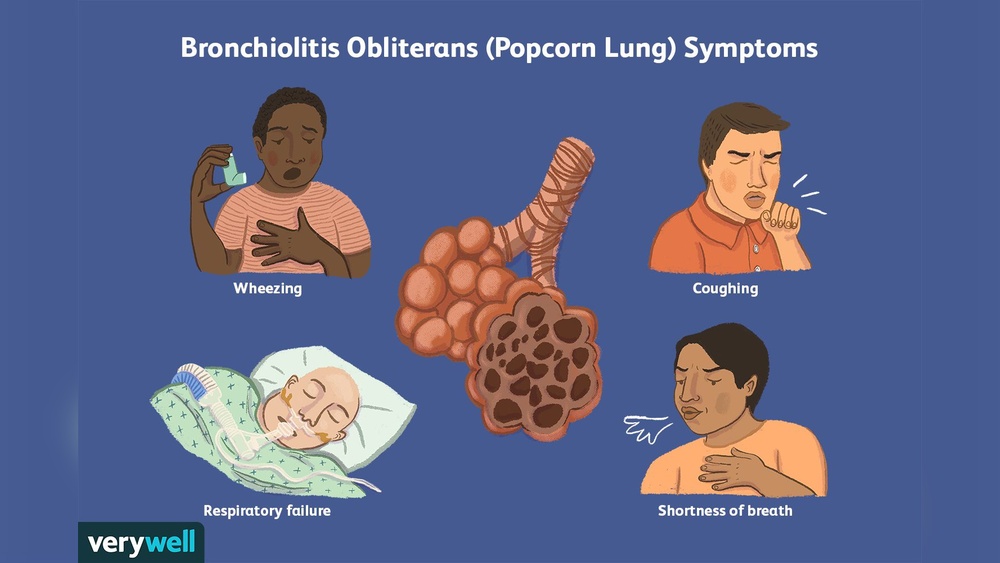
Many brands use diacetyl to create artificial butter flavor. This chemical is safe to eat in very small amounts but can be harmful when inhaled as vapor. Factory workers who made microwave popcorn developed a serious lung disease called “popcorn lung” (bronchiolitis obliterans) from breathing in diacetyl.
While most big brands have removed diacetyl, some still use other similar chemicals for flavor. When you open a hot bag of popcorn, you can breathe in these chemicals. Breathing in the steam is not the same as eating the flavor, so there is still a possible risk.
Perfluorinated Compounds (pfcs) In Bag Linings
Microwave popcorn bags often contain PFCs or similar chemicals in their lining. These chemicals make the bag grease-proof so oil and butter do not leak out. The most well-known PFC is perfluorooctanoic acid (PFOA), which can stay in the environment and human body for a long time.
When you heat the bag in the microwave, these chemicals can break down and enter your popcorn. Studies have linked PFCs to:
- Cancer
- Thyroid disease
- High cholesterol
- Lowered immune response
Over time, eating microwave popcorn often may increase your exposure to these chemicals, even if you do not notice any effects right away.
Artificial Preservatives And Additives
Microwave popcorn often contains TBHQ (tertiary butylhydroquinone) as a preservative. While it helps keep the oil fresh, eating too much TBHQ has been linked to health problems in animal studies, such as stomach tumors and liver damage.
Other additives can include:
- Mono- and diglycerides (emulsifiers)
- Artificial colors
- Flavor enhancers
These are not always dangerous in small amounts, but they add up if you eat processed foods often.
Nutrition Problems: Not As Healthy As You Think
Many people choose popcorn as a snack because it seems healthy. Plain popcorn is high in fiber and low in calories. But microwave popcorn is different.
| Popcorn Type | Calories (per 3 cups) | Fat (grams) | Sodium (mg) |
|---|---|---|---|
| Air-popped | 90 | 1 | 0 |
| Microwave (butter flavor) | 220 | 12 | 420 |
| Movie theater style | 300 | 20 | 600 |
As you can see, microwave popcorn has much more fat and sodium than air-popped popcorn. Eating too much saturated fat and salt can raise your risk of heart disease and high blood pressure.
The Dangers Of The Packaging
Microwave popcorn packaging is not just paper. To keep oil from soaking through, companies use special coatings that resist grease and heat. The problem is that these coatings often contain fluorinated chemicals.
When you microwave the bag, the heat can cause these chemicals to move into the popcorn. Some of these chemicals can build up in your body over time and may affect your hormone system, immune system, and even increase your risk of certain cancers.
Microplastics And Toxins
Recent research suggests that heating packaging can also release microplastics and other toxins. These tiny particles can enter your food and, when eaten often, may affect your health over time. Scientists are still studying the long-term effects, but most health experts agree that it’s better to avoid these risks when you can.
Heart Health Risks
Microwave popcorn often uses hydrogenated oils, which contain trans fats. Although most U.S. brands have reduced or removed trans fats, some international products still have them. Trans fats are dangerous because they increase “bad” LDL cholesterol and lower “good” HDL cholesterol.
Even if there are no trans fats, most microwave popcorn is high in saturated fat, which also increases heart disease risk if eaten too often. Combined with high sodium levels, the regular habit of eating microwave popcorn can be tough on your heart.
Possible Cancer Risks
There are several ways microwave popcorn could increase your cancer risk:
- Chemicals in Bag Linings: PFCs and PFOA have been linked to kidney and testicular cancer in some studies.
- Artificial Additives: Some flavorings and preservatives are still being studied for cancer risk.
- Burnt Popcorn: If you overcook your popcorn, it can produce acrylamide, a compound shown to cause cancer in animals.
While eating microwave popcorn occasionally is unlikely to cause cancer, regular consumption over many years could increase your risk—especially if you eat other processed foods too.
“popcorn Lung” And Inhaled Toxins
Workers in popcorn factories who inhaled large amounts of diacetyl developed a condition called popcorn lung. This disease makes it hard to breathe and damages the lungs permanently.
While people at home are not exposed to as much diacetyl as factory workers, opening a hot bag of popcorn and breathing in the steam can still expose you to small amounts. If you do this often, it could cause coughing, shortness of breath, or throat irritation.
A non-obvious risk is that children are more sensitive to inhaled chemicals. Letting kids open the bag right after popping can expose their developing lungs to these fumes.
Impact On Hormones And Fertility
Some chemicals in microwave popcorn bags, especially PFCs, can interfere with hormones in your body. This is known as being endocrine-disrupting. Animal studies suggest these chemicals may lower fertility, affect thyroid hormones, and even slow down children’s growth.
These effects are still being studied in humans, but enough evidence exists for many health groups to recommend avoiding these chemicals when possible.

Credit: pfasproject.com
Environmental Concerns
The dangers of microwave popcorn are not limited to your kitchen. The chemicals used in packaging last a long time in the environment. When you throw away the bag, these chemicals can leak into landfills and water. Animals can be affected, and the chemicals can come back into the food chain.
A less obvious fact is that even after you stop eating microwave popcorn, some chemicals like PFOA can stay in your body for years. This is called “bioaccumulation. “
Addictive Flavors And Unhealthy Habits
Microwave popcorn is designed to taste very good. The mix of salt, fat, and artificial butter can make you want to eat more than you planned. This combination can train your brain to crave these flavors, making it harder to enjoy healthier snacks.
Over time, this can create an unhealthy habit, leading to weight gain and other health problems. You might not even realize how much sodium or fat you are eating, since it’s easy to finish a whole bag without thinking.
Healthier Alternatives To Microwave Popcorn
If you love popcorn but want to avoid the risks, there are safer and healthier ways to enjoy it.
Air-popped Popcorn
This is the healthiest option. You only need popcorn kernels and hot air. There is no oil, no chemicals, and you control the salt and butter.
Stovetop Popcorn
You can pop kernels in a pot with a small amount of oil. Choose healthy oils like olive oil or coconut oil. Add your own salt and seasonings, so you know exactly what you are eating.
Diy Microwave Popcorn
If you still want the convenience, you can make popcorn in a plain paper bag:
- Put 3 tablespoons of popcorn kernels in a brown paper lunch bag.
- Fold the top of the bag over twice.
- Microwave for 2–3 minutes, until popping slows.
- Add a little melted butter or olive oil and a pinch of salt.
This avoids the chemicals and extra fat in store-bought bags.
| Method | Oil Used | Added Chemicals | Control Over Ingredients |
|---|---|---|---|
| Store-bought microwave | Yes (unknown type/amount) | Yes | No |
| Air-popped | No | No | Yes |
| Stovetop | Yes (you choose) | No | Yes |
How To Read Popcorn Labels
If you still want to buy microwave popcorn, check the label for:
- No artificial flavors or colors
- No diacetyl or PFCs
- Low sodium and fat
Choose brands that are open about their ingredients and avoid those that use vague terms like “natural flavors” or “proprietary blend. “
A smart tip: If you can’t pronounce an ingredient, it’s probably not good for you.

Credit: pfasproject.com
What Do Health Experts Say?
Health groups like the Environmental Working Group (EWG) and the American Heart Association warn against eating too much processed food, including microwave popcorn. They suggest:
- Eating whole, unprocessed foods when possible
- Limiting exposure to chemicals in packaging
- Watching your intake of salt and unhealthy fats
For more details on the risks of chemicals in food packaging, you can read this FDA guide on food packaging.
Non-obvious Insights Most People Miss
- Inhaling Steam Is a Hidden Risk: Many people only think about what they eat, not what they breathe. Opening a hot popcorn bag releases chemical vapors you can inhale. Over time, this adds up.
- Chemicals Stay in Your Body for Years: Some packaging chemicals can remain in your body long after you stop eating microwave popcorn. This silent build-up increases long-term risks, even if you only eat popcorn sometimes.

Credit: www.golo.com
Frequently Asked Questions
Is Microwave Popcorn Safe To Eat Once In A While?
Eating microwave popcorn occasionally is unlikely to harm you. The biggest risks come from eating it regularly over many years. However, making your own popcorn is always a safer choice.
What Are The Worst Chemicals In Microwave Popcorn?
The main concerns are diacetyl (in artificial butter flavor) and PFCs or PFOA (in bag linings). Both have been linked to serious health problems when used often or inhaled.
Can Children Eat Microwave Popcorn?
Children can eat popcorn, but it’s better to give them air-popped or stovetop popcorn. Kids are more sensitive to chemicals and should not open hot popcorn bags to avoid breathing in fumes.
How Do I Make Healthy Popcorn At Home?
Use an air popper or pop kernels on the stovetop with a little healthy oil. Add your own seasoning, like a small amount of salt, herbs, or nutritional yeast for flavor.
Are There Any Brands Of Microwave Popcorn That Are Safe?
Some brands now make popcorn without diacetyl or PFCs and with less salt and fat. Always read the label, but remember that homemade popcorn is still the healthiest option.
Microwave popcorn may be quick and tasty, but the hidden risks are not worth it. With a few simple changes, you can enjoy popcorn that’s better for your health and the environment.