Why is Melamine Not Microwave Safe? Essential Safety Facts
Melamine dinnerware is popular in many homes, restaurants, and cafeterias. It looks elegant, feels sturdy, and is affordable. People use melamine plates, bowls, and cups for daily meals, picnics, and even parties. But can you put melamine in the microwave? Many people wonder about this because it seems strong and safe. However, there are important reasons why melamine is not microwave safe. Understanding these reasons can help you keep your food and family safe.
What Is Melamine?
Melamine is a type of plastic resin. Manufacturers create it by combining melamine powder with formaldehyde and other chemicals. This mixture is then molded under heat and pressure into different shapes like plates, cups, and bowls. The result is a hard, glossy material that resists breaking and scratching. Melamine dinnerware is popular because it is lightweight, colorful, and less likely to shatter than ceramic or glass.
But melamine is not just any plastic. It is a thermoset plastic, which means once it is molded, it cannot be melted again. This property makes it strong, but it also brings certain risks, especially when exposed to high heat.
Why People Microwave Melamine
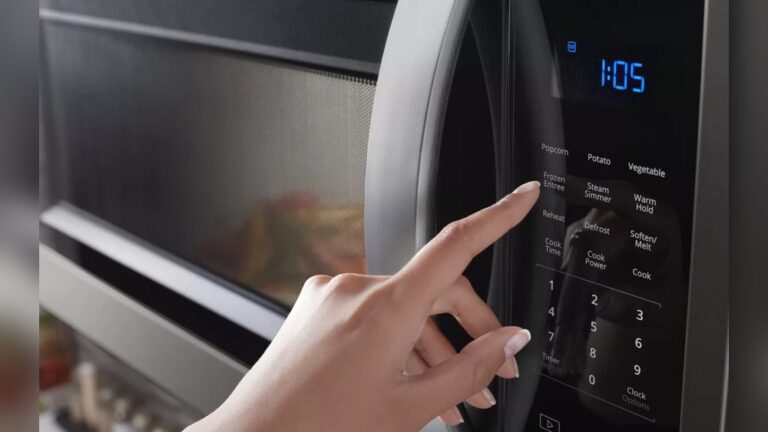
Many people assume that if a plate or bowl is plastic, it can go in the microwave. Microwave ovens are now a standard kitchen tool, and fast heating is convenient. People use melamine dishes for reheating leftovers, warming baby food, or making quick snacks.
Sometimes, the danger signs are small or missing, and in busy lives, people might not check for a “microwave safe” label.
The problem is not always obvious. Melamine plates do not melt or catch fire in the microwave, so it seems safe. But this belief can lead to hidden risks to your health.

Credit: www.amazon.com
What Happens When Melamine Is Microwaved
When you put melamine dinnerware in the microwave, it may look fine on the outside, but changes are happening at a chemical level. The microwave heats the food, but it also heats the melamine itself. This can cause melamine and formaldehyde molecules to break free from the plastic and leach into your food or drinks.
The risk increases with:
- High heat (longer microwave time)
- Oily or acidic foods (like tomato sauce or lemon juice)
- Repeated microwave use (weakens the plastic over time)
Leaching means tiny amounts of the melamine chemical and sometimes formaldehyde move from the plate or bowl into the food. You cannot see or taste these chemicals, but they can still enter your body when you eat.
Health Risks Of Melamine Exposure
Melamine is not meant to be eaten or drunk. In small amounts, your body may remove it through urine. But repeated or high exposure can cause health problems. Scientists and health authorities have studied this issue in detail.
Kidney Damage
The biggest danger is to your kidneys. Melamine and formaldehyde are both toxic when swallowed. If you eat food with melamine contamination often, the chemical can build up in your body. Over time, this may cause:
- Kidney stones: Hard, painful stones formed from crystals
- Kidney failure: When kidneys stop working properly
This risk is even higher for babies, young children, elderly people, and anyone with weak kidneys.
Other Health Effects
Besides kidney damage, studies show that formaldehyde exposure can irritate your eyes, nose, throat, and skin. Long-term exposure is linked to certain cancers. The World Health Organization (WHO) warns that no amount of melamine is considered safe for eating.
A famous example happened in 2008, when melamine-tainted milk powder in China sickened over 300,000 children. Many developed kidney stones, and several died. While this was a case of food fraud, it showed how dangerous melamine can be inside the body.
Why Melamine Is Not Microwave Safe
The main reasons why melamine is not microwave safe are:
1. Leaching Of Harmful Chemicals
When heated, melamine and formaldehyde can seep into your food. This risk is worse with fatty or acidic foods, and with longer or repeated heating.
2. Structural Weakness
Melamine plastic is strong at room temperature, but heating in a microwave can cause the surface to break down. Over time, cracks and small holes can form, making it easier for chemicals to escape.
3. Lack Of Temperature Resistance
Melamine can start to degrade at temperatures above 120°C (248°F). Microwave ovens can easily heat foods to or above this level, especially if you overcook or reheat thick foods.
4. Not Approved For High-temperature Cooking
Most manufacturers and health agencies clearly state that melamine is for serving, not cooking or reheating.
5. Misleading Appearance
Unlike some plastics, melamine does not melt or warp in the microwave. This can trick people into thinking it is safe, even as harmful chemicals are released.
Scientific Studies And Official Warnings
Many studies have looked at melamine safety. According to the U.S. Food and Drug Administration (FDA), small amounts of melamine can migrate into food when heated, especially with acidic foods. The FDA has set a limit of 2.5 parts per million (ppm) for melamine in food, but even this is not considered completely safe for repeated exposure.
A study published in the journal *JAMA Internal Medicine* found that people who ate hot soup from melamine bowls had 8 times more melamine in their urine than those who used ceramic bowls. The European Food Safety Authority (EFSA) also warns against using melamine in microwaves.
For more detailed scientific data, see this resource from the U.S. Food and Drug Administration.

Credit: www.amazon.com
Comparing Melamine With Other Microwave-safe Materials
Not all plastics are created equal. Some are safe for microwave use, while others are not. Here is a comparison to help you see the differences:
| Material | Microwave Safe? | Common Risks |
|---|---|---|
| Melamine | No | Chemical leaching, kidney damage |
| Polypropylene (PP) | Yes (if labeled) | Can melt at very high temps |
| Polycarbonate | No | Bisphenol A (BPA) leaching |
| Ceramic/Glass | Yes | Can break with rapid temperature changes |
| Stainless Steel | No | Sparks, fire hazard |
Signs Your Melamine Dinnerware Is Damaged
Even when you avoid microwaving, melamine dishes can become unsafe over time. Look for these warning signs:
- Faded or peeling patterns
- Cracks or chips on the surface
- Rough spots where the surface feels dull
- Smell: Any chemical or burnt smell after washing or use
If you notice any of these, it is time to replace your melamine dinnerware.

Credit: www.pfaltzgraff.com
How To Identify Microwave-safe Dishes
It is easy to get confused by the many types of dinnerware. Here are some tips to help you pick the right plates or bowls for microwave use:
1. Check The Label
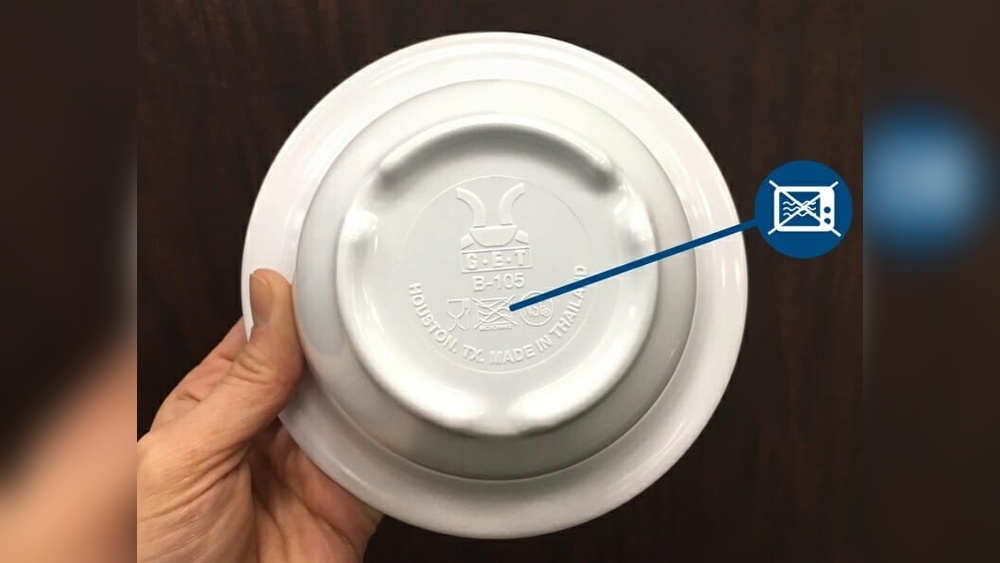
Look for a symbol showing wavy lines or words like “microwave safe” on the bottom. If there is no marking, do not assume it is safe.
2. Material Matters
Glass and ceramic (without metal or painted trims) are usually safe. Certain plastics labeled “microwave safe” are fine for short heating.
3. Test With Water
Fill the dish with water and microwave for one minute. If the dish stays cool but the water is hot, it is probably safe. If the dish itself gets hot, it may not be microwave safe.
Safer Alternatives To Melamine
If you want to avoid health risks, use these materials in the microwave:
- Glass: Borosilicate glass is strong and safe for heating.
- Ceramic: Plates and bowls without metallic paint work well.
- Microwave-safe plastics: Only use those clearly labeled for microwave use.
Here is a quick comparison of common alternatives:
| Material | Pros | Cons |
|---|---|---|
| Glass | Non-toxic, does not leach chemicals, easy to clean | Breakable, heavier |
| Ceramic | Heat resistant, safe for food, many designs | Can chip or break |
| Microwave-safe plastic | Lightweight, convenient | May warp over time, not for high-fat foods |
| Melamine | Durable, colorful, shatter-resistant | Not microwave safe, chemical leaching |
What To Do If You Accidentally Microwave Melamine
If you have microwaved food in melamine by mistake, do not panic. One-time exposure is unlikely to cause harm, but avoid making it a habit.
- Throw away any food that tastes or smells unusual.
- Do not use damaged or old melamine dishes again.
- Switch to safe dishes for future microwave use.
If you experience stomach pain or other symptoms after eating food microwaved in melamine, consult a doctor.
Non-obvious Insights Most People Miss
Many people think only high temperatures are a problem, but microwaving even at low power can cause slow chemical release over time. Another common mistake is using melamine for just “a quick reheat.” Even short microwave bursts can weaken the plate’s surface, making future leaching worse.
Also, remember that dishwasher heat can slowly damage melamine, especially if you use a high-temperature setting. Over months or years, this adds up, so always check your dinnerware for signs of wear.
Frequently Asked Questions
Is It Ever Safe To Microwave Melamine For A Short Time?
No, melamine should never be used in the microwave, even for a short time. Chemical leaching can begin quickly, especially with hot, fatty, or acidic foods.
Can I Put Cold Food On Melamine Plates And Heat It In The Microwave?
No. Heating any food on melamine dishes in the microwave is unsafe. Always transfer your food to a microwave-safe container first.
Is Melamine Safe For Serving Hot Food If It Is Not Microwaved?
Yes, melamine is designed to serve hot food. Just make sure the food was not heated in the dish, and avoid using melamine for very oily or acidic foods for long periods.
How Can I Tell If A Dish Is Microwave Safe?
Look for a “microwave safe” label or symbol. If there is none, or if you are unsure, do not use the dish in the microwave. You can also do a water test: microwave the dish with water and see if the dish heats up.
What Should I Do With Old Melamine Dishes?
If your melamine is scratched, faded, or cracked, it is best to throw it away. Old or damaged melamine can leach more chemicals, even without microwaving.
Microwaving melamine may seem harmless, but the risks are real and serious. For your safety and health, always use the right dinnerware for the job. Melamine is great for serving food, but when it comes to the microwave, choose glass, ceramic, or marked microwave-safe plastics.
It is a small change that can make a big difference for you and your family.