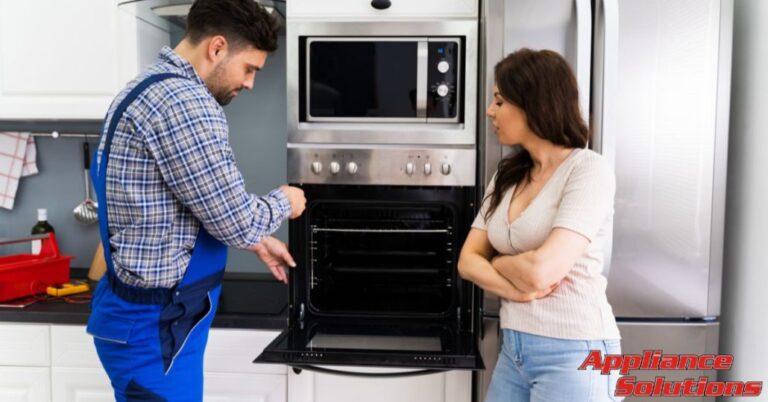
Why Does My Microwave Not Work: Quick Fixes Guide
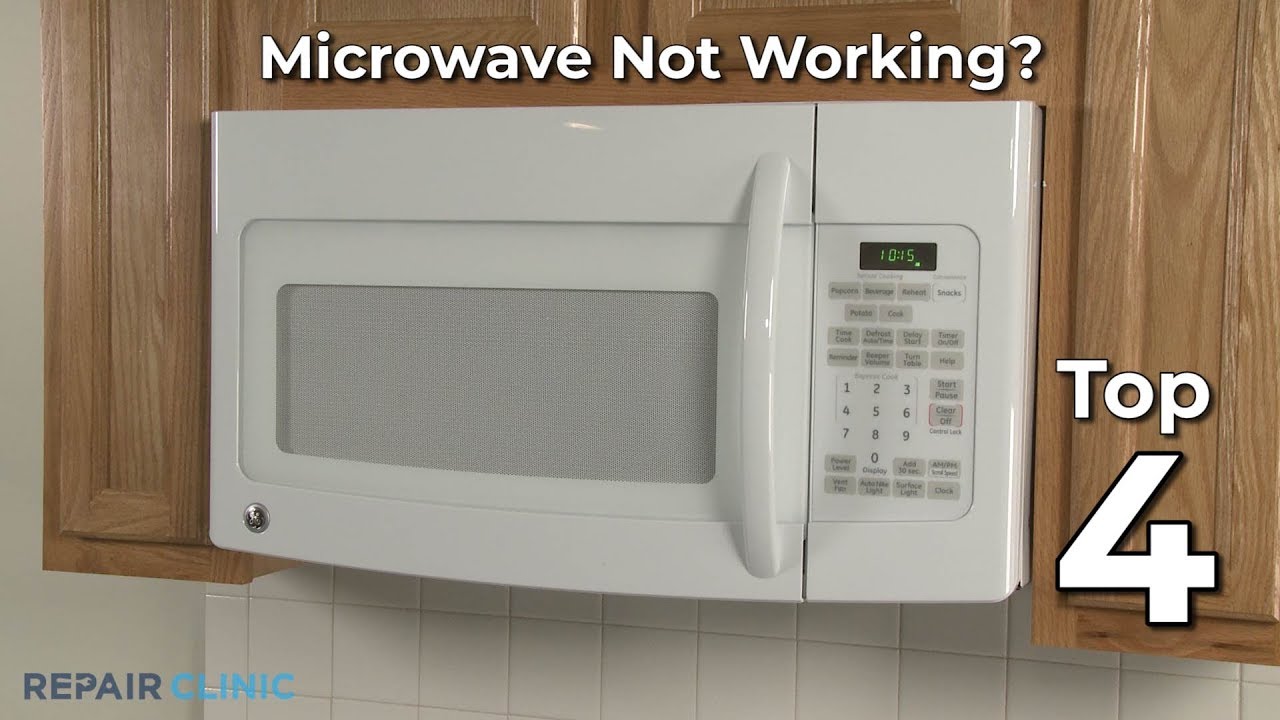
Most microwaves stop working due to power issues, door switches, or a blown fuse.
If you keep asking why does my microwave not work, you are not alone. I have diagnosed many broken microwaves in homes, rentals, and small cafes. This guide uses real fixes, safe steps, and clear advice so you can spot the cause fast and decide what to do next.

How a microwave works in plain English
A microwave is simple on the outside and powerful inside. Power comes in, a control board tells parts what to do, and a magnetron makes the microwaves that heat your food. Safety switches make sure the door is shut before anything runs.
Knowing this helps you read symptoms. No lights and no beeps point to power. Lights on but no heat points to the high voltage parts. Random stops point to heat sensors or the control board.
Here are the main parts that matter:
- Line fuse and thermal fuses protect against surges and heat.
- Door switches tell the board the door is closed.
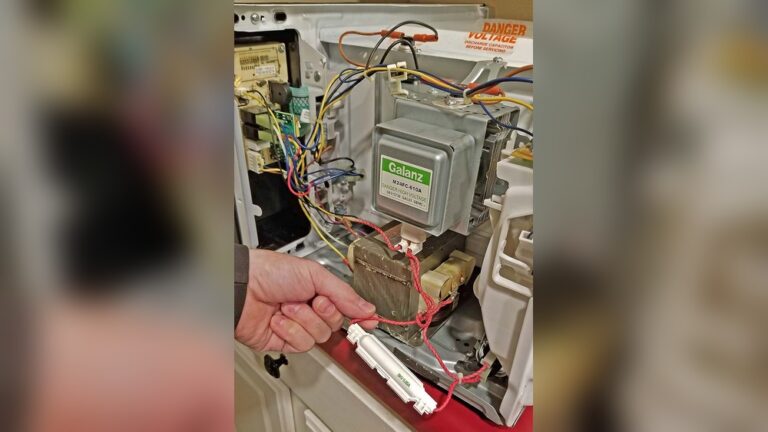
- Magnetron, diode, and capacitor create heat.
- Turntable motor, fan, and light support normal use.

Safety first before any testing
Unplug the microwave before any check. A microwave stores high voltage in the capacitor, even when unplugged. That charge can be dangerous. Do not open the case unless you are trained and have the right tools.
Your safe checks include the outlet, plug, controls, and interior parts you can see. If you suspect a fuse, magnetron, or internal wiring, call a pro. It is not worth the risk to guess.
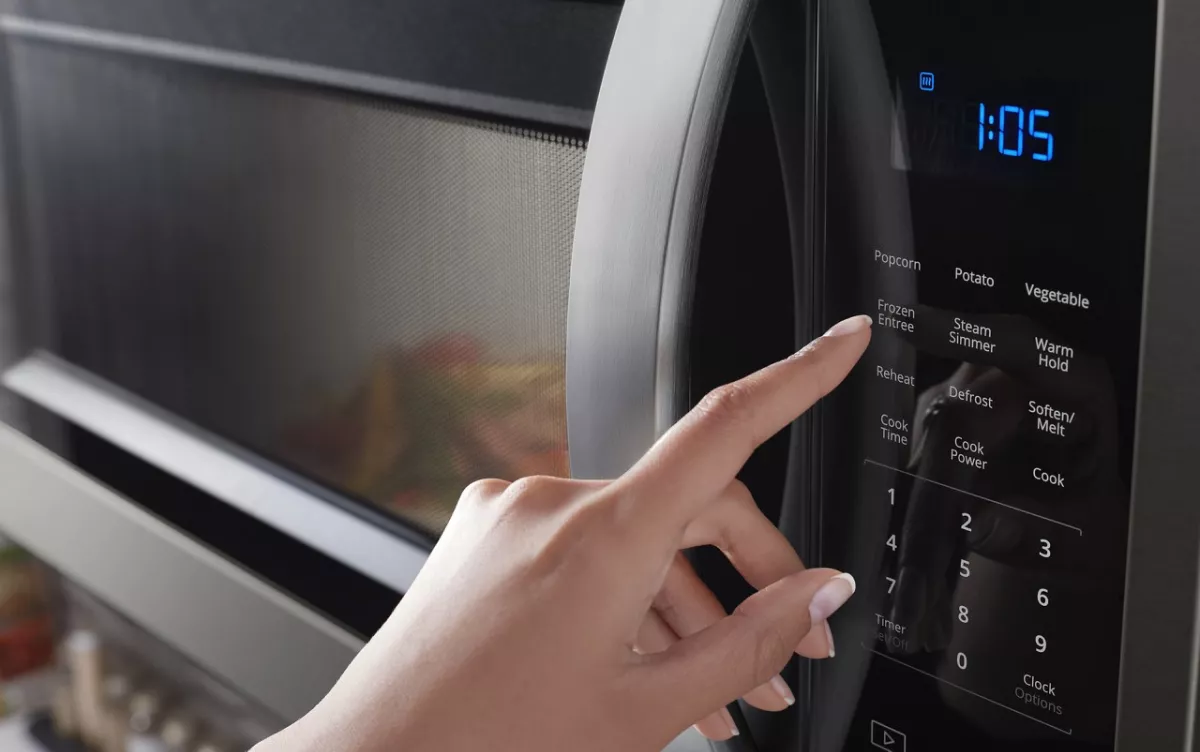
Power problems: when it will not turn on
If you wonder why does my microwave not work and it shows no signs of life, start here. Many no-power cases are simple.
Try these steps:
- Check the outlet with a lamp or phone charger. Make sure it has power.
- Test a different outlet on another wall. GFCI or AFCI outlets can trip.
- Look for a tripped breaker in your panel. Reset it once and watch for repeat trips.
- Inspect the plug and cord for burns or cuts. If damaged, stop and replace.
- Make sure the door closes tight. Loose latches can block power-up.
- Check for a child lock icon. Many models show “LOCK” or a key symbol.
- Disable “demo mode” if the display shows 00:00 or cooks with no heat.
- If it shuts off mid-cycle, let it cool for 10 minutes. A thermal cutoff may have tripped.
- If the clock resets often, you may have a bad outlet or a failing control board.
From my field experience, half of the calls that start with why does my microwave not work end with a tripped GFCI or a loose plug. Wall cabinets can pull the plug slightly loose over time.
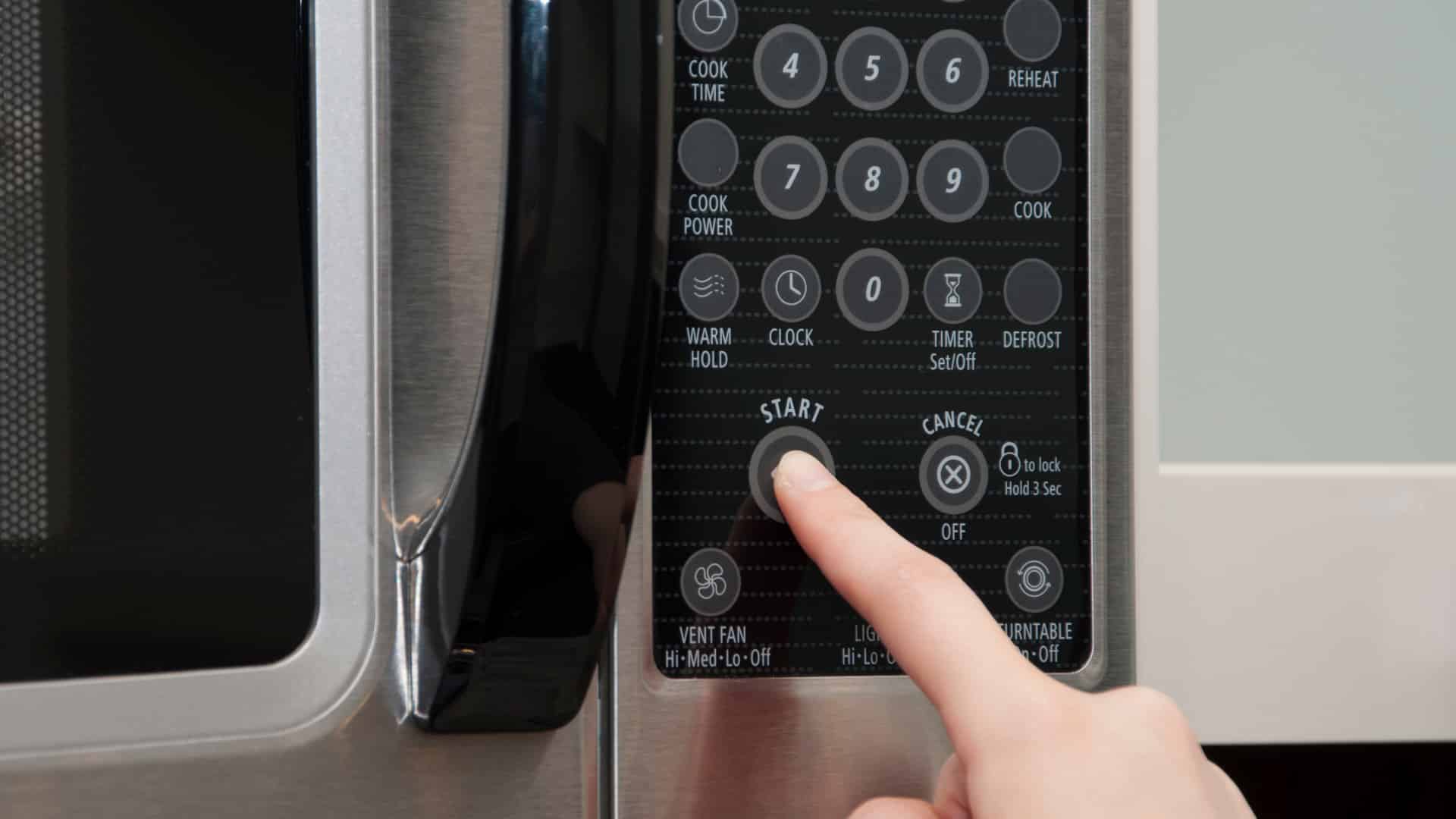
It runs, but nothing heats
This is the classic heat system failure. The interior light and turntable work, but food stays cold. If you ask why does my microwave not work when it still runs, focus on these parts.
Likely causes:
- Door switch fault that lets it run but blocks high voltage.
- High voltage diode or capacitor failure.
- Magnetron failure, often with a loud hum or burning smell.
- Control board not sending full power.
- Waveguide cover damaged or greasy, causing arcing and poor heating.
Simple checks you can do:
- Try a water test. Heat a cup of water for 1 minute. If it stays cool, there is no heat.
- Listen for loud buzzing. A heavy buzz with no heat often points to a magnetron or diode issue.
- Check the waveguide cover on the side wall. If it is burnt or greasy, clean or replace it.
Repairs past this point need a pro. The high voltage section is not DIY safe.

The turntable, light, keypad, or beeps act weird
Strange behavior can make you ask, why does my microwave not work the same as before. These issues are often simple.
Common fixes:
- Turntable not turning. Remove the plate and roller ring. Clean and reseat. Check the small plastic coupler. If broken, it is cheap to replace.
- Light not working. Replace the bulb if you can access it safely. Some models need the case opened, which is a job for a tech.
- Beeps or numbers stuck. Clean the keypad with a soft cloth. Moisture or oil can block the membrane.
- Random restarts. This can be a failing control board or a bad outlet.
- Fan runs after cooking. Many models do this to cool the magnetron. It is normal.
In my kitchen, a sticky keypad once made the Start button fail half the time. A careful clean fixed it in minutes.

Burning smell, sparks, or loud buzzing
If your first thought is why does my microwave not work and it smells burnt, stop and check inside. Sparks are a red flag.
Look for:
- Metal in the cavity. Foil, twist ties, or a spoon can cause arcing.
- Food splatter on the waveguide cover. Clean with mild soap and water.
- A chipped or worn cavity paint spot. Exposed metal can arc and spark.
- A very loud buzz with no heat. This points to a high voltage fault.
What to do:
- Unplug, clean the interior, and inspect the waveguide cover.
- If you see scorch marks or cracked covers, replace the cover.
- If sparks continue with a clean interior, call a pro. Do not run it again.
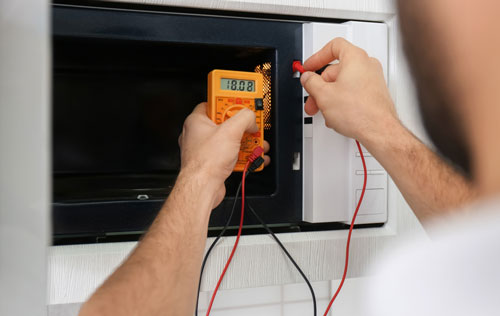
A step-by-step troubleshooting checklist
If why does my microwave not work keeps popping into your head, follow this simple flow.
- Confirm the outlet works with another device.
- Reset GFCI or the breaker once.
- Plug into a different outlet on another circuit.
- Check door closure and latches.
- Clear child lock and demo mode.
- Try a 1-minute water heat test.
- Listen for odd sounds: loud buzz, click, or pop.
- Inspect the waveguide cover and cavity for burns or grease.
- Clean the keypad and reseat the turntable.
- If no heat or repeat trips persist, schedule a service call.

When to repair and when to replace
This is where cost and age matter. If you are asking why does my microwave not work and it is more than 7 to 10 years old, replacement often makes sense. Many countertop models cost less than a major repair.
General rules I use in the field:
- Replace if the magnetron, control board, or door assembly is bad in an older unit.
- Repair if it is a door switch, light, roller ring, or coupler.
- Built-in or over-the-range units are worth a diagnostic because install costs are higher.
- Inverter models heat more evenly but can cost more to fix.
If parts cost more than half the price of a new microwave, replace. If the unit has safety issues or arcing in the cavity metal, replace right away.
Maintenance to prevent future problems
A little care goes far. Many people ask why does my microwave not work after a year, and the answer is often simple upkeep.
Do this monthly:
- Wipe spills right away. Food on the walls can burn and arc.
- Clean the waveguide cover gently.
- Wash the roller ring and the plate.
- Keep vents clear so heat can escape.
- Avoid running empty. It can stress the magnetron.
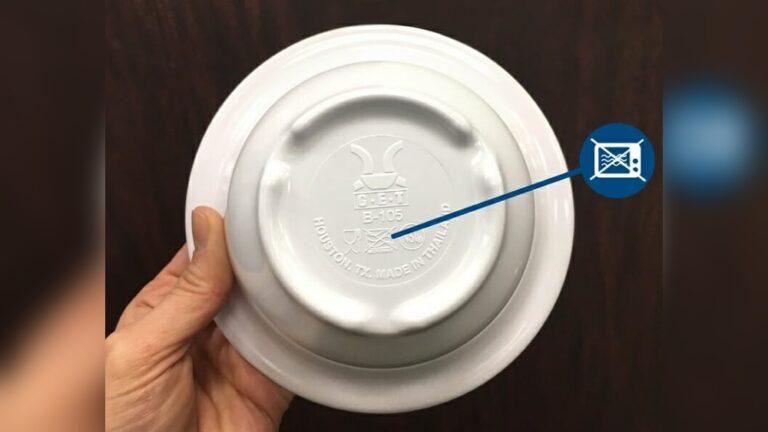
Also use microwave-safe containers. No metal trim. No closed jars. Cover food with a vented lid to reduce splatter.
Typical repair costs and timelines
When people ask why does my microwave not work, they want to know the cost next. Exact prices vary by brand and location, but these ranges can help.
Common items:
- Door switch replacement is often quick and affordable.
- Turntable motor or coupler is low to moderate.
- Light or fan repairs are low to moderate.
- Control board or magnetron can be moderate to high.
- Built-in models add labor for removal and reinstallation.
Most in-home repairs take under an hour once the part is on hand. Parts for popular brands arrive in a few days.
Frequently Asked Questions of why does my microwave not work
Why does my microwave not work after a power outage?
Power surges can blow the internal fuse or trip a breaker. Check your breaker and outlet first, then schedule service if the unit stays dead.
Why does my microwave not work but the light and fan run?
The heat system may have failed. A bad diode, capacitor, or magnetron is likely and needs a pro to test and replace.
Why does my microwave not work sometimes and then start again?
Heat sensors may shut it down when it overheats. Give it space for airflow and clean vents; if it persists, a failing thermostat or board may be to blame.
Why does my microwave not work after I cleaned it?
Moisture can get into the keypad or control area. Let it dry with the door open for a few hours and try again.
Why does my microwave not work with certain outlets?
GFCI or AFCI outlets can trip under load. Test another circuit and inspect for loose plugs or worn receptacles.
Why does my microwave not work and show weird error codes?
Error codes point to sensors, doors, or boards. Check your manual for the code meaning and reset the unit before calling for service.
Why does my microwave not work when the door is closed tight?
Door switches can be misaligned or broken. If the latch does not press them in the right order, the unit will not start.
Conclusion
You now know the main reasons a microwave fails, from outlets and door locks to the high voltage parts that make heat. If you still ask why does my microwave not work, run the checklist, fix the easy wins, and call a pro for anything inside the case. Your time and safety matter more than a risky guess.
Use these tips today. Keep the cavity clean, check your outlets, and give the vents room to breathe. If this guide helped, share it with a friend, leave a question, or subscribe for more home fix know-how.