Why Does Microwave Stop Working: Quick Fixes & Tips
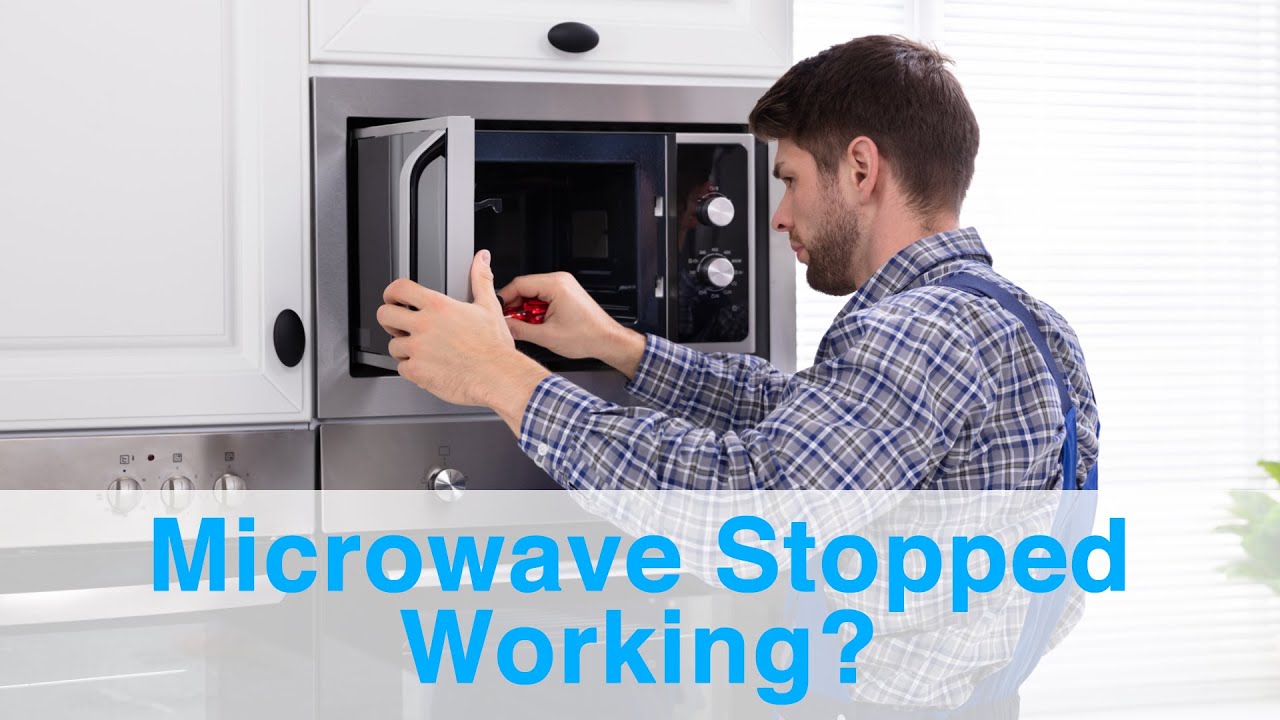
Most failures trace to power supply, blown fuse, bad door switch, or failed magnetron.
If you have asked yourself why does microwave stop working, you are not alone. I work with these appliances often, and I know the pain of a dead unit at dinner time. This guide explains why does microwave stop working, how to fix simple issues, and when to call a pro. You will get clear steps, real examples, and safe, smart tips that save time and money.
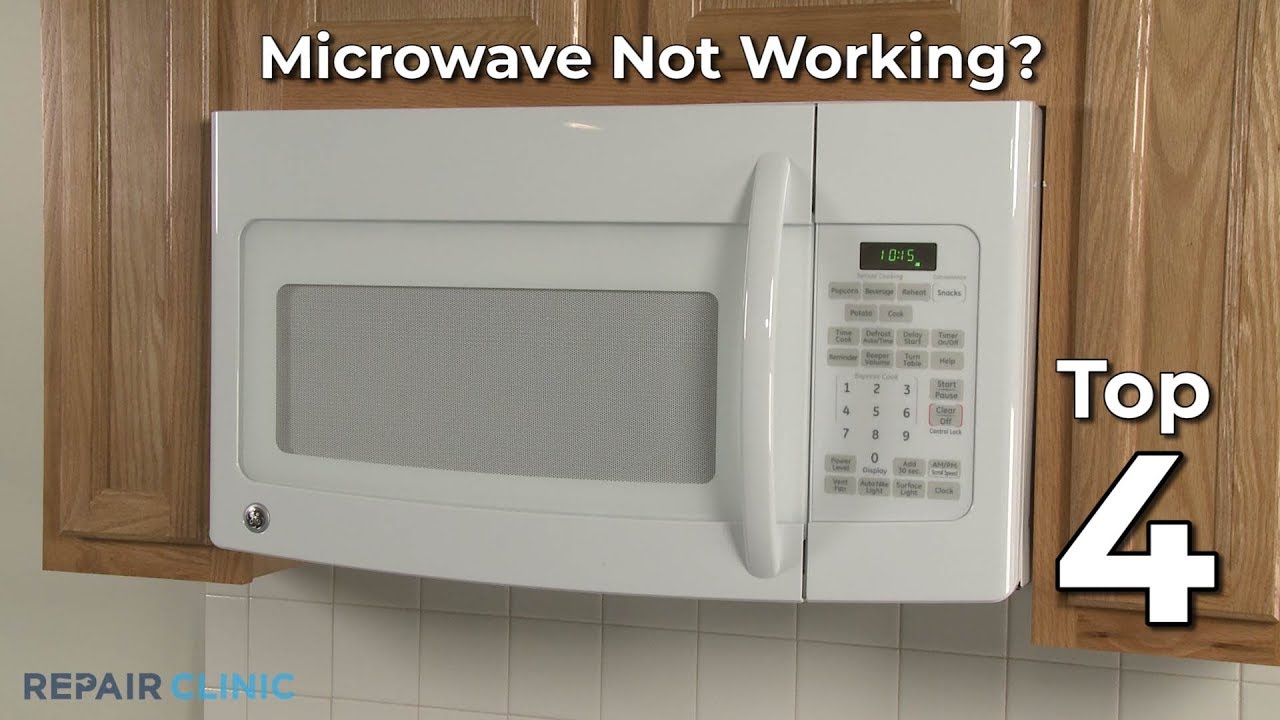
How a microwave really works in 30 seconds
To answer why does microwave stop working, it helps to know the basics. Your wall power feeds a control board and safety switches. The high voltage parts power the magnetron, which makes the microwaves that heat food. If any link in this chain fails, the unit can go dead, stop heating, or shut off.
A small part can stop the whole process. Door switches tell the brain it is safe to run. Thermostats stop the heat if things get too hot. The control board times and directs all work. When one part fails, you may see lights, hear beeps, or get nothing at all.
Many models use inverters instead of a big transformer. Inverters give smooth power and better control. They can also fail in a way that looks like random shut offs or no heat.
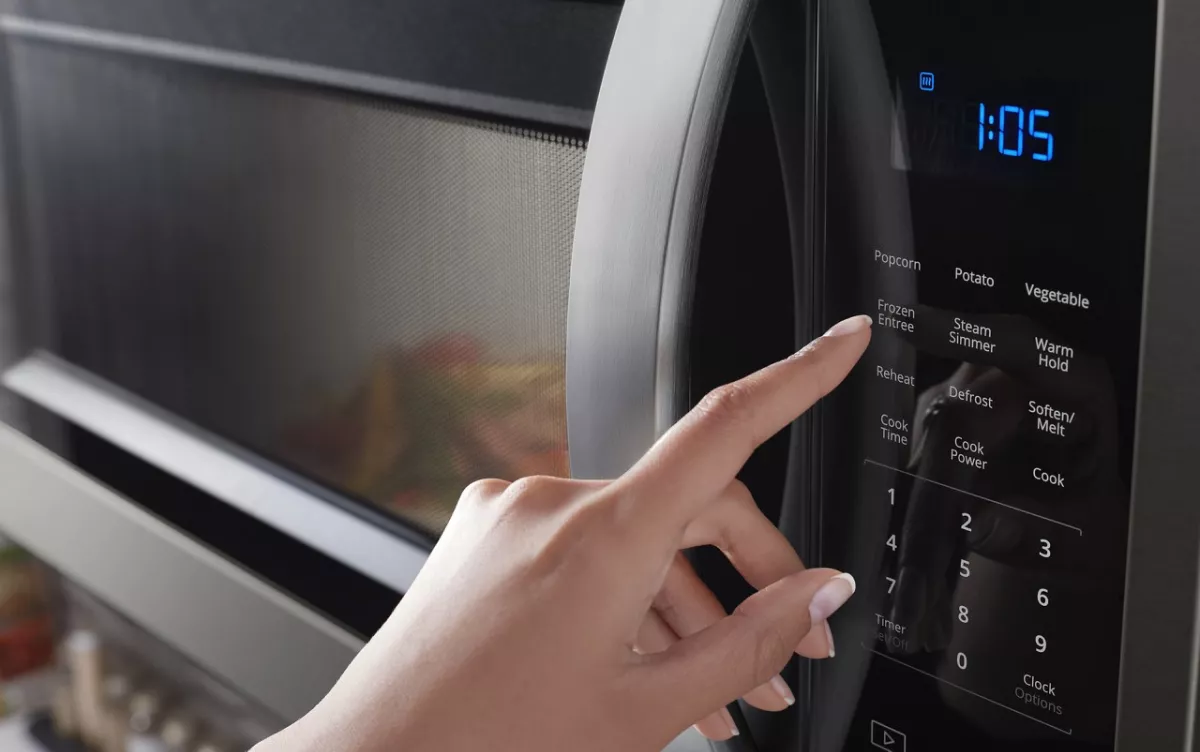
Safety first: what you can and cannot do
Microwaves store high voltage even when unplugged. A large capacitor can hold a dangerous charge. Do not open the case unless you are trained and have proper tools.
Here is what you can do safely:
- Unplug the unit before any check.
- Wipe the door seal and latch area.
- Check the outlet and the breaker.
- Read the manual for error codes and resets.
Here is what you should not do:
- Do not remove the cover or touch internal parts.
- Do not try to discharge a capacitor.
- Do not bypass a door switch or fuse.
If you keep asking why does microwave stop working after these checks, move on to the steps below or call a tech.

Quick checks before you call for service
Start with the simplest items first. Many “dead” microwaves are fine once power is restored.
- Test the outlet with a lamp or phone charger. If that fails, the outlet or breaker is the issue.
- Press the reset on a GFCI outlet in the kitchen. A trip can cut power to many plugs.
- Try a different outlet on a known good circuit. Use a heavy duty extension only for a short test.
- Check the breaker panel. Reset a tripped breaker fully to Off, then back to On.
- Look for Child Lock on the display. Unlock it using your manual steps.
- Listen and look. Do lights turn on, do buttons beep, does the fan start, does the turntable move?
- Run a 30 second test with a cup of water. Note sounds, heat, and any shut off.
- Let the unit cool for 15 minutes if it stopped mid cycle. Thermal safety may reset.
If you still wonder why does microwave stop working, move to the common causes below.
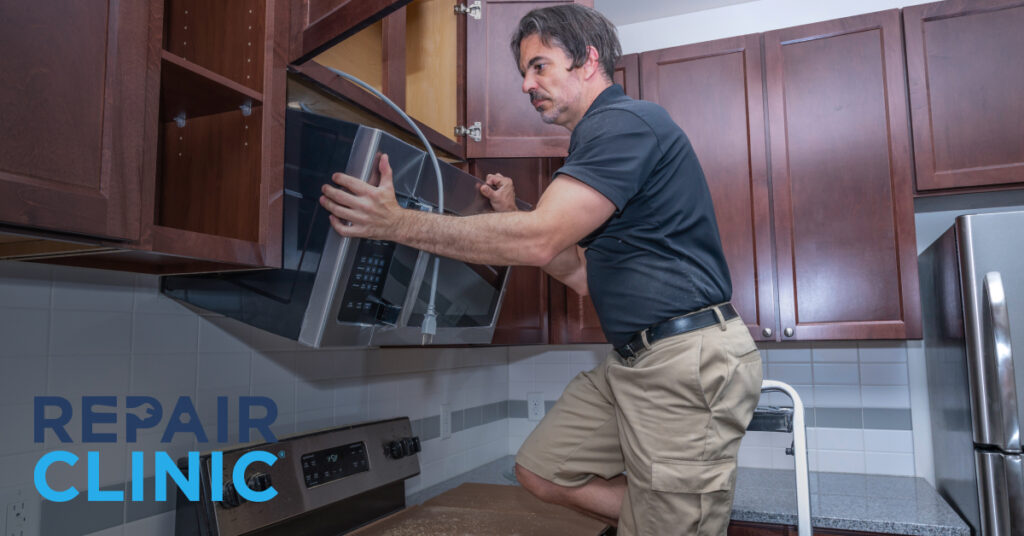
The most common reasons a microwave stops working
Many readers come here to learn why does microwave stop working in plain terms. These are the top faults I see in the field.
Power supply issues
A bad outlet, a loose plug, or a weak breaker can cause a dead unit. A GFCI or AFCI device may also trip. Surges during storms can damage the control board.
What to try:
- Test and swap outlets as above.
- Avoid thin extension cords. They drop voltage and cause heat.
- If storms are common, use a high joule surge protector for a small countertop unit. Check your manual first.
Blown internal fuse or thermal fuse
A surge or short can blow the main fuse. Overheating can open a thermal cutoff. When this happens, the microwave may be totally dead.
What it looks like:
- No lights, no display, no beeps.
- Unit died during a cycle and never came back.
This is an internal repair. A tech will test fuses and why they blew. Replacing a fuse without fixing the root cause can cause repeat failure.
Faulty door switch or latch
Door switches make sure the door is closed and safe. If a switch sticks or fails, the microwave may not start or may stop mid cycle.
Signs:
- It only runs when you push or lift the door.
- It starts and then stops at once.
- It beeps but does not heat.
In my own repairs, door switches cause at least a quarter of “dead” calls. One client’s unit worked only if they pushed the door inward. A new switch and latch fixed it in minutes.
Control panel or touchpad failure
The keypad can wear out or get moisture inside. The control board can also fail after a surge.
Clues:
- Some buttons work, others do not.
- Random beeps or frozen display.
- Timer runs but no heat or turntable.
A tech will check ribbon cables and board power. Sometimes a panel cleaning and reseat is enough. Often a new board is the cure.
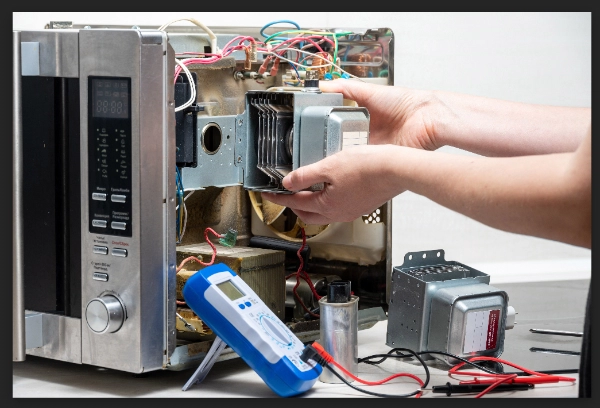
Magnetron, diode, capacitor, or inverter failure
These parts make and control microwave energy. If they fail, the unit may light up and hum but not heat.
Telltale signs:
- Loud humming or buzzing with no heat.
- Heat for a few seconds, then shut off.
- Burning smell, or visible sparks inside the cavity.
These are high voltage parts. This repair needs proper tools and skill. If you keep thinking why does microwave stop working when everything else seems fine, this stack is a prime suspect.
Turntable motor or coupler
The plate may stop turning if the motor or coupler breaks. Food can heat unevenly or not at all.
Try this:
- Remove the plate and roller ring. Clean them.
- With the plate off, start a short cycle. If the motor shaft does not turn, it may be bad.
Overheating and auto reset
Blocked vents or a long cook can trip a thermostat. The unit will shut off and later work again.
Fix:
- Clean grease and dust from vents.
- Give space around the sides and top.
- Avoid running the microwave empty.
Age and wear
Most microwaves last 7 to 10 years with normal use. As parts age, the cost to fix can exceed the value.
If you ask why does microwave stop working after many years, age plus heat and grease is a likely factor.

Repair or replace: cost, age, and value
Use simple math to decide. If the repair costs more than half of a new unit, replacement is smart. If the unit is older than eight years, think hard before a big fix.
Typical ranges I see:
- Service call or diagnosis: 79 to 150 dollars.
- Door switch or fuse: 10 to 40 dollars in parts, plus labor.
- Turntable motor: 20 to 50 dollars in parts, plus labor.
- Control board or touchpad: 150 to 300 dollars parts and labor.
- Magnetron or inverter: 150 to 400 dollars parts and labor.
- New countertop microwave: 100 to 300 dollars.
- New over the range unit: 300 to 700 dollars and install.
Your brand, model, and local rates will vary. When a reader asks why does microwave stop working and if it is worth fixing, I look at age, cooking power, features, and space fit.
Care tips to avoid the next breakdown
A few small habits prevent most problems.
- Keep vents clear. Leave at least a few inches around the unit. Clean grease and dust monthly.
- Use the right cookware. Only microwave safe glass, ceramic, or approved plastic. No metal trim or foil unless the manual says it is safe.
- Do not run it empty. A cup of water is a good test load.
- Open and close the door gently. Do not slam it. Use the Stop button first to avoid switch stress.
- Wipe spills right away. Steam and sugar can get into the keypad and board.
- Protect from surges. If allowed by the manual, use a high joule protector for a small countertop unit. Built in or high draw units should be on a dedicated circuit.
- Give it a break between long cooks. This helps avoid thermal trips.
These steps cut the odds that you will ask why does microwave stop working again next month.

Symptom-to-cause cheat sheet
Use this quick map to narrow the fault.
- Completely dead, no lights or beeps: Outlet, breaker, main fuse, thermal fuse, power cord, control board.
- Lights and turntable work, but no heat: Magnetron, diode, capacitor, inverter, door switch.
- Starts then stops after a few seconds: Door switch, control board, thermal cutout, inverter.
- Beeps and counts down, but nothing runs: Control board, relay, door switch.
- Plate not turning: Turntable motor, coupler, roller ring misaligned.
- Loud buzz or burning smell: High voltage parts failing, stop use now and call a pro.
- Trips breaker when starting: Shorted high voltage parts, damaged cord, shared circuit overload.
If you are still stuck on why does microwave stop working, this list helps guide your next step.
Frequently Asked Questions of why does microwave stop working
Why does my microwave have power but will not start?
A door switch may not close, or Child Lock is on. The control board can also be at fault if the Start command never triggers the relays.
Why does my microwave run but not heat food?
This points to the high voltage system. The magnetron, diode, capacitor, or inverter likely failed.
Why does my microwave stop after a few seconds?
A weak door switch or overheating can cause a quick stop. Some models shut down if the fan or turntable is jammed.
Can a blown fuse make a microwave look dead?
Yes. The main fuse or a thermal fuse can cut all power. These are internal parts and should be tested and replaced by a trained tech.
Is it worth fixing an old microwave?
If the unit is older than eight years and needs a major part, replacement is often best. Simple fixes like a door switch or fuse can still be worth it.
Why does my microwave trip the breaker when I press Start?
A short in the high voltage section or an overloaded circuit can do that. Test a different circuit, and if it still trips, call a service pro.
Can I fix a microwave myself?
You can do safe checks like outlets, resets, and cleaning. Internal repairs are risky due to high voltage and should be left to a pro.
Conclusion
Now you know the real answers to why does microwave stop working, from simple outlet issues to aging high voltage parts. Start with safe checks, note the symptoms, and match them to the likely cause. Protect your unit with smart habits, and you will avoid many failures.
If this guide helped, try the steps today and share your results. Subscribe for more simple home tech fixes, or leave a question below so we can troubleshoot together.