Why Do Microwaves Stop Working: Quick Fixes
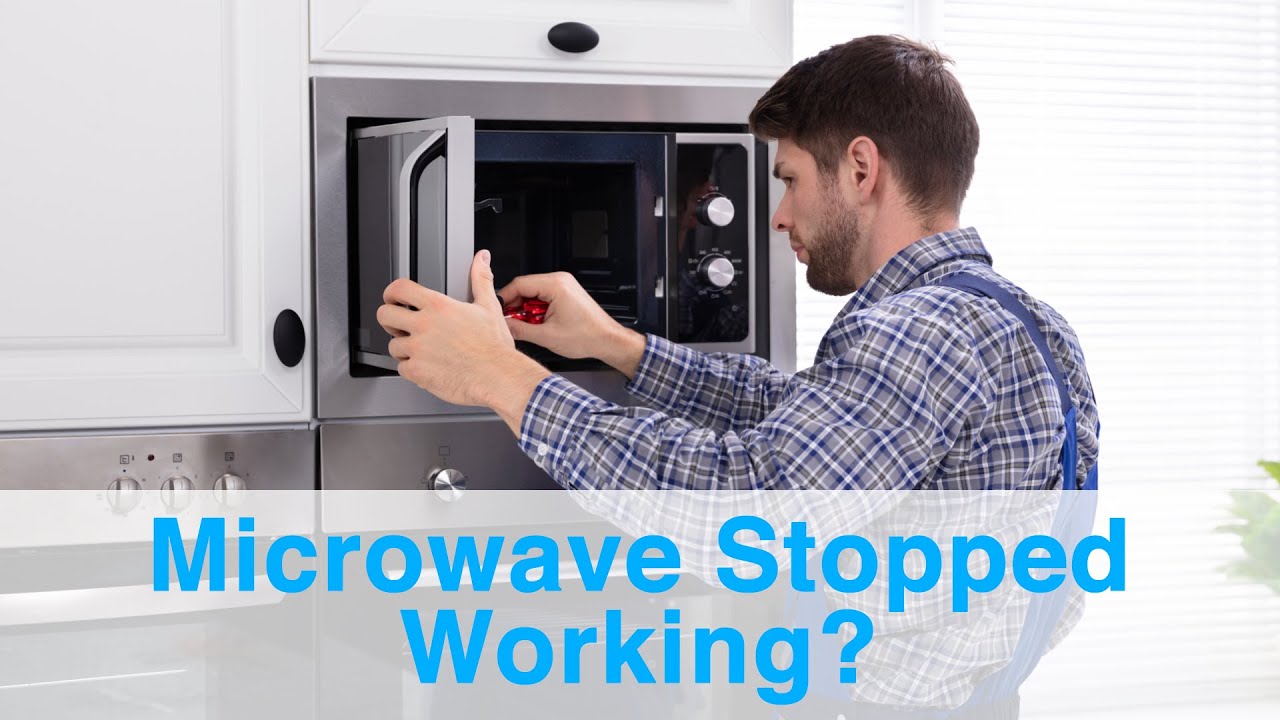
Most microwaves stop working due to blown fuses, door switch faults, or power issues.
If you’ve ever asked why do microwaves stop working, you’re not alone. I’ve repaired dozens in homes and shops, and the reasons are often simple, hidden, and preventable. This guide breaks down why do microwaves stop working, how to diagnose common faults, and what to fix or replace with confidence.
What Makes a Microwave Stop Working
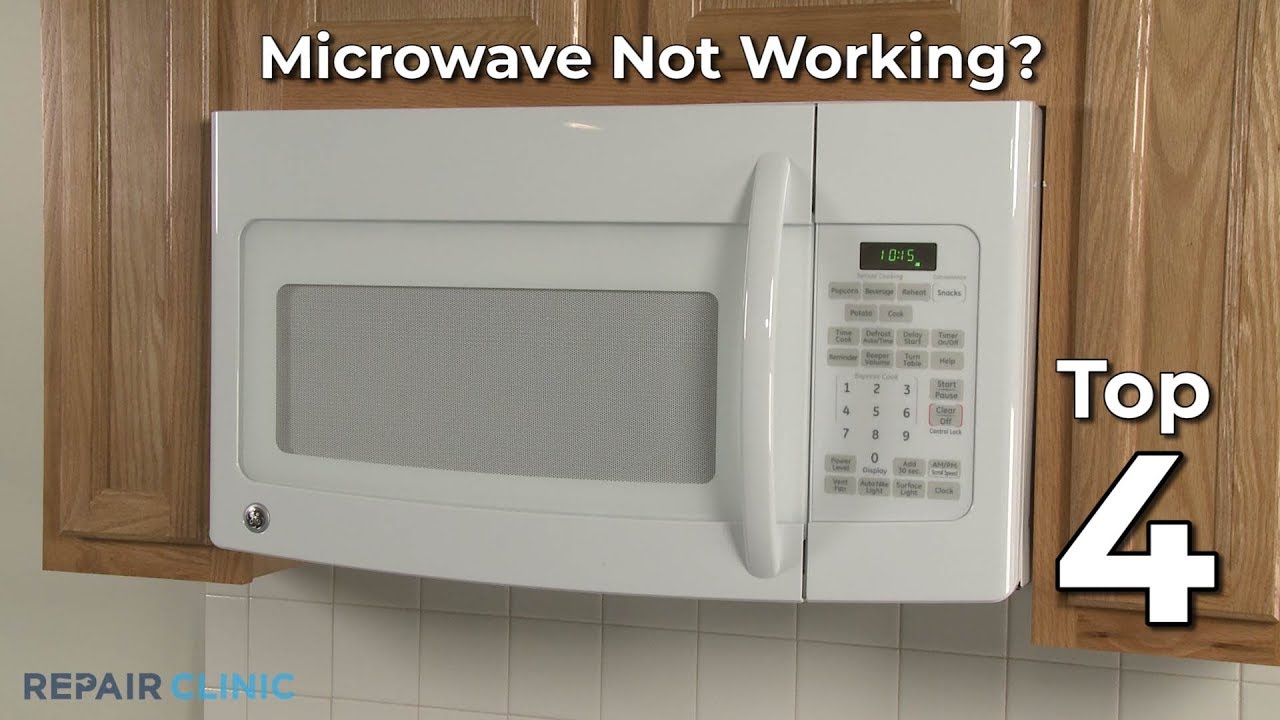
Microwaves run on a tight system of power, safety switches, control boards, and a high-voltage circuit. When one part fails, everything can stop. Most failures come from power loss, bad door switches, or a broken heating path.
If you wonder why do microwaves stop working, start with the basics. Is there power? Does the light turn on? Does the turntable move? Small clues point to the root cause fast.
I’ve seen units die after a storm, after a slammed door, or after running empty. Each case leaves a tell. Learn these signs and you’ll save time and money.
Safety First: What You Should and Shouldn’t Do
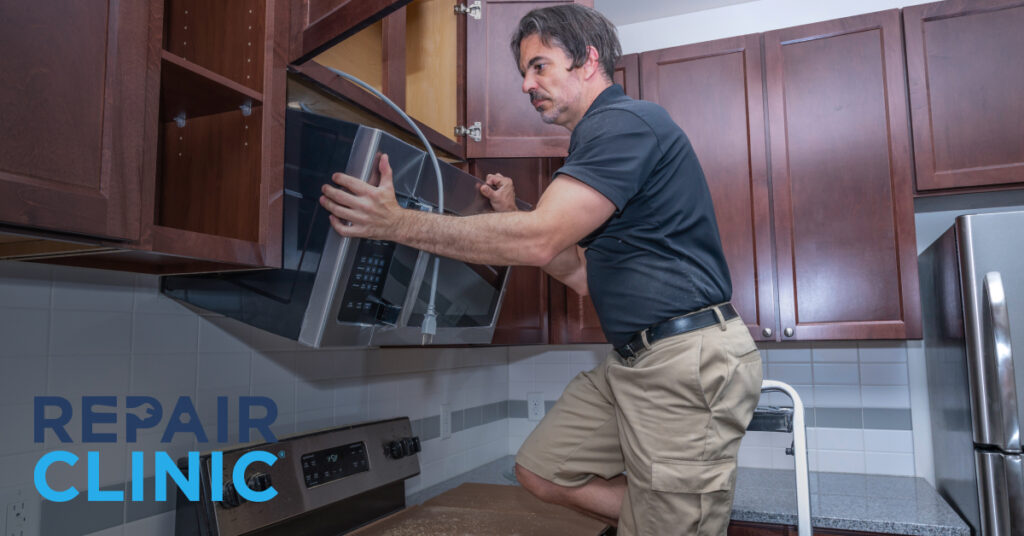
Microwaves store high voltage even when unplugged. The capacitor can hold a lethal charge. Do not open the cabinet unless you are trained and have the right tools.
Stay on the safe side for internal work. Leave magnetron, high-voltage diode, capacitor, inverter board, and transformer checks to a pro. Stick to safe steps like outlet tests, resets, and basic cleaning.
Industry guidelines warn about the shock risk and radiation shielding. That is why door parts and interlocks are safety critical. Respect these parts.

Quick Diagnostics You Can Do at Home
You can spot many issues without opening the case. These steps help you decide the next move fast.
- Check the outlet by plugging in a lamp or phone charger.
- Reset the breaker or GFCI if it tripped.
- Try another outlet on a different circuit.
- Inspect the power cord for burns or kinks.
- Open and close the door firmly. Listen for clean clicks from the latches.
- Run a 1-cup water test for 1 minute to confirm heating.
- If the display is dead, look for a hidden reset or eco mode.
These simple checks answer why do microwaves stop working in many homes. Often, the fix is a bad outlet or a tripped breaker.
Power Problems That Cut Everything Off
If the display is dark and nothing responds, focus on power. This is the most common cause of a dead microwave.
- Tripped breaker or GFCI The microwave draws a lot of current. A weak circuit may trip.
- Bad outlet Loose contacts or heat damage can cut power under load.
- Blown line fuse Inside the unit, a surge can pop the fuse. The fuse is a safety device, not a root cause.
- Thermal cutoff blown Overheating can open a safety thermostat until it cools or is replaced.
When people ask why do microwaves stop working after a storm, a surge is often to blame. A surge strip helps, but a proper surge protector is better.

Door and Interlock Issues That Stop Cooking
If lights come on but it will not start, suspect the door system. The door has switches that confirm it is shut. If a switch fails or the latch is bent, the control will block cooking.
- Signs The unit runs only when you press the door, or it starts and stops.
- Cause Worn plastic latches or misaligned hinges from slamming.
- Fix Realign or replace the door latch or switch. This is simple for a pro and not costly.
In my experience, door issues answer why do microwaves stop working more often than people think. They are also preventable. Do not slam the door. Press Stop, then close it gently.
Heating System Failures: Magnetron, Diode, and Capacitor
When the turntable spins and the light is on, but the food stays cold, the high-voltage circuit is at risk. This is where most no-heat cases live.
- Magnetron This creates the microwaves. A worn or shorted magnetron stops heating or makes a loud buzz.
- High-voltage diode This rectifies high voltage. A shorted diode blows fuses. An open diode gives no heat.
- High-voltage capacitor This stores energy. A failed cap can hum and overheat, or stop heating.
- Transformer or inverter Older models use a heavy transformer. Newer inverter units modulate power. Both can fail under load.
Do not test these parts yourself. They can kill. If you keep asking why do microwaves stop working when everything else looks fine, this is the zone to call a tech.
Control Board, Sensors, and Motors
Sometimes the brain or small parts are at fault. These issues are less risky to spot, but still need skill to fix.
- Control panel or PCB Symptoms include random resets, dead keys, strange codes, or programs that freeze.
- Thermal sensors If a sensor fails, the unit may shut down to protect itself.
- Turntable motor The plate will not spin. Food heats unevenly, but the unit may still cook.
- Cooling fan If the fan fails, the unit overheats and stops mid-cycle.
Service manuals show that control faults are less common than power or door faults. Still, they can explain why do microwaves stop working without warning.

Repair or Replace: Cost, Age, and Efficiency
Microwaves last about 7 to 10 years on average. Countertop models cost less to replace. Built-in and over-the-range models cost more to install, so repair makes sense more often.
- Repair is worth it For door switches, fuses, simple sensors, and turntable motors.
- Replace makes sense For a bad magnetron or inverter on an older unit, or when parts cost near half the price of a new unit.
- Time matters If it is your main cooking tool, factor in downtime and install costs.
This is the honest answer when people ask why do microwaves stop working and what to do next. Run the numbers, and choose the path with less total pain.
Maintenance Habits That Prevent Breakdowns
A little care goes a long way. It also cuts the risk of hot spots and smells.
- Keep vents clear Leave room around the unit. Clean grease filters on over-the-range models.
- Clean the cavity Wipe spills fast. Cover splatters. Food residue can arc and stress parts.
- Use microwave-safe cookware Metal trim or twist ties can cause sparks and damage.
- Do not run empty It can overheat the magnetron.
- Close the door gently This protects latches and switches.
If you build these habits, you will ask why do microwaves stop working far less often. Simple daily care beats repair bills.
A Simple Troubleshooting Checklist
Use this short flow before you call for help. It saves time and avoids risk.
- Is the outlet live and the breaker reset?
- Does the display work and do buttons respond?
- Does the door click twice and feel solid?
- Does it heat 1 cup of water in 1 to 2 minutes?
- Do you hear odd buzzing, loud hum, or smell burning?
- Did it shut off mid-cycle and feel very hot on the side?
If any step fails, note the symptom and model number. This context helps a tech zero in fast on why do microwaves stop working and what your unit needs.
Frequently Asked Questions of why do microwaves stop working
Why did my microwave stop working but the outlet is fine?
The internal line fuse or a thermal cutoff may have blown from a surge or heat. A failed door switch can also block power to the controls.
Why does my microwave run but not heat?
The issue is likely in the high-voltage system. Common parts are the magnetron, high-voltage diode, capacitor, or inverter board.
Can I replace a microwave fuse myself?
External breakers and GFCIs are safe to reset. Internal fuses sit near high-voltage parts, so use a pro to avoid shock risk.
Why does my microwave trip the breaker?
A shorted diode, bad transformer, or a failing magnetron can draw too much current. Sometimes the circuit is overloaded with other appliances.
Is it worth fixing an old microwave?
If it is over 8 years old and needs a magnetron or inverter, replacement is often cheaper. Simple door or control issues can still be worth fixing.
Why does my microwave shut off mid-cycle?
Overheating can trip a thermal cutoff if vents are blocked or the fan failed. Clean filters and ensure airflow before using it again.
Why do microwaves stop working after slamming the door?
Slamming can damage the latch or misalign door switches. This confuses the safety system and prevents the unit from starting.
Conclusion
Most microwave failures come down to power loss, door switch faults, or a failed high-voltage part. With safe checks, smart habits, and clear notes, you can pinpoint the cause and decide on repair or replacement with less stress. If the issue is inside the high-voltage path, call a pro without delay.
Put the tips here to work today. Keep vents clear, handle the door gently, and do a quick monthly water test. Want more guides like this? Subscribe, share your microwave model in the comments, and tell me the symptom you are seeing.