Why are Microwaves Harmful: Unveiling the Hidden Dangers
Microwaves are everywhere—at home, in offices, and even in restaurants. They make cooking fast and easy. With just a few presses of a button, you can have a hot meal in minutes. But as microwaves become more common, questions about their safety also grow.
Are microwaves truly harmless, or do they pose risks we often ignore? Many studies and debates focus on this topic, and the answers are not always simple.
This article explores why microwaves can be harmful, how they may affect our health, and what you should know before using one daily. We will cover the science behind microwaves, the main concerns, and insights most people miss. Whether you use a microwave every day or only sometimes, understanding these points can help you make smarter choices about your food and your well-being.
What Are Microwaves And How Do They Work?
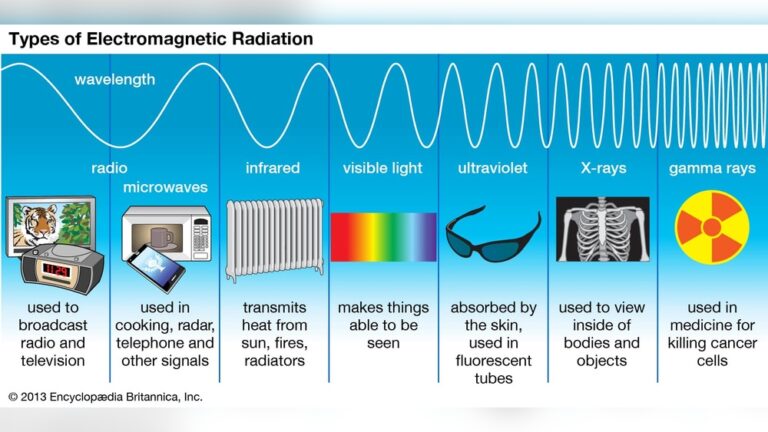
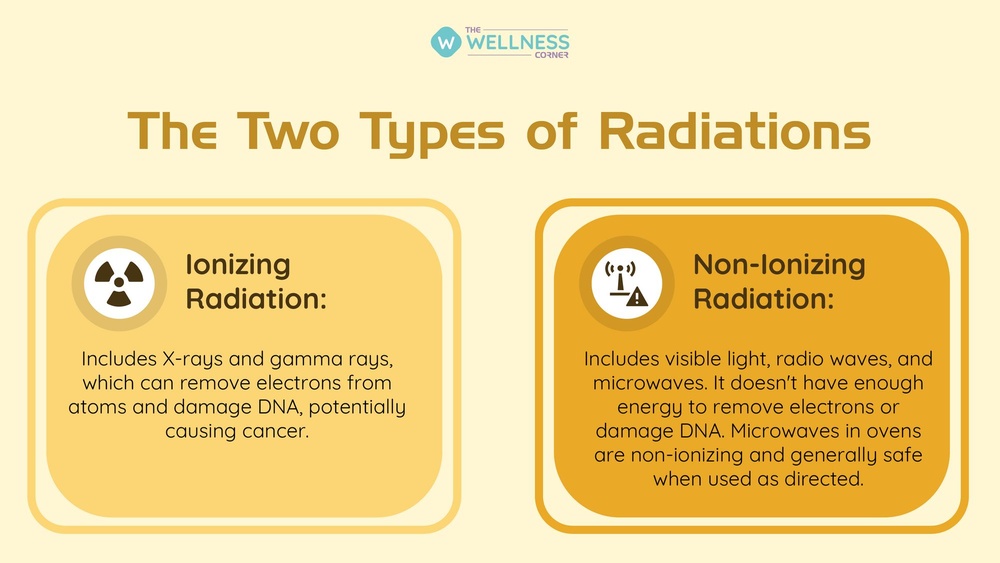
Microwaves are a type of electromagnetic radiation. They sit between radio waves and infrared waves on the electromagnetic spectrum. In a microwave oven, these waves are produced by a device called a magnetron. The waves bounce around inside the oven and are absorbed by water, fat, and sugar molecules in your food. This energy makes the molecules vibrate, creating heat and warming up your meal.
Microwave ovens cook food much faster than traditional ovens. However, this speed comes from how energy is delivered—directly to molecules instead of from the outside in. The process seems simple, but it has hidden effects on food and possibly on health.
Main Reasons Why Microwaves Can Be Harmful
1. Uneven Heating And Cold Spots
Microwaves heat food unevenly. Since waves do not penetrate food deeply, the outside heats much faster than the center. This can leave some parts cold while others are hot.
This is not just a problem for taste. Cold spots can let bacteria survive, especially in meats and leftovers. Eating food that is not heated evenly can lead to food poisoning. For example, a study by the USDA found that microwaved foods often fail to reach safe temperatures throughout, especially in thick pieces of food.
2. Nutrient Loss During Cooking
Heating food changes its nutrients. All cooking does this, but microwaves can cause special problems. The rapid movement of molecules can break down vitamins and antioxidants faster than traditional cooking.
One study showed that microwaving broccoli destroyed up to 97% of its antioxidants, compared to just 11% loss when steamed. Vitamin C, especially, is sensitive to microwave cooking. While some nutrients are lost with any heat, microwaves can increase this loss if food is overcooked.
3. Leaching Of Chemicals From Containers
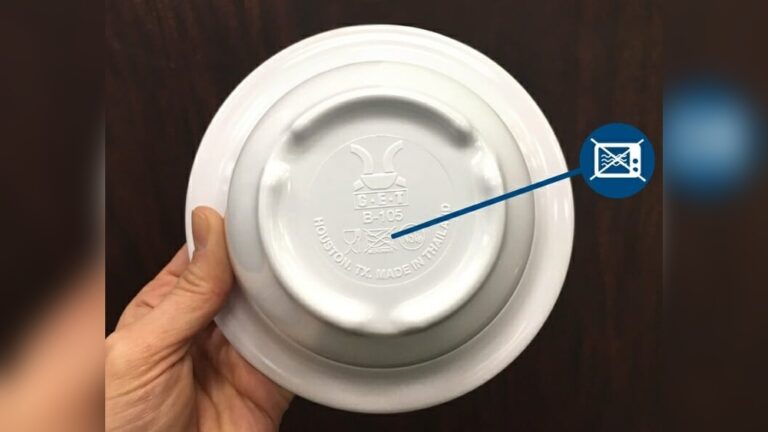
Many people use plastic containers to microwave their food. This is convenient, but it brings risk. When plastics are heated, they can release chemicals like BPA (bisphenol A) and phthalates into food. These chemicals are linked to hormone disruption and other health problems. Even plastics labeled “microwave-safe” can sometimes leach small amounts of chemicals, especially if the plastic is old, scratched, or heated for a long time.
A 2012 study published in Environmental Health Perspectives found that over 90% of tested plastics leached hormone-like chemicals when microwaved. This risk is higher with fatty foods, which absorb more chemicals from plastic.
4. Radiation Leakage
Microwave ovens are designed to keep radiation inside. The metal box and mesh on the door block most waves. However, faulty seals, damaged doors, or cheap manufacturing can lead to leakage. While the amount is usually low, constant exposure over years may increase risks. People with pacemakers or other electronic implants may be more sensitive to leakage.
It is important to check your microwave regularly for signs of wear. If the door does not close properly or the seal is broken, it is safer to replace the oven.
5. Changes In Food Structure
Microwaves do not just heat food; they alter its structure. The rapid, uneven heating can create new compounds in food. Some of these, like certain advanced glycation end products (AGEs), can promote inflammation and disease if eaten in large amounts. Microwaving protein-rich foods can also form compounds that are harder for the body to digest.
Most people do not notice these changes, but over time, they may affect digestion or long-term health. Traditional cooking methods usually create fewer of these compounds.
6. Risks For Pregnant Women And Children
Young children and pregnant women are more sensitive to environmental risks. Chemicals from plastics, unevenly cooked food, and any possible radiation can affect developing bodies. While there is no proof that microwave use causes birth defects, the risk from chemical exposure is higher for babies and children.
Experts suggest that pregnant women and families with young children should be extra careful about how they use microwaves—avoiding plastic containers and ensuring food is heated evenly.
7. Potential Effects On The Heart
Some early research suggested that microwave radiation could affect the heart. In rare cases, people have reported changes in heart rate or rhythm after standing close to a microwave for long periods. While these cases are rare and not proven in large studies, people with heart conditions or pacemakers may want to be cautious.
The FDA sets safety standards for microwaves, but old or damaged ovens may not block all radiation. Keeping a safe distance while the oven is running is a simple way to lower any risk.
8. Microwave Burns And Steam Explosions
Because microwaves heat food quickly, it is easy to get burns from hot containers or steam. Eggs, baby formula, and certain foods can explode if not heated properly. Superheated water (water heated beyond boiling without bubbling) can also burst suddenly when disturbed.
Burn injuries from microwaves are common in emergency rooms, especially among children. Always use microwave-safe gloves and let food sit for a minute before removing the lid or stirring.
9. Decreased Food Quality And Texture
Microwaving can change the texture and taste of food. Bread becomes rubbery, and some meats turn tough. This is not just about flavor. Changes in texture may also make food less enjoyable, leading people to eat less nutritious meals or add unhealthy sauces to cover the taste.
Over time, eating mostly microwaved food may reduce your interest in fresh, whole foods.
10. Over-reliance On Processed Foods
Microwaves make it easy to eat processed foods. Ready meals and snacks are often high in sodium, sugar, and preservatives. A diet heavy in microwaved, processed foods increases the risk of obesity, heart disease, and diabetes.
Using the microwave less can encourage healthier cooking habits and more balanced meals.

Credit: fightbac.org
Comparing Microwave Cooking With Other Methods
How does microwave cooking compare with other common methods? Here’s a simple look at cooking methods and their main differences:
| Cooking Method | Heating Speed | Nutrient Loss | Risk of Chemical Leaching |
|---|---|---|---|
| Microwave | Very Fast | Medium to High | High (with plastic) |
| Stovetop (Boil/Steam) | Medium | Low to Medium | Low |
| Bake/Roast | Slow | Medium | Low |
Microwaves are best for speed but carry more risks if not used carefully.
Non-obvious Insights Most People Miss
Many people think microwave safety is only about avoiding metal or not overheating food. But some deeper points are often missed:
- Regular use of plastics in microwaves can build up small chemical exposures over time. Even if you cannot taste or smell anything, these chemicals may still affect your body.
- Standing close to the microwave every time you use it increases exposure, especially if the seal is worn. Moving a few steps away while it runs is a simple way to reduce risk.
Common Microwave Mistakes To Avoid
Some mistakes make microwave use more dangerous. Here are a few to watch out for:
- Using non-microwave-safe containers (like yogurt cups or takeout boxes)
- Heating food unevenly (not stirring or covering food)
- Microwaving eggs in their shell (can explode)
- Not letting food rest after heating (this helps even out the temperature)
- Ignoring signs of damage (broken doors, cracked glass)
Who Should Be Extra Careful?
Certain groups face higher risks from microwave misuse:
- Pregnant women: Chemicals from plastics can affect fetal development.
- Children: More likely to get burns or eat undercooked food.
- Elderly people: May have weaker immune systems, making food poisoning more dangerous.
- People with heart devices: Radiation, although low, can sometimes interfere with pacemakers.
What The Experts Say
Health agencies, like the World Health Organization, agree that microwaves are generally safe if used correctly. But they warn against using plastic containers and recommend checking ovens for damage. Many food safety experts also stress the importance of stirring and letting food rest after microwaving.
You can read more in detail on the World Health Organization’s website.
Practical Tips For Safer Microwave Use
If you use a microwave, you can reduce risks with these simple steps:
- Use only glass or ceramic containers marked as microwave-safe.
- Avoid heating fatty foods in plastic.
- Stir food halfway through heating and let it rest for a minute before eating.
- Clean the door seals regularly and check for damage.
- Keep a safe distance while the microwave is running.
- Avoid microwaving baby bottles or formula.
Data: Microwave-related Injuries
To understand the scale of risk, here is a comparison of kitchen injuries:
| Injury Type | Annual Incidents (US) | Main Cause |
|---|---|---|
| Microwave Burns | ~7,000 | Hot containers, steam, superheated liquids |
| Stovetop Burns | ~20,000 | Open flames, hot oil |
| Food Poisoning (Microwave) | Unknown, estimated 1,000+ | Uneven heating |
Microwaves are not the most dangerous tool in the kitchen, but they do cause thousands of injuries each year—mostly due to preventable mistakes.
When Should You Avoid Microwaves?
There are times when it is better to avoid using the microwave:
- When heating baby formula or food for infants.
- When you need even cooking (e.g., large pieces of meat).
- When using plastic containers not marked as microwave-safe.
- If your microwave is old, damaged, or has a broken door.
Credit: thehealthsciencesacademy.org
Frequently Asked Questions
How Much Radiation Does A Microwave Emit?
Microwave ovens are built to keep most radiation inside. The FDA allows only a tiny amount—about 5 milliwatts at a short distance. This level is much lower than what can harm humans. However, if the door or seal is broken, more radiation can leak. It is wise to check your microwave often.

Credit: thehealthsciencesacademy.org
Is It Safe To Microwave Food In Plastic Containers?
It is best to avoid plastic containers, even if they are labeled as microwave-safe. Heating can cause chemicals like BPA to leach into your food. Glass or ceramic is safer, especially for hot or fatty foods.
Can Microwaves Destroy Nutrients In Food?
Yes, microwaving can reduce levels of vitamin C and antioxidants, sometimes more than boiling or steaming. The loss depends on the food, container, and cooking time. Overcooking in the microwave increases nutrient loss.
Are Microwaves Dangerous For Pregnant Women?
Pregnant women should be careful, mainly about chemical exposure from plastics. There is no strong evidence that microwaves cause birth defects, but limiting exposure is a good idea.
What Foods Should Never Be Microwaved?
Avoid microwaving eggs in their shells, breast milk, grapes, and processed meats. These foods can explode, change in unhealthy ways, or absorb chemicals from containers.
Microwaves are a helpful tool, but they are not risk-free. By understanding the main dangers—like chemical leaching, uneven heating, and burns—you can use them more safely. Remember to use proper containers, check for damage, and stir food well. If you have special health concerns, talk to a doctor about the best ways to heat your food.