How to Measure for an Over the Range Microwave: Easy Step-by-Step Guide
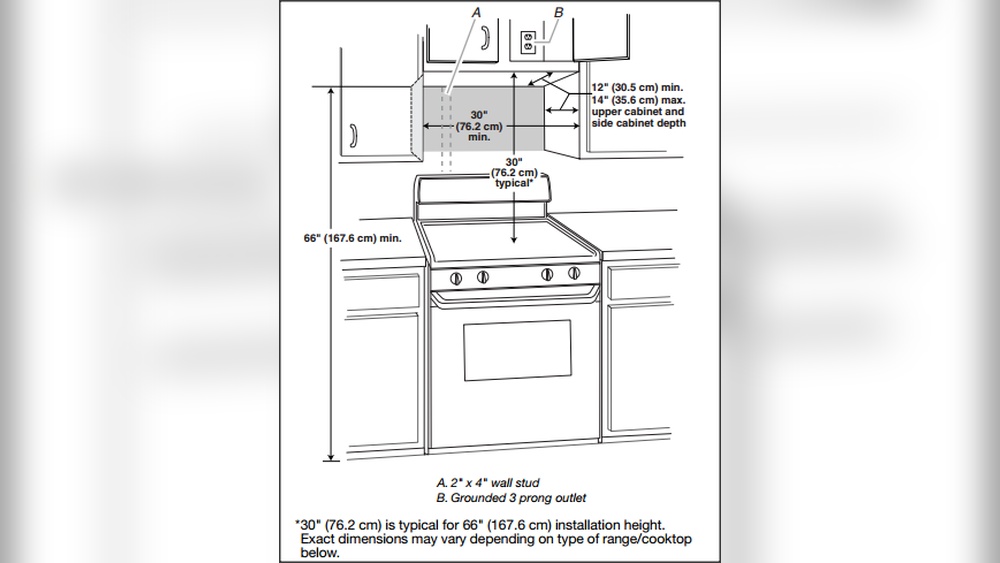
Thinking about upgrading your kitchen with an over-the-range microwave? Before you make a purchase, it’s crucial to get your measurements right.
Measuring for an over-the-range microwave isn’t just about fitting the appliance into the space—it’s about making sure it works safely and comfortably above your stove. If the microwave is too low, it could be a hazard when cooking; too high, and it might be hard to use.
In this guide, you’ll learn exactly how to measure the width, height, depth, and clearance you need, so your new microwave fits perfectly and keeps your kitchen safe. Keep reading, and you’ll avoid costly mistakes while making your cooking space both stylish and functional.

Credit: www.youtube.com
Key Measurements To Check
Measuring for an over the range microwave requires careful attention to key dimensions. These measurements ensure the microwave fits well and operates safely above your cooktop. Checking the right distances helps avoid installation problems and maintains kitchen safety.
Cooktop To Cabinet Bottom
Measure the distance from the cooktop surface to the bottom of the cabinet above it. This space must be enough to fit the microwave and allow proper ventilation. Most manufacturers recommend a minimum clearance of 30 inches here. This gap prevents heat damage to the cabinet and microwave.
Cooktop To Microwave Bottom
Check the distance between the cooktop surface and the bottom edge of the microwave. This measurement affects your cooking comfort and safety. The microwave should be high enough to avoid contact with pots or pans on the cooktop. A common clearance is about 13 to 16 inches, depending on stove type and microwave model.
Importance Of Proper Clearance
Proper clearance is key when installing an over the range microwave. It affects how the microwave works and how safe your kitchen stays. Too little space can cause heat damage or make the microwave hard to use. Correct clearance keeps your cooking area safe and comfortable.
Safety Considerations
Clearance prevents heat from damaging the microwave’s parts. Gas stoves produce high heat that can harm seals and electronics. Proper space stops this damage and lowers fire risk. It also helps keep steam and smoke from building up inside the microwave. Safe clearance protects your kitchen and your microwave’s lifespan.
Ease Of Use
Enough clearance makes cooking easier and more comfortable. It gives space for pots and pans without hitting the microwave. This space helps avoid spills and accidents. You can reach controls and open the door easily. Proper clearance means safer, smoother cooking every day.
Measuring Your Space
Measuring your space correctly is key for a smooth over the range microwave installation. It helps avoid buying a microwave that does not fit well or causes safety issues. Take clear, accurate measurements before shopping. Focus on the width, depth, height, ventilation, and mounting needs. This ensures your new microwave fits perfectly above your stove.
Width And Depth
Measure the width of the cabinet or space above your range. Use a tape measure from one side to the other. Note the depth from the wall to the front edge of the cabinet. Your microwave must fit within these limits. Leave a small gap for proper air flow and ease of installation.
Microwave Height
Check the height between the cooktop and the bottom of the cabinet. This space limits the microwave’s height. Most models require at least 13 to 16 inches of clearance. Keep enough room to use pots and pans safely without hitting the microwave.
Ventilation Requirements
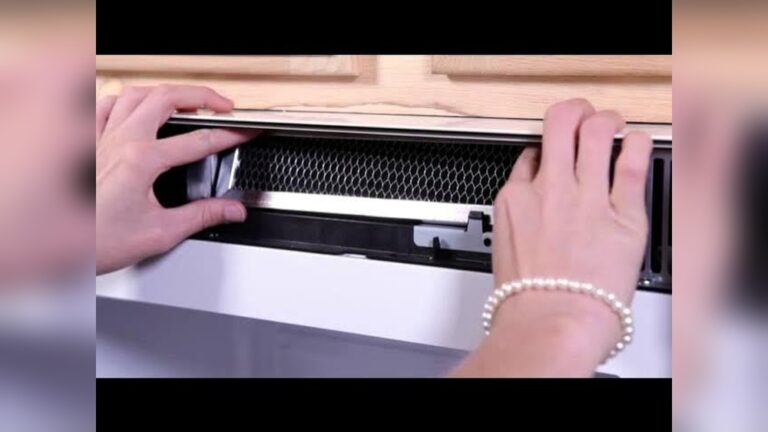
Over the range microwaves need proper ventilation to remove smoke and steam. Measure the vent opening size if your microwave will use existing ductwork. Some models recirculate air and need filters. Know your kitchen’s vent setup before buying to match the microwave’s ventilation needs.
Mounting Bracket Compatibility
Check the cabinet or wall where you will mount the microwave. Measure the distance between mounting screws or holes. Compare this to the microwave’s mounting bracket size and style. Make sure your wall or cabinet can support the microwave’s weight and bracket type.
Step-by-step Measuring Process
Measuring for an over the range microwave is a key step before purchasing or installing. Precise measurements help ensure the microwave fits well and works safely above your stove. Follow this step-by-step measuring process to get accurate dimensions and avoid costly mistakes.
Gathering Tools
Start by collecting the right tools. You will need a tape measure, a pencil, and a notepad. A ladder or step stool helps you reach high areas. Having a level can assist with checking flat surfaces. These tools make measuring easier and more accurate.
Measuring Stove To Cabinet
Measure the distance from the stove cooktop to the bottom of the cabinet above. This space is important for safety and usability. Use the tape measure to find the exact height. Write down this number carefully. Make sure to measure at several points and note the smallest measurement.
Measuring Cabinet Opening
Next, measure the width and height of the cabinet opening. Measure the inside width between the cabinet sides. Then measure from the cabinet bottom to the top inside edge. Record these numbers as they determine the microwave size you can install. Double-check your measurements for accuracy.
Checking Venting Setup
Identify your kitchen’s venting system. Some microwaves vent outside, others recirculate air. Measure the vent opening size and note its location. Check if the vent is at the top or back of the cabinet. This affects microwave placement and installation requirements. Knowing the vent setup avoids future installation problems.
Choosing The Right Microwave Size
Choosing the right microwave size is essential for a perfect fit in your kitchen. It affects both the look and function of your cooking space. A microwave that is too big or too small can cause installation problems and reduce convenience. Taking accurate measurements helps you select a model that blends well and works efficiently above your range.
Matching Dimensions
Start by measuring the width, height, and depth of the space above your stove. Check the cabinet width and height as well. The microwave must fit within these limits without blocking cabinets or walls. Compare these numbers to the microwave’s listed dimensions. Leave some extra space for ventilation and ease of installation.
Considering Stove Type
Note whether you have a gas or electric stove. Gas stoves require more clearance below the microwave to avoid heat damage. Electric stoves usually need less space. Measure from the cooktop surface to the bottom of the microwave’s mounting area. Follow manufacturer recommendations for the minimum distance to ensure safety and usability.
Planning For Ventilation
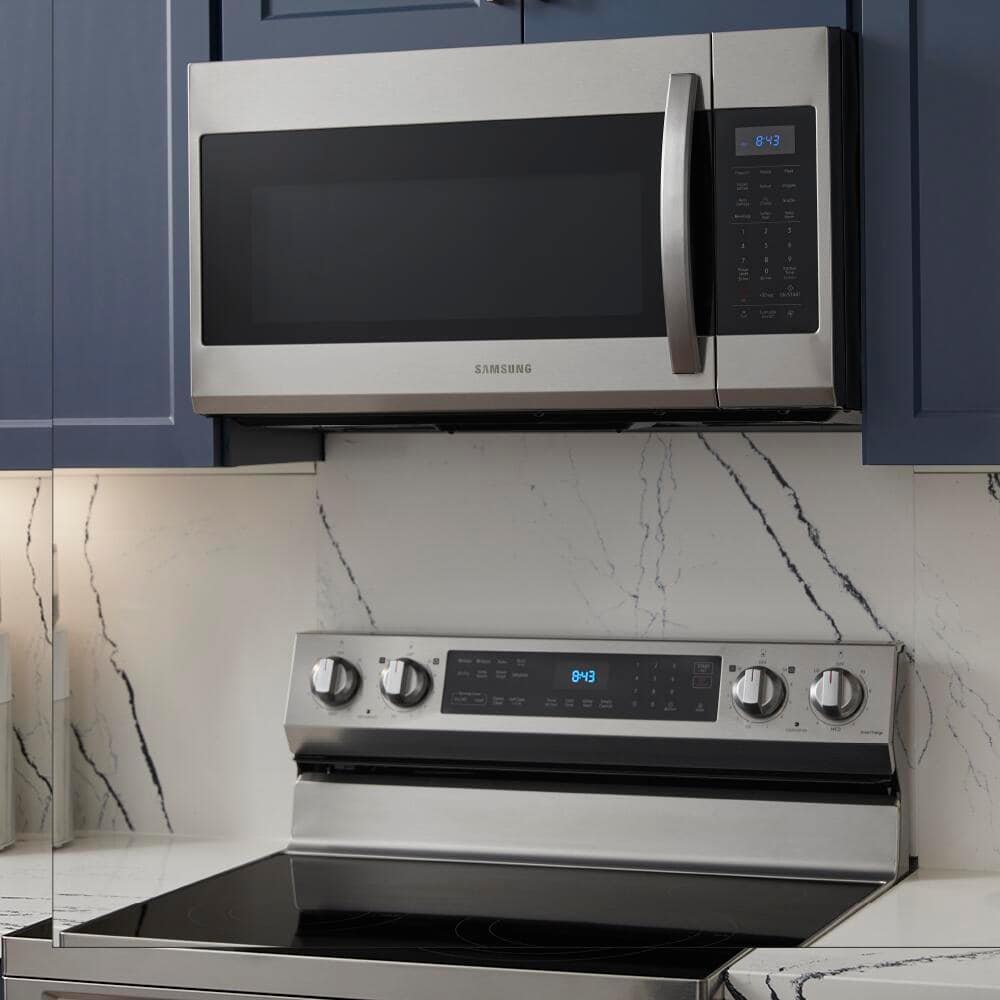
Ventilation is crucial for an over-the-range microwave. It removes smoke, steam, and odors while cooking. Check if your microwave vents out through the wall or recirculates air inside. Allow enough space for proper air flow. Poor ventilation can lead to overheating and reduce the microwave’s life span.
Credit: www.homedepot.com
Common Installation Tips
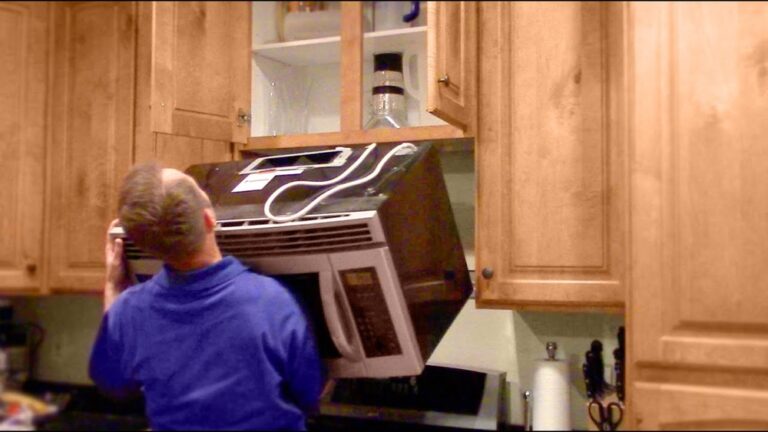
Installing an over the range microwave requires careful attention to detail. Following common installation tips helps ensure a safe and secure fit. These tips focus on consulting the manufacturer’s manual, ensuring the bracket fits properly, and verifying clearance during installation.
Consulting Manufacturer’s Manual
Start by reading the manufacturer’s manual carefully. It provides exact measurements and installation instructions. The manual highlights important safety requirements and clearance needs. Use the manual to avoid errors that can damage the microwave or kitchen.
Ensuring Proper Bracket Fit
Check that the mounting bracket fits your microwave model. The bracket must align with the screw holes on the microwave. Secure the bracket firmly to the wall or cabinet frame. A loose bracket can cause the microwave to fall or shift during use.
Verifying Clearance During Installation
Measure the space between the stove and microwave bottom. Maintain the recommended clearance for safety and usability. Ensure the microwave does not block stove ventilation or lights. Double-check measurements before finalizing the installation.
Troubleshooting Fit Issues
Measuring for an over the range microwave can sometimes lead to fit issues. These problems often arise from differences in mounting brackets, cabinet sizes, or venting requirements. Knowing how to troubleshoot these common concerns helps ensure a smooth installation. Below are key tips to handle these fit challenges effectively.
Handling Different Mounting Brackets
Microwaves come with various mounting brackets. Some are designed for easy snap-in installation. Others require screws or special hardware. Check the bracket type before buying your microwave. Measure the distance between mounting holes on your wall or cabinet. Match these with the microwave’s bracket measurements. If they differ, consider using an adapter plate. This can help secure the microwave safely. Never force a bracket that does not fit. It may cause damage or unsafe installation.
Adjusting For Unusual Cabinet Sizes
Cabinet sizes vary widely across kitchens. Some cabinets may be too shallow or too narrow for standard microwaves. Measure your cabinet depth, width, and height carefully. Compare these with the microwave’s dimensions. If your cabinet is smaller, look for compact models. Custom trim kits can fill gaps around the microwave. These kits create a neat, built-in look. For very tight spaces, consider adjusting the cabinet or consulting a professional. Proper fit prevents vibration and improves safety.
Dealing With Venting Limitations
Venting is crucial for over the range microwaves. Some kitchens have limited space for vent ducts. Measure the vent opening size and location before installation. Check if your microwave vents recirculate air or exhaust it outside. Recirculating models use filters but need space for air flow. If venting space is tight, choose a microwave with flexible vent options. Installing vent extensions or rerouting ducts may be necessary. Proper venting avoids heat buildup and maintains appliance efficiency.
Frequently Asked Questions
What Does 2.1 Cu Ft Mean For A Microwave?
2. 1 cu ft means the microwave’s internal cooking space volume is 2. 1 cubic feet. It defines how much food fits inside. Larger cu ft microwaves hold bigger dishes and more food. This size suits families needing extra cooking capacity without occupying too much kitchen space.
Are All Over The Range Microwaves 30 Inches Wide?
Not all over-the-range microwaves are 30 inches wide. Sizes vary, so measure your space before buying to ensure proper fit.
How Far Should Over The Range Microwave Be From Stove?
Install the over-the-range microwave 13 to 30 inches above the stove surface. Follow your microwave’s manual for exact clearance. This distance ensures safety and ease of use while preventing heat damage. Always measure your space before purchasing to confirm proper fit and ventilation.
Conclusion
Measuring for an over the range microwave takes careful attention. Always check the distance from your cooktop to the microwave’s bottom. This space ensures safety and ease of use. Use your microwave’s installation guide for exact numbers. Measure your kitchen area before buying to avoid fitting issues.
Taking these simple steps helps you choose the right microwave size. A well-measured microwave will fit perfectly and work efficiently. Keep these tips in mind for a smooth installation process.