How to Fix the Microwave Heat: Easy Steps to Restore Power
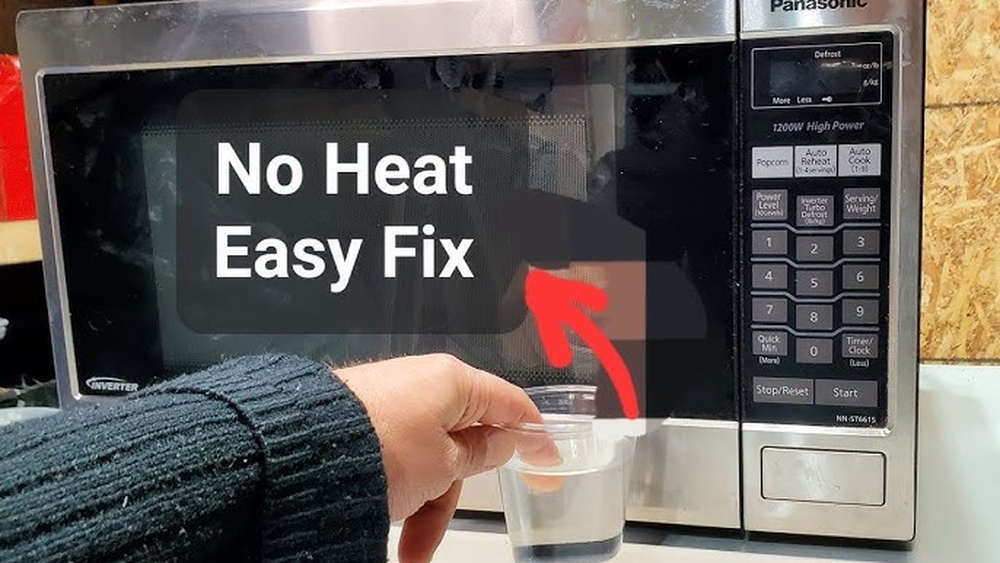
Is your microwave running but not heating your food? It’s frustrating when your trusty appliance stops doing the one thing it’s supposed to—heat!
Before you rush out to buy a new microwave, there are simple steps you can take to troubleshoot and possibly fix the problem yourself. In this guide, you’ll learn easy checks you can do right now, plus what to watch out for if the issue runs deeper.
Whether it’s a loose door, a tricky setting, or a part that needs replacement, you’ll find clear advice to get your microwave heating again safely and quickly. Keep reading—you might save yourself time, money, and a lot of hassle!
Quick Power Checks
Quick power checks help identify simple issues causing your microwave not to heat. These checks are easy and do not require tools. Start here before exploring complex repairs. Power problems often block microwave heating.
Follow these steps carefully to test your microwave’s power source. Fixing power supply issues can restore microwave heat quickly. Each step ensures the microwave receives stable electricity for proper heating.
Verify Outlet And Breaker
Check if the microwave is plugged into a working outlet. Try plugging in another device to test the outlet. If the outlet is dead, reset the circuit breaker or replace the fuse. A tripped breaker stops power flow, causing heating failure.
Look for any signs of damage on the outlet. Loose or damaged outlets can cause intermittent power. Secure or replace the outlet if needed. Reliable power supply is crucial for microwave heating.
Inspect Power Cord
Examine the microwave’s power cord for cuts or frays. Damaged cords can block electricity and stop heating. Unplug the microwave before inspecting the cord. Replace the cord if you find visible damage.
Make sure the cord is firmly plugged into the outlet. Loose connections can cause power loss. Straighten any bends or twists to prevent wire damage. A healthy power cord supports steady microwave function.
Reset Microwave
Unplug the microwave from the power source for about one minute. This action resets the microwave’s internal electronics. Plug it back in and test if it heats properly. Resetting clears minor electronic glitches.
Press the stop or cancel button before unplugging. This ensures the microwave stops all functions safely. Resetting often solves simple power or control errors. Repeat the reset if heating issues continue.

Credit: www.youtube.com
Door And Settings
The microwave door and settings play a key role in its heating function. A microwave won’t heat properly if the door does not close firmly or if the settings are incorrect. Small issues with the door latch or control panel can stop the microwave from working right.
Checking these parts first can save time and money before looking into more complex repairs. Follow the steps below to ensure your microwave door and settings are correct for proper heating.
Ensure Door Closes Firmly
The microwave door must close completely for it to heat. A loose or misaligned door stops the microwave from starting. Check the door latch for damage or dirt. Clean the door edges and latch with a dry cloth. Press the door shut and listen for a click. If it does not click, the door switch may not activate. Adjust the door or replace the latch if needed.
Disable Demo Mode
Some microwaves have a Demo Mode for store displays. This mode stops the microwave from heating while showing the controls. Check your microwave’s manual to see if Demo Mode is on. Usually, holding specific buttons together for a few seconds will turn it off. Turning off Demo Mode allows the microwave to heat as usual.
Check Control Lock
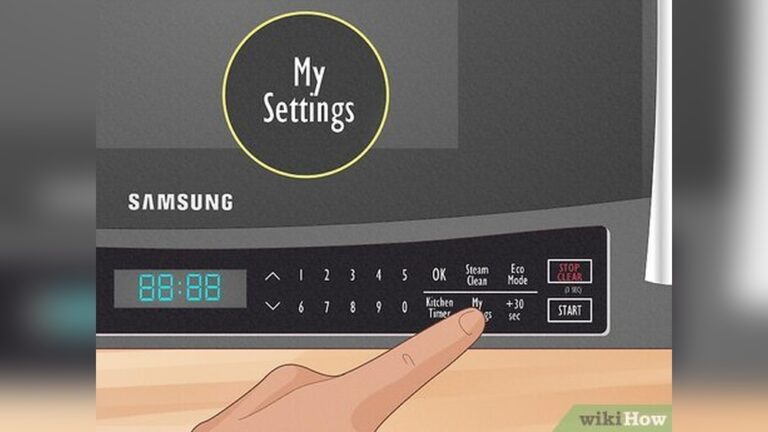
The Control Lock feature prevents accidental changes to the settings. If Control Lock is on, the microwave may not start heating. Look for a lock icon or check the manual to see how to disable it. Usually, pressing and holding the “Stop” or “Clear” button for a few seconds will unlock the controls.
Set Proper Power Level
Microwaves need the correct power level to heat food properly. If the power is set too low, the food may not warm. Check the control panel and set the power level to high or 100%. Avoid using defrost or low power settings for regular heating. Adjust the time and power level for best results.
Testing Door Switches
Testing the door switches is a key step in fixing a microwave that does not heat. These switches tell the microwave if the door is closed properly. If they fail, the microwave may run but not heat food. Checking these switches helps find if they cause the problem.
Locate Door Switches
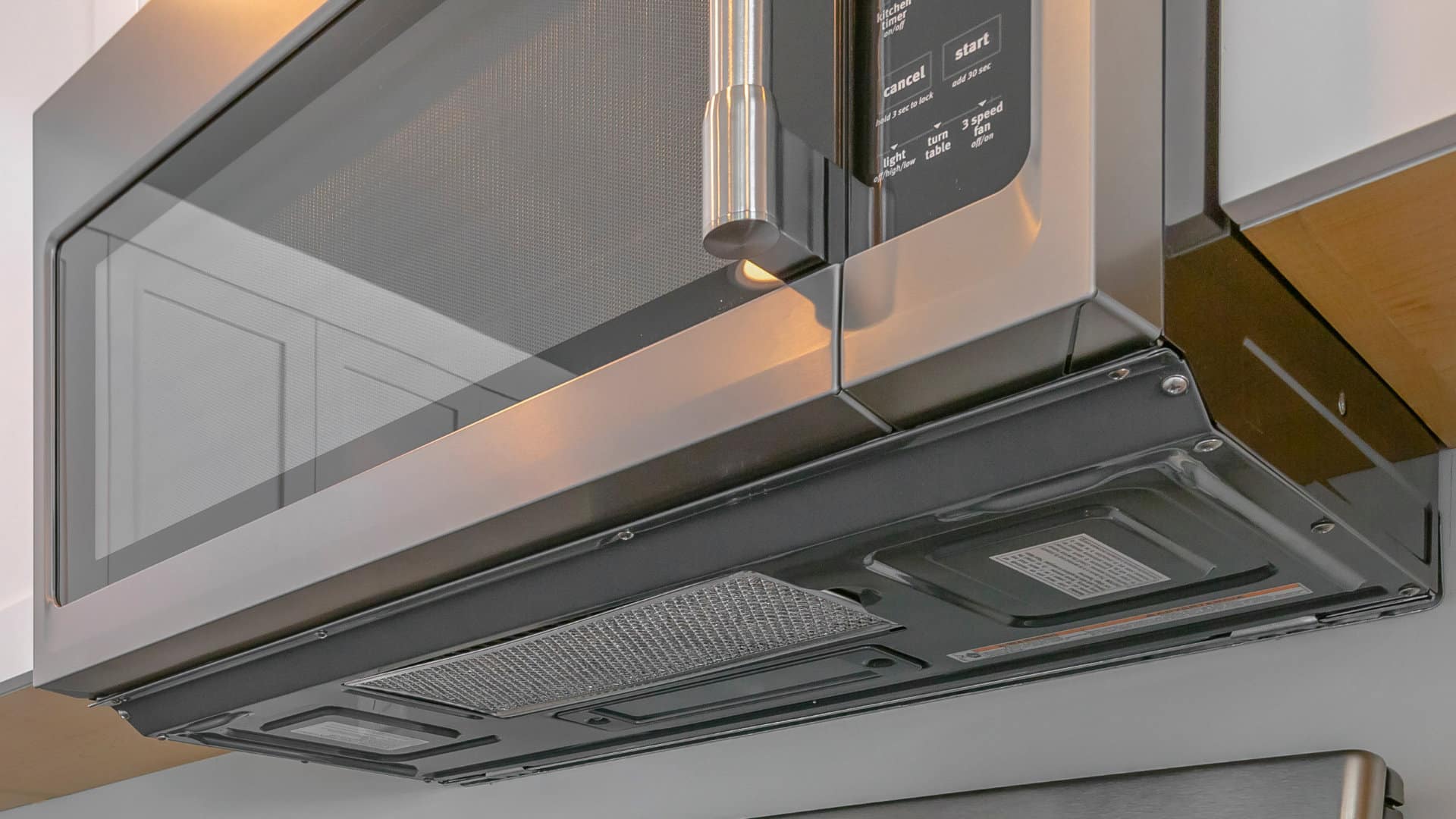
Start by unplugging the microwave for safety. Open the microwave door and remove the outer cover. Door switches are usually near the door latch. You might see one to three small plastic switches. They have metal or plastic levers that the door presses when closed.
Use Multimeter For Continuity
Set your multimeter to the continuity or resistance setting. Remove the wires from the door switch terminals. Place the multimeter probes on the terminals. Press the switch lever by hand. The multimeter should beep or show low resistance if the switch works. No beep or infinite reading means the switch is faulty.
Replace Faulty Switches
Buy the exact replacement switch for your microwave model. Remove the broken switch by unscrewing or unclipping it. Attach the new switch in the same place. Reconnect the wires to the correct terminals. Put the microwave cover back and test the microwave. The heating should work if the door switch was the problem.
Credit: registerappliance.com
Thermal Fuse Inspection
The thermal fuse is a safety device inside your microwave. It stops the microwave from overheating. Checking this fuse can help find why your microwave does not heat. This inspection is simple and does not need special skills. Use a multimeter to test if the fuse works well or needs replacement.
Find Thermal Fuse Location
Unplug the microwave before starting. Open the microwave’s back panel with a screwdriver. Look near the magnetron or cooling fan. The thermal fuse is small and usually white or silver. Check your microwave’s manual for exact location. Handle parts carefully to avoid damage.
Test Fuse With Multimeter
Set your multimeter to the continuity or ohm setting. Remove the fuse from its holder. Touch the multimeter probes to both ends of the fuse. A good fuse shows a reading close to zero ohms. No reading or infinite means the fuse is blown and faulty.
Replace If Blown
Buy the correct thermal fuse for your microwave model. Remove the blown fuse carefully. Install the new fuse in the same position. Tighten any screws and reconnect wires. Close the microwave panel and plug it in. Test the microwave to see if it heats properly.
High-voltage Components
High-voltage components are key parts of a microwave’s heating system. They help convert electrical energy into the microwaves that cook your food. These parts include the diode, capacitor, and magnetron. Problems with any of these can stop your microwave from heating. Handling these parts requires care because they store dangerous electrical charges. Follow safe steps to check and fix these components.
Discharge Capacitor Safely
The capacitor holds a high electrical charge even when unplugged. Discharge it before touching to avoid shocks. Use a screwdriver with an insulated handle. Place it across the capacitor terminals to release the stored energy. Confirm the capacitor shows no voltage with a multimeter. This step protects you from serious injury.
Test Diode And Capacitor
Use a multimeter to test the diode and capacitor’s condition. Set the meter to diode test mode for the diode. A good diode shows low resistance in one direction only. For the capacitor, check for a steady increase in resistance or use a capacitance meter. Replace parts if readings are outside normal ranges. Faulty parts cause the microwave to stop heating.
Replace Damaged Parts
After testing, remove any damaged diode or capacitor. Make sure to buy parts matching your microwave model. Install new components carefully, following the wiring layout. Secure all connections to prevent loose contacts. Replace the microwave cover and test the unit. Proper replacement restores heating function safely and effectively.

Credit: www.partselect.com
Magnetron Issues
The magnetron is the heart of your microwave. It creates the heat that cooks food. When your microwave stops heating, the magnetron might be the cause. Fixing magnetron issues can restore your microwave’s heating power.
Identify Magnetron Problems
Signs of a bad magnetron include no heat or weak heat. The microwave runs but does not warm food. Strange noises or a burning smell can also point to magnetron trouble. Testing requires special tools and care.
Check For Visible Damage
Unplug the microwave before inspecting. Look for burn marks or broken parts around the magnetron. Loose wires or corrosion can cause failure. Do not touch the magnetron directly, as it can be dangerous.
Consider Replacement Costs
Magnetrons can be costly to replace. Parts and labor may add up quickly. Sometimes buying a new microwave is cheaper than repair. Compare prices before deciding on repair or replacement.
Safety Precautions
Fixing a microwave that does not heat involves working with electrical parts. Safety is the top priority before starting any repair. Microwaves contain high voltage components that can cause serious injury. Taking the right safety steps protects you and your home.
Below are key safety precautions to follow when fixing microwave heat issues. These tips help avoid accidents and ensure a smooth repair process.
Handle High Voltage Carefully
Microwaves store high voltage even when unplugged. The capacitor can hold a dangerous charge. Never touch internal parts without discharging the capacitor first. Use insulated gloves to avoid shocks. Always work in a dry area to reduce risk.
Use Proper Tools
Use tools designed for electrical work. Insulated screwdrivers and pliers prevent accidental shocks. Avoid metal tools that can cause short circuits. Keep tools organized and within reach to avoid unnecessary movement inside the microwave.
When To Call A Professional
Some microwave repairs require expert skills. If unsure about handling electrical parts, stop and call a technician. Professionals have the training and equipment to fix high voltage safely. Don’t risk injury or further damage by attempting complex repairs alone.
When To Replace Microwave
Knowing when to replace your microwave can save time and money. Some microwave problems are easy to fix. Others mean the appliance is near the end of its life. Deciding to repair or replace depends on several factors. These include repair costs, the microwave’s age, and its overall condition. This guide helps you make the right choice.
Compare Repair Vs. Replacement Costs
Repair costs vary based on the problem and parts needed. Simple fixes like replacing a fuse cost less. Magnetron or control board repairs can be expensive. Sometimes repair costs reach half or more of a new microwave’s price. In such cases, replacement is more cost-effective. Also, repairs do not always guarantee long-term reliability.
Consider Microwave Age
Microwaves generally last about 7 to 10 years. Older models have outdated technology and less energy efficiency. If your microwave is over 8 years old, replacement is wise. Newer models offer better safety and features. Age also affects availability of replacement parts. Older units may become harder to fix over time.
Evaluate Overall Condition
Look at the microwave’s physical state and performance. Cracks, rust, or broken door seals are signs to replace it. Frequent breakdowns also show declining reliability. If the microwave heats unevenly or not at all, it may be beyond repair. Consider how often you use it. A heavily used microwave deserves better performance and safety.
Frequently Asked Questions
How Do You Fix A Microwave That Is Not Heating?
Unplug the microwave and check the breaker. Ensure the door closes firmly and settings are correct. Test and replace faulty door switches, thermal fuse, diode, capacitor, or magnetron carefully. If unsure, contact a professional or consider replacing the unit due to high-voltage risks.
How Do I Reset A Microwave?
To reset a microwave, unplug it for 1-2 minutes, then plug it back in. Ensure the door closes firmly and check settings like power level and demo mode. If it still won’t reset, consult the manual or contact a professional.
Why Is My Food Still Cold After Microwaving?
Your microwave may not heat food if the door isn’t fully closed or power settings are low. Internal parts like the magnetron, diode, or fuse might be faulty. Check power, door seal, and settings first. If issues persist, professional repair or replacement may be necessary.
Conclusion
Fixing microwave heat issues starts with simple checks. Always unplug the microwave before any repair. Confirm the door closes fully and settings are correct. If it still won’t heat, internal parts may need testing. Components like the magnetron, diode, or fuse often cause problems.
Use a multimeter carefully or call a professional. Safety matters most when dealing with high voltage. Regular maintenance can help avoid future heating failures. Small steps can save money and extend your microwave’s life. Keep these tips in mind for quick, safe fixes.