How to Fix Microwave Door: Easy DIY Tips for Quick Repair
Is your microwave door not closing properly or refusing to open? A faulty microwave door can disrupt your daily routine and even pose safety risks if left unattended.
But before you rush to buy a new unit or call a costly repair service, there are simple fixes you can try yourself. In this guide, you’ll learn how to identify common microwave door problems—like broken latches, misaligned hinges, or stuck release buttons—and get step-by-step tips to fix them safely.
By the end, you’ll have the confidence to restore your microwave’s door functionality and get back to heating your meals hassle-free. Ready to tackle the repair? Let’s dive in!
Credit: danmarcappliance.com
Safety Precautions
Fixing a microwave door requires careful attention to safety. Microwaves use electricity and radiation. Mistakes can cause injury or damage. Follow safety rules strictly before starting any repair work.
Safety is the top priority. Prepare your workspace and tools properly. Avoid rushing through the repair process.
Unplugging The Microwave
Always unplug the microwave before opening or fixing it. Electricity inside can cause shocks even if the microwave is off. Disconnect from the power source to stay safe. Never rely on just turning off the microwave switch.
Handling Electrical Components
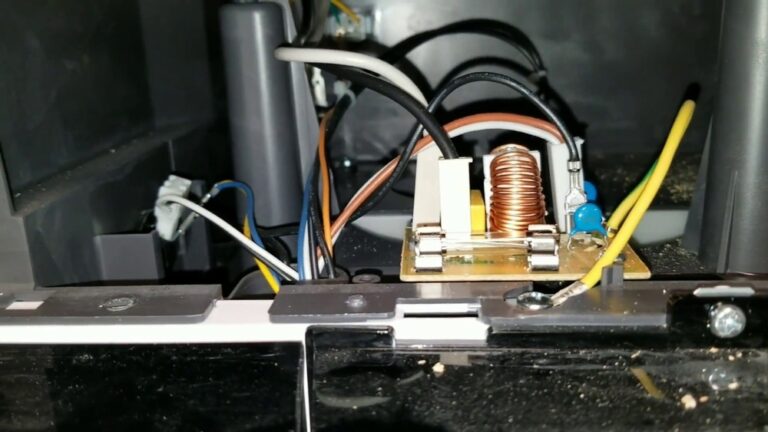
Be careful with wires and parts inside the microwave. Some parts hold electrical charge even when unplugged. Avoid touching the capacitor and other sensitive areas. Use insulated tools and wear rubber gloves if possible. Handle parts gently to prevent damage or shock.
Radiation Risks
The microwave oven uses radiation to heat food. The door keeps this radiation inside. Do not use the microwave if the door is broken or does not close properly. Repair the door completely before turning the microwave back on. This prevents harmful radiation leaks that can cause health problems.
Identifying Door Issues
Identifying the exact problem with your microwave door is key to fixing it. Each issue affects how the door works and how safe the microwave is to use. Knowing the signs helps you decide what repair steps to take. Here are common door problems and how to spot them.
Broken Latch Spring
The latch spring keeps the door securely closed during use. A broken spring makes the door loose or unable to stay shut. You might hear rattling or feel the door wobble. Check behind the door panel for a loose or snapped spring. Fixing this usually involves reattaching or replacing the spring.
Misaligned Hinges
Hinges allow the door to open and close smoothly. Misaligned hinges cause the door to sag or not close properly. Look for gaps between the door and frame or uneven movement. Tightening the screws or replacing the hinges can realign the door and restore proper function.
Door Won’t Open
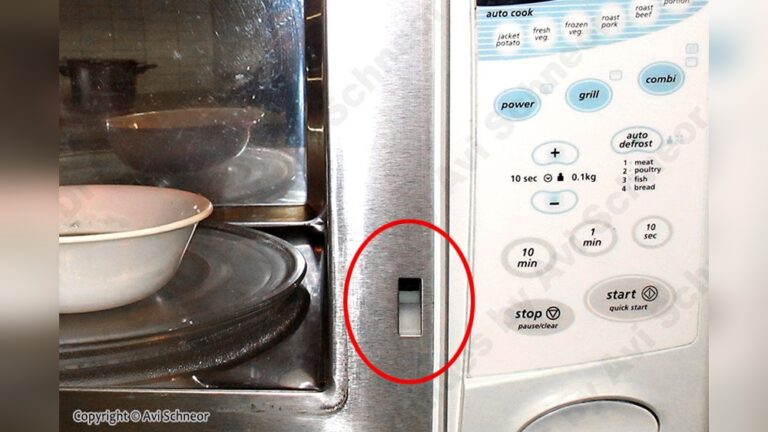
If the door refuses to open, a broken latch or release button might be the cause. Sometimes, a plastic piece inside breaks, blocking the release mechanism. Press the release and listen for clicks. If silent or stuck, inspect the latch assembly for damage or obstruction.
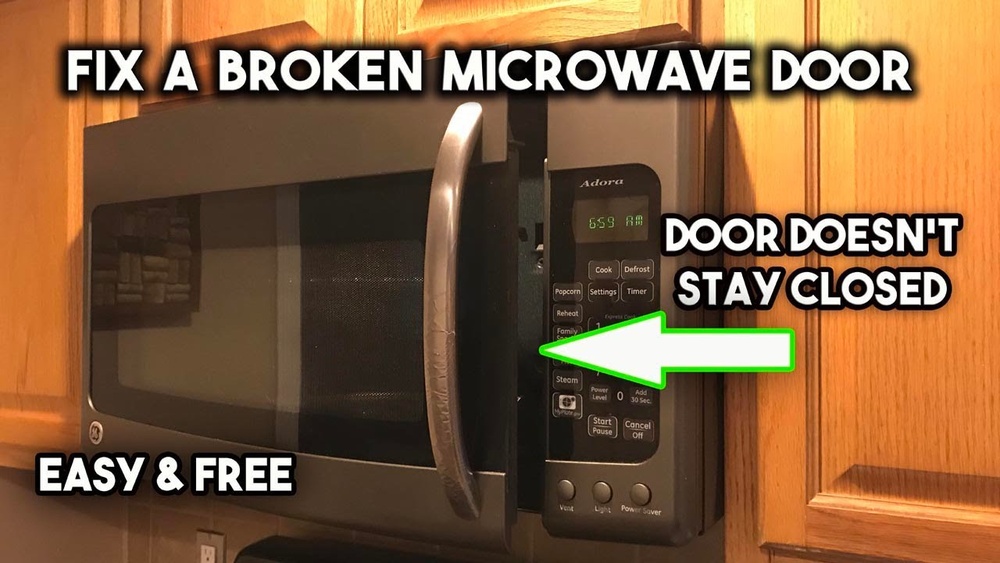
Door Won’t Stay Closed
A door that won’t stay closed signals latch or spring failure. It may pop open during cooking, which is unsafe. Test by gently pressing the door; if it opens easily, the latch needs repair or replacement. Ensuring the door stays firmly shut is crucial for microwave safety.
Door Won’t Close Properly
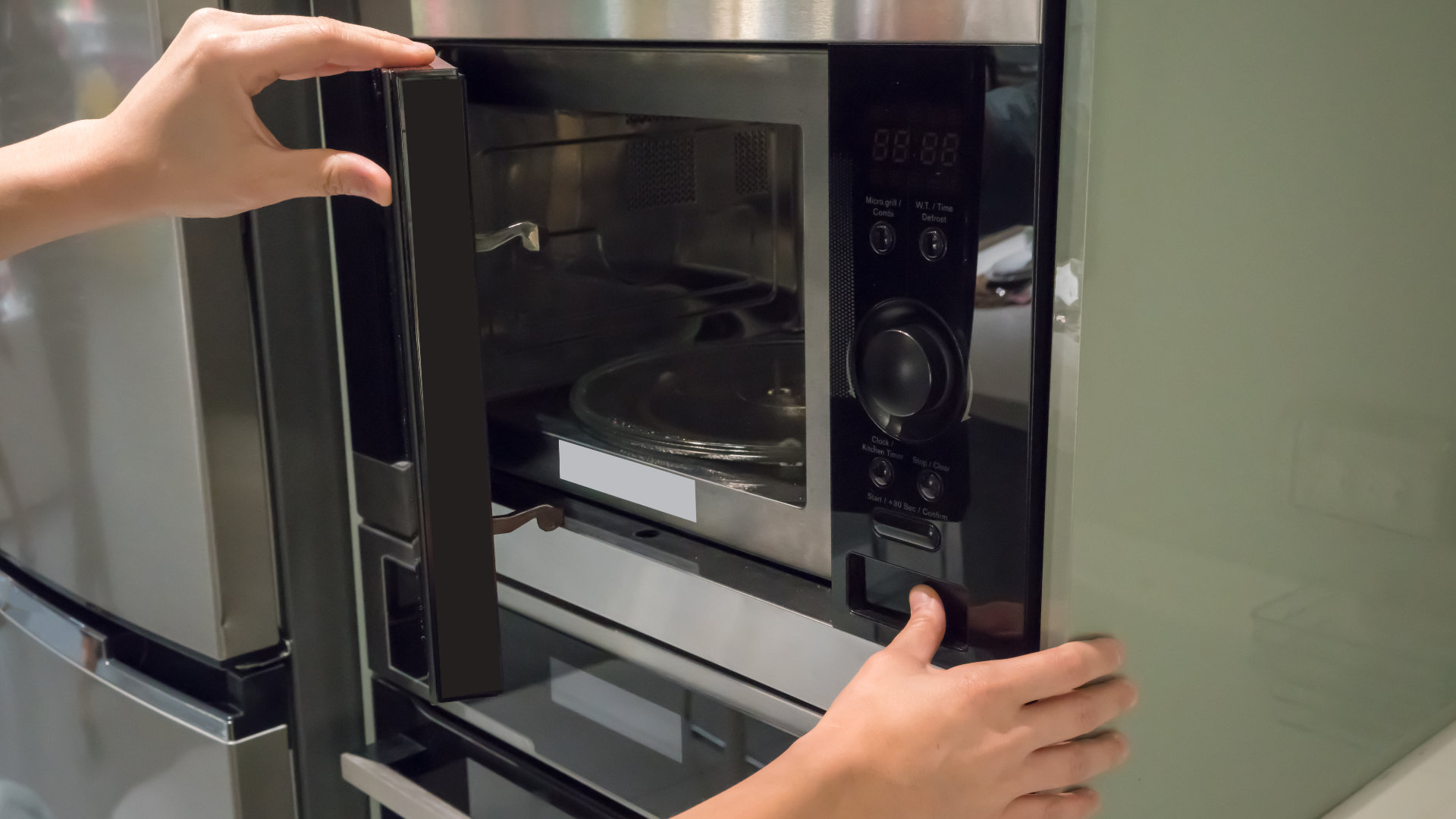
The door may close but not fit flush with the microwave frame. This can happen due to bent hinges, debris, or warped door parts. Check for anything blocking the door edges. Straightening hinges or cleaning the frame often solves this problem and improves sealing.
Tools Needed For Repair
Fixing a microwave door requires some basic tools. Having the right tools makes the repair faster and safer. Some tools are common and easy to find at home or hardware stores. Others are specific but still affordable.
Gathering these tools before starting helps avoid interruptions. Each tool has a specific job, such as removing screws or holding parts in place. Knowing their use ensures the repair goes smoothly.
Phillips ScrewdriverThis screwdriver is essential for most microwave repairs. It fits the cross-shaped screws on the door panel and hinges. A medium-sized Phillips screwdriver works best for tight spaces.
Flathead ScrewdriverUse this to pry open panels carefully. It also helps to pop off small clips holding the door parts. Be gentle to avoid damaging plastic pieces.
Needle-Nose PliersThese pliers reach into narrow spots to grip small parts. They are useful for handling springs or wires inside the door latch mechanism. Needle-nose pliers give better control than fingers.
Replacement Springs or HingesBroken springs or hinges stop the door from working well. Having replacements ready saves time. Check your microwave model to buy the correct parts.
Work GlovesWear gloves to protect hands from sharp edges inside the microwave. Gloves improve grip and keep your hands clean during repair.
FlashlightLighting inside the microwave cavity is low. A small flashlight helps see hidden screws and parts clearly. This prevents mistakes and speeds up work.
Fixing A Broken Latch Spring
Fixing a broken latch spring is key to making your microwave door work properly again. The latch spring holds the door securely closed. When it breaks or slips off, the door may not close or latch correctly. This can stop the microwave from running or cause safety issues. Repairing the latch spring is simple and requires a few tools and patience. Follow these steps to fix it and get your microwave door back in shape.
Removing The Inner Panel
Start by unplugging the microwave for safety. Open the door fully. Look for screws around the door frame. Use a screwdriver to remove these screws carefully. Gently pull off the inner panel. It may snap off with light pressure. Set the panel aside on a soft surface to avoid scratches. Removing the inner panel exposes the latch spring and mechanism. Inspect the latch spring for damage or if it slipped out.
Re-hooking Or Creating A New Spring Hole
If the spring has slipped off, try re-hooking it onto the original hole. Use needle-nose pliers to hold the spring and guide it back into place. If the hole is worn out or broken, create a new small hole nearby. Use a sharp tool to make the hole carefully. Attach the spring to this new hole for a firm hold. Test the spring tension by pressing the latch a few times. The spring should pull the latch back smoothly.
Reassembling The Door Panel
Once the spring is fixed, align the inner panel back on the door frame. Press it gently until it snaps into place or fits evenly. Replace all screws and tighten them securely. Check the door latch by closing and opening the door several times. The latch should click and hold the door firmly. Plug in the microwave and test it to confirm the repair. Your microwave door latch is now fixed and ready to use.
Realigning And Tightening Hinges
Realigning and tightening the microwave door hinges is a key step in fixing a door that does not close properly. Over time, hinges can become loose or misaligned, causing the door to sit unevenly or not latch. This section covers easy ways to check the hinge position, replace broken parts, and secure loose hinges. These fixes improve door function and safety.
Checking Hinge Alignment
Start by opening the microwave door fully. Look closely at the hinges on both sides. The hinges should line up evenly with the microwave frame. If one side sits higher or lower, it is misaligned. Use a screwdriver to loosen the screws slightly. Adjust the hinge up or down until the door fits flush. Tighten the screws while holding the door in place. Check that the door opens and closes smoothly without gaps.
Replacing Damaged Hinges
Hinges that are bent, cracked, or broken need replacement. Purchase hinges that match your microwave model for a proper fit. Remove the old hinge by unscrewing it carefully. Align the new hinge in the same spot. Screw it in firmly but avoid over-tightening. Test the door movement several times. Proper hinges restore stability and ensure the door locks securely.
Securing Loose Hinges
Loose hinges cause the door to wobble or sag. Use a screwdriver to check all hinge screws. Tighten any loose screws until the hinge feels solid. If screws spin without tightening, replace them with slightly larger ones or use thread-locking glue. Press the door closed to check if it fits snugly. Secured hinges prevent further damage and improve microwave safety.

Credit: www.youtube.com
Repairing Door Release Mechanism
Repairing the door release mechanism is key to fixing a microwave door. This mechanism controls how the door opens and closes. When it breaks, the door often stays stuck or won’t latch properly. Fixing it can save you money and extend your microwave’s life. Start by carefully checking the release button and its parts.
Accessing The Release Button Assembly
Unplug the microwave for safety before starting. Remove the outer panel of the microwave door. This usually involves unscrewing a few screws on the door edges. Gently separate the door layers to reach the release button assembly. Be careful not to damage the glass or wiring inside. Once visible, the release button assembly can be inspected or replaced.
Inspecting For Broken Plastic Parts
Look closely at the plastic parts around the release button. These parts often break or crack from wear. Check for small plastic ears or hooks that hold the button in place. Broken pieces can stop the button from working correctly. If you find cracks or missing parts, note their size and shape. This helps when ordering replacements or trying to fix them.
Temporary Fixes And When To Replace
Temporary fixes can help if the plastic parts are only slightly damaged. Use strong tape or glue to hold cracked pieces together. Sometimes, a small piece of wire can act as a hook for the button. These fixes work short-term but are not permanent. Replace the whole release button assembly if damage is severe. A new part ensures the door works safely and smoothly.
When To Replace The Door
Knowing when to replace a microwave door is important for safety and function. A cracked or damaged door can cause microwave energy to leak, which is dangerous. Signs like broken glass, bent hinges, or a door that won’t latch properly show it may be time to replace the door. Some problems can be fixed, but others need a full replacement to keep your microwave safe and working well.
Assessing Repair Feasibility
Start by checking the door’s condition carefully. Small cracks or loose parts might be repaired. Major damage like shattered glass or bent frame means replacement is safer. Also, test if the door closes tightly and the latch works. If the door fails these tests, replacement is the best choice. Consider the cost of repairs versus buying a new door or microwave. Sometimes repairs are more expensive or unsafe.
Ordering Replacement Parts
Find the exact door model for your microwave brand. Use the model number from the microwave’s label. Order parts from the manufacturer or trusted dealers. Make sure the replacement door fits well and includes all needed parts. Avoid generic parts that might not seal or work correctly. Check shipping times and return policies before buying. Keep the original door until the new one arrives for reference.
Professional Replacement Options
Hiring a professional can save time and ensure safety. Experts have the tools and knowledge to install the door properly. They will check the door’s alignment and latch system. Professionals also test the microwave after replacement. This avoids risks like radiation leaks or door failures. Ask for quotes from local appliance repair services. Choose someone with good reviews and proper licensing for microwave repairs.
Credit: www.reddit.com
Maintaining Microwave Door Function
Maintaining the function of your microwave door is essential for safety and performance. A well-working door prevents heat and radiation from escaping. It also ensures your microwave cooks food evenly and safely.
Regular care helps avoid costly repairs and extends the appliance’s life. Keep the door clean, aligned, and free from damage. Small efforts save time and money in the long run.
Regular Inspection Tips
Check the door hinges for looseness or rust. Tighten screws or replace hinges if needed. Look for cracks or chips on the door glass or frame. Clean the door seal gently with a soft cloth. Dirt can block the seal and cause leaks. Test the latch by closing and opening the door slowly. It should click firmly in place. Watch for any unusual gaps or misalignment. These signs mean the door needs adjustment or repair.
Preventing Future Damage
Avoid slamming the microwave door hard. Close it gently to protect the latch and hinges. Keep the door free from heavy objects or impacts. Don’t hang items on the door handle. Clean spills and crumbs right away to stop buildup. Use a mild detergent and soft cloth for cleaning. Avoid harsh chemicals that can damage the door parts. Always use the microwave on a stable, flat surface to prevent misalignment. Regular maintenance keeps your microwave safe and working well.
Cost Considerations
Repairing a microwave door can vary in cost depending on how you choose to fix it. Some parts are inexpensive, while others may cost more. Knowing the cost helps you decide whether to fix it yourself or hire a professional. This section breaks down the main cost factors for microwave door repair.
Diy Vs Professional Repair
Doing the repair yourself saves money on labor fees. You only pay for parts and tools. Many microwave door problems have simple fixes. Tightening hinges or replacing a latch spring can be done with basic tools. But, if the damage is complex, a professional can fix it faster and safer. Professionals charge an hourly rate, often between $50 and $100. The total cost depends on the repair time and part prices.
Replacement Part Prices
Microwave door parts vary in price. A door latch or hinge may cost between $10 and $40. Glass door panels or complete door assemblies can be more expensive, sometimes $50 to $150. Original manufacturer parts tend to cost more than generic ones. Checking part prices online before starting helps avoid surprises. Some parts might need ordering from the manufacturer or special suppliers.
Frequently Asked Questions
Is It Worth Repairing A Microwave Door?
Repairing a microwave door is worth it if the cost is lower than replacement. Fix hinges, latches, or springs for safety and function. Choose repair for minor damage; replace if structural parts break or costs exceed value. Always unplug before repairing.
How To Realign A Microwave Door?
Unplug the microwave first for safety. Check hinges and latch for looseness or damage. Tighten or replace hinges. Re-hook or adjust the latch spring by removing the inner panel. Snap the panel back on. Ensure the door aligns properly and closes securely before use.
Can A Microwave Door Be Replaced?
Yes, a microwave door can be replaced. Order a replacement door or glass from the manufacturer or authorized dealers. Ensure the latch mechanism works properly for safety. Avoid using the microwave until the door is fully repaired to prevent radiation leaks.
Conclusion
Fixing a microwave door can save time and money. Start by unplugging the microwave for safety. Check hinges, latch, and springs carefully. Tighten or replace any loose parts. Reattach springs or realign the door if needed. Small repairs often restore proper function quickly.
Avoid using the microwave if the door does not close securely. Taking these steps helps keep your microwave safe to use. With patience and care, your microwave door can work like new again.