How To Clean The Inside Of A Microwave: Fast, No Chemicals
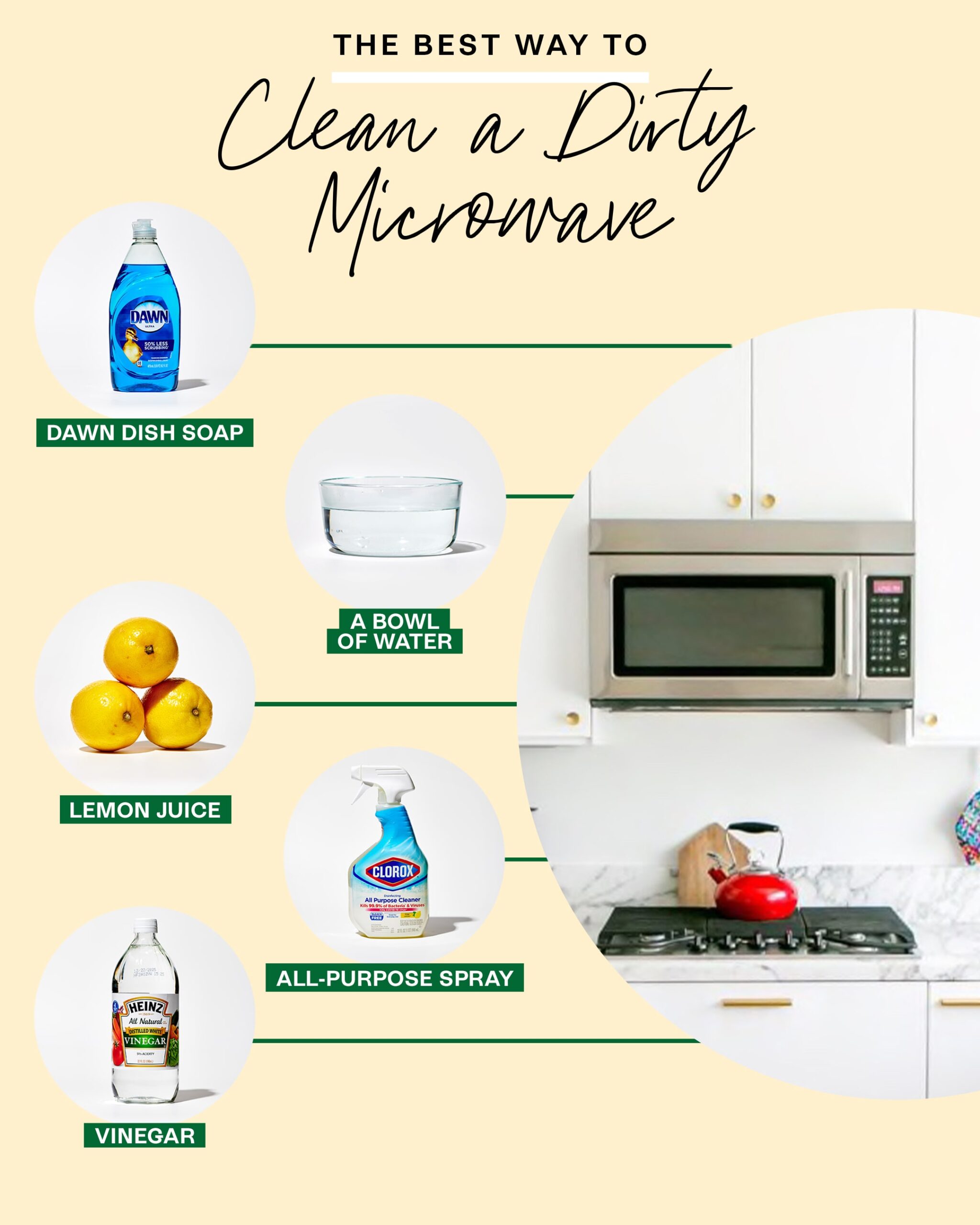
Steam water and vinegar, heat, let sit, wipe, rinse, and dry for a spotless interior.
If you want expert, step-by-step advice on how to clean the inside of a microwave, you’re in the right place. I’ve cleaned hundreds for clients and rentals, tested every method, and learned what actually works fast, smells fresh, and keeps your microwave safe and streak-free.
Why a clean microwave matters
A dirty microwave smells, cooks unevenly, and can even spark when splatter burns. Baked-on food absorbs heat and creates hot spots. Odors can move to fresh food and make it taste off. Learning how to clean the inside of a microwave also protects the interior coating and extends its life.
I’ve seen units fail early because grease and sugar were left to harden. A simple weekly wipe prevents most problems. The good news: a clean takes minutes when you know the right method.
:strip_icc()/BHG-How-to-Clean-a-Microwave-Step-04-6eab018e85a64235b3a8c668ce4f77e0.jpg)
Safety and prep
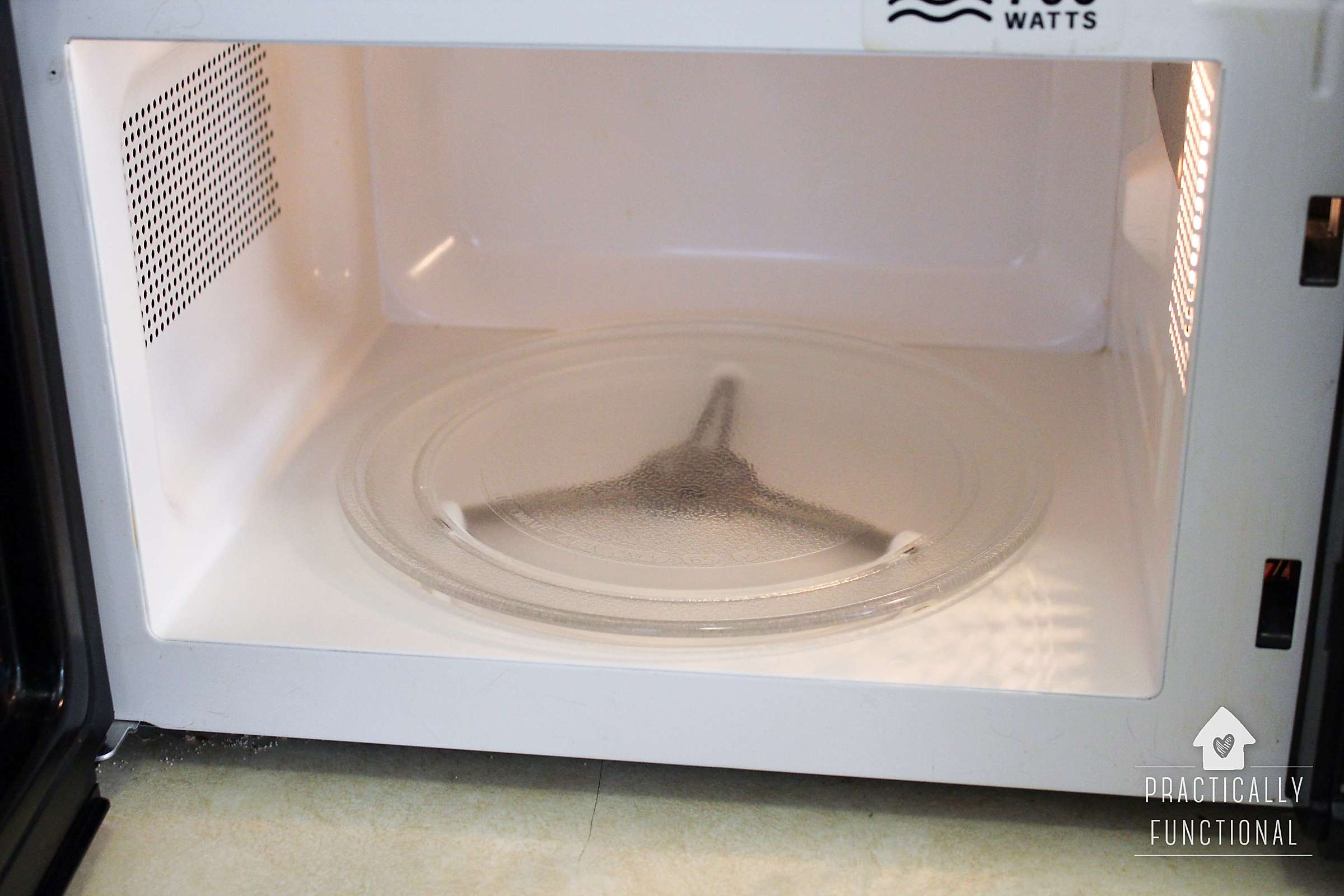
Always start with safety. Unplug the microwave if you can, or at least open the door to cut power to the light and fan. Let it cool. Remove the turntable and roller ring.
Check the interior type: painted steel, stainless steel, or ceramic enamel. Avoid harsh scrubbers on painted cavities. If you’re unsure how to clean the inside of a microwave with your finish, do a quick spot test on a hidden area.
:max_bytes(150000):strip_icc()/How-to-Clean-Microwave-Main-Image-2000-eebff6c60028494d998ed6a646550ec1.jpg)
What you need
Simple tools work best. Gather these before you start:
- Microwave-safe bowl or glass measuring cup
- Distilled water
- White vinegar or lemon juice
- Mild dish soap
- Baking soda
- Microfiber cloths and a soft sponge
- Cotton swabs or a soft brush for crevices
- Optional: melamine foam sponge used very lightly
Most manufacturer manuals advise against bleach, oven cleaner, and abrasive pads. If you’re learning how to clean the inside of a microwave for the first time, keep it gentle and stay away from sprays that can enter vents.
The fastest method: steam and wipe
This is my go-to for daily or weekly care. It uses steam to loosen grime so you barely need to scrub.
- Fill a microwave-safe bowl with 1 cup water and 2 tablespoons white vinegar. Add lemon slices if you like.
- Heat on high for 3 to 5 minutes, until it steams well. Do not open the door.
- Let it sit for 3 more minutes so the steam softens stuck food.
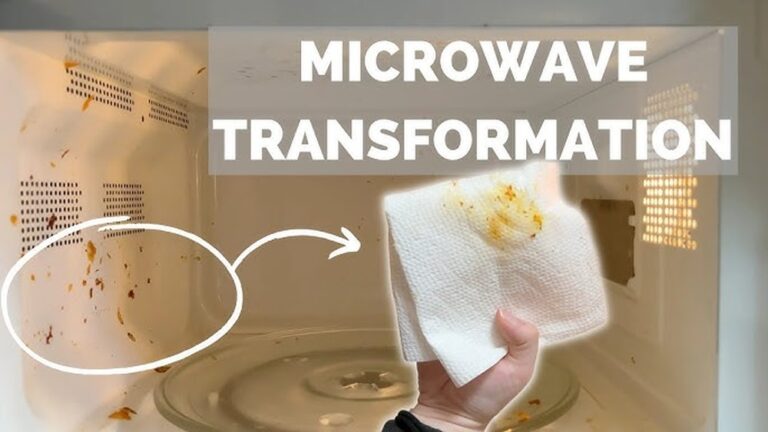
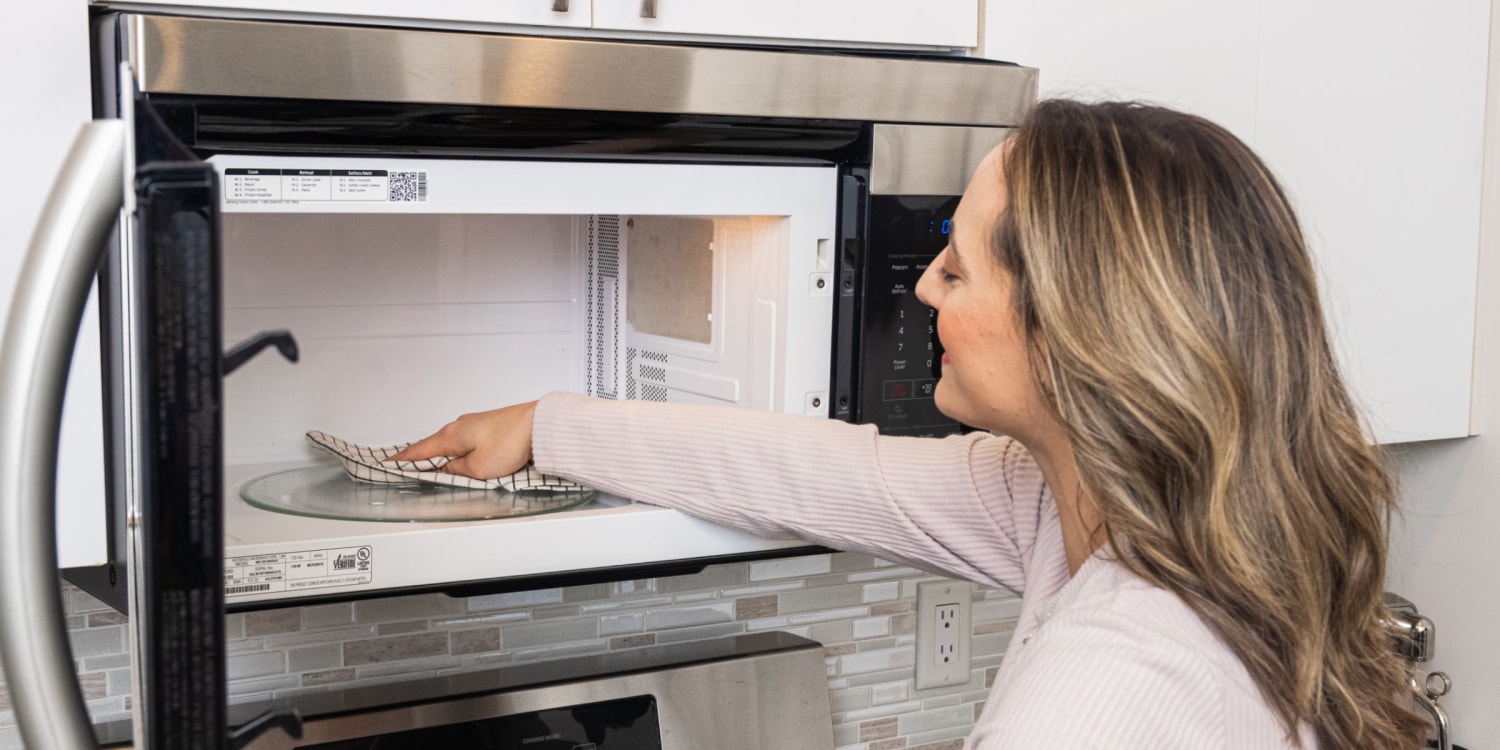
- Carefully remove the bowl. Wipe the ceiling, walls, and floor with a damp microfiber cloth.
- Rinse your cloth, wipe again with clean water, then dry with a fresh towel. Leave the door open for 5 minutes.
For tough spots, dip your cloth in the hot vinegar water and press on the stain for 30 seconds, then wipe. This is the fastest way to show anyone how to clean the inside of a microwave without strong chemicals.
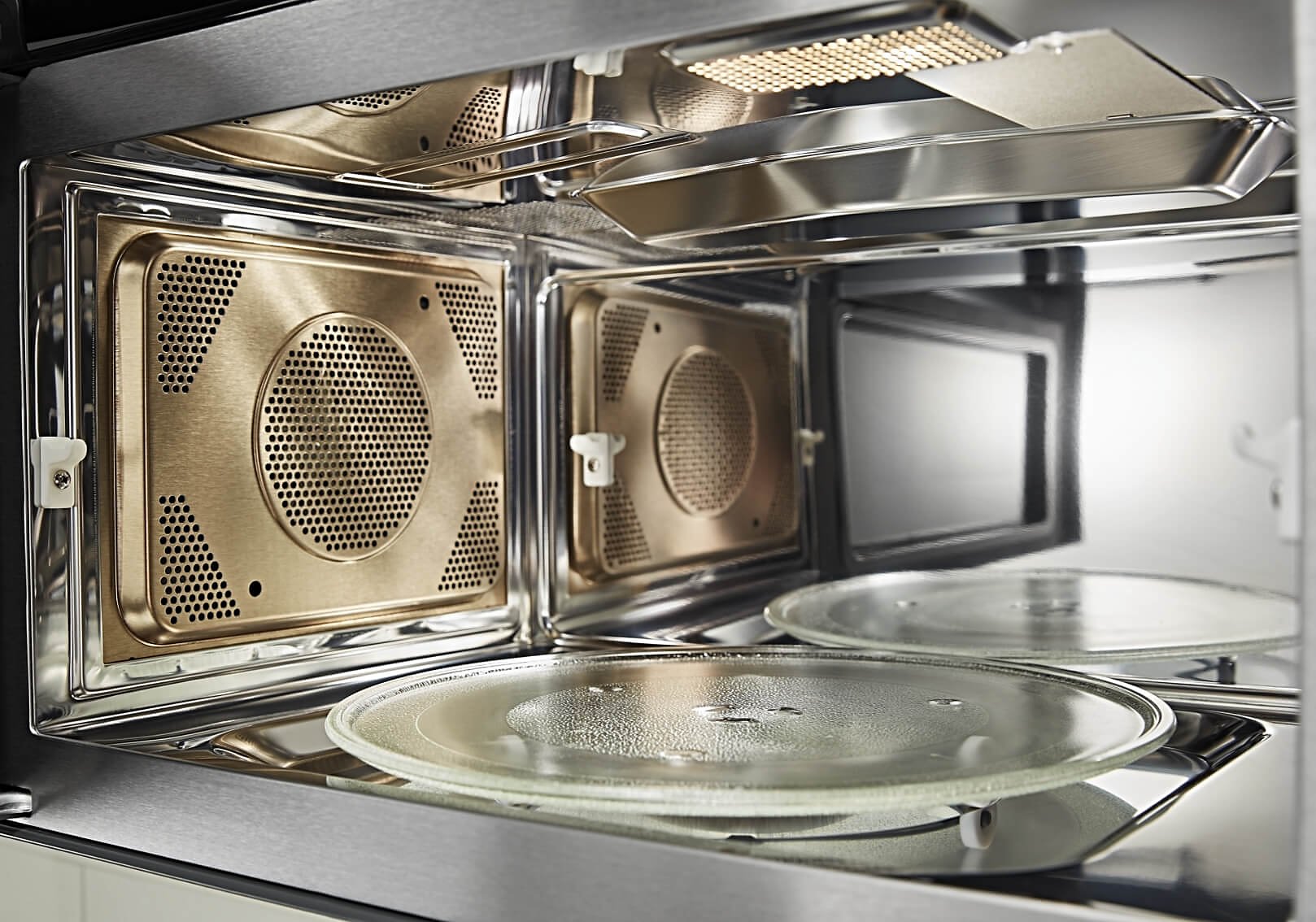
Deep clean for stuck-on grime
Sometimes steam is not enough. Sweet sauces and cheese can bake rock hard. Here’s how I tackle them.
- Make a paste of baking soda and warm water. Spread a thin layer on the spots. Let sit 10 to 15 minutes.
- Wipe with a damp sponge. Rinse the sponge often and finish with clean water.
- For grease, add a drop of dish soap to warm water. Wipe, then rinse well to remove soapy film.
- Use melamine foam very lightly on stubborn areas, but avoid painted logos and the waveguide cover.
Do not flood vents or the door latch. If you are teaching a teen how to clean the inside of a microwave, show them to squeeze out the sponge so it is damp, not dripping.

Deodorize and remove odors
Burnt popcorn happens. Strong smells can linger. Use steam plus a deodorizer.
- Run the vinegar steam cycle again, then wipe dry.
- Place a small open bowl of baking soda inside overnight to absorb odors.
- For a fresh scent, heat 1 cup water with lemon slices for 2 to 3 minutes and let sit.
- Coffee grounds in a bowl can also help with stubborn smells.
If odors remain after two cycles, clean the door gasket and vents. That is often the source people miss when asking how to clean the inside of a microwave and get rid of smells for good.
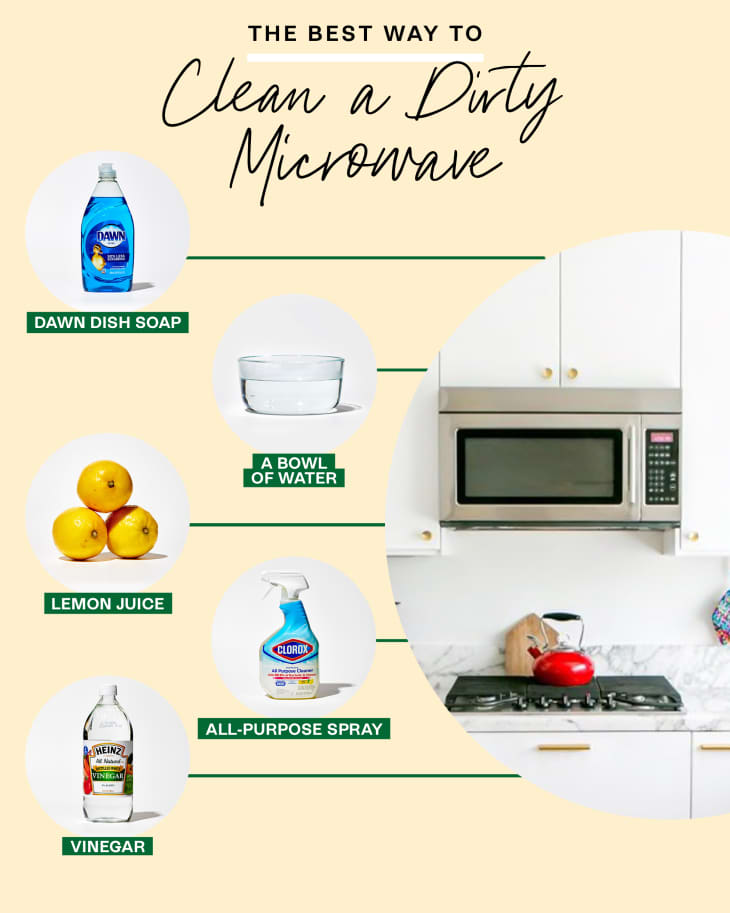
Clean the door, vents, and crevices
The door area hides grease that keeps smells alive. It also affects sealing.
- Wipe the inner door glass with warm soapy water. Rinse and dry to avoid streaks.
- Clean the rubber gasket gently with a damp cloth. Do not stretch or soak it.
- Use a cotton swab around the latch and hinges.
- Brush the vents with a dry, soft brush. If over-the-range, wipe the underside and change the filter as needed.
When people ask how to clean the inside of a microwave, I always add this: the door and vents matter as much as the cavity walls.
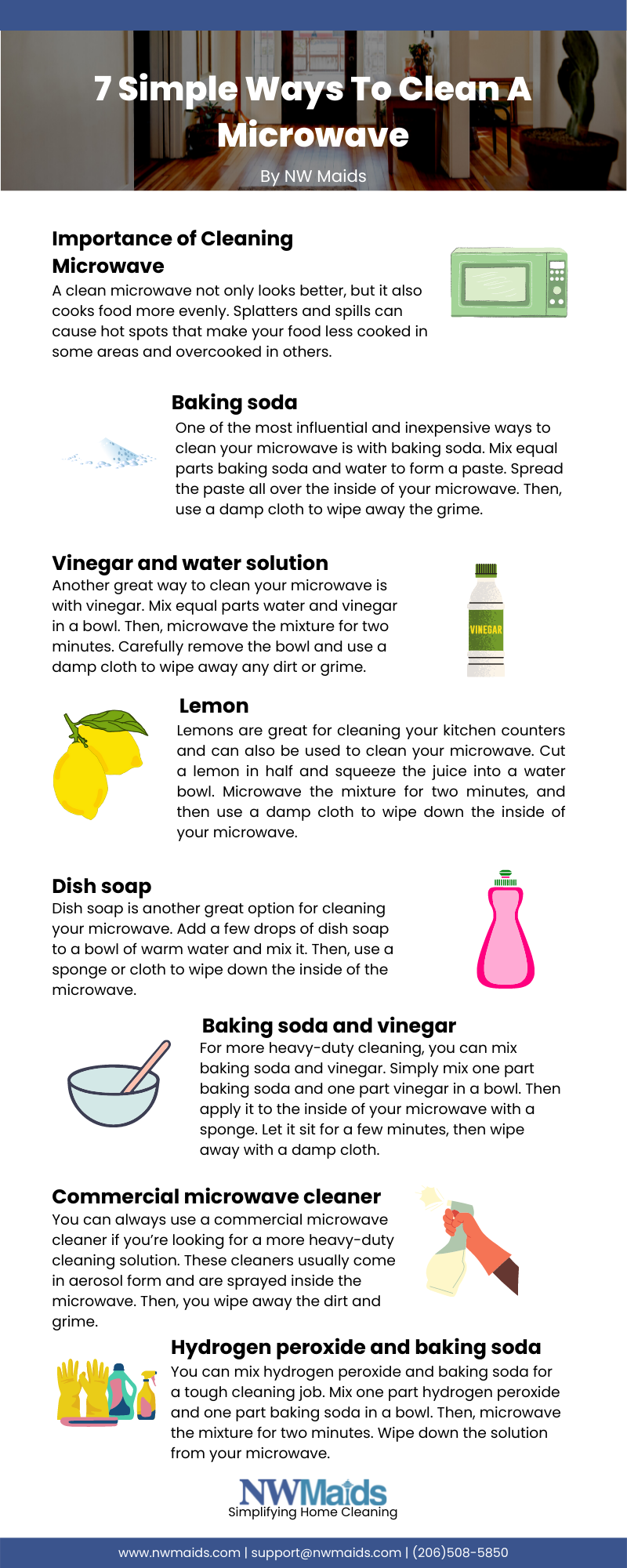
Prevent messes and keep it clean
Small habits save big scrubs. This is the routine I use with busy families.
- Cover food with a microwave-safe lid or paper towel.
- Wipe any fresh splatter right away while it’s warm.
- Do one 60-second steam cycle each week.
- Use lower power for saucy foods to reduce splatter.
- Vent containers so they don’t burst.
If you teach kids how to clean the inside of a microwave, make the weekly steam a shared task. It takes five minutes and keeps the inside like new.
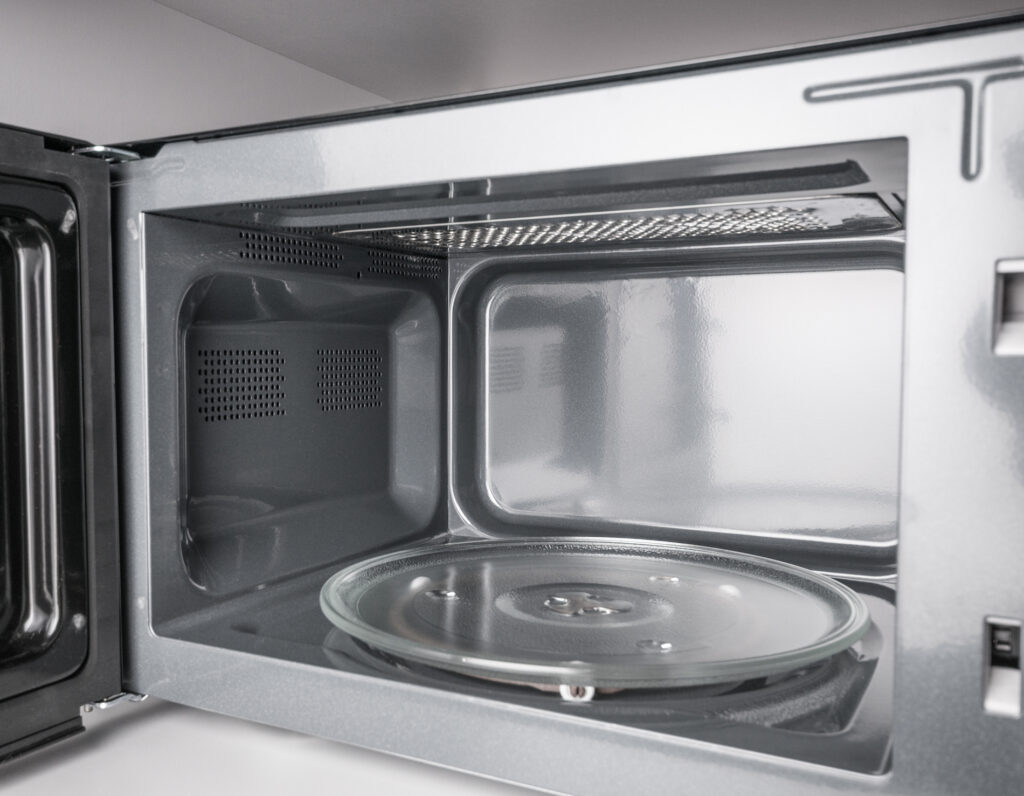
Common mistakes to avoid
Avoid these to protect the finish and keep your food safe.
- Do not use bleach or oven cleaner inside. They can damage coatings and leave fumes.
- Do not scrape with metal tools. They scratch and cause rust or arcing.
- Do not spray cleaner into vents. Liquids can reach electrical parts.
- Do not run the microwave empty. It can overheat.
- Do not soak the roller ring. Wipe and dry it instead.
These tips matter if you care about how to clean the inside of a microwave the right way, not the hard way.
When to call a pro
Some issues need more than cleaning.
- Sparking, arcing, or a burning electrical smell
- Chipped interior paint with exposed metal, especially near the waveguide cover
- A loose or damaged door seal
- A turntable that no longer turns
You can touch up tiny chips with microwave-cavity paint, but anything near the waveguide should be inspected. If you’re unsure how to clean the inside of a microwave with damaged paint, stop and get service advice first.
Frequently Asked Questions of how to clean the inside of a microwave
How often should I clean my microwave?
Wipe light splatter right away and do a quick steam once a week. Deep clean monthly if you cook daily.
Is vinegar safe for all microwaves?
Yes, in small amounts diluted with water. Avoid strong fumes by keeping the door closed during steaming and airing it out after.
Can I use baking soda inside the microwave?
Yes. Use a thin paste on stuck spots, then wipe and rinse well to avoid residue.
What removes a burnt popcorn smell fast?
Run a vinegar steam cycle, wipe, then leave baking soda in a bowl overnight. Repeat once if needed.
Can I use a magic eraser?
Use melamine foam very lightly and only on stubborn stains. Avoid logos, painted labels, and the waveguide cover.
Is it okay to clean the microwave with bleach?
No. Bleach can damage the interior coating and leave harmful fumes. Use vinegar, lemon, or mild soap instead.
How do I clean the turntable and roller ring?
Wash the glass plate with warm soapy water and dry. Wipe the roller ring and wheels, then dry before reassembling.
Conclusion
A clean microwave cooks better, smells better, and lasts longer. With a quick steam, a gentle wipe, and small weekly habits, you can keep it spotless in minutes. You now know how to clean the inside of a microwave using safe, simple steps that really work.
Try the steam-and-wipe method today and set a weekly reminder. Share this guide with a friend who needs a kitchen reset, and drop your favorite cleaning tip or question in the comments.