How to Clean Sponge in Microwave: Quick & Effective Tips
Your kitchen sponge works hard every day, but it can also become a hotspot for germs and bacteria. Would you believe that your microwave can help you clean it quickly and effectively?
Learning how to clean your sponge in the microwave is a simple trick that can save you time and keep your kitchen healthier. You’ll discover step-by-step instructions and important safety tips to sanitize your sponge safely without any hassle. Keep reading to find out how you can make your sponge cleaner and fresher in just a couple of minutes!
Microwaving Basics
Microwaving a sponge is a simple way to clean and sanitize it. This method uses heat to kill harmful bacteria and germs. Before you start, know the basic steps and safety tips. Proper preparation makes microwaving effective and safe.
Always wet the sponge fully. A dry sponge can catch fire in the microwave. Also, avoid sponges with metal parts. Metal can cause sparks and damage your microwave. Use a microwave-safe plate or bowl to hold the sponge while heating.
Why Microwave A Sponge
Microwaving kills most bacteria living inside the sponge. It heats the water inside the sponge, creating steam. This steam cleans deep inside the sponge’s pores. It is faster than washing with soap alone. Regular microwaving helps keep your sponge fresh longer.
Safety Precautions
Always soak the sponge before microwaving. Never microwave a dry sponge to avoid fire risk. Check the sponge for any metal parts before heating. Metal can cause sparks and damage the microwave. Use short heating times, usually one to two minutes. After microwaving, let the sponge cool down before touching it. The sponge will be very hot and can burn your skin.

Credit: www.construction-manent.fr
Preparing The Sponge
Preparing your sponge properly is essential before microwaving it. This step ensures the sponge cleans effectively and safely. A well-prepared sponge absorbs water well and is free from any unsafe materials.
Start by soaking the sponge thoroughly. A fully wet sponge heats evenly in the microwave. Dry or partially wet sponges can catch fire or cause sparks. Proper soaking also helps kill more bacteria during microwaving.
Removing metal parts from the sponge is crucial. Metal pieces can cause sparks and damage your microwave. Check carefully for any scrubbing pads or metal wires attached to your sponge. Always remove these before heating to avoid accidents.
Soaking The Sponge
Fill a bowl with clean water. Submerge the sponge completely. Press it gently to soak all areas inside. Let it sit for a minute to absorb enough water. The sponge must be wet but not dripping excessively.
Removing Metal Parts
Inspect the sponge carefully for any metal pieces. Look for scrubbing pads with wires or metal layers. Pull off any metal parts completely. If the sponge has metal you cannot remove, do not microwave it. Use a different sponge instead.
Microwave Process
The microwave process is a simple way to clean and sanitize your sponge. It uses heat to kill bacteria and germs quickly. Before microwaving, the sponge must be very wet. A dry sponge can catch fire, so soaking it well is important. The process requires attention to power settings and using safe containers.
Setting Time And Power
Set your microwave to high power. Microwave the wet sponge for 1 to 2 minutes. This time is enough to kill most bacteria. Avoid microwaving longer, as it can damage the sponge or cause fire risks. Always watch the sponge while heating to prevent accidents.
Using Microwave-safe Containers
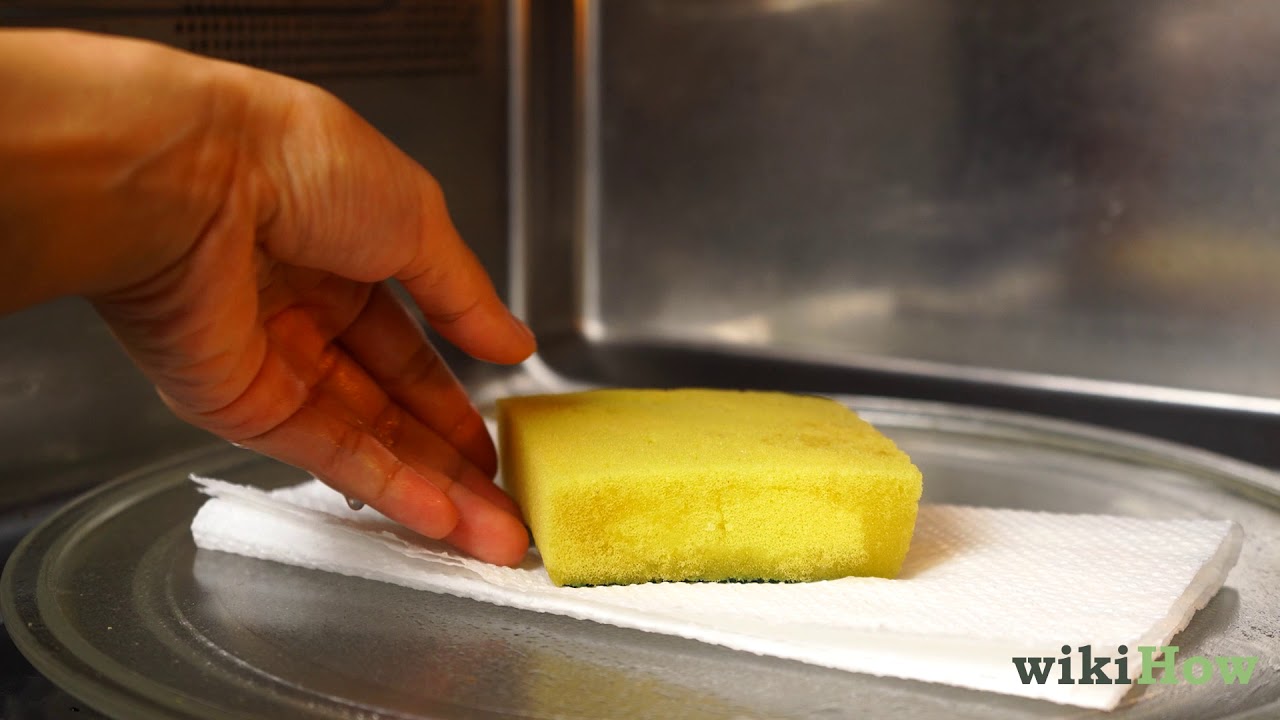
Place the sponge on a microwave-safe plate or bowl. Avoid using metal or containers not labeled safe for microwaves. The container should hold water or keep the sponge wet during heating. This helps spread heat evenly and prevents sparks or fires.
Post-microwave Care
After microwaving your sponge, proper care is essential to keep it safe and effective. The sponge will be very hot and delicate. Handle it carefully to avoid burns or damage. Taking a few moments to cool and manage the sponge ensures it lasts longer and stays hygienic.
Cooling Down Safely
Leave the sponge inside the microwave for a minute or two after the timer stops. This step lets the heat settle and reduces the risk of burns. Never touch the sponge right away. Use a microwave mitt or wait until the sponge feels warm, not hot. Avoid placing the sponge on surfaces that might be damaged by heat.
Handling The Sponge
After cooling, squeeze out excess water gently. Avoid wringing too hard, as the sponge can tear. Store the sponge in a dry, well-ventilated area. This helps it dry faster and prevents bacteria growth. Replace the sponge often, even if it looks clean. Regular care keeps your kitchen safe and fresh.
Tips For Longevity
Keeping your sponge clean extends its life and keeps your kitchen healthier. Proper care reduces odors and bacterial buildup. Simple habits help your sponge last longer and work better.
Use the following tips to maintain your sponge’s freshness and durability.
Regular Replacement Schedule
Change your sponge every one to two weeks. Frequent replacement prevents bacteria from growing too much. If the sponge smells bad or breaks apart, replace it immediately. A fresh sponge cleans better and stays safer to use.
Alternative Cleaning Methods
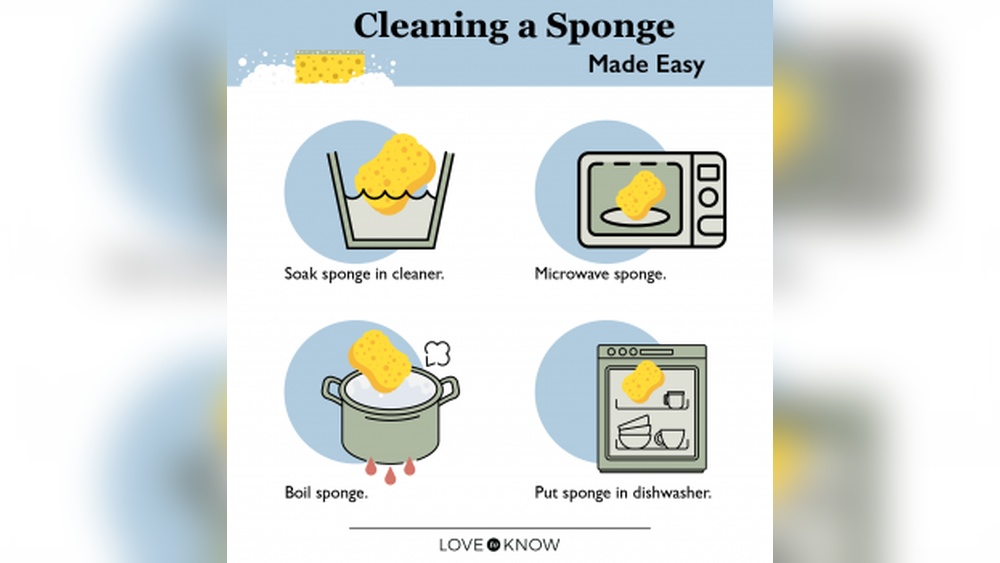
Besides microwaving, try other cleaning ways to keep your sponge fresh. Soak it in vinegar or bleach diluted with water for a few minutes. Rinse well and squeeze out excess water. You can also wash sponges in the dishwasher on the top rack. These methods help kill germs and reduce bad smells.
Credit: www.youtube.com
Common Mistakes To Avoid
Cleaning a sponge in the microwave is a quick way to kill bacteria. Many people try this method but make mistakes that can cause damage or danger. Avoiding common errors helps keep your kitchen safe and your sponge clean.
Microwaving Dry Sponges
Never microwave a dry sponge. Dry sponges can catch fire and damage your microwave. Always soak the sponge with water before microwaving. The water creates steam that kills bacteria safely. A wet sponge prevents overheating and reduces fire risk.
Ignoring Metal Components
Check your sponge for metal parts before microwaving. Some sponges have scrubbing pads or metal wires attached. Metal can spark and cause a fire inside the microwave. Remove any metal components or use a plain sponge only. Safety comes first when sanitizing sponges.

Credit: www.homedit.com
Frequently Asked Questions
Can You Microwave A Sponge To Clean It?
Yes, microwave a thoroughly wet sponge without metal parts on high for 1-2 minutes to kill bacteria. Let it cool before use to avoid burns. Never microwave a dry sponge to prevent fire hazards. Replace sponges regularly for best hygiene.
How Long Do You Put A Wet Sponge In The Microwave To Clean It?
Soak the sponge thoroughly with water. Microwave on high for 1 to 2 minutes. Let it cool completely before use to avoid burns.
What Is The Best Way To Disinfect Sponges?
Soak a sponge fully with water, then microwave on high for 1-2 minutes. Let it cool before use. Avoid sponges with metal parts. Replace sponges every 1-2 weeks for best hygiene.
How To Heat Up A Sponge To Disinfect?
Soak the sponge completely with water. Ensure no metal parts are attached. Microwave on high for 1-2 minutes. Let it cool before handling to avoid burns. This heats and disinfects the sponge effectively.
Conclusion
Cleaning your sponge in the microwave is quick and simple. Always wet the sponge before microwaving to avoid fire risks. Heat it for one to two minutes to kill germs effectively. Let it cool completely before touching to prevent burns.
Regular cleaning keeps your kitchen sponge safe and fresh. Remember to replace sponges often for best hygiene. This easy method helps maintain a cleaner kitchen every day.