How to Clean Mold from Microwave: Easy Steps for Safe Results
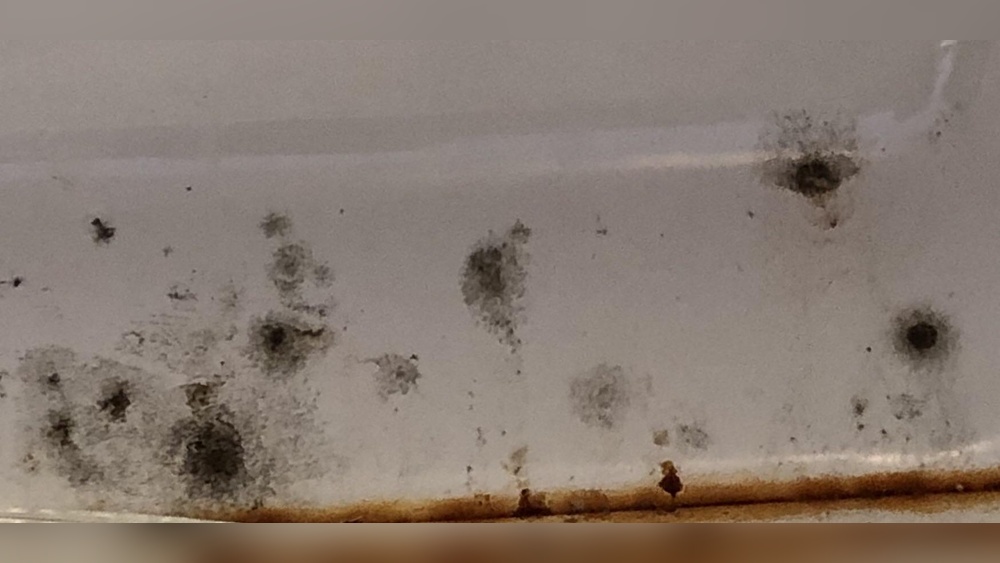
Is your microwave showing signs of mold? It’s not just unpleasant to see—it can also affect the taste of your food and your health.
You might feel unsure about how to tackle this problem safely and effectively. But don’t worry, cleaning mold from your microwave is easier than you think. In this guide, you’ll discover simple, step-by-step methods using common household ingredients that will restore your microwave to a fresh, clean state.
Keep reading to learn how to protect your kitchen and enjoy your meals without worry.
Identify Mold Presence
Mold in a microwave is a health risk. It can cause allergies and bad smells. Identifying mold early helps prevent spreading. You must check your microwave regularly for signs of mold.
Look carefully inside the microwave. Mold often grows in damp, dark areas. These spots include the door seals, corners, and under the turntable. Identifying mold is the first step to cleaning it safely.
Look For Visible Spots
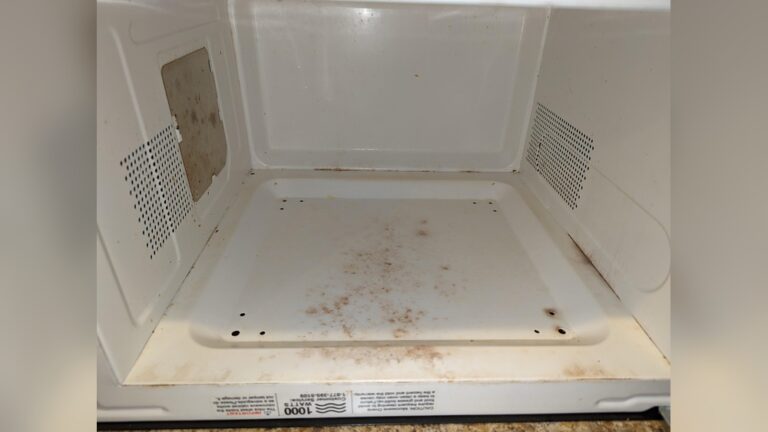
Mold appears as black, green, or white spots. These spots may look fuzzy or slimy. Check all surfaces inside the microwave. Pay close attention to the corners and edges.
Smell For Musty Odors
Mold often causes a strong, musty smell. If your microwave smells bad, mold might be present. Open the door and sniff carefully. A fresh microwave should not have a strange odor.
Check For Moisture Buildup
Moisture helps mold grow quickly. Look for water drops or steam inside. Condensation on the glass or walls is a sign. Wipe moisture away to stop mold growth early.
Inspect The Door Seal
The door seal traps moisture and food particles. Mold often hides in this area. Pull back the seal gently and look closely. Clean this part well to prevent mold.
Gather Cleaning Supplies
Gathering the right cleaning supplies is the first step to removing mold from your microwave. Using natural ingredients helps clean effectively without harsh chemicals. These supplies are easy to find and safe for your kitchen. Prepare everything before starting the cleaning process for better results.
Vinegar And Water Solution
Mix equal parts of white vinegar and water in a microwave-safe bowl. Vinegar kills mold and loosens grime. Heat the solution in the microwave for five minutes. The steam softens mold and food stains, making cleaning easier. Let the bowl sit inside for a few minutes after heating.
Baking Soda Paste
Combine baking soda with a small amount of water to form a thick paste. This paste scrubs away stubborn mold spots and odors. Apply it gently on affected areas with a cloth or sponge. Baking soda is a mild abrasive and safe for most microwave surfaces. Rinse the paste off with a damp cloth after scrubbing.
Cleaning Cloths And Sponges
Use soft cloths or sponges to wipe the microwave clean. Microfiber cloths work well to pick up mold and moisture. Avoid abrasive scrubbers that can scratch the microwave’s surface. Keep separate cloths for applying vinegar solution and baking soda paste. Rinse and wring them out often during cleaning to avoid spreading mold spores.
Prepare Steaming Solution
Start by mixing equal parts of water and white vinegar in a microwave-safe bowl. Heat the solution until it steams, loosening mold and grime inside. Let it sit for a few minutes before wiping clean.
Gather Ingredients For The Steaming Solution
Start by collecting simple household items. You will need water and a natural cleaner. White vinegar is ideal for killing mold. Lemon juice or baking soda also works well. These ingredients create steam that loosens mold and grime.
Measure And Mix The Solution
Pour one cup of water into a microwave-safe bowl. Add half a cup of white vinegar for strong cleaning power. For a fresh scent, add two tablespoons of lemon juice. Stir the mixture gently to combine all ingredients.
Place The Bowl Inside The Microwave
Put the bowl with the steaming solution in the center of the microwave. Make sure the microwave turntable can rotate freely. This helps the steam reach all corners inside the microwave.
Heat The Solution To Create Steam
Set the microwave on high power for five minutes. The water will boil and produce steam. This steam softens mold and food stains on the microwave walls. Do not open the door immediately after heating.
Steam The Microwave Interior
Steaming the microwave interior helps loosen mold and food residue quickly. The heat and moisture soften grime, making cleaning easier. This method uses simple ingredients and requires minimal effort. It also reduces the need for harsh chemicals inside your microwave.
Microwave Safe Bowl Setup
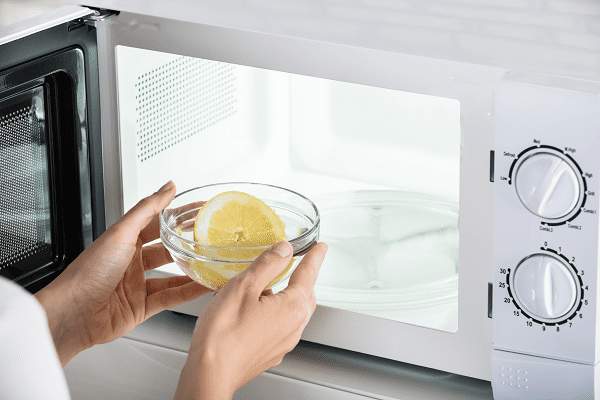
Choose a microwave-safe bowl to hold the steaming solution. Fill it with equal parts water and white vinegar. Vinegar helps kill mold and removes odors. You can also add a few slices of lemon for a fresh scent. Place the bowl in the center of the microwave turntable.
Heating Duration
Heat the bowl on high power for about five minutes. The steam will fill the microwave cavity during this time. After heating, leave the door closed for two to three minutes. This allows the steam to work on tough mold spots. Open the door carefully to avoid steam burns, then wipe the interior with a clean cloth.
Wipe Down Interior Surfaces
Wiping down the interior surfaces of your microwave is a key step to remove mold safely and effectively. This process clears away loose mold and cleans the hard-to-reach areas. A thorough wipe keeps your microwave fresh and prevents mold from returning.
Removing Loose Mold
Start by unplugging the microwave for safety. Use a soft cloth or paper towel to gently wipe away any loose mold spots. Avoid scrubbing hard, as this can spread mold spores. Dispose of the cloth carefully after use to stop mold from spreading elsewhere.
Cleaning Walls, Roof, And Door
Mix a cleaning solution using equal parts water and white vinegar. Dip a clean cloth into the solution and wring out excess liquid. Wipe all interior walls, the roof, and the door, focusing on corners and seals where mold hides. Rinse the cloth often to remove mold residue and repeat wiping until surfaces look clean.
Credit: www.reddit.com
Clean Removable Parts
Cleaning the removable parts of your microwave is key to removing mold effectively. These parts often trap moisture and food particles, creating a perfect spot for mold to grow. Taking the time to clean them thoroughly helps keep your microwave fresh and safe to use.
Start by removing all detachable components. This allows you to clean each piece well without spreading mold inside the microwave. Use gentle but effective cleaning methods to avoid damaging your microwave parts.
Turntable Cleaning
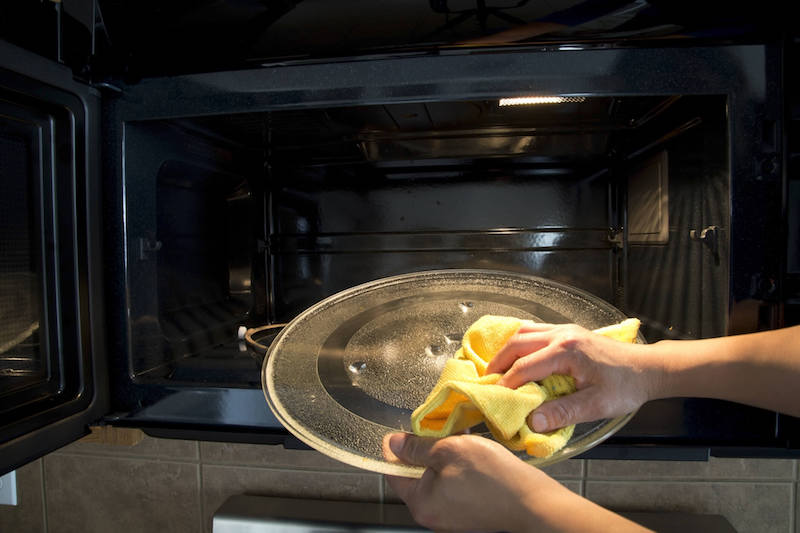
Take out the turntable carefully. Wash it with warm, soapy water to remove grime and mold. Use a soft sponge to scrub the surface gently. For stubborn mold, mix equal parts of white vinegar and water. Soak a cloth in the solution and wipe the turntable thoroughly.
Rinse the turntable well under running water. Dry it completely with a clean towel before putting it back. This prevents moisture from causing new mold growth.
Base Area Wipe
After removing the turntable, wipe the base area inside the microwave. Use a cloth dipped in the vinegar-water mix. This solution kills mold and disinfects the surface.
Make sure to reach all corners and edges. Mold can hide in small spaces. Avoid using harsh chemicals that can damage the microwave’s interior.
Dry the base area with a clean, dry cloth. This step helps keep the area mold-free for longer.
Tackle Stubborn Mold Spots
Stubborn mold spots in your microwave need extra care. Regular wiping may not remove them completely. These spots often hide in corners or under the turntable. Tackling them requires safe and effective methods that do not harm your microwave. Here are two simple ways to deal with tough mold areas.
Applying Baking Soda Paste
Baking soda is a natural cleaner and mold remover. Mix baking soda with a little water to make a thick paste. Apply this paste directly to the mold spots. Let it sit for 10 to 15 minutes. The baking soda breaks down the mold and absorbs odors. After resting, wipe the area with a damp cloth. Repeat if the mold is still visible. This method is gentle and safe for microwave surfaces.
Gentle Scrubbing Techniques
Use a soft sponge or cloth for scrubbing mold spots. Avoid harsh scrubbers that can scratch the microwave. Dip the sponge in warm soapy water or baking soda paste. Gently scrub the mold spots in circular motions. This loosens mold without damaging the surface. Rinse the sponge often to avoid spreading mold. After scrubbing, wipe with a clean damp cloth. Dry the area well to stop mold from growing back.
Dry And Air Out Microwave
After removing mold and cleaning your microwave, drying and airing it out is crucial. Moisture left inside can help mold grow back quickly. Proper drying stops mold spores from settling and spreading. It also keeps your microwave fresh and safe to use.
Wiping Dry
Use a clean, dry cloth or paper towel to wipe the inside of the microwave. Focus on corners and edges where water may collect. Make sure to dry the turntable and walls thoroughly. Removing all moisture helps prevent mold from returning. Avoid using a wet cloth as it adds more moisture.
Leaving Door Open
Keep the microwave door open for several hours after cleaning. This lets air flow inside and dries any leftover dampness. Place the microwave in a well-ventilated area if possible. Leaving the door open helps reduce humidity and stops mold growth. Do not close the door until the microwave is completely dry.
Sanitize Exterior Surfaces
Sanitizing the exterior surfaces of your microwave is crucial to keep it clean and safe. Mold can grow not only inside but also on the outer parts. Dirt, grease, and moisture create a perfect home for mold spores. Regular cleaning helps prevent mold build-up and keeps your kitchen hygienic.
Focus on the areas you often touch, such as buttons, handles, and the door. These spots collect germs and grime quickly. Use gentle but effective cleaning methods to avoid damage and maintain the microwave’s look.
Use A Mild Cleaning Solution
Mix warm water with a small amount of dish soap. Dip a soft cloth into the solution and wring it out well. Wipe down all exterior surfaces carefully. Avoid soaking the cloth to prevent water from entering the microwave’s electronics.
Disinfect With Vinegar Or Rubbing Alcohol
Vinegar and rubbing alcohol kill many types of mold and bacteria. Spray a diluted vinegar solution or rubbing alcohol on the cloth. Gently rub the microwave’s exterior surfaces. Let the area air dry for a few minutes to ensure full disinfection.
Clean Buttons And Seams With A Cotton Swab
Buttons and seams can hide dirt and mold. Dip a cotton swab in the cleaning solution or alcohol. Carefully clean these small areas to remove buildup. Replace the swab as it gets dirty to avoid spreading mold.
Dry The Surfaces Thoroughly
Use a dry microfiber cloth to wipe all cleaned surfaces. Drying prevents moisture from staying on the microwave. Moisture can encourage mold growth again. Make sure no wet spots remain on buttons, handles, or corners.
Credit: www.themichaelrubino.com
Prevent Future Mold Growth
Preventing mold growth in your microwave is key to keeping it safe and clean. Mold thrives in moist, warm places. Microwaves often have leftover moisture and food particles. These create the perfect environment for mold to grow. Taking simple steps can stop mold from coming back. Focus on consistent cleaning and good airflow inside the microwave.
Regular Cleaning Routine
Clean your microwave after each use. Wipe spills and food splashes immediately. Use a damp cloth and mild soap. Avoid harsh chemicals that can damage surfaces. Steam clean weekly with water and vinegar. This removes hidden moisture and food residue. Don’t forget to clean the turntable and walls. A clean microwave stops mold spores from settling and growing.
Proper Microwave Ventilation
Keep your microwave dry by letting air circulate. Leave the door open for a few minutes after use. This helps moisture escape and dries the interior. Check the vents regularly to make sure they are not blocked. Proper ventilation prevents dampness that mold needs to grow. A well-ventilated microwave stays fresher and safer for food.
Frequently Asked Questions
What Kills 100% Of Mold?
Bleach and specialized mold killers can eliminate nearly 100% of mold on surfaces. Proper cleaning and drying prevent regrowth.
Can You Kill Fungus In The Microwave?
Microwaves can kill some fungi by heating, but effectiveness varies by fungus type and microwave power. Use steam cleaning with vinegar for mold removal. For thorough sterilization, rely on specialized methods, not just microwaving.
How To Clean A Really Nasty Microwave?
Steam the microwave interior with a bowl of water and vinegar for 5 minutes. Let it sit. Wipe grime with a damp cloth. Use baking soda paste on tough spots. Remove and wash the turntable separately. Dry all surfaces and leave the door open to air out.
Conclusion
Cleaning mold from your microwave keeps it safe and fresh. Use simple ingredients like vinegar and water to steam clean. Wipe the inside carefully to remove mold and grime. Regular cleaning prevents mold from coming back quickly. Keep your microwave dry and covered when not in use.
A clean microwave helps protect your health and food taste. Stay consistent, and your appliance will last longer. Mold removal is easy with the right steps and tools.