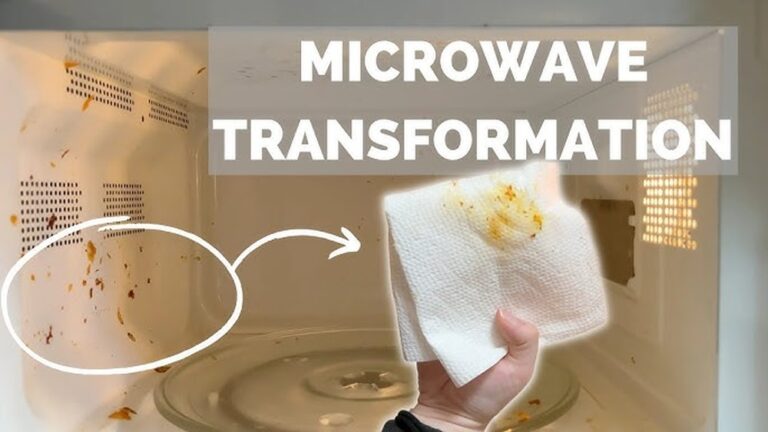
How to Clean Microwave Oven With Lemon Juice: Easy Natural Hack
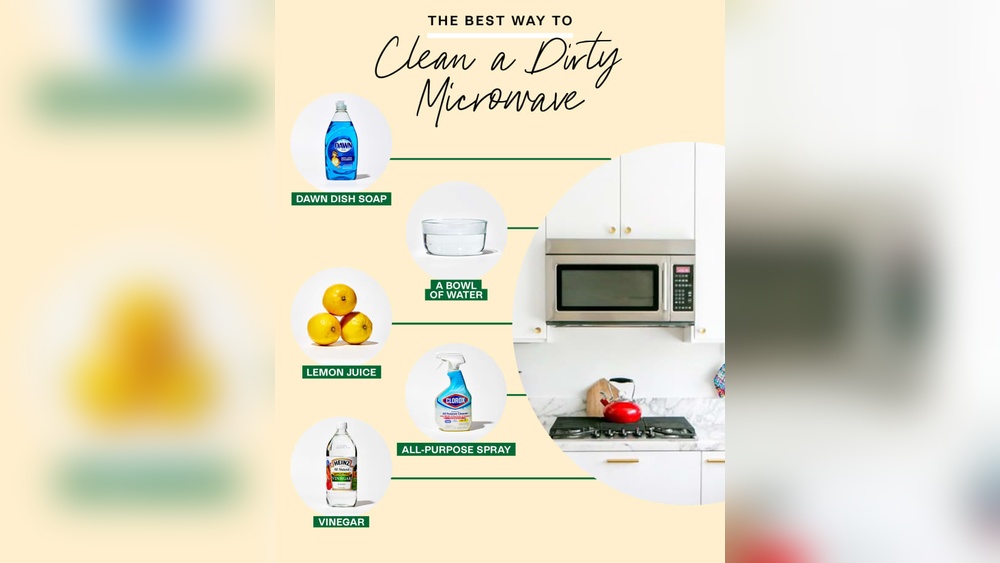
Is your microwave looking grimy with stubborn food splatters and stains? You don’t have to reach for harsh chemicals or spend hours scrubbing.
With just a lemon and some water, you can easily refresh your microwave and make it sparkle again. Using lemon juice not only cleans but also leaves your microwave smelling fresh and natural. Ready to discover a simple, effective, and eco-friendly way to clean your microwave oven?
Keep reading, and you’ll learn how this easy trick can save you time and effort while giving your kitchen appliance a sparkling makeover.
:max_bytes(150000):strip_icc()/GettyImages-1156685164-397c7efd3c634c36bc7caadbca943291.jpg)
Credit: www.southernliving.com
Benefits Of Lemon Juice
Lemon juice is a simple, natural way to clean your microwave oven. It offers many benefits that make cleaning easier and safer. Using lemon juice removes grime and leaves your microwave fresh and bright. It also avoids harsh chemicals that can harm your health or the environment.
Here are some key benefits of using lemon juice for microwave cleaning.
Natural Cleaning Agent
Lemon juice contains natural acids that break down grease and stains. These acids dissolve food splatters and stuck-on messes. It cleans without scratching or damaging the microwave’s surface. This natural cleaner works well without artificial chemicals.
Deodorizing Properties
Lemon juice removes bad smells and leaves a fresh scent. It neutralizes odors from cooked food and spills. This deodorizing effect keeps your microwave smelling clean and pleasant. No more lingering smells of popcorn or burnt food.
Eco-friendly Choice
Lemon juice is safe for the environment. It is biodegradable and non-toxic. Using lemon juice reduces plastic waste from cleaning products. It is a sustainable and green cleaning option. Good for your home and the planet.
Supplies Needed
Cleaning your microwave with lemon juice requires just a few simple supplies. These common items help remove stains and odors naturally. Preparing everything beforehand makes the cleaning process quick and easy.
Gather fresh ingredients and tools that are safe to use in the microwave. This ensures effective cleaning without damaging the appliance. Here are the supplies you will need to get started.
Microwave-safe Bowl
Use a bowl that can safely go in the microwave. Glass or ceramic bowls work best. Avoid plastic bowls that are not microwave-safe, as they might melt or release harmful chemicals.
This bowl will hold the lemon and water mixture. It also helps steam the inside of the microwave for easier cleaning.
Fresh Lemon
Choose a fresh lemon for the best cleaning power. Lemon juice naturally breaks down grease and grime. The citrus scent also leaves your microwave smelling fresh.
Cut the lemon in half or slices. You will squeeze the juice into the bowl and add the lemon pieces for extra cleaning strength.
Cloth Or Sponge
Prepare a soft cloth or sponge for wiping the microwave. Make sure it is clean and damp. This tool removes loosened dirt and lemon residue gently.
A cloth works well for delicate surfaces. A sponge can help scrub stubborn spots without scratching.
Preparing Lemon Cleaning Solution
Preparing the lemon cleaning solution is the first step to a fresh microwave. This natural solution helps loosen grime and leaves a fresh scent. It is simple and uses common kitchen ingredients. Follow these steps to make your lemon cleaning solution ready.
Cutting The Lemon
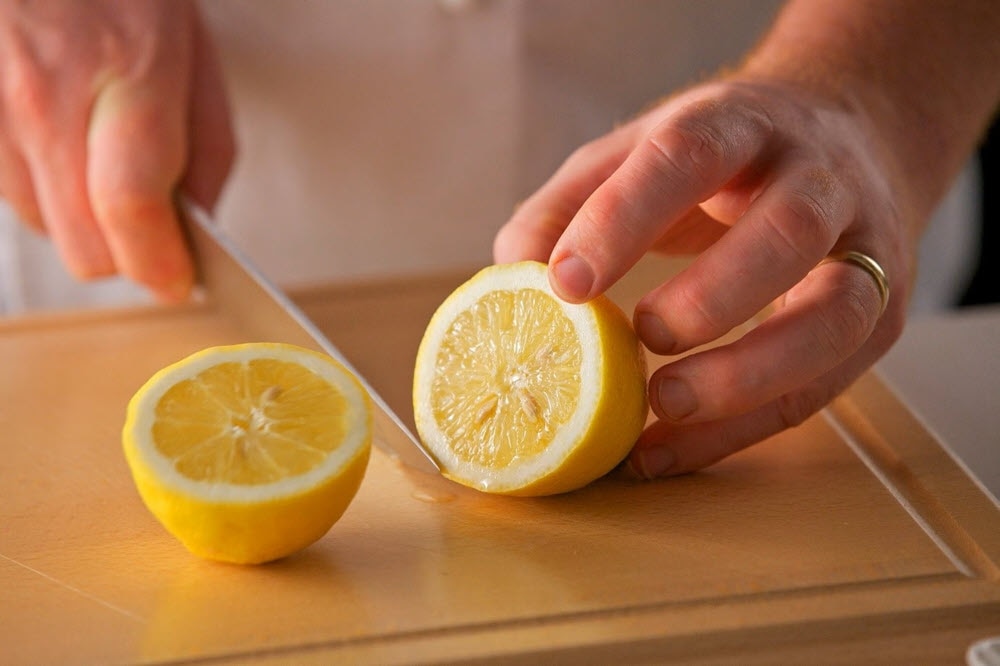
Start by washing the lemon under cold water. Place it on a clean cutting board. Use a sharp knife to cut the lemon in half. Cutting exposes the juice and essential oils inside. These oils help break down dirt in the microwave.
Adding Water
Next, grab a microwave-safe bowl. Squeeze the juice from both lemon halves into the bowl. Drop the lemon halves into the bowl as well. Fill the bowl with about one cup of water. The water will create steam to loosen grime. Stir gently to mix the lemon juice and water.
Microwave Cleaning Process
Cleaning a microwave with lemon juice is simple and effective. This natural method removes odors and grime without harsh chemicals. The process uses steam to loosen dirt inside your microwave. Follow the steps below for a fresh, clean interior.
Heating The Solution
Cut one lemon in half and squeeze the juice into a microwave-safe bowl. Add about one cup of water to the bowl. Place the lemon halves in the bowl as well. Put the bowl inside the microwave and heat on high for 3 to 5 minutes. The water will boil and mix with the lemon juice.
Letting Steam Work
Keep the microwave door closed for 5 minutes after heating. The steam will loosen dried food and stains on the walls. This step softens the grime, making it easier to wipe away. The lemon steam also removes odors naturally.
Wiping Interior Surfaces
Carefully remove the hot bowl using a cloth or oven mitt. Use a damp sponge or cloth to wipe the inside surfaces. The dirt should come off easily. For tough spots, dip the cloth in the lemon water and scrub gently. Finally, dry the interior with a clean towel.
Tackling Tough Stains
Tough stains inside the microwave can be stubborn and hard to remove. Lemon juice works well to break down grease and grime. It also leaves a fresh scent behind. Use steam from lemon water to soften stuck-on food. Then wipe away with ease. This section shows how to tackle these tough spots effectively.
Using Leftover Lemon Water
After steaming the microwave with lemon water, keep the liquid. It still holds natural acids and cleaning power. Dip a clean cloth or sponge into this water. Rub the tough stains gently but firmly. The lemon water helps dissolve hardened food and grease. This method saves time and reduces waste.
For very stubborn marks, soak the cloth longer in the lemon water. Hold it on the stain for a few minutes. The acids will loosen the dirt for easier removal. Repeat as needed until the surface looks clean.
Extra Scrubbing Tips
Use a soft brush or old toothbrush for corners and crevices. These areas often hide grime and need extra attention. Dip the brush in lemon water before scrubbing. This softens the dirt and protects microwave surfaces from scratches.
Apply a small amount of baking soda to the brush for extra abrasion. Scrub gently to avoid damage. Rinse with a damp cloth afterward. This combo of lemon and baking soda tackles even the toughest microwave stains.

Credit: www.youtube.com
Cleaning Microwave Exterior
Cleaning the microwave exterior is important to keep your kitchen looking fresh. Grease, fingerprints, and dust build up over time. Using lemon juice helps remove dirt and leaves a pleasant scent. It is a natural and gentle cleaner safe for most surfaces.
Wiping Down Door And Buttons
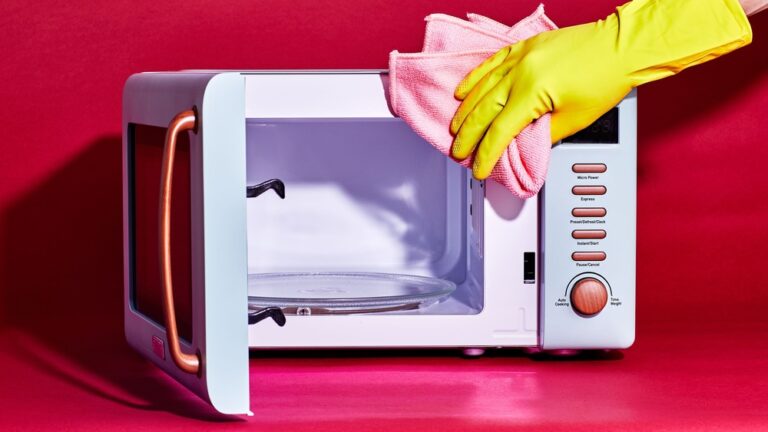
Dampen a soft cloth with lemon juice mixed with water. Gently wipe the microwave door and buttons. Avoid soaking the buttons to prevent damage. The lemon solution breaks down grease and grime effectively. Wipe in small circles for better cleaning. Dry with a clean cloth to avoid streaks.
Removing Fingerprints And Smudges
Fingerprints and smudges make the microwave look dirty quickly. Use lemon juice on a microfiber cloth for best results. Rub the affected areas lightly to remove marks. Lemon’s natural acidity helps dissolve oily residues. Finish by buffing with a dry cloth. Your microwave will shine without harsh chemicals.
Comparing Lemon Juice To Vinegar
Choosing between lemon juice and vinegar for cleaning your microwave depends on several factors. Both are natural cleaners that break down grime well. Each has unique qualities that affect cleaning results and user experience. Understanding these differences helps pick the best option for your needs.
Effectiveness Against Grease
Lemon juice contains natural acids that cut through grease and food splatters. It loosens sticky residues, making them easier to wipe away. Vinegar also has strong acidic properties that dissolve tough grease effectively.
Vinegar’s acetic acid is often stronger than lemon’s citric acid. This can make vinegar slightly better for heavy grease buildup. Lemon juice works well for light to moderate stains and leaves surfaces clean.
Scent And Residue Differences
Lemon juice leaves a fresh, citrus scent after cleaning. This scent can make your microwave smell pleasant and clean. Vinegar has a strong, sharp smell that some people find unpleasant. The vinegar scent fades after airing out the microwave.
Lemon juice usually leaves no sticky residue behind. Vinegar can sometimes leave a slight film if not wiped properly. Both clean well but the smell and residue might influence your choice.
Credit: www.electroluxarabia.com
Frequently Asked Questions
How Do I Clean My Microwave With Lemon Juice?
Cut a lemon in half and squeeze juice into a microwave-safe bowl with water. Microwave for 3-5 minutes. Let steam loosen grime. Wipe interior with a cloth. Use leftover lemon water for tough spots.
What Is The Fastest Way To Clean The Inside Of A Microwave?
Place a microwave-safe bowl with water and lemon slices inside. Microwave for 3-5 minutes. Let steam loosen grime. Wipe interior with a cloth for quick, natural cleaning.
How Do I Clean My Oven With Lemon Juice?
Cut two lemons and squeeze juice into a bowl with water. Heat in the oven for 30 minutes. Let steam loosen grime. Wipe oven interior with a cloth dipped in lemon water. Repeat for stubborn spots. This natural method cleans and deodorizes effectively.
Conclusion
Cleaning your microwave with lemon juice is simple and natural. The lemon’s steam loosens dirt and removes odors quickly. Just heat lemon water inside and wipe away grime. This method saves time and avoids harsh chemicals. Regular cleaning keeps your microwave fresh and safe.
Try this easy, eco-friendly trick for a spotless kitchen appliance. It’s a small step that makes a big difference.