How to Clean a Sponge in a Microwave: Easy & Effective Tips
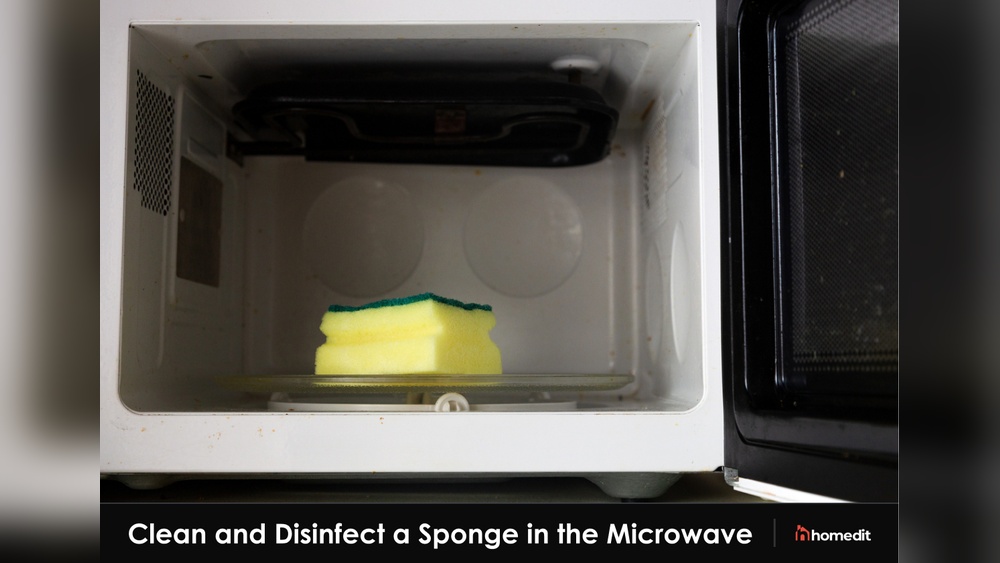
Your kitchen sponge works hard every day, scrubbing away grease and grime, but have you ever stopped to think about what’s lurking inside it? If you want to keep your sponge fresh and bacteria-free without buying a new one every few days, there’s a simple trick you can use right at home.
Learning how to clean a sponge in a microwave is quick, easy, and surprisingly effective. Stick with me, and you’ll discover a safe way to sanitize your sponge that could save you time, money, and even protect your health. Ready to make your sponge cleaner than ever?
Let’s dive in!
Credit: www.allplanttraining.co.uk
Prepare The Sponge
Preparing your sponge correctly is essential before microwaving it for cleaning. This step ensures safety and effectiveness. Follow these simple actions to get your sponge ready.
Wet The Sponge Thoroughly
Start by soaking the sponge completely in water. A wet sponge creates steam inside the microwave. This steam helps kill bacteria and germs effectively. Avoid microwaving a dry sponge, as it may catch fire or get damaged.
Check For Metal Components
Inspect your sponge carefully for any metal parts or scrubbing pads. Metal in the microwave can cause sparks and damage the appliance. Remove any metal pieces or choose a sponge without metal before microwaving.
Microwave The Sponge
Microwaving a sponge is a quick way to kill germs and bacteria. The heat and steam work together to sanitize it. Before starting, always make sure the sponge is wet. A dry sponge can catch fire in the microwave.
This method is simple and saves money on buying new sponges often. Just follow the right steps to do it safely and effectively.
Set Microwave Time And Power
Set your microwave to high power for best results. Run the microwave for one to two minutes. Less than one minute may not kill all bacteria. More than two minutes can damage the sponge.
Adjust time based on your microwave’s wattage. Higher wattage means less time is needed. Use the shortest time that sanitizes the sponge well.
Place Sponge Safely
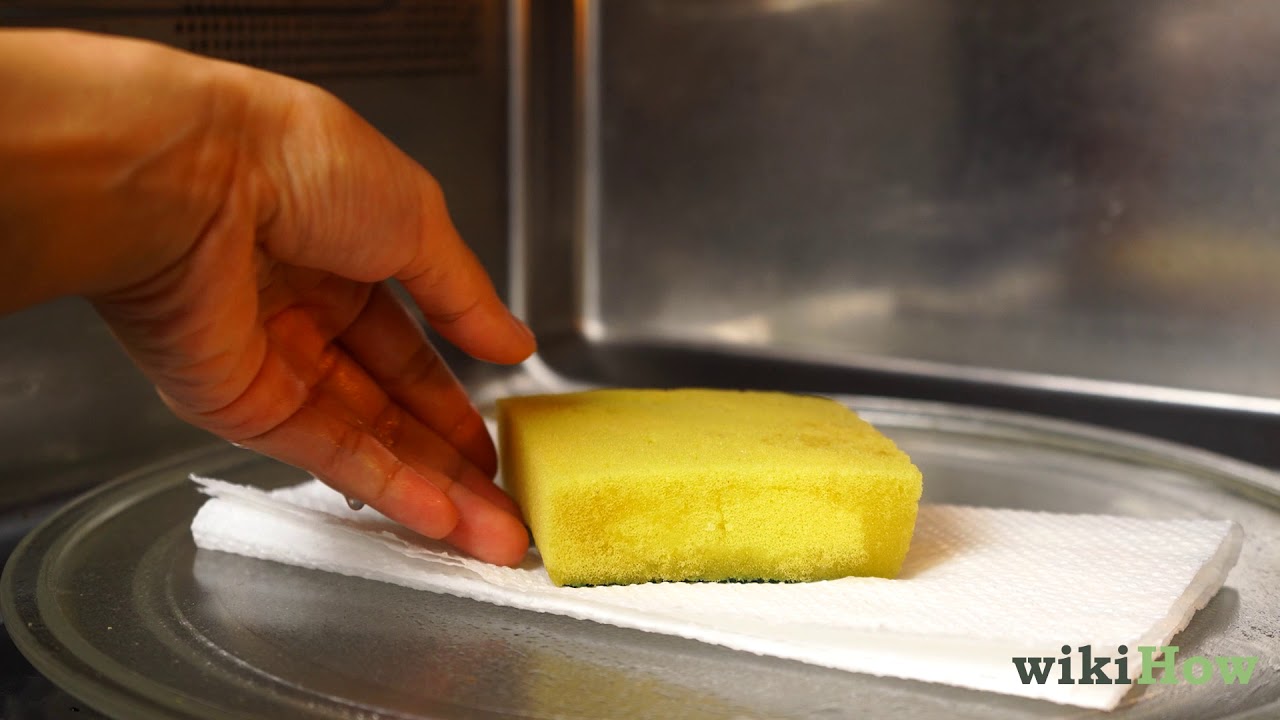
Place the wet sponge in the microwave carefully. Use a microwave-safe plate or bowl under it. Avoid any metal or foil in or near the sponge. Metal can cause sparks and damage the microwave.
Make sure the sponge lays flat and does not touch the microwave walls. This prevents uneven heating and possible fire risks. After microwaving, handle the sponge with care—it will be very hot.
Handle After Microwaving
Handling a sponge right after microwaving is important for safety and effectiveness. The sponge will be very hot and full of steam. Proper care prevents burns and keeps the sponge clean and ready to use.
Remove Sponge Carefully
Use tongs or oven mitts to take the sponge out. Avoid using bare hands. The sponge can burn your skin instantly. Hold it firmly but gently to avoid squeezing hot water out. Place the sponge on a heat-safe surface.
Let It Cool Down
Allow the sponge to cool for a few minutes. This helps the steam escape safely. Cooling stops accidental burns and makes the sponge easier to handle. Do not use the sponge while it is still hot. Squeeze it gently after it cools to remove extra water.
Squeeze And Dry
After microwaving your sponge to kill bacteria, it’s important to properly squeeze and dry it. This step removes moisture that can cause germs to grow again. A well-dried sponge lasts longer and stays cleaner.
Remove Excess Water
Carefully take the sponge out of the microwave. Use tongs or oven mitts because it will be hot. Gently squeeze the sponge to push out as much water as possible. Avoid twisting it too hard to prevent damage. Removing water helps the sponge dry faster and stay fresh.
Allow To Air Dry
Place the squeezed sponge in a well-ventilated area. Let it air dry completely before using it again. Avoid putting the sponge in a damp or dark spot. Drying in open air stops bacteria from growing. You can also set it on a clean rack or dish drainer for better airflow.
Tips For Best Results
Cleaning your sponge in the microwave can keep it fresh and safe. Follow these tips for the best results. Proper care extends your sponge’s life and prevents bacteria build-up. Simple habits make a big difference in kitchen hygiene.
Use the microwave method regularly and handle your sponge with care. Keep it wet before microwaving to avoid fires. Let it cool completely before use to protect your hands. These small steps improve cleaning and safety.
Frequency Of Cleaning
Clean your sponge in the microwave every day. Daily cleaning kills most bacteria and keeps odors away. If you use the sponge a lot, consider cleaning it twice a day. Consistency is key to keeping your sponge safe for use.
When To Replace Sponges
Replace your sponge every one to two weeks. Sponges break down and trap more germs over time. Change it sooner if it smells bad or falls apart. Using a fresh sponge helps maintain a clean kitchen environment.
Safety Precautions
Cleaning a sponge in the microwave is a quick way to kill germs. Safety is key to avoid accidents. Follow these precautions carefully to keep yourself and your kitchen safe.
Avoid Metal Sparks
Never microwave a sponge with metal parts. Metal can cause sparks and start fires. Check the sponge for any metal scrubbers or threads. Remove or replace the sponge if it contains metal. Use only plain, wet sponges without any metal.
Prevent Burns
Always wet the sponge before microwaving. A dry sponge can catch fire or overheat. Use oven mitts or tongs to take the sponge out. The sponge can be very hot and may burn your hands. Let the sponge cool before squeezing or using it again.
Alternative Cleaning Methods
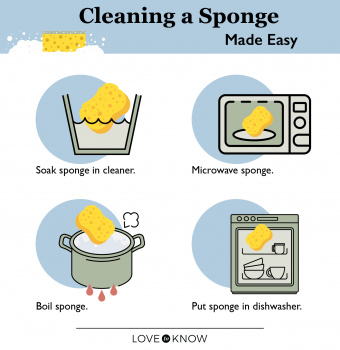
Besides using a microwave, several other ways clean your kitchen sponge effectively. These alternative methods also kill germs and keep your sponge fresh. Try these simple options if you want a break from microwaving.
Dishwasher Cleaning
Put the sponge on the top rack of your dishwasher. Run a full cycle with hot water and detergent. The heat and soap will remove dirt and kill bacteria. This method works well for thick sponges. Let the sponge dry completely before using it again.
Soaking In Bleach Or Vinegar
Fill a bowl with one part bleach and nine parts water. Soak the sponge for five minutes to kill germs. Or use white vinegar instead of bleach for a natural option. Soak the sponge for 10 minutes in vinegar. Rinse the sponge well with water after soaking. These solutions disinfect the sponge effectively and remove odors.
Credit: www.youtube.com
Benefits Of Microwaving Sponges
Microwaving sponges offers clear benefits for kitchen hygiene and maintenance. It uses heat to clean sponges deeply, reaching bacteria that regular washing misses. This simple method keeps sponges fresher and safer for daily use. The process is easy to do and saves time compared to other cleaning methods.
Kills Bacteria Effectively
Microwaving sponges kills most bacteria and germs quickly. The high heat destroys harmful microbes that grow in damp sponges. This reduces the risk of spreading bacteria to dishes and surfaces. Regular microwaving keeps your sponge much cleaner than rinsing with water alone.
Convenient And Quick
Microwaving a sponge takes only one to two minutes. This quick process fits easily into any cleaning routine. No need for special chemicals or tools. Just wet the sponge, microwave it, and let it cool. It’s a fast way to keep your sponge hygienic every day.

Credit: www.construction-manent.fr
Frequently Asked Questions
How Do I Sanitize A Sponge In The Microwave?
Wet the sponge thoroughly and ensure no metal parts. Microwave on high for 1-2 minutes. Use tongs to remove carefully, let cool, then squeeze out water before use.
How Long Do You Put A Wet Sponge In The Microwave To Clean It?
Place a thoroughly wet sponge in the microwave on high for 1 to 2 minutes. Use tongs to remove it carefully. Let it cool before squeezing out excess water. Repeat daily for best results.
How To Clean Make Up Sponge In Microwave?
Thoroughly wet your makeup sponge and ensure no metal parts. Microwave on high for 1-2 minutes. Carefully remove, let cool, then squeeze out excess water. Repeat regularly for hygiene.
How To Clean And Disinfect A Dish Sponge?
Wet the sponge thoroughly and ensure no metal parts. Microwave on high for 1-2 minutes. Let it cool before use. Replace sponges every 1-2 weeks for best hygiene.
Conclusion
Cleaning a sponge in the microwave is quick and simple. Always wet the sponge before microwaving to avoid fire risks. Heat it for one to two minutes to kill most bacteria effectively. Let the sponge cool before handling to prevent burns.
Regular cleaning helps keep your kitchen safe and your sponge fresh. Replace sponges every one to two weeks for best results. This small habit improves hygiene with little effort. Try this easy method to maintain a cleaner kitchen today.