How to Clean a Really Dirty Microwave Oven: Quick & Easy Tips
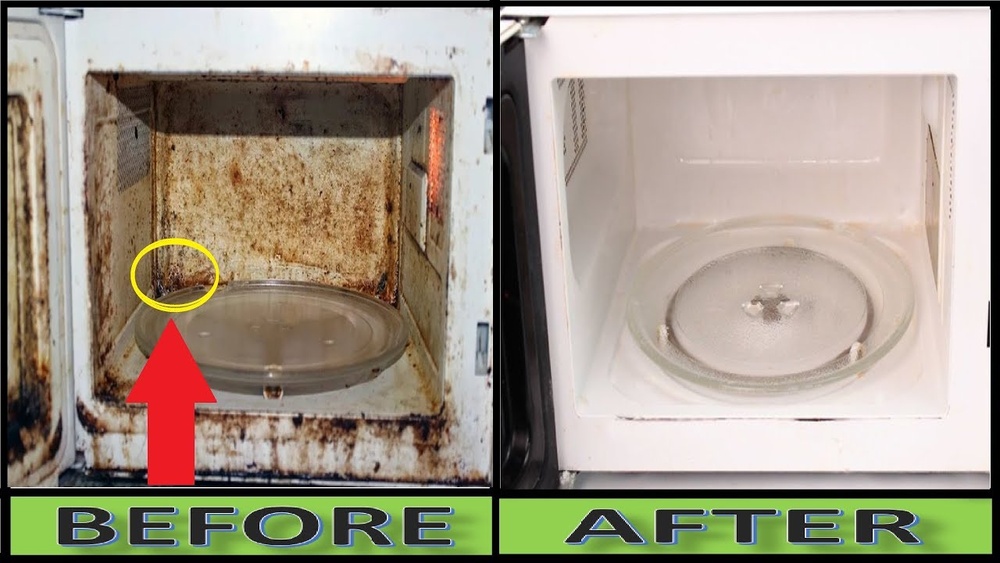
Is your microwave looking more like a science experiment than a kitchen appliance? If you’ve been avoiding cleaning it because the grime seems impossible to tackle, you’re not alone.
But here’s the good news: you can restore your microwave to sparkling clean with simple steps you can do today. Imagine heating your food in a fresh, odor-free space—no more scrubbing endlessly or struggling with stubborn stains. In this guide, you’ll discover easy, effective methods to clean even the dirtiest microwave ovens without harsh chemicals or extra effort.
Ready to make your microwave shine again? Let’s dive in and get that mess under control!
Materials Needed
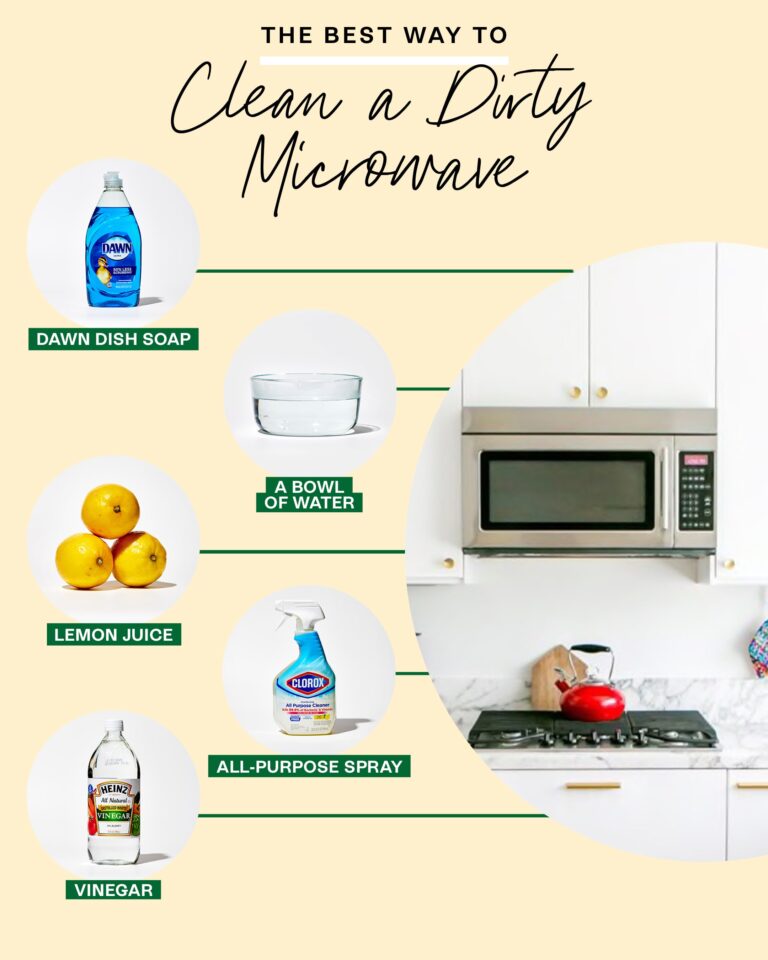
Cleaning a very dirty microwave oven requires just a few simple materials. These items help remove grease, food splatters, and odors quickly. Most of them are common household supplies. Having everything ready before you start saves time and effort.
Choose materials that are safe for your microwave’s surface. Avoid anything too rough or harsh. The right tools and cleaners make the job easier and protect your appliance.
Microwave-safe Bowl Or Measuring Cup
A microwave-safe bowl holds water and cleaning agents during steaming. It helps loosen grime and stains inside the microwave. Glass or ceramic bowls work best. Avoid plastic containers that can melt or warp.
White Vinegar Or Lemon Juice
White vinegar or lemon juice cuts through grease and removes odors. Both are natural and safe cleaners. Vinegar has antibacterial properties. Lemon adds a fresh scent and helps break down tough spots.
Water
Water is essential for creating steam inside the microwave. Steam softens dried food and grime. It also makes wiping easier. Use clean, warm water for the best results.
Sponge Or Soft Cloth
Use a soft sponge or cloth to wipe the inside of the microwave. Avoid abrasive scrubbers that can scratch surfaces. A microfiber cloth works well to remove residue and polish the interior.
Baking Soda
Baking soda is great for scrubbing stubborn stains. It acts as a gentle abrasive and deodorizer. Mix it with water to form a paste. Apply the paste on tough spots and let it sit before scrubbing.
Dish Soap
Mild dish soap helps break down grease and food particles. A few drops in warm water create an effective cleaning solution. It is gentle on surfaces and safe for frequent use.
Paper Towels Or Dry Cloth
Paper towels or a dry cloth are useful for drying the microwave after cleaning. They help remove any leftover moisture to prevent mold or mildew. Use a clean, lint-free cloth for the best finish.
Unplug For Safety
Unplugging your microwave before cleaning is a crucial step. It ensures your safety by cutting off power completely. This simple act prevents electric shocks or accidental starts while you clean.
Even if your hands are dry, water and cleaning solutions can conduct electricity. Unplugging removes any risk of electrical hazards. It also protects the microwave’s internal parts from damage during cleaning.
Why Unplugging Matters
Microwaves use high voltage to operate. Cleaning with the microwave still plugged in can cause electric shock. Unplugging disconnects the power source, making it safe to touch the inside and outside.
It stops the microwave from turning on accidentally. This is especially important if you use liquids or sprays. Safety comes first when dealing with electrical appliances.
How To Safely Unplug Your Microwave
Locate the microwave’s power cord behind the unit. Gently pull the plug straight out from the wall socket. Avoid yanking the cord itself to prevent damage.
Check the cord and plug for any damage before cleaning. Do not use the microwave if you see cracks or frayed wires. Safety depends on the appliance being in good condition.
Additional Safety Tips
Keep the microwave unplugged until you finish cleaning. After cleaning, wait for the microwave to dry fully before plugging it back in. Water inside the microwave can cause short circuits or shocks.
Store cleaning tools and liquids away from the microwave’s power source. This reduces the risk of spills or accidents near the electrical outlet.
Steam The Interior
Steaming the interior of your microwave makes cleaning easier and faster. The steam softens dried food and stains stuck inside. It loosens grime without harsh scrubbing. This gentle method works well for very dirty microwaves. Use natural ingredients like vinegar or lemon for a fresh, clean smell.
Using Vinegar Or Lemon
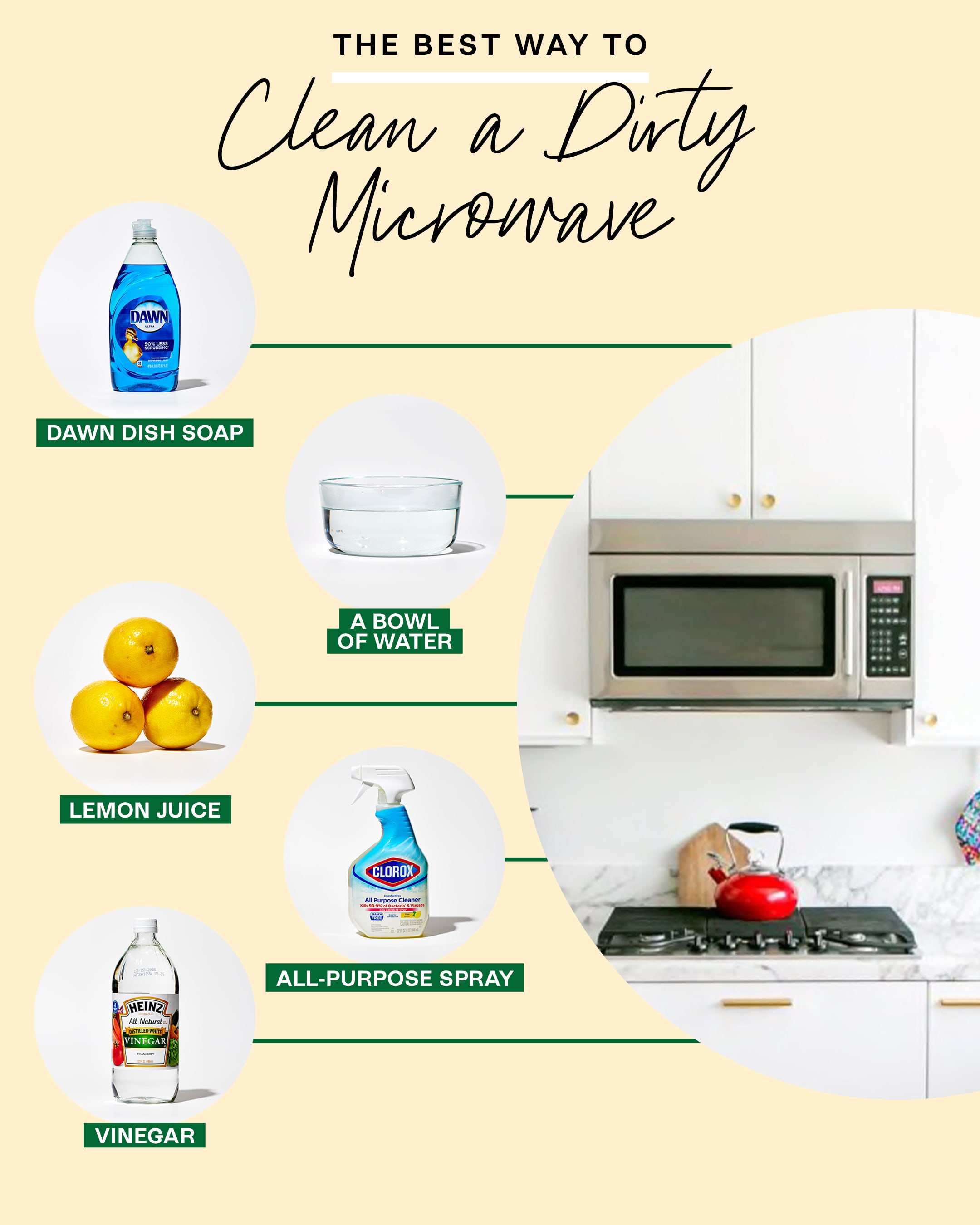
Fill a microwave-safe bowl with water. Add a few tablespoons of vinegar or lemon juice. Vinegar kills bacteria and cuts grease. Lemon adds a fresh scent and helps break down grime. Both ingredients create steam that loosens tough stains. Choose either based on your preference for smell.
Heating The Water Bowl
Place the bowl inside the microwave. Heat it on high for five minutes. The water will boil and create steam. Keep the microwave door closed for a few minutes after heating. This traps steam inside, softening all the stuck-on food. After steaming, wipe the interior with a damp cloth. Stains and spills will come off easily.
Credit: www.thekitchn.com
Wipe Down Surfaces
Wiping down your microwave’s surfaces removes built-up food and grease. This step refreshes the appliance’s look and prevents odors. Use a soft cloth or sponge with mild cleaner or vinegar solution. Focus on every spot, including hidden corners. Pay close attention to tough stains to ensure a deep clean.
Interior Walls And Ceiling
Start by wiping the microwave’s interior walls and ceiling. These areas catch splatters and steam marks. Spray the cleaner lightly and let it sit for a minute. This softens dried-on food and grease. Use a soft sponge or cloth to wipe in gentle circles. Avoid abrasive scrubbers that can scratch the surface. Check corners and edges carefully for hidden grime. Repeat wiping if spots remain. Dry with a clean cloth to prevent streaks.
Microwave Floor
The microwave floor often holds spills and crumbs. Remove the turntable plate before cleaning this area. Spray the floor with your chosen cleaner or vinegar water. Let it rest for a minute to loosen stubborn stains. Wipe the floor with a damp cloth or sponge. Remove all food particles and sticky residues. Rinse the cloth and wipe again to clear cleaner traces. Replace the turntable only after the floor is dry.
Tackle Tough Stains
Tough stains in your microwave need more than quick wipes. Grease and food splatters can bake on and become hard to remove. These stains need a stronger, natural cleaner that lifts grime without harsh chemicals.
Baking soda is a powerful, gentle cleaner. It breaks down stubborn spots and deodorizes at the same time. Making a paste from baking soda and water lets you scrub away messes easily.
Baking Soda Paste
Mix three tablespoons of baking soda with one tablespoon of water. Stir until it forms a thick paste. Apply this paste directly to the toughest spots inside the microwave. Use a soft cloth or sponge to spread it evenly.
The paste clings to stains and works to loosen the grime. Avoid using harsh scrubbing tools that can scratch the microwave’s surface. This method is safe and effective for all microwave interiors.
Letting It Sit
After applying the baking soda paste, let it sit for 10 to 15 minutes. This gives the paste time to break down baked-on food and grease. The longer it sits, the easier it will be to clean.
Once the time is up, use a damp cloth to wipe away the paste and loosened dirt. You may need to repeat this for very stubborn stains. This step helps avoid excessive scrubbing and protects your microwave.
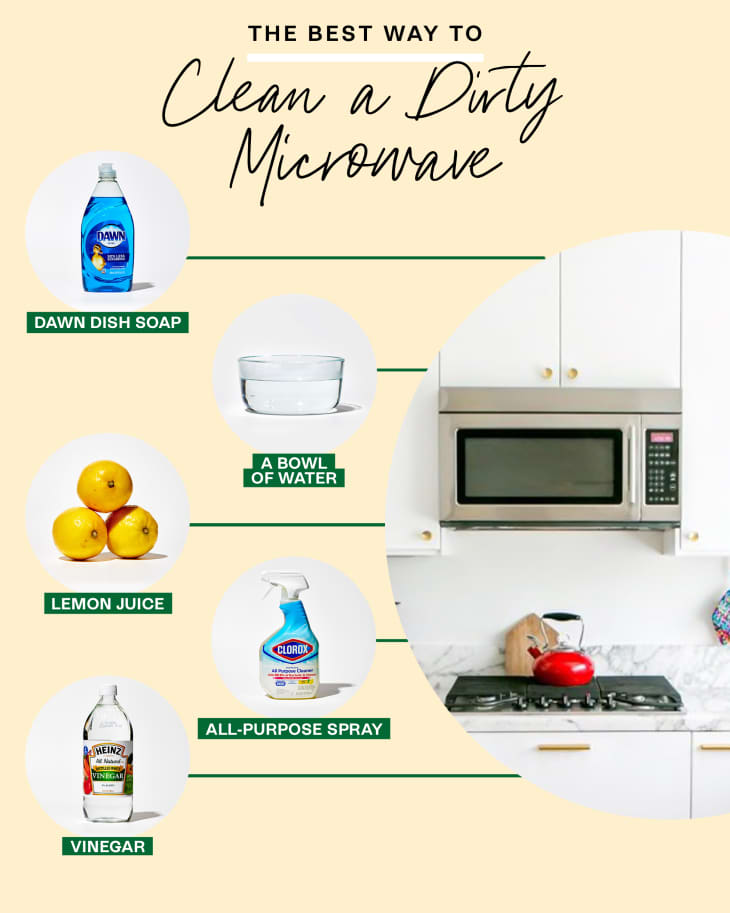
Credit: www.thekitchn.com
Clean The Turntable
The turntable inside your microwave often collects food spills and stains. Cleaning it well helps the microwave work smoothly. It also stops bad smells and bacteria growth. Start by taking the turntable out carefully.
Remove And Wash
Lift the turntable from the microwave base. Place it in the sink. Use warm water and mild dish soap. Scrub gently with a soft sponge to remove stuck-on food. For tough stains, soak the turntable for 10 minutes. Avoid harsh scrubbing to prevent scratches.
Dry Thoroughly
After washing, rinse the turntable under clean water. Use a clean towel to dry it well. Let it air dry completely if possible. A dry turntable prevents mold and keeps the microwave clean. Place it back carefully once fully dry.
Finish Exterior Cleaning
After tackling the inside of your microwave, the exterior needs attention too. A clean outside keeps your microwave looking fresh and hygienic. Dust, fingerprints, and food splatters often hide on surfaces. Wiping them away prevents buildup and keeps your kitchen neat. Focus on key parts for thorough cleaning.
Control Panel Care
The control panel is sensitive and easy to damage. Avoid using too much water or harsh cleaners. Use a soft cloth slightly dampened with mild soap and water. Gently wipe the buttons and screen without pressing hard. Dry the panel with a clean, dry cloth. This keeps it responsive and prevents moisture damage.
Door Seal Maintenance
The door seal stops heat from escaping and keeps the microwave safe. Dirt and crumbs can stick here, causing it to wear out faster. Use a soft cloth or sponge with warm soapy water to clean the seal. Wipe carefully inside the groove to remove hidden dirt. Dry the seal well to avoid mold or mildew growth.
Avoid Harmful Cleaners
Cleaning a really dirty microwave oven requires care. Using harmful cleaners can damage the microwave and affect your health. Choosing safe cleaning tools and products protects your appliance and your family. Avoid chemicals and scrubbing tools that can scratch or corrode the microwave’s surface. Simple, natural solutions work best for a deep, safe clean.
No Abrasive Sponges
Avoid abrasive sponges or steel wool pads. They can scratch the microwave’s interior and exterior. Scratches trap food particles and germs, making future cleaning harder. Use soft sponges or microfiber cloths instead. These clean well without damaging the surface. Gentle scrubbing removes dirt without risk.
Avoid Bleach And Ammonia
Never use bleach or ammonia inside your microwave. These chemicals release strong fumes that are harmful to breathe. They can also leave toxic residues on surfaces. Microwaves heat food quickly, so residues may mix with your meals. Choose natural cleaners like vinegar or lemon juice. These are safe and effective for removing stains and odors.
Tips For Burnt Smell Removal
The burnt smell in a microwave can be very unpleasant. It often lingers even after cleaning the oven. Removing this odor requires a few simple steps. These tips help refresh your microwave quickly. Follow them to restore a fresh smell and keep your microwave inviting.
Use Lemon And Water Steam
Cut a lemon in half and squeeze the juice into a microwave-safe bowl. Add water until the bowl is half full. Place the bowl inside the microwave and heat on high for five minutes. The steam loosens burnt particles and the lemon neutralizes odors. After heating, leave the bowl inside for a few minutes. Then, wipe the interior with a clean cloth.
Apply Baking Soda Paste
Make a paste using baking soda and a little water. Spread the paste on areas with burnt stains or strong odors. Let it sit for 15 to 20 minutes. Baking soda absorbs bad smells and helps lift burnt residue. Wipe the paste off with a damp cloth. Repeat if the smell remains.
Ventilate With Coffee Grounds
Place a bowl of fresh coffee grounds inside the microwave overnight. Coffee grounds absorb odors naturally. This method is gentle and leaves a mild, pleasant scent. Remove the bowl the next day and wipe down the microwave. The burnt smell will be greatly reduced.

Credit: bscappliancerepair.com
Frequently Asked Questions
How To Clean A Filthy Microwave Oven?
Steam the microwave by heating a bowl of water with vinegar or lemon for 3-5 minutes. Let steam loosen grime. Wipe interior with a cloth. Use a baking soda paste on tough stains. Clean the turntable separately. Wipe the exterior with soapy water and dry.
How To Clean A Badly Burnt Microwave?
Heat a bowl of water with vinegar or lemon in the microwave for 5 minutes. Let steam loosen burnt residue. Wipe with a cloth. Use a baking soda paste on tough spots. Clean the turntable separately. Always unplug before cleaning.
How To Get Deep Stains Out Of The Microwave?
Heat a bowl of water with vinegar or lemon in the microwave for 3-5 minutes. Let steam loosen stains. Wipe with a sponge. Use baking soda paste for stubborn spots. Clean the turntable separately. Unplug before cleaning the exterior with soapy water and a dry cloth.
Conclusion
Cleaning a dirty microwave does not have to be hard. Use simple ingredients like vinegar, lemon, or baking soda. Heat water inside to create steam that loosens grime. Wipe surfaces gently with a soft cloth or sponge. Avoid harsh scrubbing to protect your microwave’s surface.
Regular cleaning keeps your microwave fresh and working well. A clean microwave also helps your food taste better. Try these easy steps and enjoy a spotless microwave every time.