How To Clean A Microwave With Steam: Easy Guide
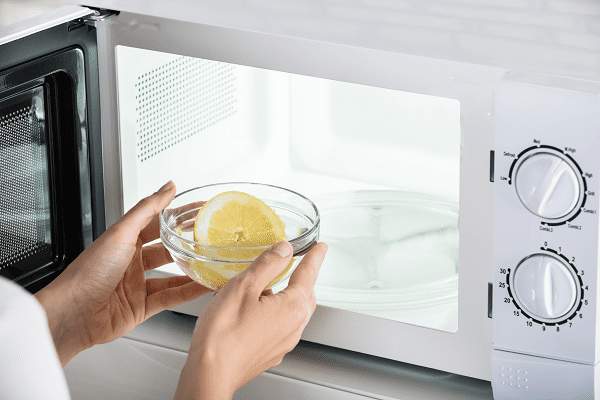
Heat a water-filled bowl to make steam, let it sit, then wipe everything clean.
If you want a fast, safe, and low-effort way to tackle splatters and burnt-on smells, learning how to clean a microwave with steam is a game changer. I’ve cleaned dozens of microwaves in homes and rentals, and steam is the one trick that never fails. In this guide, I’ll show you how to clean a microwave with steam the right way, with simple steps, smart add-ons like lemon and vinegar, and pro tips that save time and avoid damage.
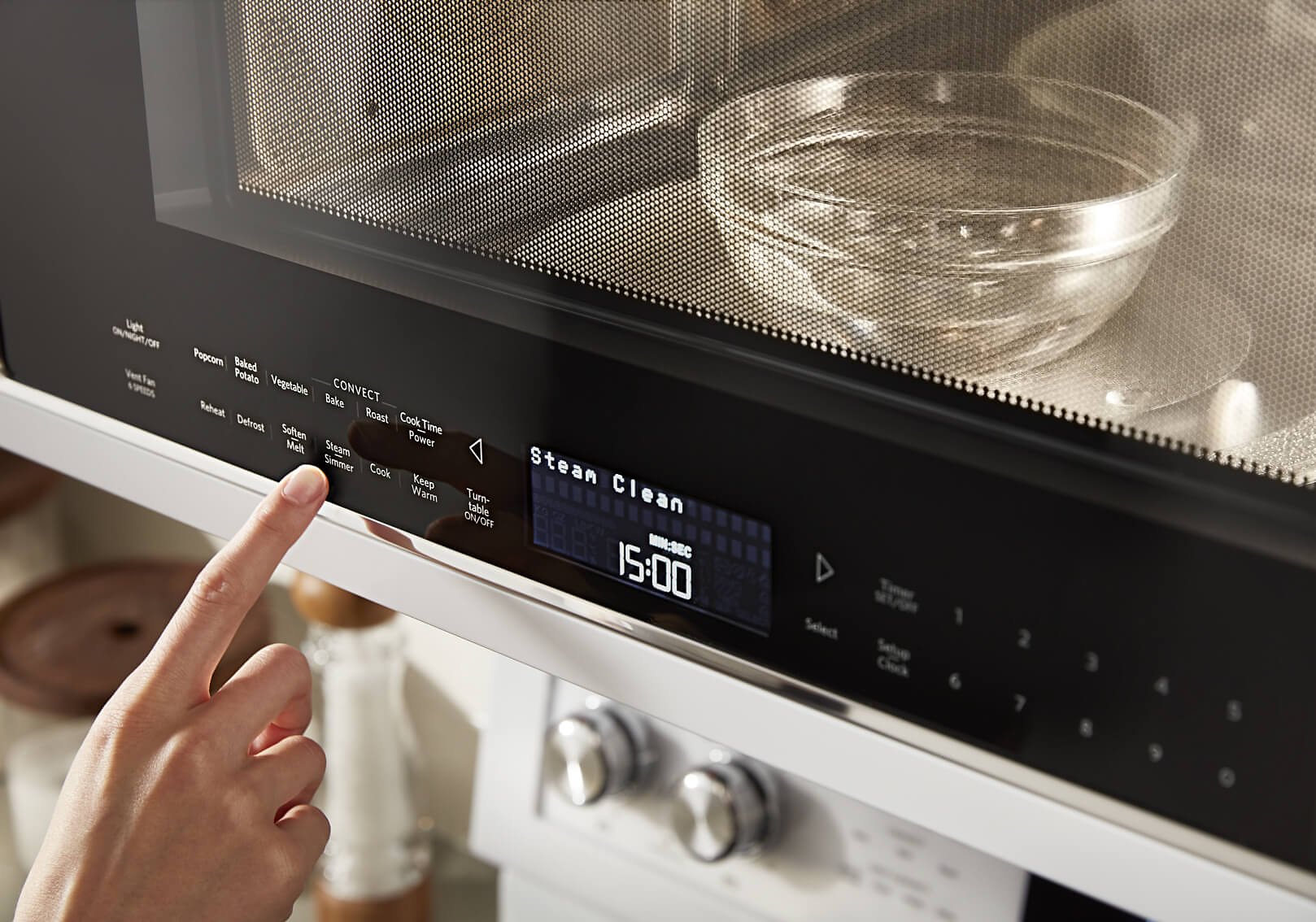
Why steam is the smartest way to clean a microwave
Steam softens dried food, melts grease, and loosens sugars. Warm moisture gets into tiny gaps and lifts grime without hard scrubbing. That means less elbow grease and fewer scratches.
The heat helps kill common kitchen germs. You still need a wipe-down, but steam gives you a head start. I’ve tested this after spaghetti explosions and sticky syrup spills. Steam won every time.
If you’re weighing different methods, how to clean a microwave with steam beats harsh sprays. It is safer, cheaper, and kinder to the finish inside your unit. It also keeps strong odors away from food later.
What you’ll need
You can keep this simple. Most homes already have what you need. Here is my basic kit for how to clean a microwave with steam.
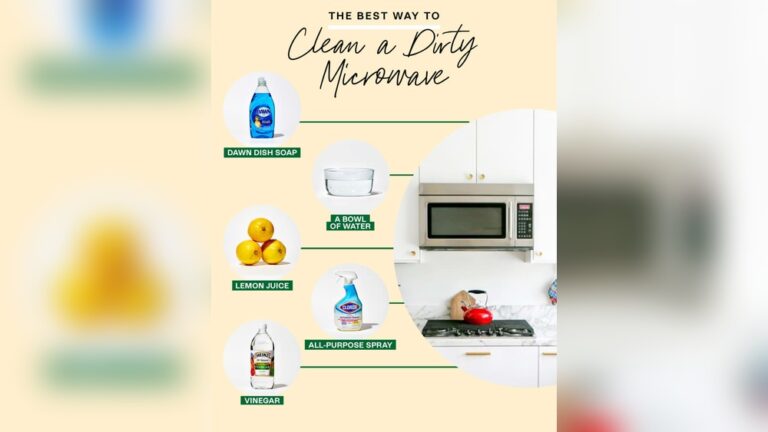
- Microwave-safe bowl or large mug made of glass or ceramic
- Clean sponge or soft microfiber cloth
- Water, about 1 to 2 cups
- Optional: lemon, white vinegar, or baking soda
- Toothpick or wooden stir stick to prevent superheating
- Dry towel for final buff
Pro tip: If your microwave has a grease-heavy smell, grab vinegar. If it has sugar or burnt sauces, lemon helps a lot. For stale odors, add baking soda after steaming.

Step-by-step: how to clean a microwave with steam
Follow these steps to clean fast and avoid damage. This is the same method I use in client kitchens.
- Prep the bowl. Add 1 to 2 cups of water to a microwave-safe bowl. Drop in a toothpick to reduce superheating risk.
- Add boosters if needed. For grease, add 2 tablespoons of white vinegar. For a fresh scent, add thick lemon slices.
- Heat to make steam. Place the bowl inside. Heat on high for 3 to 5 minutes. You want heavy steam and visible condensation.
- Let it sit. Keep the door closed for 3 to 5 minutes. The steam loosens dried food and softens sticky spots.
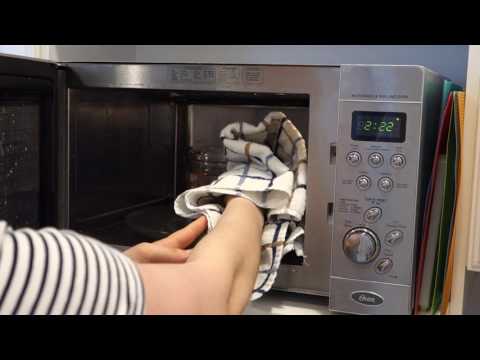
- Remove the bowl carefully. Use oven mitts or a towel. The bowl and water will be hot.
- Wipe every surface. Use a damp sponge or cloth. Start with the ceiling, then walls, turntable, and door. Rinse the sponge as needed.
- Clean the turntable and roller ring. Remove and wash them in warm, soapy water. Dry well before putting them back.
- Buff and dry. Use a dry towel to remove leftover moisture and streaks.
This whole process is how to clean a microwave with steam in under 10 minutes, with little effort and no harsh fumes.

Natural add-ons and easy variations
You can tailor how to clean a microwave with steam to your mess.
- Lemon steam: Slice one lemon, squeeze the juice into the bowl, and drop the halves in. Steam, rest, then wipe. Great for sugar splatters and a fresh scent.
- Vinegar steam: Add 2 tablespoons of white vinegar to the water. Steam, rest, then wipe. Best for grease and stale odors.
- Baking soda deodorizer: After you steam and wipe, leave a small open bowl of dry baking soda inside for a few hours. It absorbs lingering smells.
- Dish soap boost: Add one small drop of mild dish soap to the water. Steam and wipe. It helps cut light grease without a strong odor.
Each method keeps the core idea the same. You heat water, make steam, and wipe. That’s the heart of how to clean a microwave with steam.

Troubleshooting tough messes and smells
Sometimes the mess fights back. Here’s how to handle the hard stuff while sticking with how to clean a microwave with steam.
- Burnt caramelized splatters: Run two steam cycles back-to-back. On the wipe phase, press a warm, damp cloth on the spot for 30 seconds, then rub gently.
- Strong fish or curry odors: Use vinegar steam. Then wipe with a cloth dipped in a 1:1 mix of water and vinegar. Leave the door open to air out.
- Grease on the ceiling: Steam with vinegar. Wipe with a cloth dampened in warm water with a tiny drop of dish soap. Rinse and dry to avoid streaks.
- Moldy seals or crumbs in corners: Remove the turntable and roller ring. Steam first. Use a soft brush or cotton swab for creases and vents. Dry the gasket well.
- Mineral spots from hard water: Wipe with a cloth dipped in a weak vinegar solution. Rinse with water and dry. This keeps the interior shiny.
If your unit has a special coating or it’s brand-new, check the manual. Most manuals support how to clean a microwave with steam, but they warn against abrasive pads and strong chemical sprays.

Safety tips, mistakes to avoid, and care habits
Safety matters. Steam is simple, but it is still hot and under pressure.
- Never seal the bowl. You want steam to escape in the oven, not explode in your hand.
- Add a wooden stir stick or toothpick to the water to reduce superheating risk.
- Open the door slowly after steaming. Tilt your face away from the opening.
- Avoid metal scouring pads or sharp tools. They scratch and can cause rust over time.
- Don’t soak the control panel. Wipe it with a barely damp cloth, then dry.
Care habits help you avoid deep cleans. They also make how to clean a microwave with steam even faster.
- Cover food with a vented lid or a paper towel when heating.
- Wipe small splatters right away. Fresh messes vanish in seconds.
- Do a quick steam clean once a week if you cook often.
- Air it out after cooking strong-smelling foods for a few minutes.
Time, cost, and eco benefits
This is a low-cost, low-chemical method. You use water, heat, and a cloth. That fits a busy home and a small budget.
In most kitchens, how to clean a microwave with steam takes less than 10 minutes. It also reduces plastic-heavy wipes and harsh sprays. That’s better for the air in your home and easier on the appliance.
Once you learn how to clean a microwave with steam, it becomes a habit. You’ll spend less time scrubbing and more time cooking.

Frequently Asked Questions of how to clean a microwave with steam
How often should I steam clean my microwave?
Once a week is ideal if you use it daily. If you reheat messy foods often, do a quick steam midweek.
Can I use lemon and vinegar together?
Yes, but you don’t need both. I prefer vinegar for grease and lemon for sugar and odors.
Is steaming safe for all microwave interiors?
It’s safe for most units. Avoid abrasive pads and always follow your manual’s care notes.
How long should I heat the water to make enough steam?
Three to five minutes on high works for most microwaves. If your unit is low wattage, add one more minute.
Can steam remove burnt smells?
Yes, use vinegar steam and follow with a fresh air dry. For strong odors, repeat once and leave a bowl of dry baking soda inside for a few hours.
What if the stains don’t come off after one steam cycle?
Run a second cycle and let it rest longer. Hold a warm, damp cloth on the spot before wiping.
Conclusion
Steam is simple, safe, and fast. With a bowl of water and a few minutes, you can lift splatters, melt grease, and erase odors. You now know how to clean a microwave with steam in a way that protects the finish and saves time.
Try a quick steam today, then add lemon or vinegar if needed. Make it a weekly ritual, and you’ll never face a crusted mess again. Want more easy kitchen wins? Subscribe or leave a comment with your trick for stubborn stains.