How to Clean a Microwave With Lemon And Vinegar: Easy, Natural Tips
Is your microwave looking grimy or smelling less than fresh? You don’t need harsh chemicals or a lot of scrubbing to get it sparkling clean.
With just two simple ingredients—lemon and vinegar—you can easily refresh your microwave in minutes. This natural cleaning duo not only loosens stubborn stains but also leaves your microwave smelling fresh and inviting. Ready to discover a quick, safe, and effective way to clean your microwave?
Keep reading, and you’ll learn how to transform your microwave with a simple, natural hack you can do today.

Credit: thisgirlcanorganise.com
Benefits Of Lemon And Vinegar
Using lemon and vinegar to clean your microwave offers many benefits. These natural ingredients make cleaning simple and safe. They remove grime without harsh chemicals. Your microwave stays fresh and shiny after cleaning.
Natural Cleaning Power
Lemon and vinegar have strong natural acids. These acids help break down grease and food stains. They dissolve tough spots with little effort. This makes wiping the microwave quick and easy. Both ingredients are safe for most surfaces. They clean deeply without scratching or damage.
Deodorizing Effects
Lemon adds a fresh, clean scent to your microwave. It masks bad odors from food spills. Vinegar neutralizes strong smells and bacteria. Together, they leave your microwave smelling pleasant. This removes lingering burnt or sour odors. Your microwave feels fresher after each use.
Preparing The Cleaning Solution
Preparing the cleaning solution is the first step to a fresh microwave. This simple mix softens grime and lifts stains with steam. Use natural ingredients like lemon and vinegar for a safe clean. Each option offers unique benefits that help remove odors and dirt effectively.
Using Lemon Juice
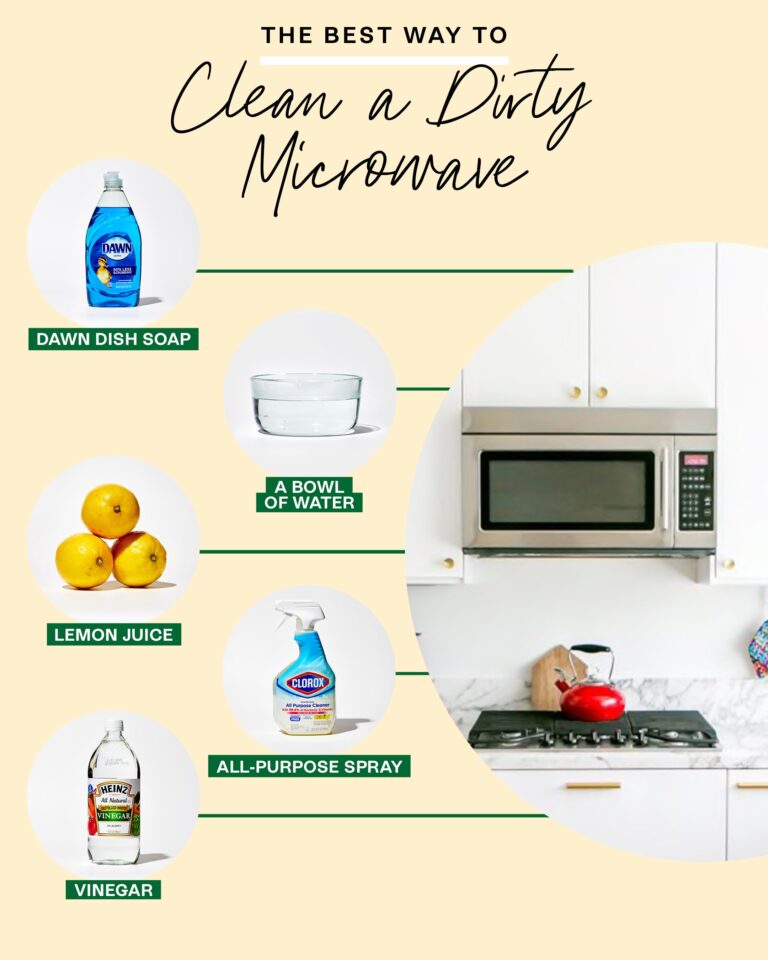
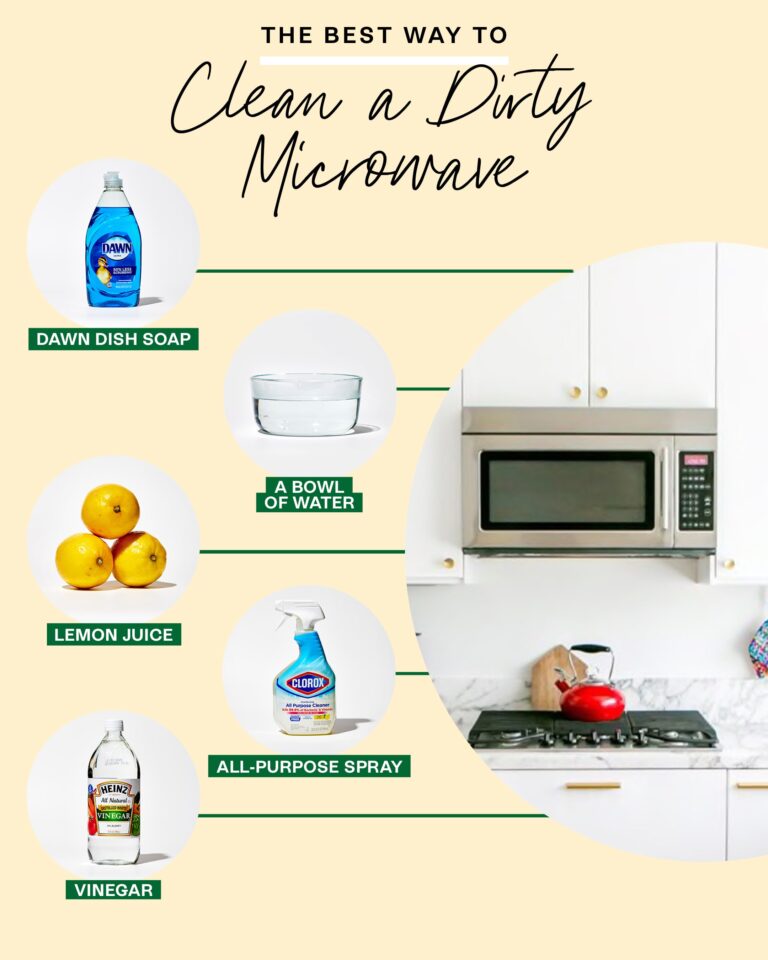
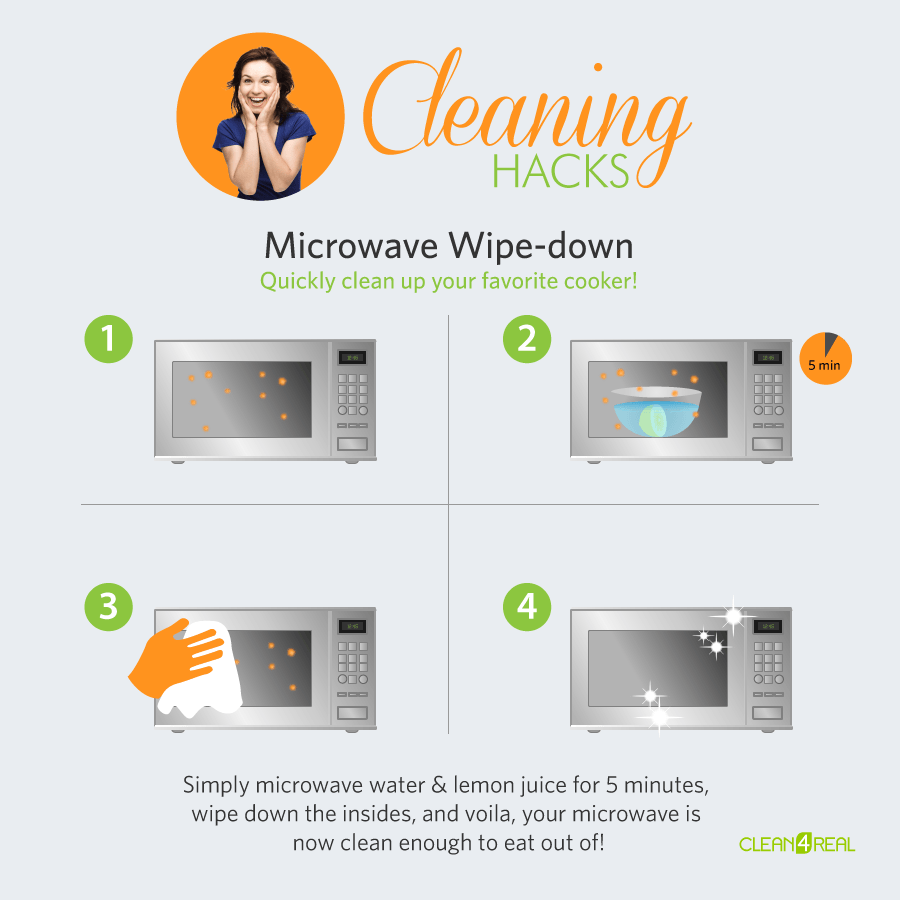
Cut one lemon in half and squeeze the juice into a microwave-safe bowl. Add the lemon halves to the bowl for extra scent. Fill the bowl with one cup of water. Heat the bowl in the microwave for three to five minutes. The steam from the lemon water loosens grime and freshens the air.
Using White Vinegar
Pour one cup of water into a microwave-safe bowl. Add one to two tablespoons of white vinegar. Place the bowl inside the microwave and heat for five minutes. Vinegar steam breaks down grease and kills bacteria. Let the steam sit inside for a few minutes before wiping.
Combining Lemon And Vinegar
Mix half a cup of lemon juice with half a cup of white vinegar. Add one cup of water to the mix in a microwave-safe bowl. Heat the solution for five minutes on high. The blend creates powerful steam to clean tough stains. It also leaves a fresh, natural scent behind.
Steam Cleaning Method
The steam cleaning method uses the power of steam to loosen dirt and grime inside your microwave. This process makes cleaning easier and faster. Using natural ingredients like lemon and vinegar helps remove odors and stains without harsh chemicals. Follow these simple steps to clean your microwave effectively.
Microwave-safe Bowls
Choose a microwave-safe bowl to hold your cleaning mixture. Glass or ceramic bowls work best. Avoid using plastic containers, as they may melt or release harmful chemicals when heated. The bowl should be large enough to produce enough steam to cover the interior.
Heating Process
Fill the bowl with one cup of water. Add one to two tablespoons of vinegar or fresh lemon juice. Place the bowl in the microwave and heat it on high power. Heat for about five minutes or until the mixture boils and creates steam. Keep the microwave door closed during this time to trap the steam inside.
Allowing Steam To Loosen Grime
After heating, leave the bowl inside with the door closed for five more minutes. The steam will soften dried food and stains. This step makes wiping the microwave interior much easier. Carefully remove the hot bowl. Use a damp cloth or sponge to wipe away loosened grime. Repeat if necessary for stubborn spots.
:max_bytes(150000):strip_icc()/How-to-Clean-Microwave-Main-Image-2000-eebff6c60028494d998ed6a646550ec1.jpg)
Credit: www.allrecipes.com
Wiping And Scrubbing
Wiping and scrubbing your microwave after steaming with lemon and vinegar is simple and effective. The steam loosens grime and softens food stains. This step removes all dirt and leaves your microwave fresh and clean. Follow these tips for safe and easy cleaning.
Removing The Hot Bowl Safely
Use oven mitts or a thick towel to take out the hot bowl. Hold it firmly to avoid spills or burns. Place the bowl on a heat-resistant surface. Let it cool before handling further.
Using Cloths And Sponges
Start wiping the microwave interior with a damp microfiber cloth. It picks up dirt without scratching surfaces. For tougher spots, use a soft sponge. Avoid abrasive scrubbers to protect the microwave’s finish. Rinse the cloth or sponge often to keep it clean.
Tackling Stubborn Stains
Apply a little vinegar or lemon juice directly on tough stains. Let it sit for a minute to break down grime. Gently scrub with a sponge or soft brush. Repeat if needed. Wipe the area clean with a damp cloth afterward.
Dealing With Tough Spots
Tough spots in your microwave can be stubborn and hard to remove. These stains often come from spilled food that has baked on over time. Simple steaming may not loosen these marks enough. To handle these, a little extra effort helps. Using natural cleaners like lemon and vinegar is great, but tough spots need something stronger. A baking soda paste works well to break down and lift these stubborn stains without harsh chemicals.
Baking Soda Paste
Make a paste by mixing baking soda with a small amount of water. Stir until it forms a thick, spreadable paste. Baking soda’s gentle abrasiveness helps scrub away tough grime. It also neutralizes odors, leaving your microwave fresh. This natural solution is safe and effective for cleaning kitchen appliances.
Applying And Letting It Sit
Spread the baking soda paste directly on the tough spots inside the microwave. Use a soft cloth or sponge to apply it evenly. Let the paste sit for 10 to 15 minutes. This resting time allows the baking soda to break down hardened food stains. Avoid scrubbing immediately to prevent damage. The paste softens the grime, making it easier to remove.
Final Wipe Down
After the paste has sat, dampen a clean cloth with water. Wipe away the baking soda and loosened grime carefully. Rinse the cloth and wipe again to remove any residue. Dry the interior with a soft towel or paper towel. Your microwave will look cleaner and smell fresher. Repeat the process if any spots remain stubborn.
Odor Removal Tips
Removing odors from your microwave makes it fresh and pleasant for daily use. Lemon and vinegar help neutralize bad smells naturally. These tips make your microwave smell clean without harsh chemicals.
Leaving Lemon Halves Inside
After cleaning, place lemon halves inside the microwave. Leave the door closed for several hours or overnight. The lemon absorbs odors and leaves a fresh scent. This method is simple and effective for light smells.
Using Baking Soda To Absorb Smells
Place an open bowl of baking soda inside the microwave. Leave it overnight to absorb strong odors. Baking soda is a natural deodorizer and removes lingering smells. Remove the bowl before using the microwave again.
Safety Precautions
Cleaning a microwave with lemon and vinegar is simple and effective. Safety is important during this process. Taking precautions prevents accidents and damage. Follow these safety tips for a smooth cleaning experience.
Handling Hot Bowls
Use oven mitts or a thick cloth to handle hot bowls. Hot steam and bowls can cause burns. Open the microwave door slowly to avoid steam rush. Place hot bowls on a heat-resistant surface. Never touch a hot bowl with bare hands.
Avoiding Microwave Damage
Use only microwave-safe bowls for heating lemon and vinegar. Avoid metal containers or utensils inside the microwave. Do not overheat the mixture; follow recommended time limits. Wipe spills quickly to prevent stains or odors. Keep the microwave clean to maintain its function and lifespan.
Credit: www.clean4real.com
Additional Natural Cleaning Hacks
Natural ingredients like lemon and vinegar clean microwaves effectively. They break down grease and remove odors. These simple items make cleaning easier without harsh chemicals. Beyond lemon and vinegar, other natural hacks also work well. Try these easy tricks to keep your microwave fresh and spotless.
Alternative Citrus Options
Citrus fruits have natural acids that clean well. Oranges, limes, and grapefruits work like lemons. Cut a fruit in half and squeeze the juice into water. Heat the mixture in the microwave for a few minutes. The steam loosens grime and leaves a fresh scent. You can also place the fruit halves inside the bowl for extra cleaning power. Citrus options add variety and keep your microwave smelling nice.
Combining Ingredients For Efficiency
Mixing natural ingredients can boost cleaning power. Combine lemon juice with vinegar for stronger results. Add water to dilute and create steam. Heat the mixture inside the microwave until it boils. Let it sit for five minutes to loosen dirt. Wipe the interior with a damp cloth afterward. This combo tackles tough stains and odors quickly. Using two ingredients together saves time and effort.
Frequently Asked Questions
What Is The Easiest Way To Clean The Inside Of A Microwave?
Fill a microwave-safe bowl with water and vinegar or lemon juice. Heat until steaming. Let sit, then wipe clean with a cloth.
Does Putting A Lemon In The Microwave Clean It?
Putting a lemon in the microwave with water and heating it creates steam that loosens grime. Wipe clean afterward for a fresh scent.
How Long To Clean A Microwave With Lemon?
Heat a bowl of water with lemon juice in the microwave for 3-5 minutes. Let steam sit for 5 minutes. Wipe clean.
Is Cleaning A Microwave With Lemon Better Than Baking Soda?
Cleaning a microwave with lemon deodorizes and loosens grime using steam. Baking soda removes stubborn stains and absorbs odors. Lemon suits light cleaning and freshening, while baking soda handles tough spots better. Combining both offers effective, natural cleaning and deodorizing results.
Conclusion
Cleaning your microwave with lemon and vinegar is simple and effective. The steam softens dirt, making it easy to wipe away. This natural method avoids harsh chemicals and leaves a fresh scent. Regular cleaning keeps your microwave hygienic and smelling good.
Try this easy tip to save time and effort. Your microwave will look clean and smell fresh again.