How to Clean a Microwave Oven Inside: Easy Steps for Sparkling Results
Is your microwave looking dull and covered in stubborn food splatters? You’re not alone—microwaves can get messy fast, and cleaning the inside might seem like a chore.
But what if you could make this task quick, easy, and even satisfying? In this guide, you’ll discover simple, effective ways to clean your microwave inside using everyday ingredients like lemon, vinegar, and baking soda. You’ll learn how to loosen grime effortlessly and keep your microwave fresh and spotless without harsh chemicals.
Ready to bring your microwave back to life and avoid future messes? Keep reading and find out how!
Credit: www.kitchenaid.com
Steam Cleaning Method
The steam cleaning method offers a quick and effective way to clean the inside of your microwave oven. It uses hot steam to soften dried food and grease, making them easier to wipe away. This method requires only simple household ingredients like vinegar or lemon and water. It is safe, chemical-free, and suitable for regular cleaning.
Steam loosens grime without scrubbing hard, saving time and effort. After steaming, a damp cloth easily removes dirt and stains, leaving the microwave fresh and clean.
Using Vinegar And Water
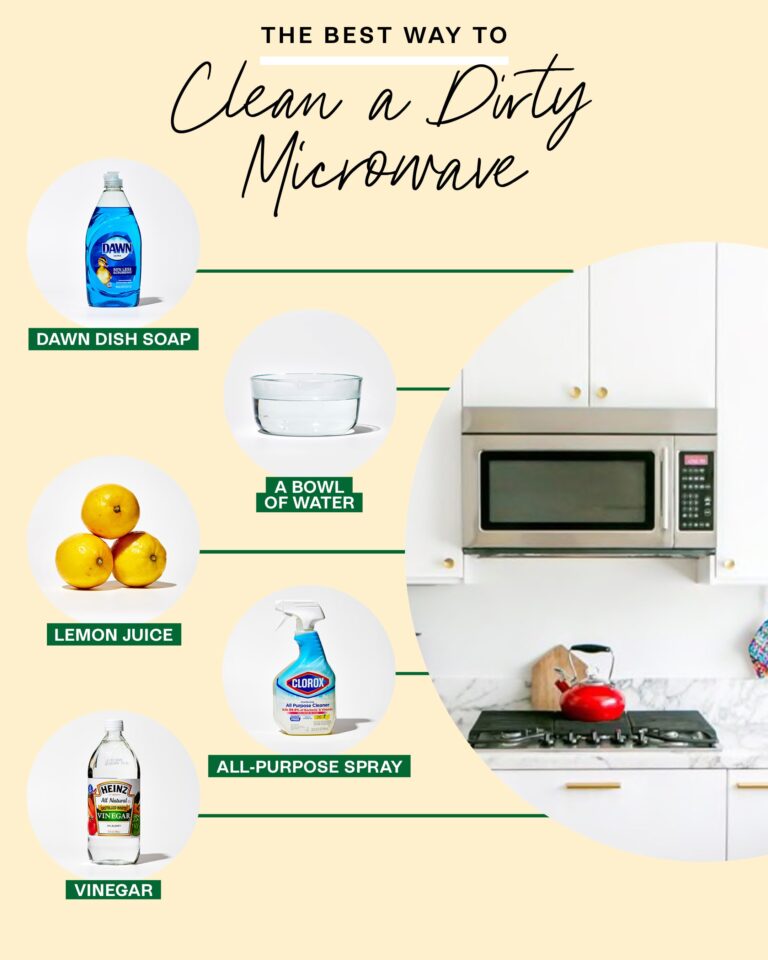
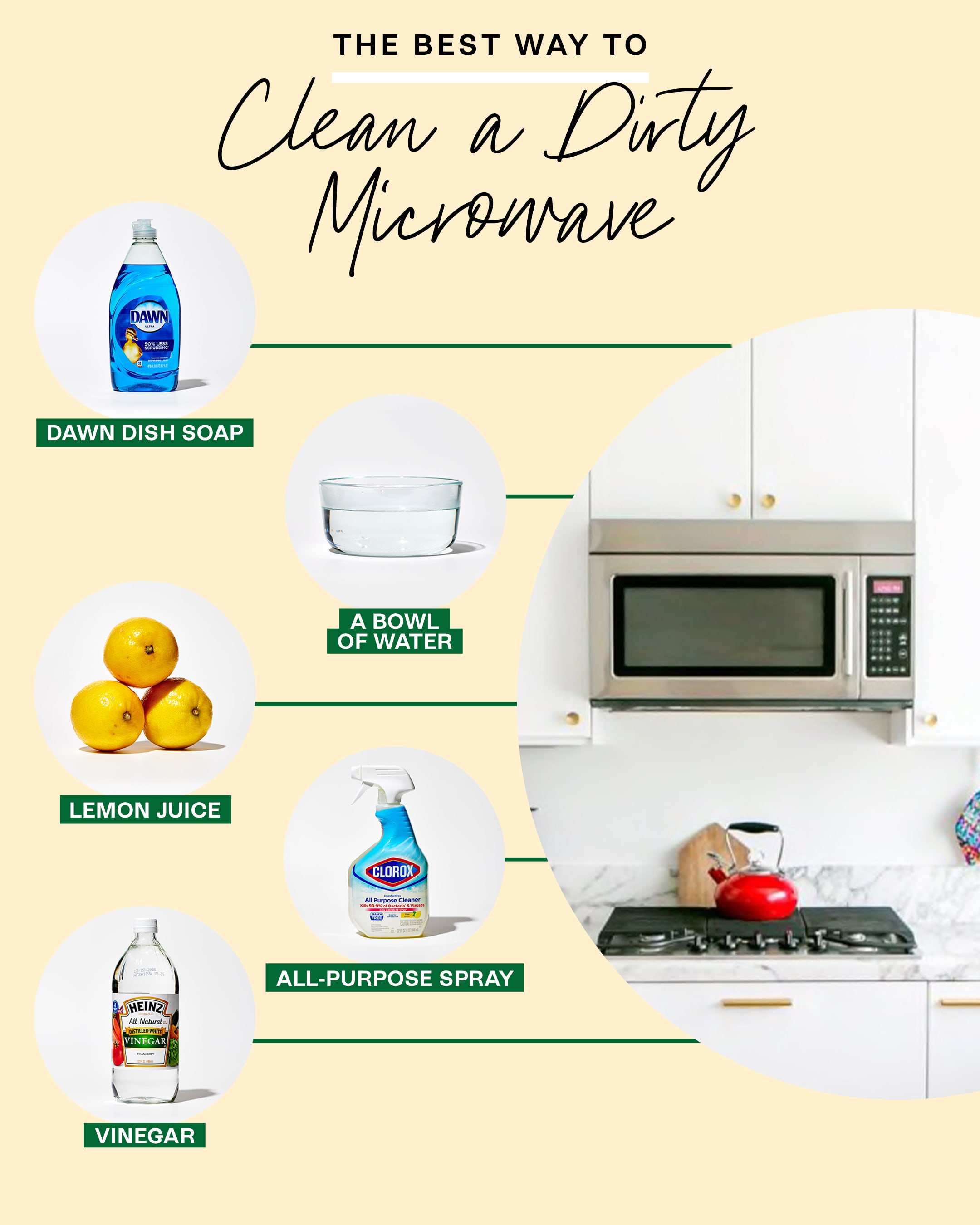
Mix equal parts of vinegar and water in a microwave-safe bowl. Place the bowl inside the microwave and heat it on high for about five minutes. The steam from the mixture will fill the microwave and loosen stuck-on food. Let the bowl sit inside for a few minutes after heating to keep the steam inside. Carefully remove the bowl, then wipe the microwave interior with a damp cloth. Vinegar also helps remove odors.
Lemon As A Natural Cleaner
Slice a fresh lemon and squeeze the juice into a microwave-safe bowl filled with water. Add the lemon slices to the bowl. Heat the bowl in the microwave on high power for five minutes. The lemon steam softens grime and adds a fresh scent. Let the bowl sit for a few minutes before removing it. Wipe the microwave walls and ceiling with a clean cloth. Lemon is gentle and good for sensitive surfaces.
Creating Steam To Loosen Grime
Steam works by softening dried food and grease inside the microwave. Heat a bowl of water or a water-vinegar mix until it boils and produces steam. The steam rises and reaches all microwave surfaces. This process loosens grime and makes it easier to clean. After steaming, wipe down the interior with a sponge or cloth. This step prevents scratching and avoids harsh chemicals.
Wiping Down The Interior
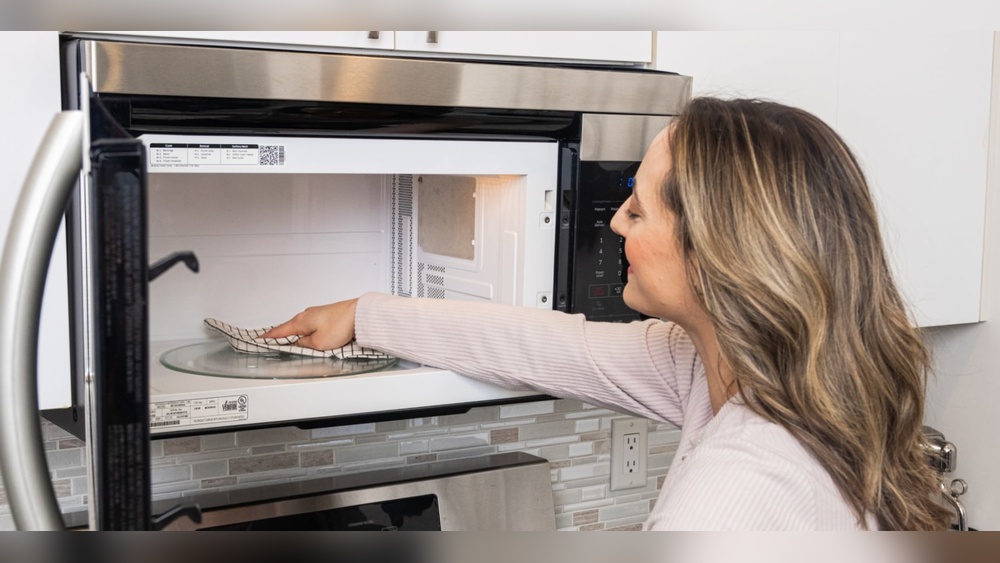
Wiping down the interior of your microwave is a key step in keeping it clean and fresh. After loosening the dirt with steam, you need to remove all residue carefully. Focus on every surface inside the microwave to avoid leftover food particles and stains. A clean microwave works better and smells nicer. Follow these simple steps to wipe down the inside safely and effectively.
Removing The Hot Bowl Safely
After steaming, the bowl inside will be very hot. Use oven mitts or a thick towel to protect your hands. Lift the bowl carefully and place it on a heat-safe surface. Avoid touching the hot glass with bare hands. This prevents burns and keeps you safe while cleaning.
Cleaning Walls And Ceiling
Use a soft cloth or sponge dampened with warm water to wipe the microwave walls. Gently scrub any stuck food or stains. Do not use abrasive materials to avoid scratching. Pay attention to corners and the ceiling where grime tends to build up. Repeat wiping until all spots disappear.
Cleaning The Microwave Door
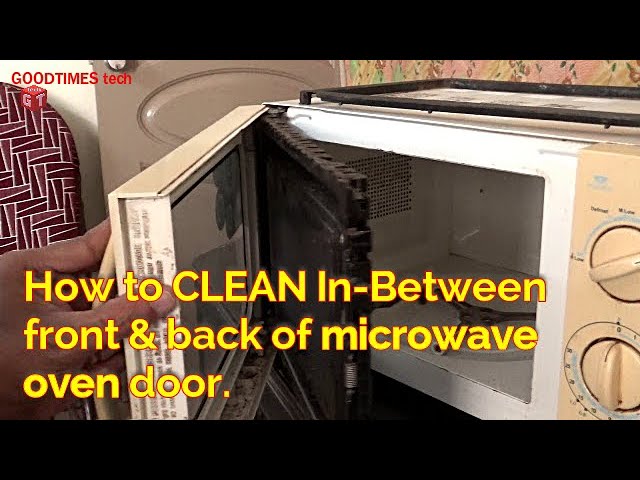
Wipe the inside of the door carefully, as it often collects grease and food splashes. Use a damp cloth with mild soap if needed. Clean the edges and the seal around the door to keep it tight. Dry the door with a clean cloth to prevent streaks and maintain visibility.
Cleaning The Turntable
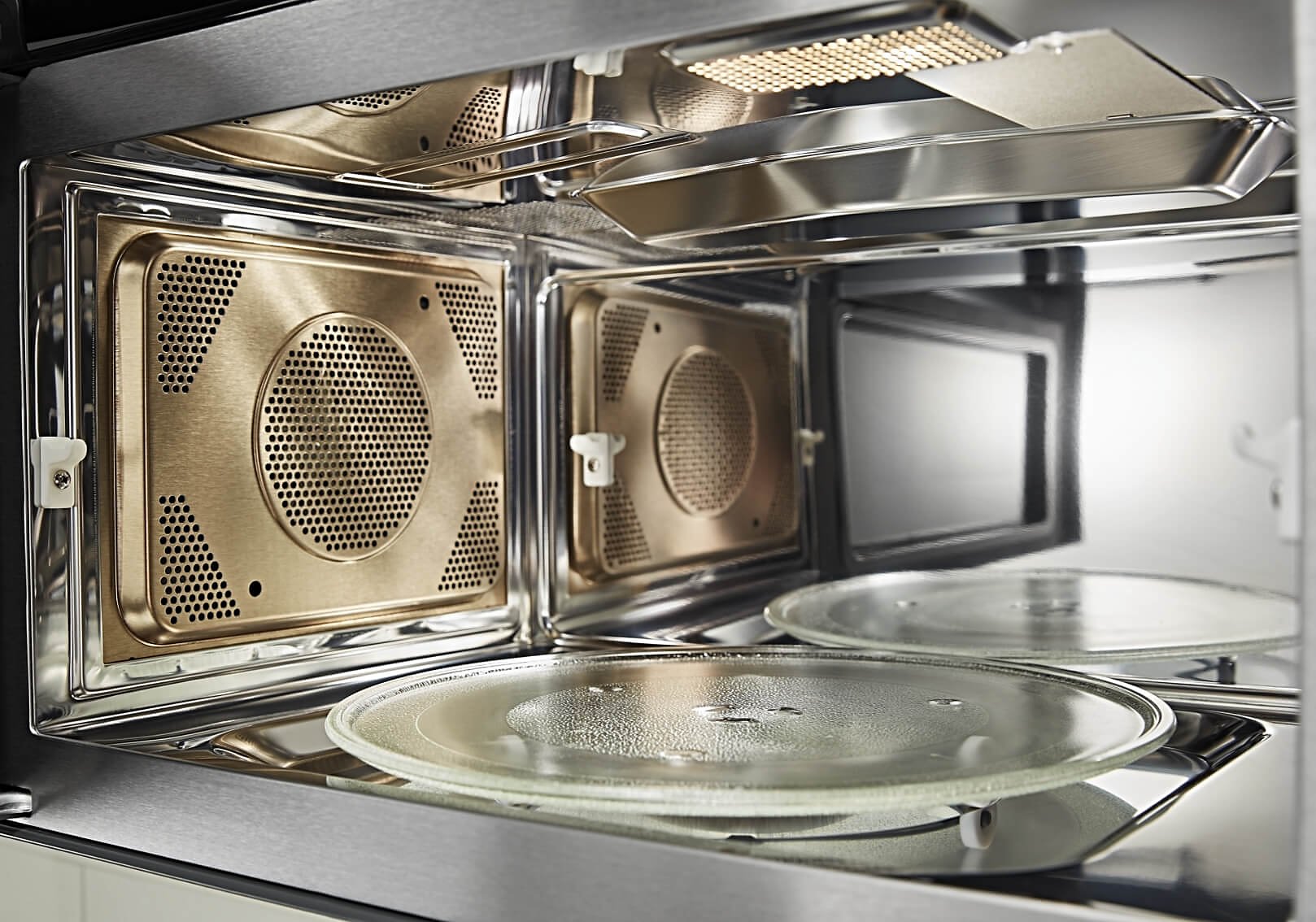
The turntable inside your microwave plays a key role in heating food evenly. Cleaning it regularly prevents food buildup and bad odors. A clean turntable keeps your microwave working well and looking fresh. Follow these simple steps to clean it safely and effectively.
Removing And Washing The Glass Turntable
First, unplug the microwave for safety. Carefully lift the glass turntable from the microwave base. Check if there are any food crumbs or spills on it. Wash the turntable in warm, soapy water using a soft sponge. Avoid using abrasive cleaners that can scratch the glass. Rinse well with clean water to remove soap residue.
Dishwasher Safe Options
Many glass turntables are dishwasher safe. Check the manufacturer’s instructions to be sure. Place the turntable on the bottom rack of the dishwasher. Use a mild detergent and a normal wash cycle. The dishwasher cleans it thoroughly without damage. This method saves time and effort.
Drying And Reassembling
After washing, dry the turntable with a clean towel or let it air dry. Make sure it is completely dry to avoid slipping inside the microwave. Place the turntable back onto its support ring inside the microwave. Ensure it sits properly and spins freely. Plug in the microwave and it is ready to use.
Dealing With Stubborn Stains
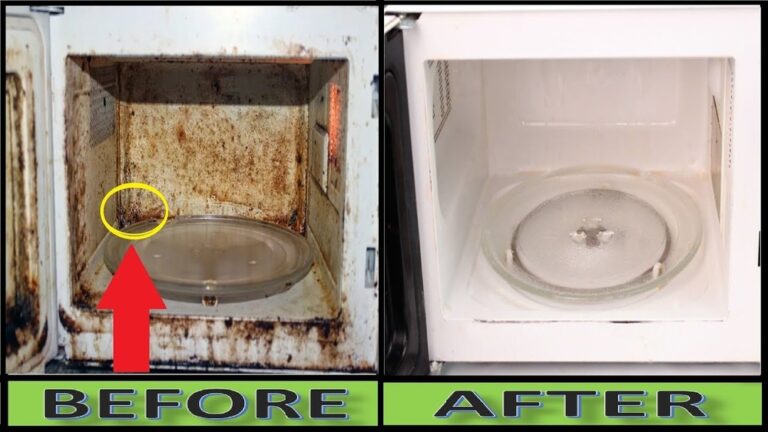
Stubborn stains inside a microwave oven can be frustrating. These tough spots often result from dried food splatters and spills. They resist simple wiping and need extra care to remove. Using safe, effective methods helps restore your microwave’s cleanliness without damage. Follow these easy steps to tackle those persistent stains with confidence.
Baking Soda Paste Application
Mix baking soda with a little water to make a thick paste. Spread the paste directly on the stubborn stains inside the microwave. Let it sit for about 10 to 15 minutes. Baking soda breaks down grime and loosens dried food particles. This gentle cleaner works well without harsh chemicals.
Scrubbing Techniques
Use a soft sponge or cloth to scrub the stains after the baking soda paste has set. Apply light pressure and work in circular motions. Avoid abrasive scrubbers that can scratch the microwave’s surface. Rinse the sponge frequently to remove loosened dirt. Wipe the area with a damp cloth to remove all residue.
Repeating Steam Cleaning For Tough Spots
Fill a microwave-safe bowl with water and add lemon slices or vinegar. Heat it in the microwave for 3 to 5 minutes until it steams heavily. The steam softens any remaining stains and grime. Carefully remove the bowl and wipe the interior with a clean cloth. Repeat this process for very stubborn spots to improve results.
Preventing Future Messes
Preventing future messes in your microwave saves time and keeps it fresh longer. A few simple habits reduce splatters and spills inside. These small steps make cleaning easier and keep your microwave looking good.
Covering Food Properly
Always cover food before heating it. Use a microwave-safe cover or a plate to trap steam. This prevents food from splattering on the microwave walls. It also helps cook food evenly and keeps moisture inside.
Using Microwave-safe Lids And Wraps
Choose lids and wraps made for microwave use. Plastic wraps should be labeled microwave-safe. Avoid tightly sealing food, so steam can escape safely. Using the right cover stops messes and avoids harmful chemicals.
Tips To Avoid Splatters
Stir food halfway through heating to prevent hot spots. Heat liquids in short bursts and stir between. Use a deeper container for soups or sauces. These simple tricks lower the risk of spills and keep your microwave clean longer.
Natural Cleaning Alternatives
Natural cleaning alternatives offer safe and effective ways to clean your microwave. These options avoid harsh chemicals and use common household ingredients. They help remove grime and odors, leaving your microwave fresh and clean.
Using natural products protects your health and the environment. These methods are simple and budget-friendly. They break down food stains and grease gently without damaging the microwave’s interior.
Baking Soda And Vinegar Combination
Baking soda and vinegar create a powerful cleaning duo. Mix two tablespoons of baking soda with one cup of water. Pour the mixture into a microwave-safe bowl.
Add a splash of vinegar and heat the bowl in the microwave for five minutes. The steam loosens grime and softens stains. Wipe the inside with a damp cloth afterward.
Lemon Juice Benefits
Lemon juice cleans and deodorizes naturally. Squeeze juice from one lemon into a microwave-safe bowl. Add one cup of water and heat for three minutes.
The citrus steam breaks down grease and removes odors. Wipe the interior with a soft cloth. Lemon leaves a fresh, pleasant scent inside.
Dish Soap Use And Safety
Dish soap helps remove stuck-on food safely. Use a small amount of mild dish soap with warm water. Dip a sponge or cloth into the mixture and wipe the microwave interior.
Rinse the sponge and wipe again with clean water. Avoid using too much soap to prevent residue. Dry the microwave with a soft towel to finish.
Additional Cleaning Tips
Cleaning your microwave thoroughly improves its performance and extends its life. Simple steps can help remove grease and odors that build up inside. Some extra tips make the cleaning easier and safer. These tips keep your microwave fresh and sparkling longer.
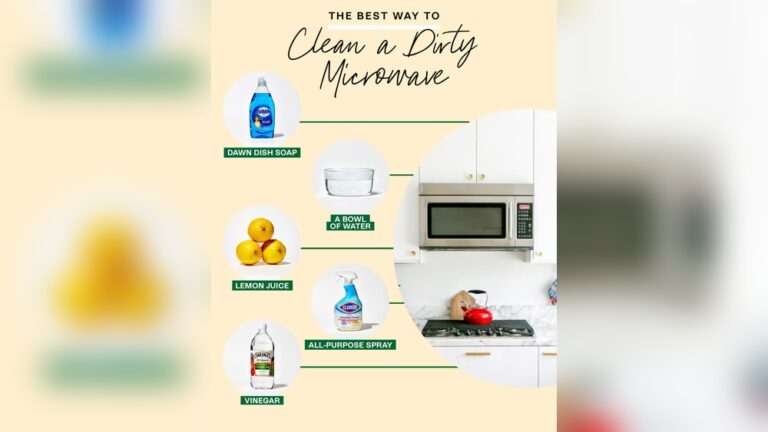
Using Dawn Dish Soap For Degreasing
Dawn dish soap works well to cut through tough grease. Mix a few drops with warm water in a bowl. Use a sponge or cloth dipped in the solution to wipe the microwave interior. Focus on greasy spots and corners. Rinse the sponge often and change the water if it gets dirty. This method removes built-up oil safely without harsh chemicals.
Safe Cleaning Practices
Always unplug the microwave before cleaning to avoid accidents. Use gentle, non-abrasive cloths or sponges to prevent scratches. Avoid harsh chemicals that can damage surfaces or leave residues. Never spray cleaner directly inside the microwave. Instead, apply it on a cloth first. Use gloves if you have sensitive skin. These simple steps protect you and your appliance.
Maintaining A Sparkling Microwave
Clean spills immediately to prevent stains and odors. Cover food with a microwave-safe lid to reduce splatters. Wipe the microwave interior weekly with a damp cloth. Remove and wash the turntable regularly. Leave the microwave door open for a few minutes after use to air it out. These small habits keep your microwave clean and fresh every day.
Credit: www.thekitchn.com
Credit: www.youtube.com
Frequently Asked Questions
What’s The Best Way To Clean The Inside Of A Microwave Oven?
Fill a microwave-safe bowl with water and vinegar or lemon juice. Microwave until steam forms. Wipe interior with a damp cloth. Remove and wash the turntable separately. Repeat for stubborn stains using a baking soda paste. Always cover food to prevent future messes.
Can You Put Baking Soda And Vinegar In The Microwave?
Avoid mixing baking soda and vinegar in the microwave. Their reaction can cause bubbling and mess. Instead, use vinegar with water for safe steam cleaning.
Can I Use Dawn Dish Soap To Clean My Microwave?
Yes, Dawn dish soap works well to clean microwaves. Use it with warm water and a sponge to remove grime effectively.
What Not To Do When Cleaning A Microwave?
Avoid using harsh chemicals or abrasive scrubbers that damage surfaces. Do not clean while the microwave is plugged in. Never submerge the microwave in water. Avoid metal objects inside to prevent sparks. Do not ignore food covers to prevent splatters and tough stains.
Conclusion
Cleaning your microwave inside keeps it fresh and safe to use. Use steam from lemon or vinegar water to loosen dirt. Wipe surfaces gently with a damp cloth to remove grime. Don’t forget to clean the turntable separately for best results.
Regular cleaning prevents tough stains and bad odors. Cover food to avoid spills and messes during heating. Simple steps make microwave cleaning quick and easy. Keep these tips in mind to maintain a spotless microwave every time.