How Does the Microwave Oven Work: Unveiling the Magic Inside
Have you ever wondered what really happens inside your microwave oven when you press that start button? It seems almost like magic—your cold meal turns hot in minutes.
But there’s a fascinating science behind this everyday convenience. Understanding how a microwave oven works will not only satisfy your curiosity but also help you use it more effectively and safely. You’ll discover the simple yet clever technology that heats your food quickly by making water molecules dance, why your food sometimes heats unevenly, and how the microwave’s design solves these challenges.
Ready to uncover the secrets behind this kitchen staple? Let’s dive in!
Credit: www.businessinsider.com
Microwave Generation
Microwave ovens create heat using special waves called microwaves. These waves come from a part inside the oven. The waves move inside the oven and heat the food. This process happens fast and cooks food evenly. Understanding how microwaves are made helps us see how the oven works.
The microwave generation starts with converting electricity into microwaves. This conversion needs a special device and careful control of energy. The waves must have the right frequency to heat food well. Let’s look closer at the parts that make this happen.
Role Of The Magnetron
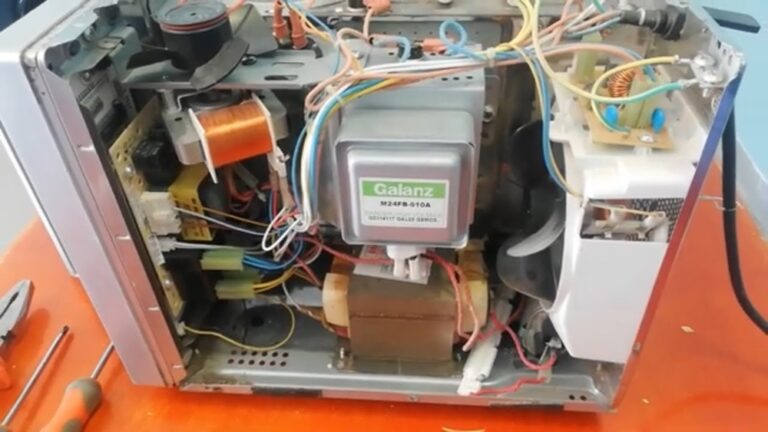
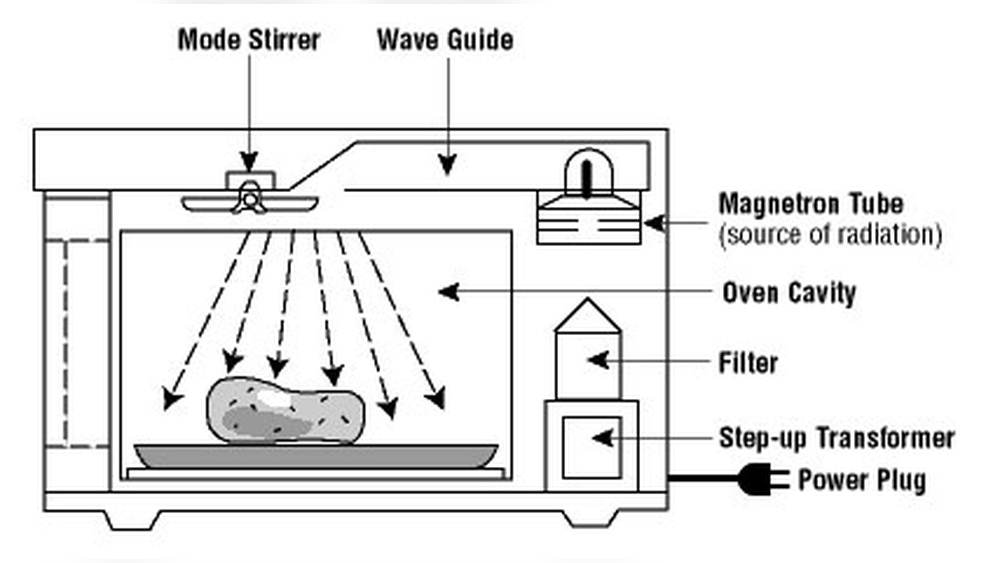
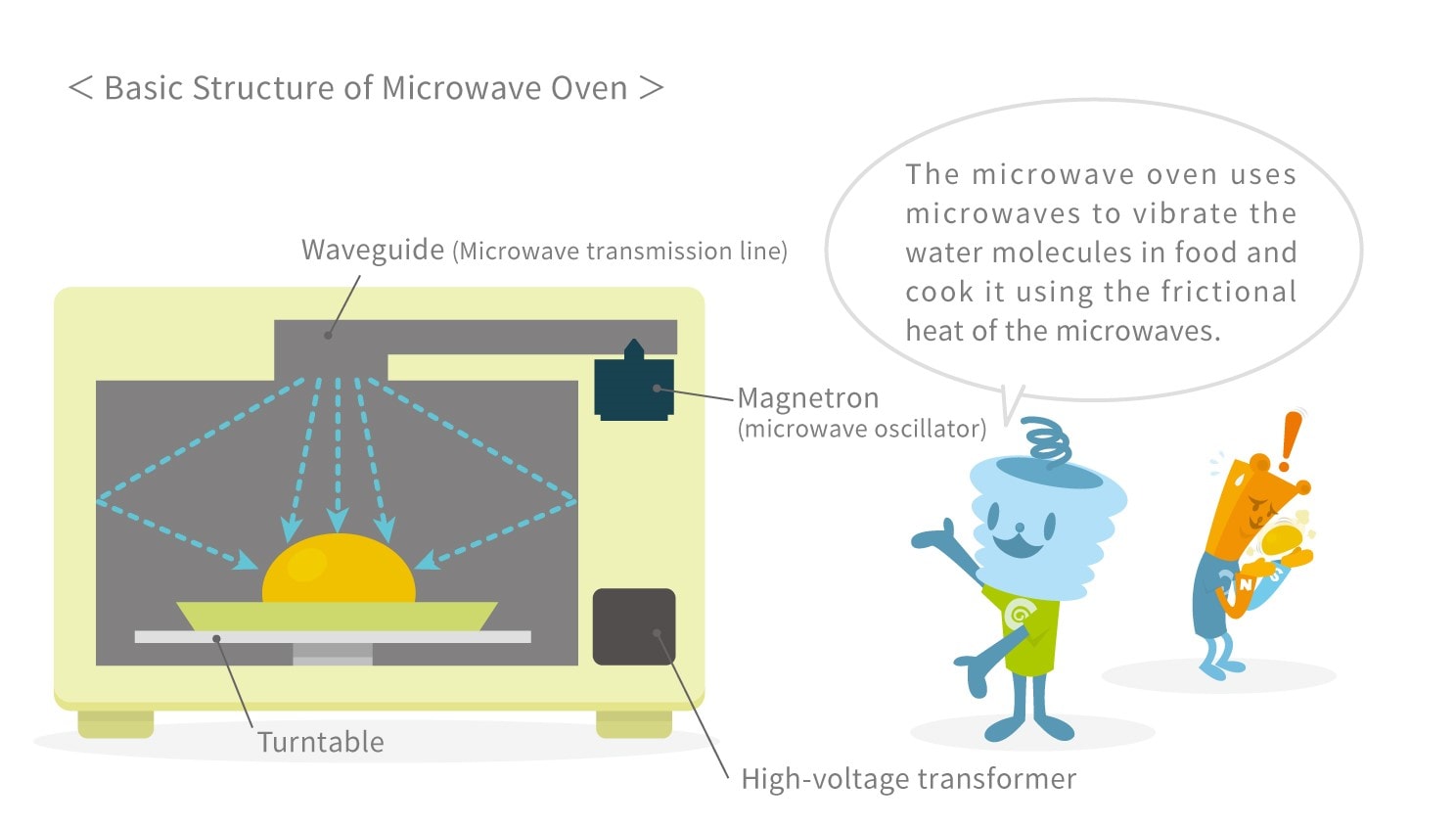
The magnetron is the heart of the microwave oven. It changes electrical power into microwave energy. Inside the magnetron, electrons move quickly in a circle. This movement creates microwaves. The magnetron controls the strength and amount of microwaves made.
Without the magnetron, the oven would not produce microwaves. It needs electricity to work and starts making waves once turned on. These waves then travel into the cooking area to heat food.
Electric And Magnetic Fields
The magnetron uses two fields: electric and magnetic. These fields push electrons to move in a round path. This path is needed to produce microwaves. The electric field pulls electrons one way, while the magnetic field pushes them another way.
Together, these fields keep electrons moving fast and steady. This steady movement is key to making strong microwaves. The fields work inside vacuum tubes to avoid interference from air.
Microwave Frequency And Resonance
Microwaves have a set frequency, usually about 2.45 GHz. This frequency matches the natural vibration of water molecules. When microwaves hit food, water molecules start to spin and move quickly. This movement causes friction, which heats the food.
The magnetron uses special cavities to produce microwaves at this frequency. These cavities act like tiny resonators, making waves stronger and more stable. Proper frequency and resonance make cooking fast and even.
Credit: www.tdk.com
Microwave Delivery
Microwave delivery is a key part of how a microwave oven heats food. The microwaves generated need a clear path to travel safely and efficiently inside the oven. Special parts inside the oven guide and contain these waves. These parts ensure the waves reach the food without escaping. Let’s explore how this process works.
Function Of The Waveguide
The waveguide is a metal tube that directs microwaves from the magnetron. It channels the waves into the cooking chamber. This focused delivery helps the waves reach the food evenly. Without the waveguide, microwaves would scatter and lose energy.
Metal Interior As Reflector
The oven’s inside walls are made of metal. This metal reflects microwaves back into the cooking area. Reflection keeps the waves bouncing inside the oven. It prevents waves from escaping and helps cook food faster.
Containment Of Microwaves
The microwave oven door has a metal mesh with tiny holes. These holes are small enough to stop microwaves from leaving. This design keeps the waves safely inside the oven. It also allows you to see the food while it cooks.
Food Heating Process
The food heating process in a microwave oven is unique compared to traditional cooking methods. It uses electromagnetic waves to heat food quickly and efficiently. This process mainly targets water molecules inside the food, which play a key role in heating.
Interaction With Water Molecules
Microwaves penetrate the food and reach water molecules inside. Water molecules are polar, meaning they have a positive and negative side. The microwaves cause these molecules to constantly flip and rotate. This movement is very fast, millions of times per second. This constant motion is the first step in heating food.
Molecular Vibration And Friction
As water molecules rotate rapidly, they bump into each other and other molecules nearby. This creates friction, a force that produces heat. The friction heats the food from the inside, not just from the surface. Other molecules in food, like fats and sugars, also start to vibrate and add to the heat.
Heat Generation Inside Food
The heat generated by friction spreads through the food, cooking it evenly. Since microwaves penetrate deep, food heats faster than in an oven. The heat cooks the food without drying it out quickly. This method helps keep food moist and preserves nutrients better.
Even Heating Techniques
Microwave ovens use special methods to heat food evenly. Even heating techniques make sure food cooks well without cold or hot parts. These techniques improve taste and safety by avoiding undercooked spots. The microwave uses waves and movement to spread heat evenly inside the oven.
Hot Spots And Cold Spots
Microwaves create areas where energy is stronger, called hot spots. These spots heat food faster. Cold spots have less energy and stay cooler. Food in cold spots may stay undercooked. Hot and cold spots happen because microwaves bounce and interfere inside the oven cavity.
Turntable Rotation
The turntable turns food slowly during cooking. This movement moves food through hot and cold spots. Rotating helps heat spread evenly around the food. Without rotation, some parts cook too much while others stay cold. The turntable is a simple tool to reduce uneven heating.
Heat Distribution Challenges
Distributing heat evenly is hard in microwave ovens. Thick or uneven food shapes cook unevenly. Moisture content also changes how heat spreads. Some parts absorb microwaves more than others. Metal containers can block or reflect microwaves, causing cold spots. Using microwave-safe dishes helps avoid heat problems.
Safety And Design Features
The microwave oven combines advanced safety and smart design to protect users and improve performance. Its construction focuses on containing microwaves and preventing leaks. User safety measures minimize risks during use. Energy efficiency helps reduce power consumption and environmental impact.
Microwave Containment Mechanisms
The oven cavity is made of metal to reflect microwaves inside. The door has a metal mesh with tiny holes to block microwaves but let light through. This mesh keeps radiation safely inside the oven. Seals and gaskets prevent microwaves from escaping the cooking chamber. These features ensure microwaves only heat the food and not the surroundings.
User Safety Measures
Microwave ovens include several safety features for users. A door interlock system stops microwaves if the door opens. This prevents accidental exposure to radiation. Controls and timers help avoid overheating or fires. Some models have child locks to block unintended use. Warning labels and instructions guide safe handling of the appliance.
Energy Efficiency Considerations
Microwave ovens use less energy than conventional ovens by heating food directly. The magnetron converts electricity efficiently into microwaves. Insulated walls reduce heat loss. Modern designs use sensors to adjust cooking time and power automatically. This saves energy and prevents overcooking, cutting waste and electricity bills.
Credit: www.ccohs.ca
Variations In Microwave Ovens
Microwave ovens come in various types, each designed to improve cooking in unique ways. These variations add features that suit different cooking needs. Understanding these options helps users pick the right oven for their kitchen. Below are some popular microwave oven types and their special functions.
Convection Microwave Functionality
Convection microwaves combine microwave energy with hot air circulation. This allows baking, roasting, and grilling along with regular microwave cooking. A built-in fan and heating element circulate hot air evenly. This leads to crispier and browner food, similar to a traditional oven. It expands the microwave’s use beyond simple reheating.
Microwave-assisted Synthesis
This variation is used mainly in labs and industry. It uses microwaves to speed up chemical reactions. The heat generated penetrates materials quickly and uniformly. This reduces reaction times and improves yields. It shows how microwave technology goes beyond cooking food.
Advanced Heating Technologies
Some microwaves include sensors and inverter technology. Sensors detect humidity or temperature to adjust cooking time automatically. Inverter technology provides a steady power level for gentle, even heating. These features prevent overcooking and improve food texture. They make microwaves more energy-efficient and user-friendly.
Frequently Asked Questions
How Does A Microwave Oven Work Step By Step?
A magnetron generates microwaves that reflect inside the oven. These waves make water molecules vibrate, producing heat. The heat cooks food evenly as a turntable rotates it through hot spots.
What Is The Working Principle Of A Microwave Oven?
A microwave oven uses a magnetron to produce microwaves. These waves make water molecules in food vibrate rapidly, generating heat that cooks the food evenly. A turntable rotates the food to avoid hot and cold spots, ensuring uniform cooking throughout.
What Are 5 Disadvantages Of Using A Microwave Oven?
Microwave ovens may cause uneven cooking, limit browning, reduce texture quality, use more energy for large meals, and pose safety risks if misused.
Conclusion
Microwave ovens use waves to heat food quickly and evenly. The waves make water molecules move fast, creating heat inside the food. A turntable helps spread this heat to all parts of the meal. This simple process saves time and energy in the kitchen.
Understanding how microwaves work can help you use them better. Now you know why your food cooks so fast in a microwave oven. It’s science made easy for everyday use.