How Does the Defrost Setting on a Microwave Work: Ultimate Guide
Have you ever wondered how the defrost setting on your microwave actually works? If you’re like many, you rely on this handy feature to thaw frozen food quickly, but might not know the science behind it.
Understanding how your microwave’s defrost function operates can help you use it more effectively, ensuring your meals thaw evenly without accidentally cooking the edges. You’ll discover the simple yet smart technology behind microwave defrosting, learn tips to get perfect results every time, and avoid common mistakes that can ruin your food.
Keep reading to unlock the secrets of your microwave’s defrost setting and make mealtime easier and safer for you.

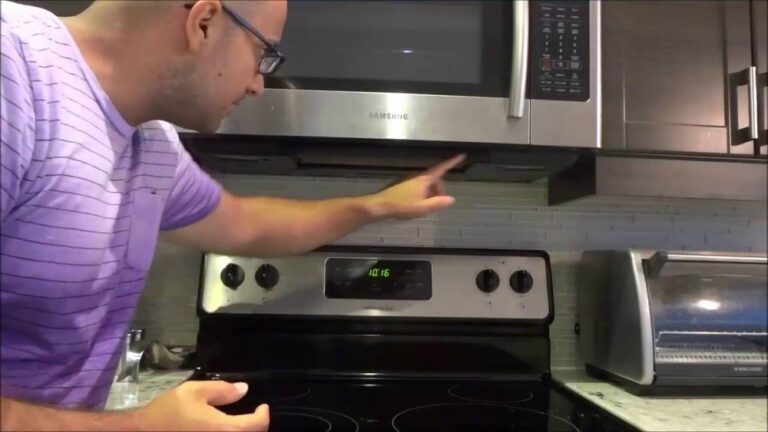
Credit: www.youtube.com
Microwave Defrost Basics
Microwave defrosting helps thaw frozen food quickly and safely. It uses low power to warm food gently. This prevents cooking the edges while the inside stays frozen.
Using the defrost setting saves time compared to thawing in a fridge or at room temperature. It keeps food safe by reducing bacteria growth. Understanding how it works improves your results.
How Defrost Mode Works
The microwave uses lower power during defrost mode. It sends short bursts of energy instead of continuous waves. This warms the food slowly and evenly.
The microwave pauses between bursts to let heat spread inside the food. This reduces cooking or overheating parts of the food. It helps thaw frozen food without cooking it.
Power Levels And Timing
Defrost mode typically operates at 20% to 30% power. This low setting prevents food from cooking. The microwave runs longer than normal to fully thaw the food.
You should check and turn the food during defrosting. This helps thaw it evenly. Over-defrosting can cause some parts to cook, so timing is important.
Types Of Food For Defrosting
Microwave defrost works best for meats, poultry, and fish. It also thaws bread and some vegetables well. Avoid defrosting large or dense items in one go.
Smaller or thinner pieces thaw faster and more evenly. Use the defrost setting for quick thawing before cooking. Always cook food immediately after defrosting for safety.
Using The Defrost Setting
Using the defrost setting on a microwave makes thawing frozen food easier and faster. This setting uses low power to warm food gently. It prevents cooking the edges while the inside stays frozen. Follow simple steps to get the best results and keep food safe.
Selecting Food Type And Weight
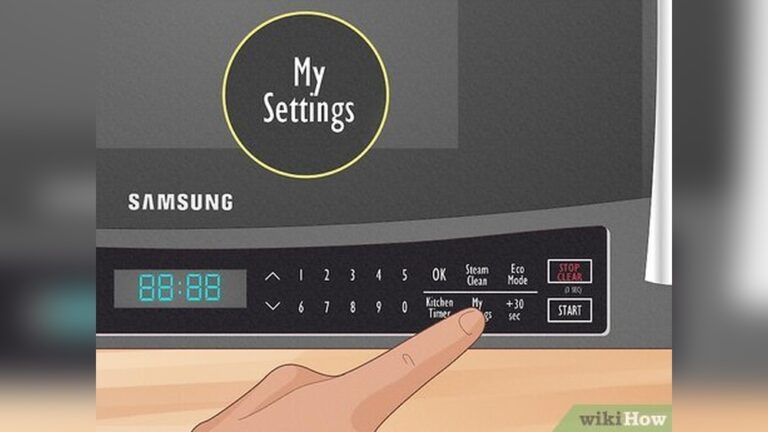
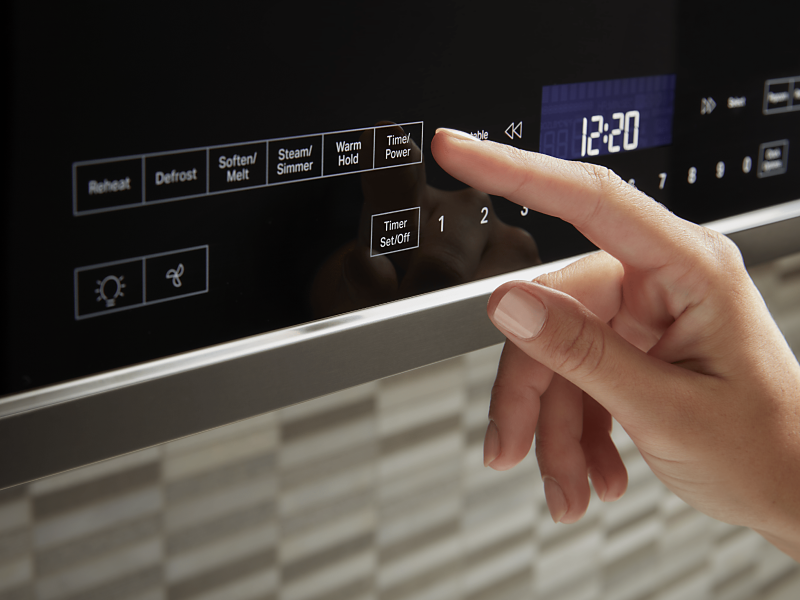
Choose the correct food type on the microwave panel. Some microwaves list options like meat, poultry, or fish. Enter the weight of the frozen food. This helps the microwave calculate the proper defrost time. Accurate weight ensures even thawing without cooking parts of the food.
Adjusting Defrost Time
Adjust the defrost time based on the food’s size and thickness. Many microwaves suggest a time but you can add more if needed. Stop the microwave halfway to check the food. Break apart any pieces that are thawed. This helps heat reach frozen parts evenly.
Covering Food During Defrost
Cover the food with a microwave-safe lid or wrap. This keeps moisture inside and prevents the food from drying out. Avoid using tight plastic wrap that can melt. A microwave-safe plate or paper towel works well. Covering also stops splatters and keeps your microwave clean.
Safety Tips For Defrosting
Defrosting food in a microwave saves time but requires caution. Using the defrost setting properly helps keep food safe. Follow these safety tips to avoid health risks and ensure good results. Proper handling during and after defrosting is key to prevent problems.
Avoiding Partial Cooking
Microwave defrost setting uses low power to thaw food. It should not cook food. Avoid leaving food too long in the microwave. Partial cooking can create hot spots where bacteria grow. Check food often and stop defrosting once it is soft but still cold. Rotate or stir food for even thawing.
Handling Thawed Food
Thawed food should be cooked immediately. Do not refreeze food that has been defrosted in the microwave. Cooking right away stops bacteria from multiplying. Use clean utensils and surfaces to avoid contamination. Wash hands thoroughly before and after handling thawed food.
Preventing Bacterial Growth
Bacteria grow fast on food left at room temperature. Defrost food in short intervals to keep it cold. Use a microwave-safe cover to trap moisture and heat evenly. After defrosting, cook food within two hours to prevent bacteria. Never leave thawed food out too long before cooking.
Credit: www.whirlpool.com
Common Issues And Solutions
Using the defrost setting on a microwave often comes with some challenges. These common issues can affect the quality and safety of your thawed food. Understanding these problems and their solutions helps improve your defrosting results.
Uneven Thawing
Uneven thawing happens when some parts of the food defrost faster than others. This occurs because microwaves heat food from the outside in. To fix this, pause the microwave and stir or turn the food regularly. Using smaller, uniform pieces also helps the defrost process work more evenly.
Cold Spots In Food
Cold spots are areas that remain frozen after defrosting. These can be risky because bacteria may survive in frozen pockets. To reduce cold spots, spread the food out on a microwave-safe plate. Covering the food with a microwave-safe lid traps steam and promotes more even thawing.
Overheating And Cooking Edges
Sometimes, the edges of the food start to cook while the center is still frozen. This happens because microwaves concentrate energy at the edges. Lower the microwave power or shorten the defrost time to prevent cooking the edges. Checking the food often and removing cooked parts can maintain good texture.
Defrosting Alternatives
Defrosting food is essential for safe cooking and better taste. Besides using the microwave defrost setting, some other methods work well. These alternatives take more time but can keep food quality high and avoid uneven thawing. Understanding these options helps you choose the best way to thaw your food.
Using Cold Water Method
This method is faster than refrigerator thawing but needs more attention. Place the frozen food in a sealed plastic bag. Submerge the bag in cold water. Change the water every 30 minutes to keep it cold. Small packages thaw in about an hour. Larger items may take several hours. Always cook the food right after thawing.
Refrigerator Thawing
This is the safest and most gentle thawing method. Put frozen food on a plate or in a container. Place it in the refrigerator to thaw slowly. This keeps food at a safe temperature. Thawing time depends on size and type. Small cuts may take a few hours. Larger items may need one or two days. Plan ahead for this slow but safe method.
Room Temperature Thawing
Thawing food at room temperature is not recommended. The outer parts can reach unsafe temperatures. This encourages bacteria growth and risks food safety. Only small items may thaw quickly enough to avoid this. Always avoid leaving food out for more than two hours. Use this method only in emergencies and cook food immediately after thawing.
Credit: www.kitchenaid.com
Defrost Settings In Other Appliances
Defrost settings exist in many household appliances beyond microwaves. These features help remove frost, ice, or thaw frozen items efficiently. Each appliance uses a unique method to handle defrosting based on its purpose. Understanding these can clarify how defrost functions improve daily convenience.
Car Defrost Functions
Cars use defrost settings to clear ice and fog from windows. The system blows warm air onto glass surfaces. This melts frost and evaporates moisture quickly. Some cars also have heated mirrors and rear windows. These features improve visibility and safety during cold weather. The defrost function activates with a simple button press. It works by directing heat where it’s most needed.
Toaster Defrost Features
Toasters with defrost settings gently warm frozen bread or pastries. They use lower heat levels than regular toasting. This prevents burning outside while thawing inside. The defrost cycle takes longer than normal toasting. It slowly softens frozen items before browning them. This feature helps enjoy frozen bread without extra steps. It saves time and keeps texture just right.
Maintaining Your Microwave
Maintaining your microwave helps keep it working well and safe. Regular care prevents problems and extends its life. Simple steps after using the defrost setting keep your microwave clean and efficient. Check its performance often to catch any issues early. This care ensures your microwave stays reliable for daily use.
Cleaning After Defrosting
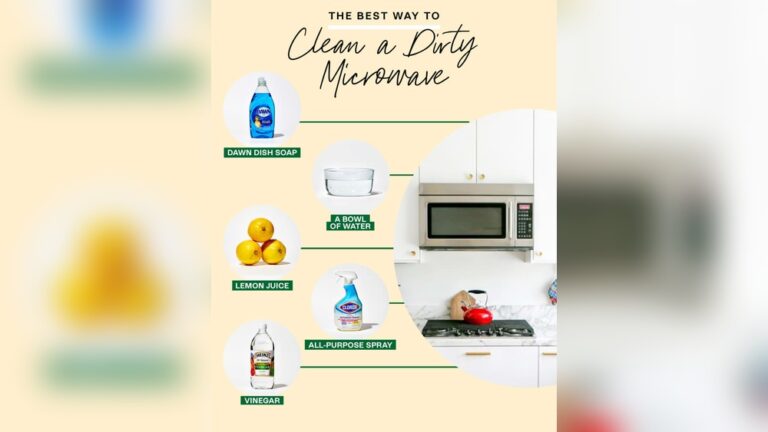
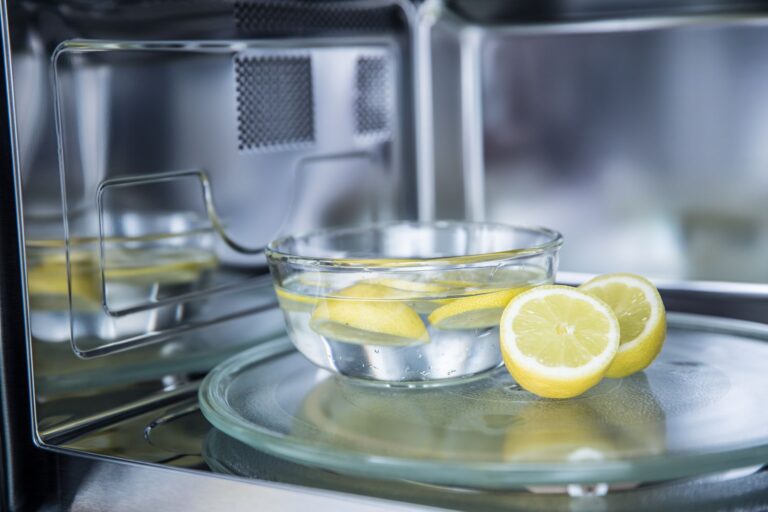
Defrosting can cause spills or splashes inside the microwave. Wipe the interior with a damp cloth after each use. Use mild soap if needed to remove food residue. Clean the turntable and walls to avoid smells or stains. Keeping the microwave dry stops mold and bacteria growth. Clean regularly to keep your microwave fresh and hygienic.
Checking Microwave Performance
Test your microwave often to ensure it heats evenly. Place a cup of water inside and run for one minute. If the water heats well, the microwave works fine. Listen for strange noises or unusual smells during operation. Check that the door seals properly to keep heat inside. Report any problems to a technician for repair quickly.
Frequently Asked Questions
Is It Safe To Use The Defrost Setting On A Microwave?
Yes, using the microwave defrost setting is safe. Always cook food immediately after thawing to prevent bacteria growth.
Is Defrost Setting 50% Power?
The defrost setting on microwaves usually operates at about 30% power, not 50%. It cycles low power to thaw food evenly without cooking it.
Should I Cover Food While Defrosting In A Microwave?
Yes, cover food loosely while defrosting in a microwave to retain moisture and prevent splatters. Use microwave-safe covers.
How Does The Defrost Button Work?
The defrost button cycles low microwave power to thaw frozen food evenly without cooking it. It often allows selecting food type or weight for precise defrosting. This gentle heat helps maintain texture and speeds up safe thawing.
Conclusion
The defrost setting on a microwave uses low power to thaw food safely. It heats food gently to avoid cooking edges first. Use it to save time and keep food fresh. Always cook food fully after defrosting to stay safe.
Understanding how this setting works helps you use your microwave better. Now, defrosting frozen meals feels simple and quick. Try it next time for easy meal prep.