How Does a Microwave Work: Unveiling the Magic of Quick Cooking
Have you ever wondered what really happens inside your microwave when you press start? You place your food inside, set the timer, and moments later, it’s hot and ready to eat.
But how does this magic happen so quickly and effortlessly? Understanding how a microwave works will not only satisfy your curiosity but also help you use this kitchen gadget more effectively and safely. You’ll discover the simple science behind microwaves, how they heat your food from the inside out, and why they’re so different from regular ovens.
Keep reading to unlock the secrets behind your microwave’s power and make the most out of every meal you prepare!
Credit: www.businessinsider.com
Microwave Basics
Microwaves cook food using special types of energy waves. These waves interact with food molecules to produce heat. This method heats food quickly and evenly. Understanding the basics helps explain how this process works.
Microwaves belong to a group of waves called electromagnetic waves. They carry energy through space and matter. Their unique properties make them ideal for cooking.
Electromagnetic Waves
Electromagnetic waves include visible light, radio waves, and microwaves. Microwaves have a frequency that excites water, fat, and sugar molecules in food. This causes the molecules to vibrate faster. The vibration produces heat that cooks the food from inside out.
The waves penetrate food to a small depth. Heat then spreads by conduction to other parts. This combination speeds up cooking compared to traditional ovens.
Non-ionizing Radiation
Microwaves use non-ionizing radiation, which is safe for cooking. This radiation does not damage DNA or cells. It only causes molecules to move and create heat. Unlike X-rays, it cannot cause harmful changes.
This type of radiation stops as soon as the microwave oven turns off. The food remains safe and does not become radioactive. The oven is designed to keep the waves inside, preventing leaks.
Credit: www.tdk.com
How Microwaves Heat Food
Microwaves heat food using electromagnetic waves that interact with molecules inside the food. These waves target water, fat, and sugar molecules, causing them to move quickly. This movement produces heat, which cooks the food evenly and fast.
Understanding how microwaves heat food helps explain their efficiency and safety in kitchens worldwide.
Molecular Vibration
Microwaves cause water and fat molecules to vibrate rapidly. These molecules try to align with the changing electromagnetic field. This flipping happens millions of times per second. The fast vibration is the first step in heating food inside a microwave.
Heat Generation Through Friction
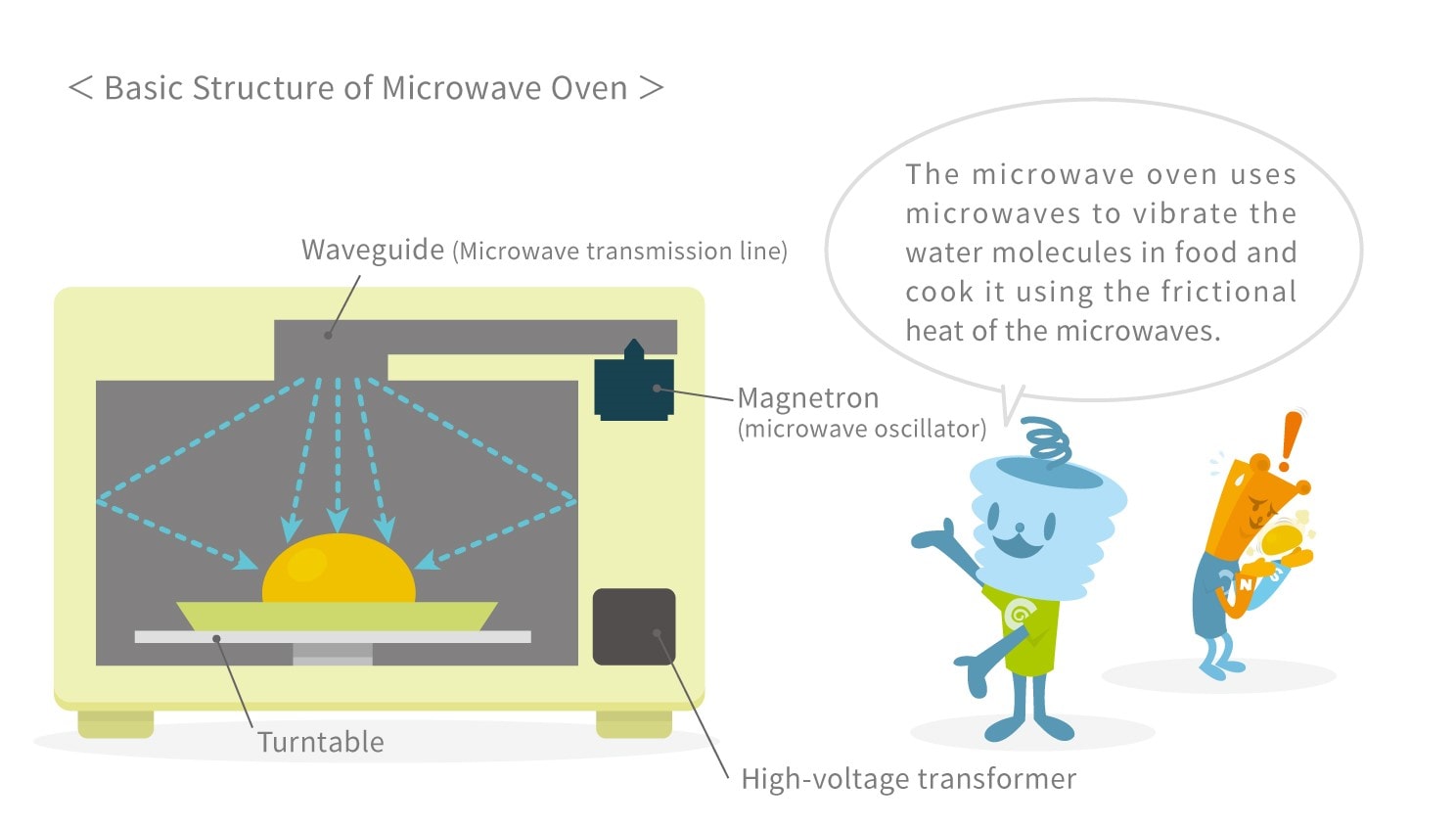
The rapid molecular vibration creates friction between molecules. This friction generates heat energy inside the food. Unlike traditional ovens, microwaves produce heat directly inside the food, not from outside. This process cooks food faster and uses less energy.
Penetration Of Microwaves In Food
Microwaves can penetrate food a few centimeters deep. This allows heat to form inside the food, not just on the surface. As molecules inside heat up, the warmth spreads to the center and edges. This penetration results in more even cooking compared to other methods.
Components Of A Microwave Oven
The microwave oven contains several key parts that work together to heat food quickly. Each component plays a specific role in the cooking process. Understanding these parts helps explain how microwaves cook your meals evenly and fast.
Magnetron Function
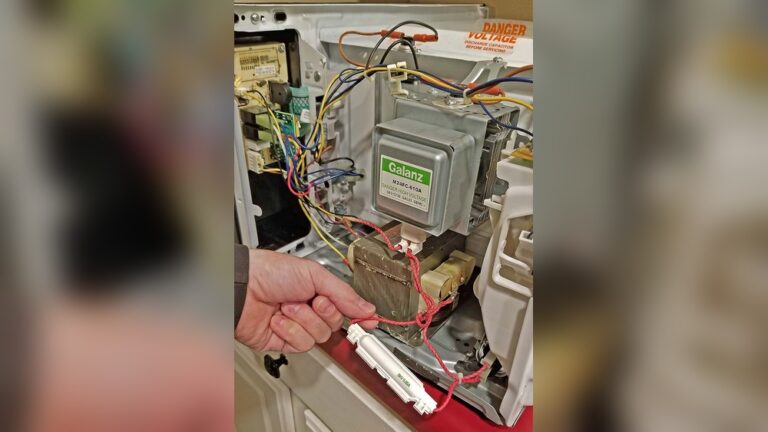
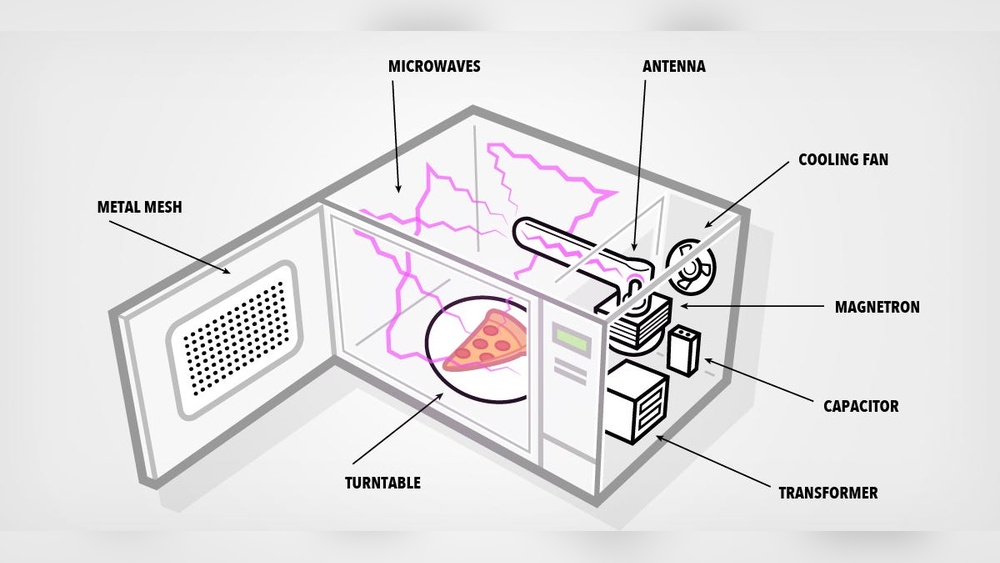
The magnetron is the heart of the microwave oven. It creates microwaves by converting electrical energy into high-frequency radio waves. These waves bounce inside the oven and penetrate the food. The microwaves make water molecules in the food vibrate, producing heat. This heat cooks the food from the inside out.
Turntable Role
The turntable is a rotating glass plate inside the microwave. It moves food in a circle to help microwaves reach all sides evenly. Without the turntable, some parts of the food might cook more while others stay cold. The rotation ensures uniform heating and better cooking results.

Credit: www.reddit.com
Advantages Of Microwave Cooking
Microwave cooking offers many benefits that make it popular worldwide. It saves time and energy while keeping meals tasty. Many homes and offices rely on microwave ovens for quick food preparation. Understanding these advantages helps explain why microwaves remain a kitchen staple.
Speed And Efficiency
Microwaves cook food much faster than traditional ovens. They heat food by making water molecules move quickly. This motion produces heat inside the food, cooking it evenly and fast. No need to wait long for your meals anymore. The quick cooking process also keeps food moist and fresh.
Energy Consumption
Microwave ovens use less energy than regular ovens or stoves. They focus heat directly on the food, reducing wasted energy. Shorter cooking times mean less electricity or gas is used. This makes microwaves a more eco-friendly choice. Saving energy also lowers your utility bills over time.
Limitations And Challenges
Microwaves offer quick cooking, but they also have some drawbacks. Understanding these limitations helps in using microwaves wisely. Here are the main challenges that affect cooking quality and food safety.
Uneven Heating Issues
Microwaves may heat food unevenly. This happens because waves do not reach every part of the food equally. Some spots get very hot, while others stay cold. This can cause problems, especially with thick or large items. Rotating trays and stirring food help reduce uneven heating but do not always fix it completely.
Nutrient Retention Concerns
Microwave cooking can affect nutrients in food. Some vitamins and minerals break down from heat exposure. Microwaves cook food quickly, which can help keep nutrients better than other methods. Still, overcooking or using too much water in microwave cooking can cause nutrient loss. Proper timing and using less water preserve more nutrients.
Effect On Food Texture And Taste
Microwaves may change food texture and taste. Foods can become soggy or rubbery, especially bread and meats. This happens because microwaves heat water molecules fast, causing steam inside the food. Some foods lose their crispness or become chewy. Using microwave-safe covers or combining microwave cooking with other methods can improve texture and flavor.
Safety And Health Considerations
Microwaves are common in many kitchens. People use them daily to warm food quickly. Many wonder if microwaves are safe for health. Understanding safety and health aspects helps use microwaves wisely. This section covers important points about microwave safety and health.
Radiation Safety
Microwaves use non-ionizing radiation to cook food. This type of radiation does not damage DNA. It cannot cause cancer like X-rays or UV rays. The microwave oven is designed to keep radiation inside. The metal walls and door screen block microwaves from escaping. Always check the door seal is intact before use. Do not use a microwave if the door is damaged or does not close properly. Standing close to a working microwave is safe. The radiation stops as soon as the microwave turns off.
Plastic Container Risks
Not all plastic containers are safe for microwaving. Some plastics release harmful chemicals when heated. Look for containers labeled “microwave-safe” before use. Avoid plastics with recycling codes 3, 6, and 7 in the microwave. Use glass or ceramic containers for safer heating. Do not microwave plastic wrap directly on food. It can melt or leach chemicals. Use microwave-safe lids or paper towels instead. Proper containers prevent chemical contamination and keep food safe.
Food Quality And Nutritional Impact
Microwaving preserves nutrients better than some other methods. It cooks food faster and uses less water. This reduces nutrient loss in vegetables and meats. Uneven heating can cause cold spots where bacteria survive. Stir or rotate food during cooking for even heat. Avoid overheating, which can damage nutrients and texture. Use microwave power settings to control cooking speed. Proper microwave use keeps food tasty and nutritious.
Common Myths About Microwaves
Many people believe incorrect facts about microwaves. These myths cause fear and confusion. Understanding the truth helps use microwaves safely and effectively. Let’s clear up common misunderstandings about how microwaves affect food and health.
Radiation And Food Safety
Microwaves use a type of radiation called non-ionizing radiation. This radiation does not make food radioactive. It only causes water molecules in food to move rapidly. This movement produces heat that cooks the food. The radiation stays inside the microwave oven and does not escape. Therefore, microwaved food is safe to eat.
Microwaves do not change the chemical structure of food beyond heating it. The cooking process is similar to other heating methods. No harmful radiation remains in the food after cooking.
Microwaving And Nutrient Loss
Some believe microwaving destroys all nutrients in food. This is not true. Cooking of any kind can cause some nutrient loss. Microwaving often preserves nutrients better than boiling or frying. This happens because microwaves cook food faster and use less water.
Vitamins like C and B are sensitive to heat and water. Microwaving reduces the time food is exposed to heat. It also minimizes nutrient loss by using little or no water. Therefore, microwaving can keep more nutrients in your meals.
Microwave Cooking Tips
Microwave cooking is fast and convenient. To get the best results, follow simple tips. These help your food cook evenly and taste better. They also keep your microwave safe and clean. Understanding how to use your microwave properly improves every meal.
Avoiding Hot And Cold Spots
Microwaves can cook food unevenly. Some parts get very hot, others stay cold. Stir food halfway through cooking. Use a microwave-safe cover to trap steam. Place food in the center or on a rotating plate. These steps help heat spread evenly.
Choosing Safe Containers
Use only containers labeled microwave-safe. Avoid metal dishes or foil. Plastic containers must not melt or release chemicals. Glass and ceramic bowls work well. Check for cracks or damage before use. Safe containers protect your food and microwave.
Improving Food Texture
Microwaved food can become soggy or dry. Add a small amount of water to vegetables. Cover food loosely to keep moisture in. Let food rest after cooking to finish heating. These tricks keep your meals tasty and fresh.
Frequently Asked Questions
How Do Microwaves Work In Simple Terms?
Microwaves emit electromagnetic waves that make water, fat, and sugar molecules in food vibrate. This vibration creates heat, cooking food quickly and evenly from inside out.
Do Microwaves Use Heat Or Radiation?
Microwaves use non-ionizing electromagnetic radiation to heat food. This radiation causes water molecules to vibrate rapidly, generating heat through friction inside the food.
What Are 5 Disadvantages Of Using A Microwave Oven?
Microwave ovens may cause uneven heating, nutrient loss, plastic melting risks, limited browning, and potential radiation leaks.
Does A Microwave Cook Food Or Just Heat It?
Microwaves cook food by using electromagnetic waves that make water molecules vibrate. This vibration generates heat, cooking food evenly from inside out.
Conclusion
Microwaves cook food by making water molecules move fast. This movement creates heat inside the food. Unlike regular ovens, microwaves heat food from the inside out. They use safe, non-ionizing radiation that does not harm the food. This method saves time and energy while cooking.
Now you understand the simple science behind microwaves. Next time you heat your meal, you know how it works!