How Do You Fix A Microwave: Quick Guide
Unplug it, check power and door, clean, and avoid internal repairs.
If you’ve ever asked how do you fix a microwave, you’re not alone. I’ve repaired and replaced many units over the years, and I know what’s safe to do at home and what needs a pro. In this friendly, research-backed guide, I’ll show you how do you fix a microwave using simple checks, real examples, and expert tips. You’ll learn what to try, what to skip, and when to call a technician for peace of mind.

Safety first: what you should and should not do
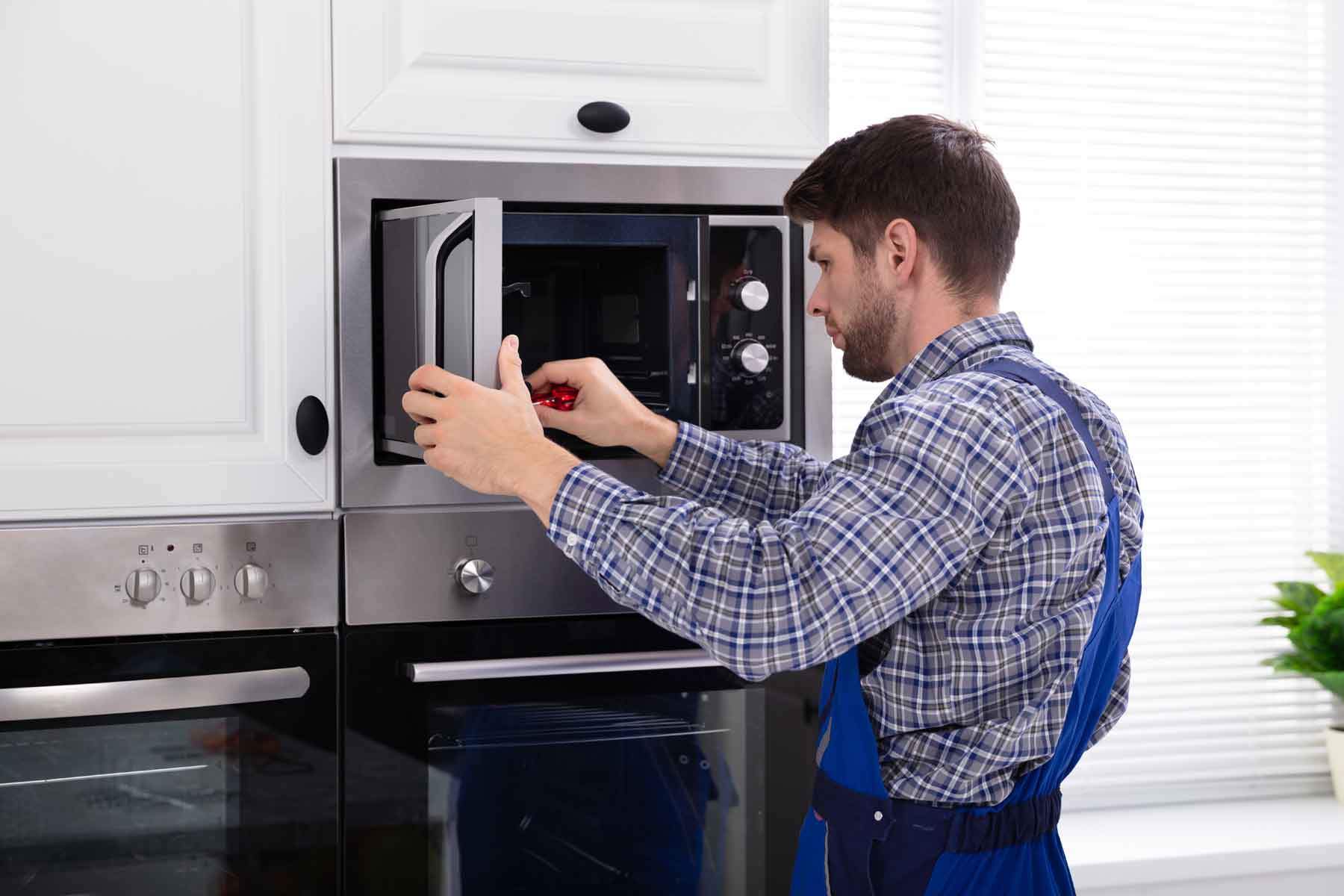
Microwaves store high voltage in a capacitor, even when unplugged. That can shock you. If you wonder how do you fix a microwave, start with this rule: never open the cabinet or touch internal parts. Those repairs are for trained techs only.
There is a lot you can do safely. You can check power, doors, settings, and turntable parts. You can clean the cavity and replace some user-accessible parts. For anything tied to heating, like the magnetron, high-voltage diode, or capacitor, stop and call a pro.
Helpful safety habits:
- Unplug the microwave before any work, even for a light bulb swap.
- Use dry hands and a dry cloth. Avoid wet areas and steam.
- Follow your model’s manual. It shows safe access points and part numbers.
- If you smell burning, see smoke, or hear crackling, unplug it and wait. Do not restart until you find and fix the cause.
When people ask how do you fix a microwave, I tell them: keep it simple and safe. Small fixes are fine. Internal fixes are not.

Tools and supplies you may need
You do not need much to do safe checks at home. If you ask how do you fix a microwave with basic tools, here is a simple list.
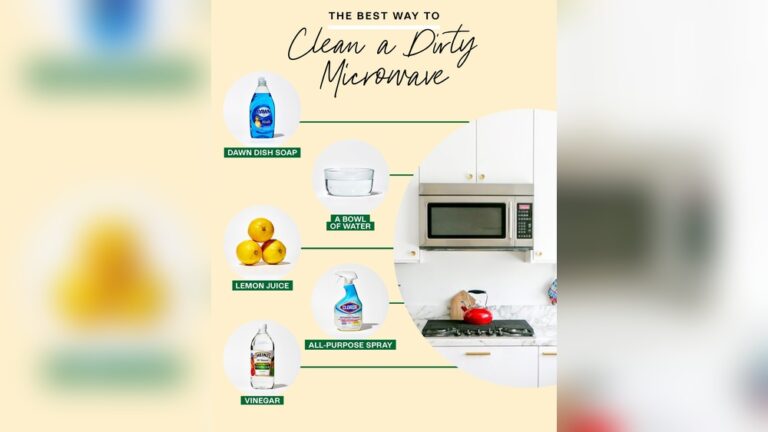
- Soft cloths and paper towels for cleaning
- Mild dish soap and warm water for grease
- White vinegar or baking soda for odor and stains
- A Phillips screwdriver for panels designed for user access
- A replacement bulb or turntable parts that match your model
- A plug-in outlet tester or a small lamp to test the socket
- Non-scratch sponge and a plastic scraper for stuck food
Tip from experience: Keep a small bin for microwave parts you remove, like screws or the turntable coupler. It saves time and stress later.
Quick checks before you open anything
If you are thinking how do you fix a microwave without risk, try these checks in order. Most issues are simple.
Power and outlet
- Make sure the plug is fully seated. Heavy plugs can loosen over time.
- Test the outlet with a lamp. If it fails, reset the breaker or GFCI.
- Try another outlet on a different circuit if allowed by the manual.
Door and latches
- Close the door firmly. If it does not click, it will not run.
- Wipe the door frame and latch area. Food bits can block the switches.
- Check for bent or loose door hooks. If they wobble a lot, call a pro.
Settings and timer
- Confirm you are not on a low power setting or delayed start.
- Try a 1 cup water test for 60–90 seconds. This shows heating and timing.
- Reset the clock and clear any error codes per your manual.
Turntable and interior
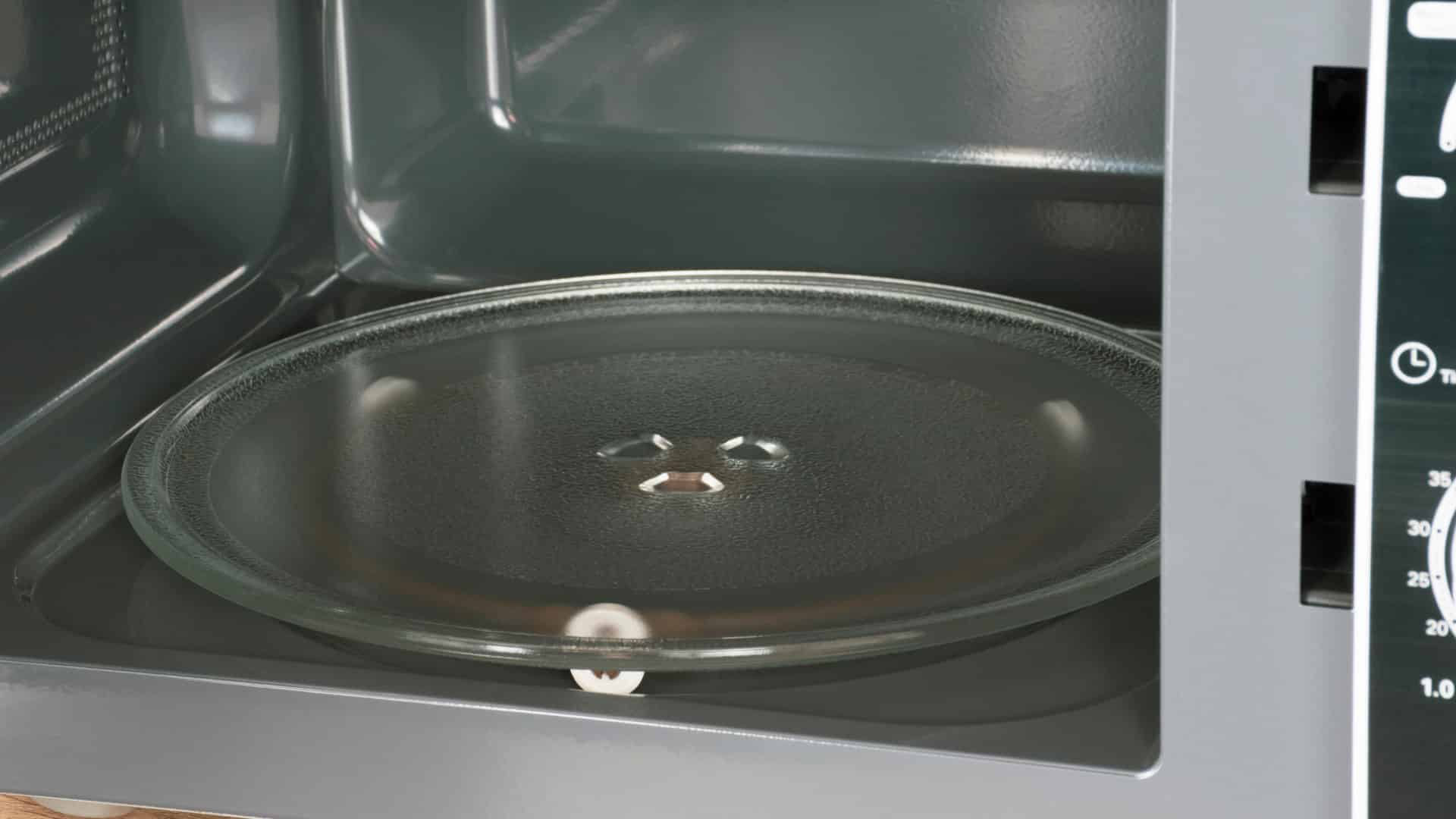
* Remove the plate, ring, and coupler. Wash and dry them well.
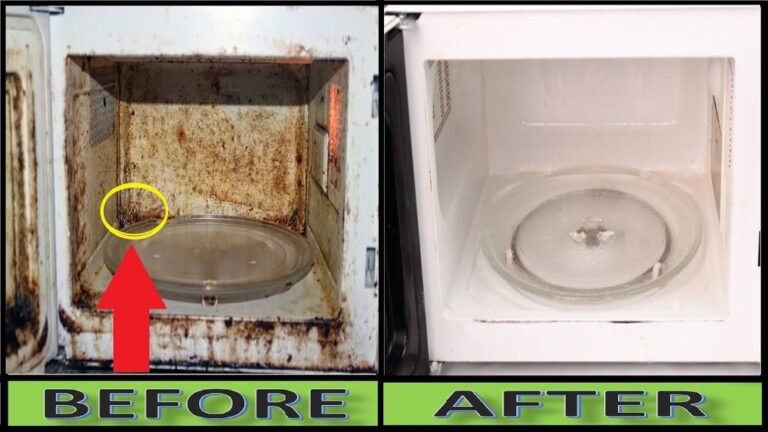
- Clean the floor of the cavity. Grit can jam the turntable.
- Look at the waveguide cover on the side wall. If it is burnt or greasy, clean or replace it.
When you ask how do you fix a microwave, these steps solve many issues fast and safely.

Common microwave problems and safe fixes you can do
If you search how do you fix a microwave for specific problems, try these simple, safe fixes first. I include notes from real jobs I have done.
Microwave will not turn on
- Confirm outlet power with a lamp or tester. Reset the breaker or GFCI as needed.
- Inspect the plug and cord for damage. If the cord is cut or burned, get a pro.
- Verify the door closes with a clear click. Clean the latch area again.
If those do not help, internal fuses or door switches may be bad. Do not open the cabinet. Call a technician.
Turntable not spinning
- Wash the glass plate, ring, and coupler. Dry them well before reinstalling.
- Make sure the coupler sits on the motor shaft and the plate sits flat.
- Try the microwave with the turntable off setting, then on again.
If the turntable motor fails, it is an internal repair. Ask a pro for help.
Light not working
- Unplug first. Some models have a user-access panel for the bulb. Check your manual.
- Use the exact bulb type and wattage. Do not touch halogen glass with bare hands.
- If the bulb is only reachable by taking off the cabinet, stop and call a pro.
I have seen people strip screws trying to reach a bulb. Follow the manual and do not force it.
Sparks or arcing
- Unplug and look for metal, foil, twist ties, or a fork hidden under food. Remove all metal.
- Clean heavy grease or burnt splatter. These can arc like tiny lightning.
- Inspect the waveguide cover. If it is charred or cracked, replace it with the same part.
I once fixed a friend’s unit by removing a bent sauce lid and replacing a cheap waveguide cover. It took 10 minutes and saved the oven.
Not heating food
- Run the water test. If it stays cool, the heating system may have failed.
- Do not try to replace the magnetron, capacitor, or HV diode. These parts are dangerous.
If you still ask how do you fix a microwave that does not heat, the answer is simple: call a qualified technician, or consider replacement if the unit is old.
Loud or odd noises
- Check for debris under the turntable or fan intake.
- Clean filters on over-the-range units. Grease buildup can cause noise.
- If the noise is a loud buzz during heating, stop using it and call a pro.
When you think how do you fix a microwave with noise, start with cleaning and alignment. If the sound stays, get expert help.

Maintenance tips to prevent problems
If you want to know how do you fix a microwave before it breaks, think prevention. Simple habits go a long way.
- Cover your food. This stops splatter and cuts smells and stains.
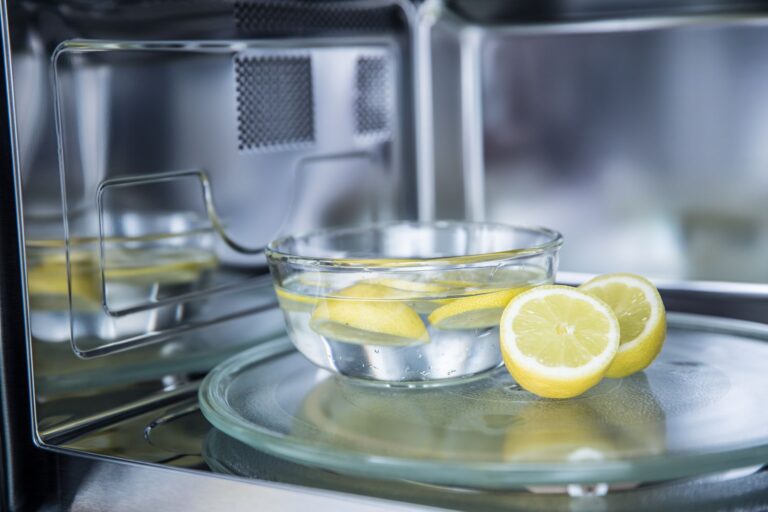
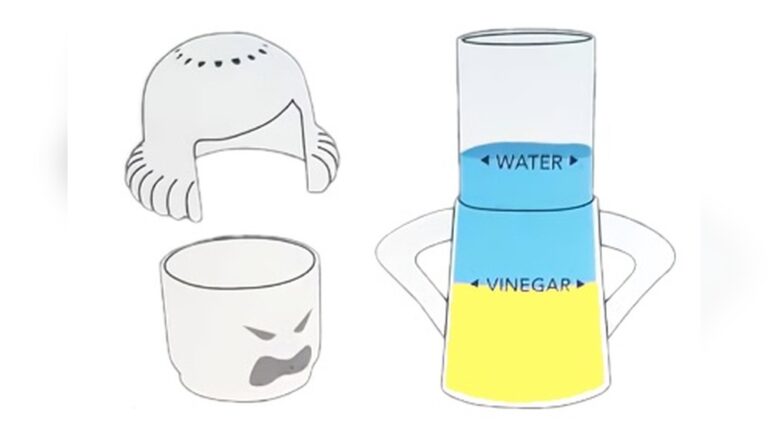
- Wipe the cavity after each use. Steam a bowl of water with vinegar for deep cleans.
- Keep the door seals clean and dry. They help trap heat and protect the unit.
- Clean grease filters regularly on over-the-range models.
- Keep it dry. Moisture is a common cause of failure over time.
These steps reduce arcing and wear. They also keep heating even and fast.
Repair or replace: what is worth it?
People often ask how do you fix a microwave and whether it is worth the cost. Here is a simple way to decide.
- Age under 5 years and minor issue like a light, turntable part, or door latch: likely repair.
- Age over 7–10 years and a heating failure: replacement is often cheaper.
- Countertop models are cheaper to replace. Built-in or over-the-range models may be worth fixing because of fit and install costs.
Typical ranges in many markets:
- Minor parts like bulbs, rings, couplers: low cost.
- Door switch or control board service: moderate cost.
- Magnetron or HV parts: high cost, often near the price of a new unit.
If you are still asking how do you fix a microwave on a budget, compare parts and labor to the price of a new model with a warranty.
When to call a pro and how to choose one
If your search for how do you fix a microwave points to internal parts, it is time for a pro. Safety and time matter.
Call a technician when you see:
- No heat with normal power and timing
- Burnt smell from inside the cabinet
- Repeated tripping of breakers
- Melted plastic or scorch marks near the waveguide
- Damaged cord or plug
How to choose a good service:
- Ask if they are factory-authorized for your brand and model.
- Confirm a clear diagnostic fee and a parts warranty.
- Read recent reviews about punctuality and cleanup.
- Share the model number. It speeds parts sourcing.
I have seen great techs save a high-end built-in model with a simple switch. I have also seen people pay for two visits when they could have replaced a budget unit for less. Ask for an estimate first and weigh your options.
Frequently Asked Questions of how do you fix a microwave
Is it safe to open a microwave to repair it?
No. Microwaves store dangerous voltage even when unplugged. Leave internal repairs to trained technicians.
Why does my microwave spark?
Sparks often come from metal, foil, or burnt food. Clean the cavity, remove metal, and replace a damaged waveguide cover.
Can I replace a microwave light bulb myself?
Sometimes. If your manual shows a user-access panel, you can replace it with the same bulb type. If not, call a pro.
What should I try if my microwave will not start?
Check the outlet, breaker, and the door latch area. If those pass and it still fails, a door switch or fuse may be bad, which needs a technician.
How do you fix a microwave that is not heating?
Do a water test. If it does not heat, stop there and call a pro because the fix involves high-voltage parts.
Why does my microwave make loud buzzing sounds?
A light buzz is normal, but a harsh or new buzz can mean a failing part. Unplug it and get a technician to diagnose it.
How often should I clean my microwave?
Wipe after each use and deep clean weekly if you cook daily. Clean filters on over-the-range units monthly.
Conclusion
You came here asking how do you fix a microwave, and now you know what is safe to try and what is not. Start with power checks, door latches, cleaning, and simple part swaps that your manual supports. For heating failures or internal parts, let a pro handle it.
Small steps can save your microwave and your time. Put these tips to work today. If you found this useful, share it, subscribe for more DIY guides, or drop your questions in the comments.