How Do You Clean a Dirty Microwave: Easy Tips for Sparkling Results
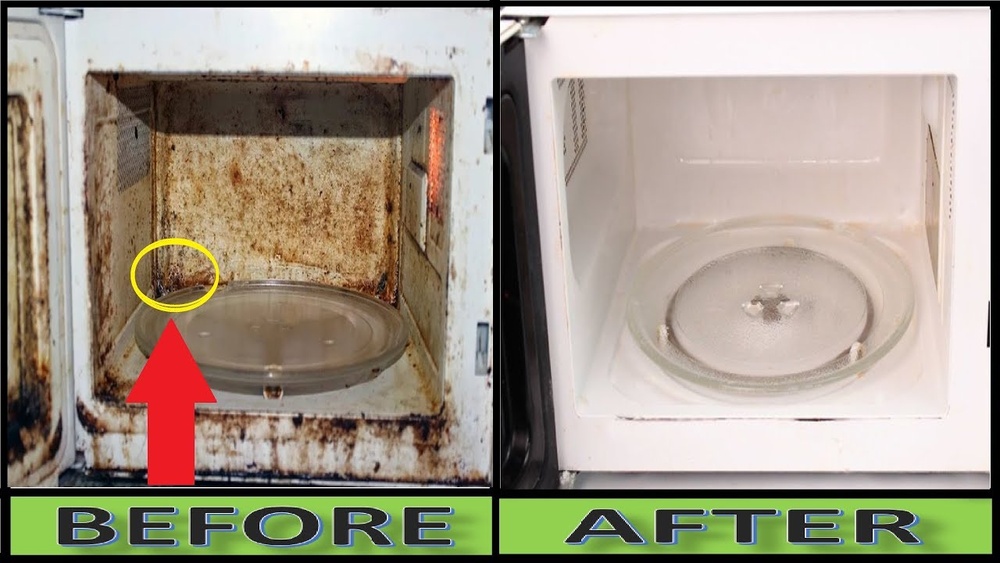
Is your microwave looking more like a mess than a kitchen helper? You’re not alone.
Over time, splatters and spills build up, making your microwave dirty and less efficient. But cleaning it doesn’t have to be a chore that you dread. Imagine wiping away all that grime effortlessly, leaving your microwave fresh and sparkling like new.
Ready to discover simple, effective ways to clean even the toughest microwave messes? Keep reading, because we’ll guide you step-by-step through easy techniques that will save you time and frustration—turning your dirty microwave into a clean, hygienic kitchen essential.

Credit: bscappliancerepair.com
Materials Needed
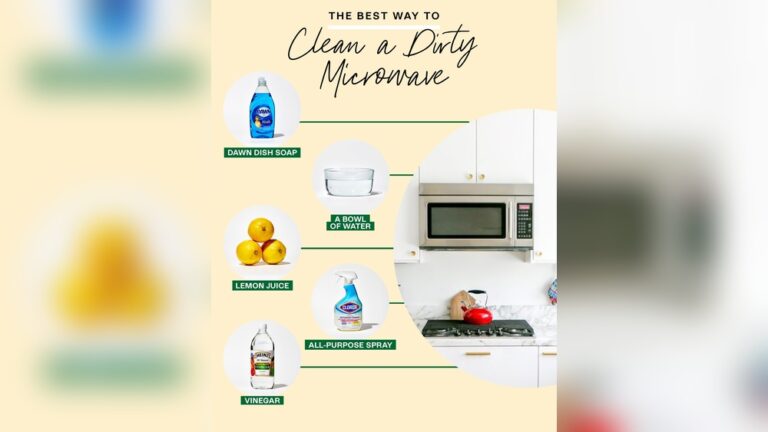
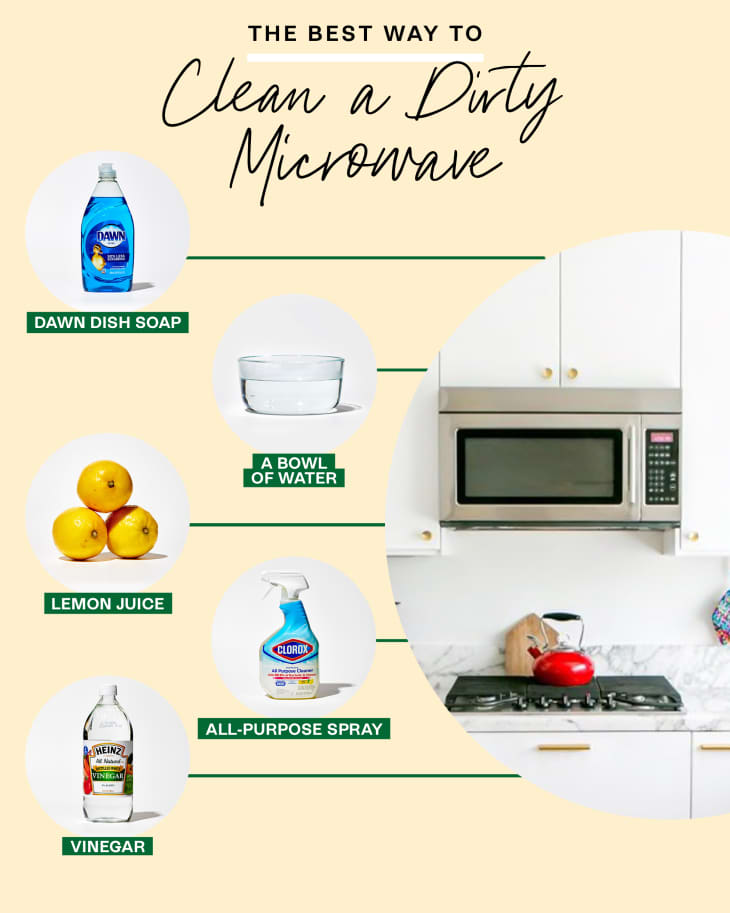
Cleaning a dirty microwave is simple with the right materials. Gathering these items before you start saves time and effort. Most items are common household supplies. They help remove grime and stains safely and effectively.
Microwave-safe Bowl
Use a microwave-safe bowl to hold your cleaning solution. It must withstand heat without cracking. Glass or ceramic bowls work best. The bowl will help steam the microwave interior, loosening dirt and food splatters.
Water
Water is essential for creating steam inside the microwave. It softens stuck-on food and grease. Use clean, fresh water for the best results. The amount should fill the bowl about halfway.
White Vinegar Or Lemon
White vinegar or lemon juice helps break down grime and deodorizes. Vinegar is a natural cleaner with antibacterial properties. Lemon adds a fresh scent while cutting grease. Choose one based on your preference.
Baking Soda (optional, For Tough Stains)
Baking soda acts as a mild abrasive to tackle stubborn spots. Mix it with water to form a paste. Apply gently to areas that need extra scrubbing. It won’t scratch microwave surfaces.
Sponge Or Microfiber Cloth
A sponge or microfiber cloth helps wipe away loosened food and stains. Microfiber cloths are soft and absorbent. Use a damp cloth for cleaning inside and a dry one for drying surfaces.
Dish Soap
Dish soap cuts through grease and food residue effectively. Use a small amount mixed with water to clean the microwave’s exterior and turntable. It helps leave surfaces shiny and fresh.
Credit: www.thekitchn.com
Safety First
Safety comes first when cleaning a dirty microwave. Protect yourself and the appliance by following simple rules. These precautions help avoid accidents and keep the microwave working well.
Unplug The Microwave
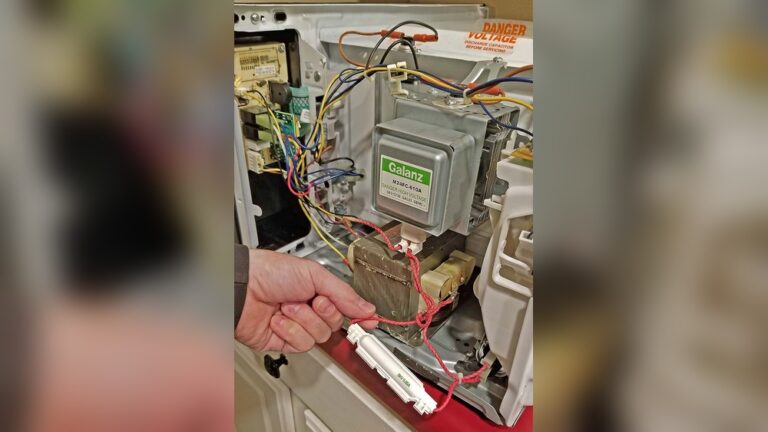
Always unplug the microwave before cleaning. This stops any chance of electric shock. It also prevents the microwave from turning on by mistake.
Use Microwave-safe Materials
Only use bowls and containers labeled microwave-safe. Heating unsafe items can cause damage or fire. Choose materials that handle heat without melting or cracking.
Avoid Harsh Chemicals
Do not use strong chemicals or bleach inside the microwave. These can harm the appliance and leave dangerous residues. Use natural cleaners like vinegar or lemon juice instead.
Handle Hot Items With Care
Be careful when removing hot bowls or plates. Use oven mitts or a thick cloth to protect your hands. Hot steam can cause burns, so open the door slowly.
Keep The Door Seals Clean
Wipe the door seals gently to maintain a proper seal. Dirt or damage here can cause microwave leaks. Check seals regularly for cracks or wear.
Steam Cleaning Method
The steam cleaning method is an easy and natural way to clean a dirty microwave. It uses hot steam to loosen food stains and grime inside the microwave. This method avoids harsh chemicals and saves time.
Steam softens stuck-on bits, making them simple to wipe away. It also helps remove odors without strong smells. Follow these steps for a fresh and clean microwave.
Create Steam Solution
Fill a microwave-safe bowl with one cup of water. Add two tablespoons of white vinegar or fresh lemon juice. Both help break down grime and leave a fresh scent. Place the bowl inside the microwave.
Heat And Let Sit
Turn the microwave on high for about five minutes. The water will boil and create steam inside. Keep the door closed and let the steam work for five more minutes. This softens tough stains and loosens dirt.
Wipe Away Grime
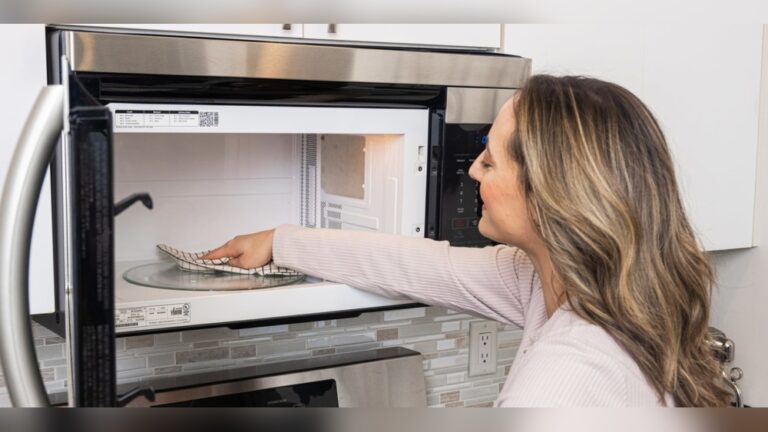
Carefully remove the hot bowl using oven mitts. Use a damp sponge or microfiber cloth to wipe the microwave walls, ceiling, and floor. Most grime will come off easily. For stubborn spots, use a paste of baking soda and water to scrub gently. Clean the turntable separately with warm soapy water and dry before placing it back.
Tackling Tough Stains
Tackling tough stains in your microwave can be challenging. These stubborn spots need extra care to remove completely. Using simple, safe ingredients helps clean without damage. Focus on gentle yet effective methods to avoid scratching the microwave’s surface. Two key steps make this task easier and more successful.
Use Baking Soda Paste
Baking soda is a natural cleaner and deodorizer. Mix baking soda with a small amount of water to form a thick paste. Apply the paste directly to the tough stains inside the microwave. Let it sit for 10 to 15 minutes. This allows the baking soda to break down the grime. Avoid using too much water, which can drip and cause mess. After waiting, the stains will loosen, making them easier to clean.
Scrub Gently
Use a soft sponge or cloth to scrub the stains gently. Avoid harsh scrubbing that can scratch surfaces. Work in small circles to lift the dirt without spreading it. Rinse the sponge often to remove loosened grime. Wipe the area with a damp cloth to remove any baking soda residue. Repeat the process if stains remain. This gentle scrubbing protects the microwave while restoring cleanliness.
Cleaning The Turntable
The turntable is a key part of your microwave. It holds your food and spins it for even heating. Cleaning it properly helps keep your microwave fresh and working well.
A dirty turntable can cause smells and stains. It may also affect the heating process. Removing and cleaning the turntable is a simple step in microwave care.
Remove The Turntable Safely
First, unplug the microwave to avoid any accidents. Open the door and carefully lift the glass plate. Most turntables lift straight up and off the roller ring. Handle it gently to avoid breaking.
Wash The Turntable Thoroughly
Wash the glass plate in warm, soapy water. Use a sponge or cloth to scrub away food stains. For tough spots, sprinkle baking soda on the plate and scrub gently. Rinse with clean water to remove soap and residue.
Dry And Replace The Turntable
Dry the turntable completely with a clean towel. Wet turntables can cause slipping or damage. Place the roller ring back inside the microwave first. Then, carefully set the glass plate on top, ensuring it sits evenly.
Exterior Cleaning Tips
Cleaning the outside of your microwave keeps it looking fresh and extends its life. The exterior collects dust, fingerprints, and food spills. Regular cleaning stops grime buildup and keeps your kitchen tidy.
Use gentle cleaning methods to avoid damaging the surface or controls. Focus on the door, handle, control panel, and vents. These parts get dirty fast but need careful care to work well.
Use A Soft Cloth And Mild Soap
Mix warm water with a few drops of mild dish soap. Dip a soft cloth or sponge in the solution and wring it out well. Wipe the microwave’s exterior gently. Avoid soaking the cloth to protect the electronics.
This method removes fingerprints, grease, and light stains without scratching. Rinse the cloth and wipe again with plain water. Dry with a clean towel to prevent streaks.
Clean The Control Panel Carefully
The control panel is sensitive and should not get too wet. Use a slightly damp cloth to clean it. Avoid spraying cleaner directly on the panel. Wipe gently to remove smudges and dust.
For stubborn spots, use a cotton swab dampened with water. Make sure no moisture seeps into the buttons or screen. Dry with a soft cloth after cleaning.
Wipe Door And Handle Thoroughly
Food splashes and fingerprints collect on the door and handle. Use the soapy cloth to clean these areas well. Pay attention to corners where dirt hides.
Rinse with a damp cloth and dry. This keeps the door clear and the handle hygienic. Clean handles often to avoid sticky buildup.
Clear Dust From Vents
Microwave vents collect dust and should be cleaned regularly. Use a dry microfiber cloth or a soft brush to remove dust from vents. Do not use water here to avoid damage.
Keeping vents clean helps the microwave cool properly and prevents overheating. Check vents monthly for dust and clean as needed.
Using Dish Soap Effectively
Using dish soap to clean a microwave is simple and effective. Dish soap breaks down grease and food stains quickly. It helps remove odors and leaves the microwave smelling fresh. This method uses common household items and requires little effort.
Start by mixing warm water with a few drops of dish soap. This solution softens dried food and grime inside the microwave. Use a sponge or cloth to apply the soapy water. Gently scrub the interior surfaces to lift dirt without damaging the microwave.
Prepare The Cleaning Solution
Fill a microwave-safe bowl with warm water. Add two to three drops of dish soap. Stir gently to create suds. Avoid using too much soap to prevent excess foam inside the microwave.
Clean The Interior Surfaces
Dip a soft sponge or cloth into the soapy water. Wring out excess liquid to avoid drips. Wipe all interior walls, ceiling, and floor carefully. Focus on areas with stubborn stains or grease. Repeat as needed for tough spots.
Wash The Turntable Separately
Remove the glass turntable from the microwave. Wash it in the sink using warm soapy water. Use a sponge to scrub off food residues. Rinse with clean water and dry with a towel before placing it back.
Rinse And Dry Thoroughly
After scrubbing, wipe the inside with a clean damp cloth. This removes any soap residue left behind. Use a dry cloth to absorb moisture and prevent streaks. Leave the microwave door open for air drying.
Credit: www.thekitchn.com
Air Drying And Final Touches
After thoroughly cleaning the microwave’s interior and exterior, it is important to let it air dry. Air drying helps remove any remaining moisture. This prevents mold and bad odors from developing inside the microwave. Leaving the door open also allows fresh air to circulate.
Once the microwave is dry, some final touches can make it look spotless. These small steps ensure your microwave stays clean longer and works well every time you use it.
Air Drying The Microwave
Keep the microwave door open for at least 15 to 30 minutes. This helps moisture evaporate naturally. Avoid wiping the inside right after cleaning, as this may leave streaks or push moisture into hard-to-reach spots. Air drying is gentle and effective.
Wiping Down The Exterior
Use a soft, dry cloth to wipe the microwave’s outside. Focus on the control panel and handle where fingerprints build up. A dry cloth removes smudges without leaving streaks. For stubborn spots, lightly dampen the cloth with water, then wipe again dry.
Final Inspection
Check the microwave for any missed spots or stains. Pay close attention to corners and the door seal. If you see residue, gently clean it with a damp cloth. Make sure the turntable is dry and properly placed. This keeps your microwave clean and fresh for the next use.
Frequently Asked Questions
What Is The Best Way To Clean A Very Dirty Microwave?
Heat a bowl of water with lemon or vinegar inside the microwave for 5 minutes. Let steam loosen grime. Wipe interior with a cloth. Use baking soda paste on tough stains. Wash the turntable separately with soapy water. Dry and clean the exterior with a damp cloth.
Can I Use Dawn Dish Soap To Clean My Microwave?
Yes, Dawn dish soap works well for cleaning microwaves. Mix it with water to wipe surfaces safely and remove grease effectively.
Can You Put Baking Soda And Vinegar In The Microwave?
Avoid mixing baking soda and vinegar directly in the microwave. Their reaction can cause bubbling and mess. Instead, use vinegar or baking soda separately for safe microwave cleaning.
Conclusion
Cleaning a microwave does not have to be hard or take long. Use simple ingredients like vinegar, lemon, and baking soda. Steam loosens dirt, making it easy to wipe away grime. Always unplug the microwave before cleaning for safety. Don’t forget to wash the turntable separately.
Wipe the outside carefully to remove fingerprints and spills. Regular cleaning keeps your microwave fresh and working well. A clean microwave looks better and lasts longer. Try these easy steps to keep your kitchen appliance spotless.