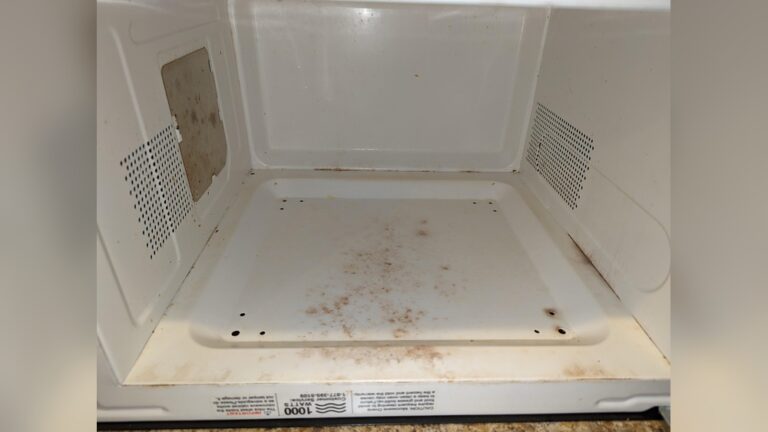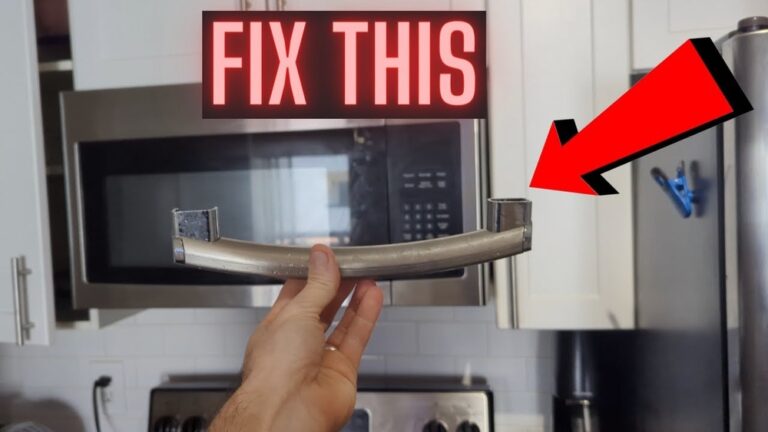
How Do You Clean a Burnt Microwave: Quick & Easy Tips
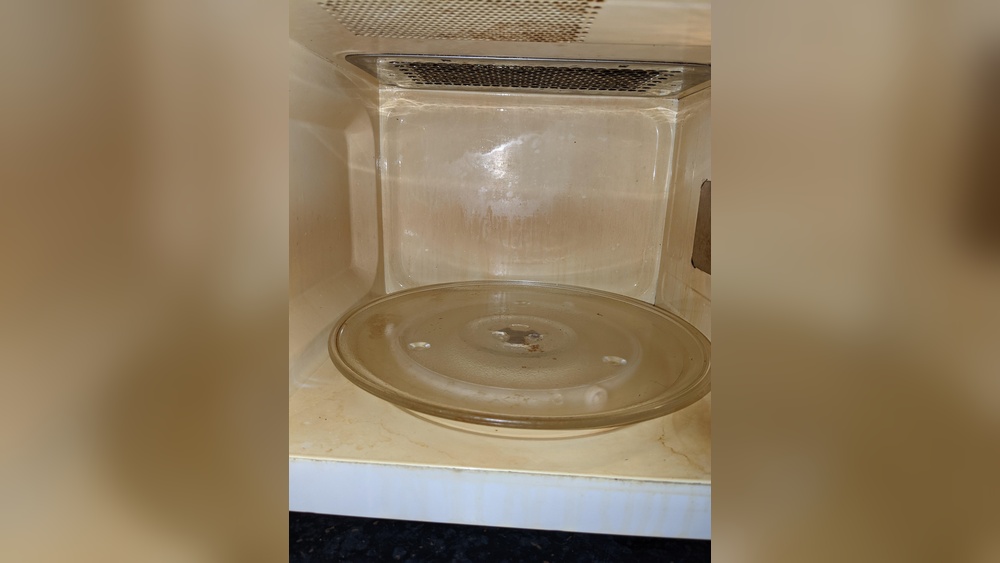
Have you ever accidentally burnt popcorn or overheated a dish in your microwave, leaving behind stubborn stains and that unpleasant burnt smell? It’s frustrating, isn’t it?
But don’t worry—you’re not alone, and cleaning a burnt microwave is easier than you think. In this guide, you’ll discover simple, effective methods using everyday household items to restore your microwave’s clean look and fresh scent. Stick with me, and by the end, your microwave will look and smell as good as new.
Ready to get started? Let’s dive in!
Causes Of Microwave Burns
Burnt microwave odors and stains happen from several common causes. Understanding these helps prevent future damage and keeps your microwave clean.
Most microwave burns occur from food overheating or spills left inside. The heat and smoke cause stains and bad smells that are hard to remove.
Overcooking Food
Cooking food for too long causes it to burn inside the microwave. This creates smoke and burnt residue on the walls and ceiling. Overcooking is the top cause of microwave burns.
Using Incorrect Containers
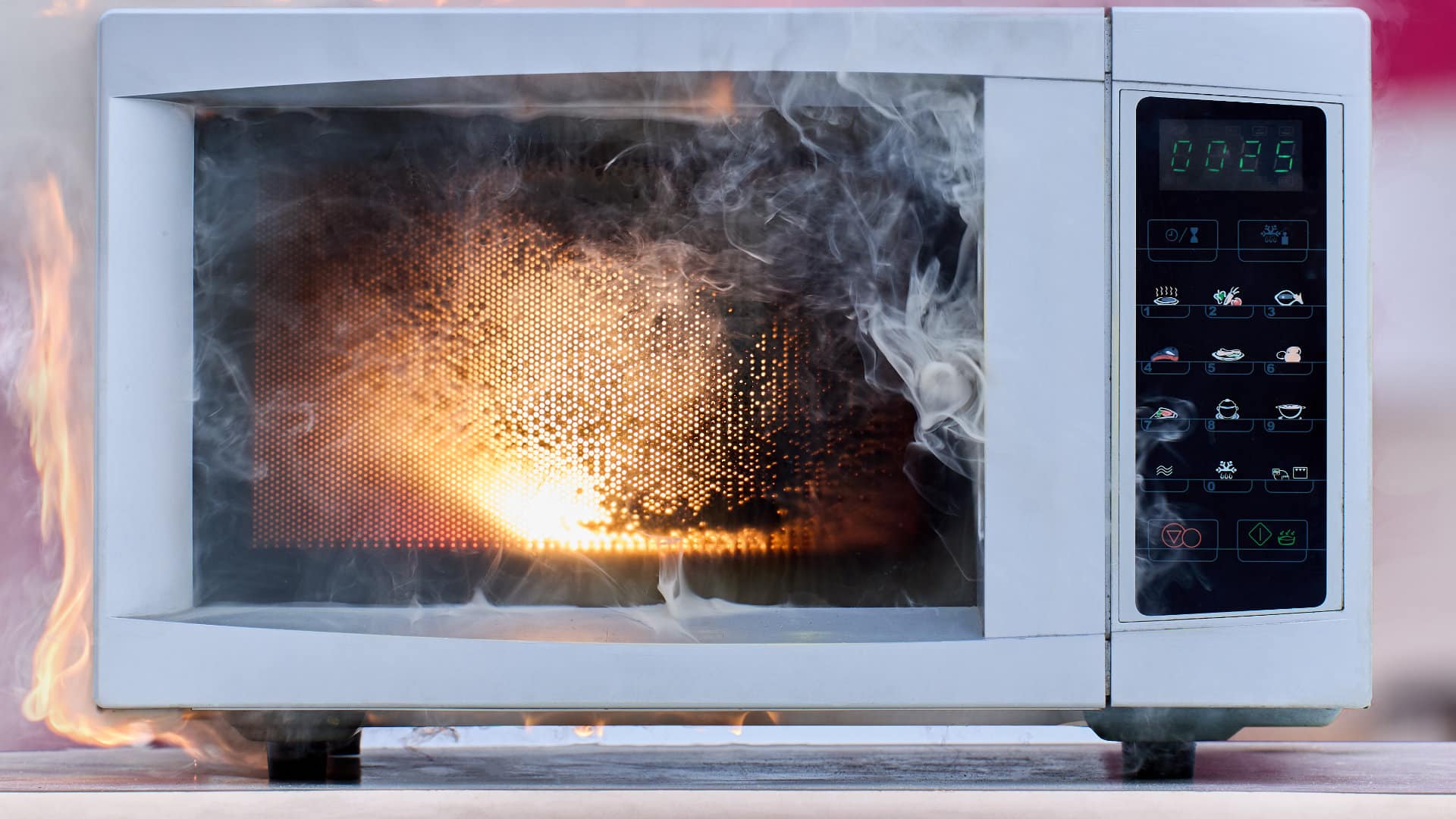
Containers not meant for microwaves can melt or catch fire. Plastic or paper that cannot withstand high heat may burn, leaving marks inside. Always use microwave-safe dishes to avoid burns.
Spilled Liquids And Foods
Spills during heating can burn if not cleaned quickly. Sticky sauces, soups, or popcorn residues stick to the microwave walls and get scorched by heat. This buildup causes stubborn stains and smells.
Ignoring Regular Cleaning
Not cleaning the microwave often lets food particles accumulate. These particles dry and burn over time, making cleaning much harder. Regular wiping prevents burnt layers from forming.
Immediate Steps After Burning
Burning food in the microwave can leave strong smells and stains. Acting fast helps stop damage and makes cleaning easier. The first steps after a burn are important for safety and freshness.
Follow these steps carefully to clear smoke and prevent stains from setting in. Quick action reduces lingering odors and restores your microwave’s condition.
Stop And Unplug The Microwave
Turn off the microwave immediately to stop any more burning. Unplug the device to prevent electrical hazards. Safety comes first in every cleaning task.
Ventilate The Area
Open windows and doors to let fresh air inside. Use a fan to push smoky air outside. Ventilation clears the burnt smell fast and improves air quality.
Remove Burnt Food And Debris
Carefully take out any burnt food or containers. Use gloves if needed to avoid touching hot or sharp edges. Cleaning the inside starts with removing loose debris.
Let The Microwave Cool Down
Wait for the microwave to cool before cleaning inside. Hot surfaces can cause burns or damage cleaning tools. Patience helps you clean safely and well.
Essential Cleaning Supplies
Cleaning a burnt microwave requires the right supplies to get the best results. Using proper tools makes the task easier and more effective. These supplies help remove burnt stains and odors safely without damaging the appliance.
Choosing the right cleaning materials is key to restore your microwave’s look and smell. Simple household items often work well. Below are essential supplies needed to clean burnt microwaves thoroughly.
White Vinegar
White vinegar is excellent for loosening burnt food and stains. It also helps neutralize bad smells inside the microwave. Use it diluted with water for safe cleaning.
Baking Soda
Baking soda acts as a gentle abrasive to scrub off stubborn burnt spots. It also absorbs odors, leaving the microwave fresh. Mix it with water to form a paste.
Microfiber Cloths
Microfiber cloths clean surfaces without scratching them. They pick up dirt and burnt residue effectively. Use one dampened with vinegar or baking soda solution.
Spray Bottle
A spray bottle helps apply cleaning solutions evenly inside the microwave. It makes spraying vinegar or water easier and more controlled. Use a clean bottle for best hygiene.
Plastic Or Silicone Scraper
A plastic or silicone scraper removes burnt food bits without damaging the microwave walls. Avoid metal tools that can scratch the surface. Gently scrape off burnt patches.

Credit: www.reddit.com
Removing Burnt Residue
Removing burnt residue from your microwave is key to restoring its clean look and fresh smell. Burnt food often leaves stubborn marks and odors. These can affect the taste of your next meal and make your kitchen less pleasant. Using simple household ingredients can effectively lift burnt stains and neutralize smells. Here are three easy methods to try.
Using Baking Soda Paste
Make a thick paste by mixing baking soda with water. Apply the paste to burnt spots inside the microwave. Let it sit for 10 to 15 minutes. Baking soda breaks down burnt particles and loosens grime. Use a soft cloth or sponge to scrub gently. Wipe clean with a damp cloth to remove residue. Repeat if needed for tough stains.
Vinegar Steam Method
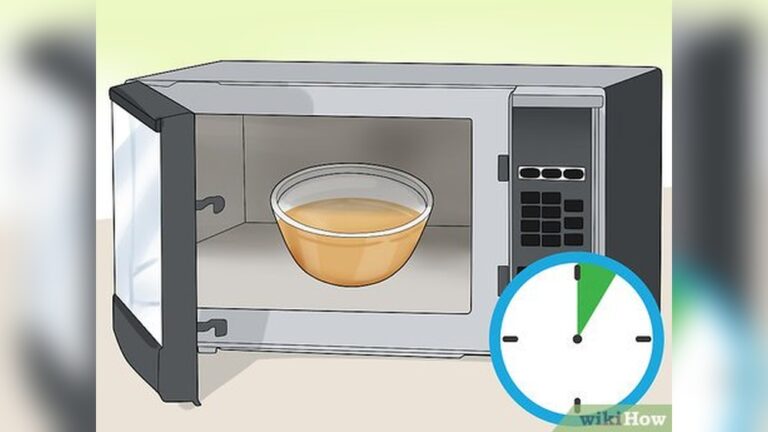
Pour equal parts water and white vinegar into a microwave-safe bowl. Place the bowl inside the microwave and heat on high for 5 minutes. The steam softens burnt residue, making it easier to wipe away. Carefully remove the bowl and use a sponge to clean the interior. Vinegar also helps remove odors left by burnt food.
Lemon Juice Application
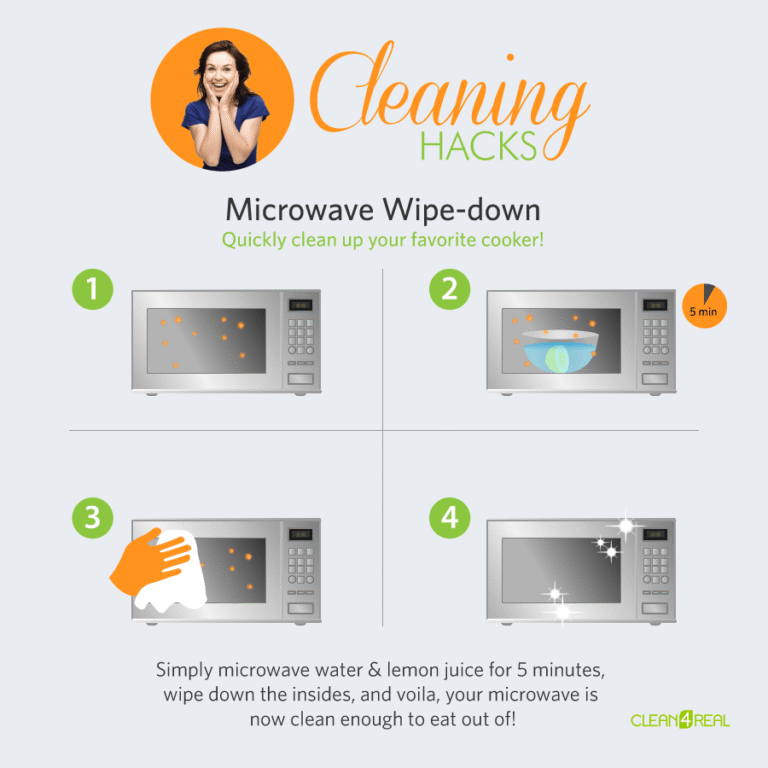
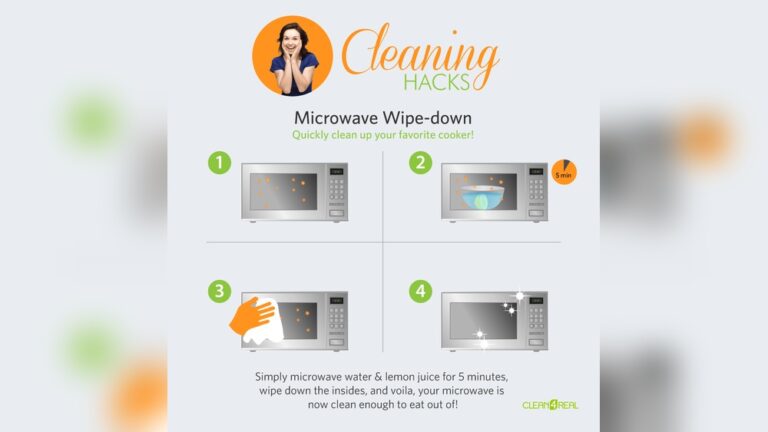
Squeeze fresh lemon juice over burnt areas or place lemon slices in a bowl with water. Heat the bowl in the microwave for 3 to 5 minutes. The citrus steam loosens burnt grime and freshens the microwave. After heating, wipe down the inside with a clean cloth. Lemon juice also leaves a natural, pleasant scent behind.
Eliminating Burnt Smells
Burnt smells in a microwave can linger long after cleaning. Removing these odors helps restore freshness. Simple household items can absorb or neutralize the burnt scent effectively. Here are easy methods to eliminate burnt smells quickly and naturally.
Activated Charcoal
Activated charcoal is excellent at absorbing bad odors. Place a bowl of activated charcoal inside the microwave. Leave it overnight to trap the burnt smell. This method works without using harsh chemicals. It refreshes the air and removes stubborn odors.
Coffee Grounds
Fresh coffee grounds can mask and absorb burnt smells. Put dry coffee grounds in a small bowl. Set the bowl inside the microwave for several hours. Coffee’s strong scent replaces the burnt odor. It is a simple and natural deodorizer.
Fresh Air Circulation
Air circulation helps remove trapped burnt smells. Open the microwave door and windows nearby. Use a fan to blow fresh air through the kitchen. Circulating air pushes out smoky odors and refreshes the space. Repeat for several hours if needed.
Deep Cleaning Microwave Walls
Cleaning the walls of a burnt microwave requires a thorough approach. The microwave walls often collect burnt food and stains that need deep cleaning. Removing these residues restores the microwave’s appearance and prevents odors. Use careful methods to protect the microwave’s interior coating. Follow simple steps for effective results without damage.
Scrubbing Techniques
Start with a soft sponge or cloth to avoid scratches. Use gentle circular motions to lift burnt spots. For tough stains, dampen the cloth with warm water and scrub lightly. Avoid steel wool or harsh brushes that can damage the surface. Rinse the cloth often to remove loosened grime. Repeat scrubbing until the walls look clean.
Safe Cleaning Agents
Choose mild cleaners like diluted dish soap or baking soda paste. Mix baking soda with water to create a gentle scrub. Vinegar also works well to break down burnt residues and neutralize smells. Avoid bleach or strong chemicals that can harm the microwave lining. Apply cleaning agents with a soft cloth and rinse thoroughly afterward. These safe agents clean effectively without risk.
Handling Persistent Stains
Persistent stains in a burnt microwave can be tough to remove. These marks often come from charred food or melted plastic. Regular cleaning might not clear them away completely. Special treatments can help break down these stubborn spots. Using safe household products can restore your microwave’s clean look without harsh scrubbing.
Hydrogen Peroxide Treatment
Hydrogen peroxide works well on burnt stains. It acts as a gentle bleach and disinfectant. First, mix equal parts of hydrogen peroxide and water in a microwave-safe bowl. Heat the mixture for two to three minutes. The steam will loosen burnt particles inside the microwave. Let it sit for five minutes before wiping the interior with a soft cloth. Repeat if stains remain. This method brightens surfaces without damage.
Repeated Vinegar Soaks
Vinegar is a natural cleaner that cuts through grime and odors. Fill a microwave-safe bowl with one cup of water and a half cup of white vinegar. Heat until it boils and steam fills the microwave. Keep the door closed for 10 minutes to let the steam work. After cooling, wipe the walls and ceiling with a damp cloth. For tough stains, soak a cloth in vinegar and press it on the spots for 15 minutes. Repeat as needed. Vinegar breaks down burnt layers safely.
Safety Tips For Cleaning
Cleaning a burnt microwave requires caution and care. Safety is the top priority to avoid accidents and damage. Follow key safety tips before starting the cleaning process. These tips protect you and your microwave from harm.
Unplugging The Microwave
Always unplug the microwave before cleaning. This stops electricity flow and reduces shock risk. Never clean the microwave while it is plugged in. Wait for the microwave to cool down before unplugging. This prevents burns or injuries during cleaning.
Avoiding Harsh Chemicals
Do not use strong chemicals inside the microwave. Harsh cleaners can damage the microwave’s interior and release toxic fumes. Choose natural or mild cleaning agents like vinegar or baking soda. These options clean well and keep you safe from harmful substances.
Preventing Future Burns
Preventing future burns in your microwave is key to keeping it clean and working well. Simple habits help avoid damage and unpleasant smells. Careful cooking and the right containers reduce burn risks. This section shares easy tips to protect your microwave.
Proper Cooking Times
Set the timer correctly for each food type. Overcooking causes food to burn and stain the microwave. Use lower power settings for slow heating. Check food often to stop burning early. Follow package instructions carefully to avoid mistakes. Shorter cooking times prevent overheating and burns.
Using Microwave-safe Containers
Only use containers labeled microwave-safe. Avoid metal, as it sparks and damages the microwave. Plastic containers not made for microwaves can melt or release toxins. Glass or ceramic dishes with no metal parts work best. Using the right container keeps food safe and stops burns. Clean containers before use to avoid residue burns.
Credit: registerappliance.com
Credit: www.reddit.com
Frequently Asked Questions
How To Clean A Microwave After Burning Something In It?
Fill a microwave-safe bowl with water and vinegar or lemon juice. Heat for 5 minutes to loosen burnt residue. Wipe interior with a damp cloth. Use baking soda paste on stubborn stains. Rinse and air out to remove burnt odors.
Repeat if needed.
Is It Safe To Use A Microwave After Something Burned In It?
Yes, you can use the microwave after burning something, but first clean all burnt residue and odors thoroughly. Ensure no damage exists.
How To Remove Scorch Marks?
Remove scorch marks by applying a baking soda paste or white vinegar. For fabric, dampen the mark, then iron or soak. Always rinse and test on a hidden spot first.
Conclusion
Cleaning a burnt microwave does not have to be hard or take long. Use simple ingredients like vinegar, baking soda, and water for best results. Wipe the inside carefully to remove stains and smells. Repeat the process if needed to get it fresh again.
Keeping your microwave clean helps it work better and last longer. Try these easy steps to restore your microwave without stress. A clean microwave makes cooking safer and more pleasant every day.