How Do Microwaves Work: Unveiling the Science Behind Heating
Have you ever wondered what really happens inside your microwave when you press start? It’s not magic—it’s science working quietly behind the scenes to heat your food quickly and safely.
When you pop a meal inside and close the door, invisible waves begin to move, shaking water molecules in your food so fast that they create heat from within. This process cooks your meal evenly and much faster than a regular oven.
Curious to find out how these waves work, what makes your food hot, and why the microwave is a kitchen essential? Keep reading, and you’ll discover the fascinating secrets behind how microwaves work—and why they’re so good at what they do.
Credit: www.businessinsider.com
Microwave Basics
Microwaves use a special type of energy to heat food fast. This energy makes water molecules inside food move quickly. The movement creates heat that cooks the food evenly. A microwave oven has parts that work together to create and direct this energy safely.
Understanding the basic parts helps you see how microwaves cook food. Let’s break down what microwaves are, the magnetron’s role, and the frequency range used.
What Are Microwaves
Microwaves are a form of electromagnetic waves. They have shorter wavelengths than radio waves but longer than infrared light. These waves carry energy that can excite water molecules in food. This excitement heats the food from inside out. Microwaves are invisible and move at the speed of light.
Role Of The Magnetron
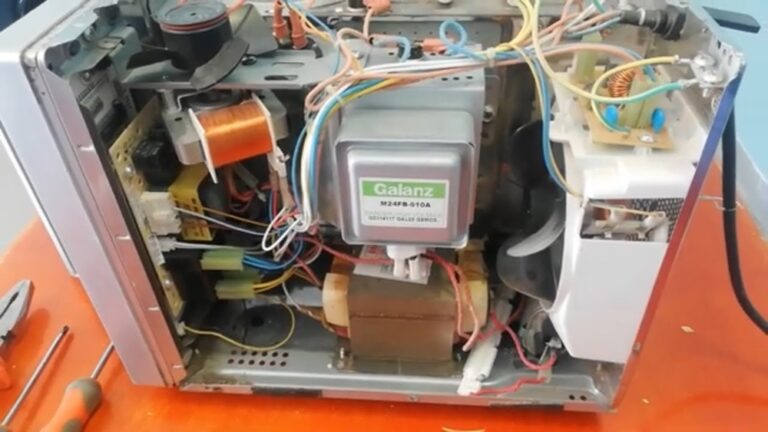
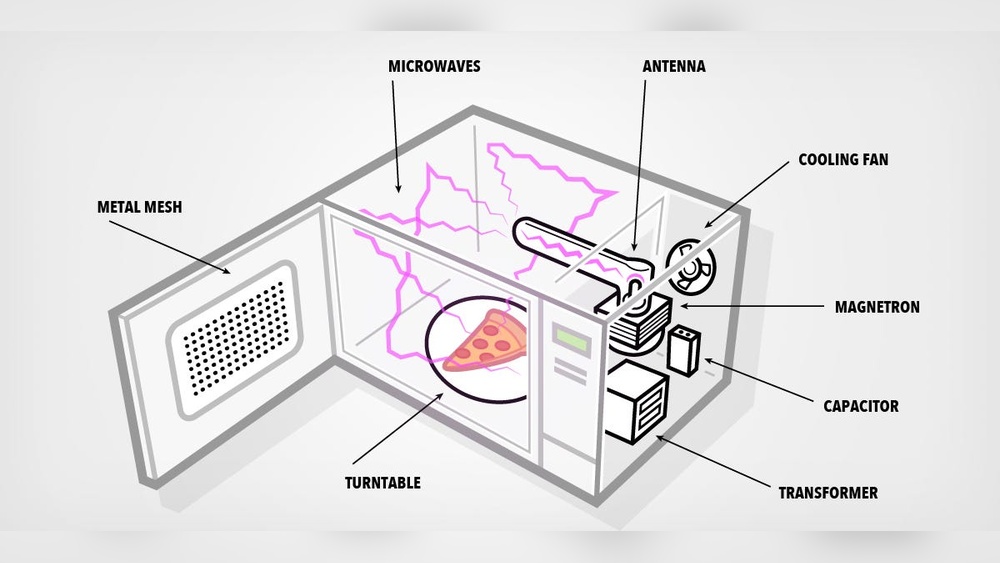
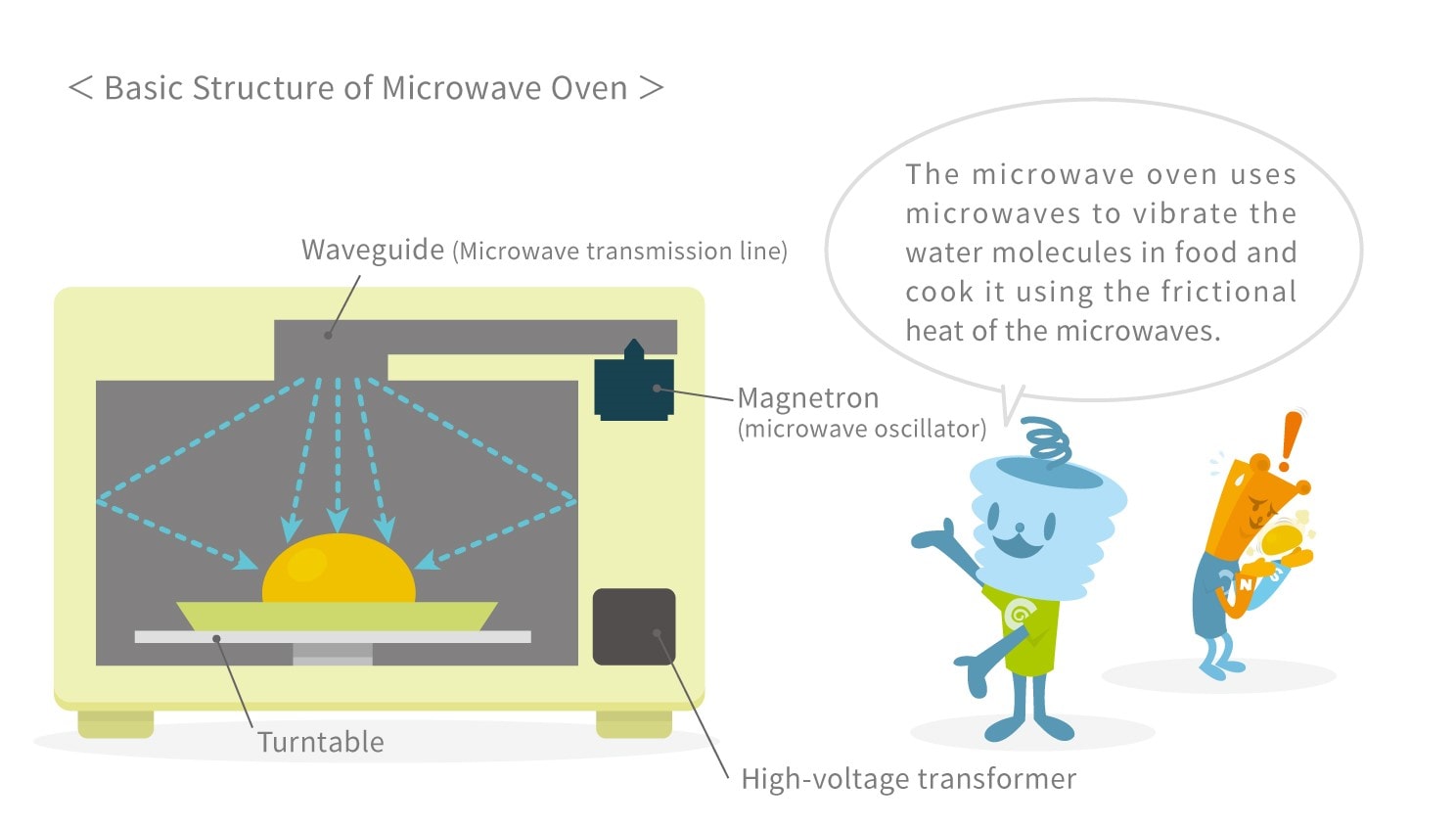
The magnetron is the heart of a microwave oven. It converts electrical energy into microwaves. When you start the microwave, the magnetron begins to produce these waves. The waves then bounce inside the oven cavity. This bouncing helps spread the energy evenly over the food. Without the magnetron, the microwave cannot heat food.
Microwave Frequency Range
Microwaves used in ovens operate around 2.45 gigahertz (GHz). This frequency is ideal to excite water molecules effectively. It can penetrate food to a certain depth, heating it from the inside. Frequencies lower or higher than this are less efficient for cooking. This range balances safety, energy use, and heating speed.
How Microwaves Heat Food
Microwaves heat food by targeting the water molecules inside it. These waves cause the molecules to move quickly. This movement produces heat, which cooks the food fast. The process is different from regular ovens that heat food from outside in. Microwaves heat food evenly and save time.
Interaction With Water Molecules
Microwaves are a type of electromagnetic wave. They cause water molecules to rotate rapidly. Water molecules are polar, meaning they have a positive and negative side. The microwaves make these molecules flip billions of times per second. This movement generates energy inside the food.
Molecular Friction And Heat
As water molecules move, they bump into each other. This causes friction. Friction produces heat. The heat then spreads to nearby molecules. This process cooks the food from the inside. The more water in the food, the faster it heats up.
Penetration Depth In Food
Microwaves can only penetrate a few centimeters into food. The heat then moves deeper by conduction. Thick or dense foods may heat unevenly. That is why stirring or turning food helps. It ensures heat reaches all parts of the food.
Microwave Oven Design
The design of a microwave oven plays a key role in how it heats food. It uses a metal cavity to contain microwaves safely. The shape and materials inside help direct the waves properly. Each part has a specific function to ensure food cooks quickly and evenly.
Inside, there is a turntable that moves the food. This helps heat all parts of the food evenly. Safety is also important in the design. The oven includes shielding to keep microwaves inside and protect users.
Metal Cavity And Wave Reflection
The metal cavity is a sealed box where microwaves bounce around. Its walls reflect microwaves to keep them inside. This reflection ensures waves spread evenly across the food. The metal stops microwaves from escaping the oven. This makes cooking fast and safe.
Turntable And Even Heating
The turntable is a rotating tray inside the oven. It spins food slowly during cooking. This movement helps microwaves reach all parts of the food. Without a turntable, some areas might stay cold or undercooked. The turntable improves heat distribution for better results.
Safety Features And Shielding
Microwave ovens have metal screens on the door to block waves. These screens have tiny holes that let you see inside. The holes are too small for microwaves to pass through. The oven also has sensors and switches to stop microwaves if the door opens. These features keep users safe from exposure.

Credit: www.reddit.com
Microwave Energy Conversion
Microwaves cook food by changing electrical energy into microwave energy. This process happens inside the oven, where electricity powers a special device. This device creates waves that heat food quickly and evenly.
These waves move inside the oven and make water molecules in food vibrate. The vibration creates heat, which cooks the food. Understanding this energy change helps explain how microwaves work so fast.
Electricity To Microwaves
Electricity enters the microwave oven and powers a part called the magnetron. The magnetron changes electrical energy into microwave energy. It produces high-frequency waves that carry energy through the oven. These waves have just the right length to excite water molecules in food.
Wave Propagation Inside Oven
The microwaves bounce around inside the metal oven cavity. The metal walls reflect the waves, keeping them inside. Waves spread out and enter the food from many directions. A turntable spins the food for even wave exposure. This helps heat all parts of the food evenly and quickly.
Microwave Cooking Efficiency
Microwave cooking stands out for its efficiency in preparing food quickly and with less energy. It uses electromagnetic waves that heat food differently than traditional ovens. This method offers benefits but also some limits depending on the food type.
Understanding microwave cooking efficiency helps in choosing the best cooking tool for your needs. Below, we explore how microwaves perform in speed, energy use, and their cooking limitations.
Speed Compared To Traditional Ovens
Microwaves cook food much faster than traditional ovens. They heat water molecules directly inside the food. This causes the food to warm up quickly from the inside out. Traditional ovens heat the air around the food first, which takes more time. For quick meals, microwaves save a lot of cooking time.
Energy Consumption
Microwaves use less energy than conventional ovens. They focus energy directly on the food, not the surrounding air. This targeted heating reduces wasted energy. Also, cooking times are shorter, which lowers overall power use. Using a microwave can be more cost-effective and eco-friendly for small or medium meals.
Limitations And Food Types
Microwaves do not cook all foods well. Foods needing crisp or brown surfaces often do not cook properly. Microwaves cannot produce the same textures as ovens or grills. Thick or dense foods may heat unevenly. Foods without enough water content may not heat well either. Choosing the right food type is key to microwave success.
Credit: www.tdk.com
Health And Safety Aspects
Microwaves are common in kitchens worldwide. Understanding their health and safety aspects helps users feel confident. Safety concerns mostly focus on radiation and food quality. Knowing facts reduces fear and promotes proper use.
Non-ionizing Radiation Explained
Microwaves use non-ionizing radiation. This radiation type does not damage DNA or cells. It only causes water molecules to vibrate, producing heat. Unlike X-rays, microwaves cannot cause cancer. The oven’s metal walls block microwaves from escaping. This keeps the radiation inside and safe for users.
Myths About Radiation
Many myths surround microwave radiation. Some believe it makes food radioactive. This is false. Microwaves do not change the food’s structure permanently. Others think microwaves cause brain damage. No scientific proof supports this claim. Using microwaves properly poses no harm. The key is not to operate a damaged or open oven.
Food Safety In Microwaving
Microwaving food is safe when done correctly. Use microwave-safe containers to avoid harmful chemicals. Stir food to prevent cold spots where bacteria may survive. Cover food to keep moisture and heat inside. Avoid overheating to preserve nutrients and taste. Always follow cooking instructions to ensure thorough heating.
Advanced Microwave Technologies
Microwave ovens have evolved with smart features and improved designs. These advanced technologies make cooking faster, easier, and more efficient. They help save energy and reduce cooking mistakes. Understanding these features helps you use your microwave better.
Modern microwaves use new methods to control power and sense food conditions. They adjust cooking times and power levels automatically. This means food cooks evenly and tastes better. The technology inside these devices continues to improve every year.
Inverter Technology
Inverter technology changes how microwaves deliver power. Instead of turning the microwave on and off, it provides a steady stream of energy. This steady power cooks food more evenly and gently. It prevents overcooking and keeps food moist.
With inverter technology, defrosting is faster and safer. It avoids hot spots that can cook parts of the food while leaving others frozen. This makes meals healthier and more enjoyable.
Sensor Cooking
Sensor cooking uses built-in sensors to measure steam and temperature. The microwave uses this data to adjust cooking time automatically. It stops cooking when food is done, avoiding overcooking or undercooking.
This feature is useful for busy people. It removes guesswork and saves time. Sensor cooking ensures your food tastes fresh and is cooked properly every time.
Future Innovations
Microwaves will soon have more smart features. They may connect to Wi-Fi and work with voice assistants. This will let users control cooking from anywhere.
Future models may use new materials and designs to cook food faster and more evenly. They might include better sensors to recognize food types automatically. These changes will make microwaves even more convenient and energy-efficient.
Frequently Asked Questions
How Do Microwaves Work In Simple Terms?
A microwave uses a magnetron to create waves that make water molecules in food vibrate. This vibration generates heat, cooking the food quickly and evenly inside the metal oven.
Do Microwaves Use Heat Or Radiation?
Microwaves use electromagnetic radiation to heat food. They make water molecules vibrate rapidly, generating heat through friction.
Is It Healthier To Use The Stove Or Microwave?
Using a microwave preserves more nutrients due to shorter cooking times. Stoves may cause nutrient loss from longer heat exposure. Both methods are safe and healthy when used properly. Choose based on convenience and the type of food being prepared.
Conclusion
Microwaves cook food by making water molecules move fast. This movement creates heat that warms your food quickly. The magnetron inside the microwave makes these waves. A turntable helps cook food evenly by spinning it. This method saves time and uses less energy.
Now you know how microwaves heat your meals simply and safely. Understanding this helps you use your microwave better every day.