How Do Microwave Ovens Work Physics: Unveiling the Science Behind Heating
Have you ever wondered what really happens inside your microwave oven when you press start? It might seem like magic how your food heats up so quickly, but there’s fascinating physics at work behind the scenes.
Understanding how microwave ovens use electromagnetic waves to make water molecules dance and create heat can change the way you think about cooking. You’ll discover the simple yet powerful science that turns electrical energy into the warmth that heats your meals.
Ready to unlock the secrets of microwave physics and see how this everyday appliance works? Let’s dive in!

Credit: www.semanticscholar.org
Microwave Generation
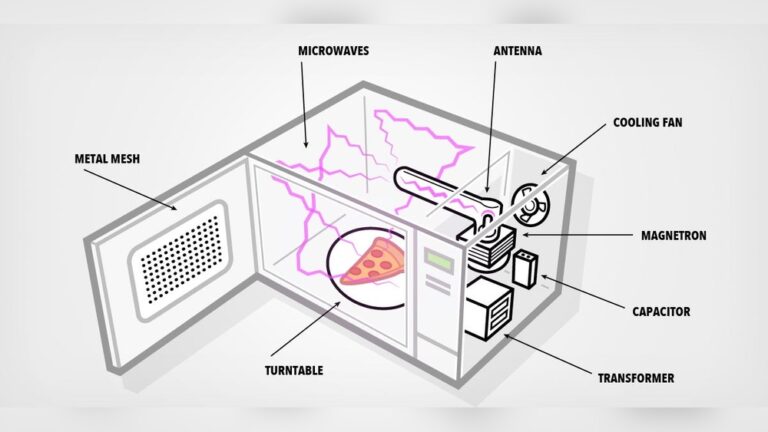
Microwave generation is the core process inside a microwave oven. This process creates the electromagnetic waves that heat your food quickly. The waves come from a special device called a magnetron. The magnetron uses physics principles to convert electrical energy into microwaves. These waves then move into the oven’s cooking chamber to start heating.
Role Of The Magnetron
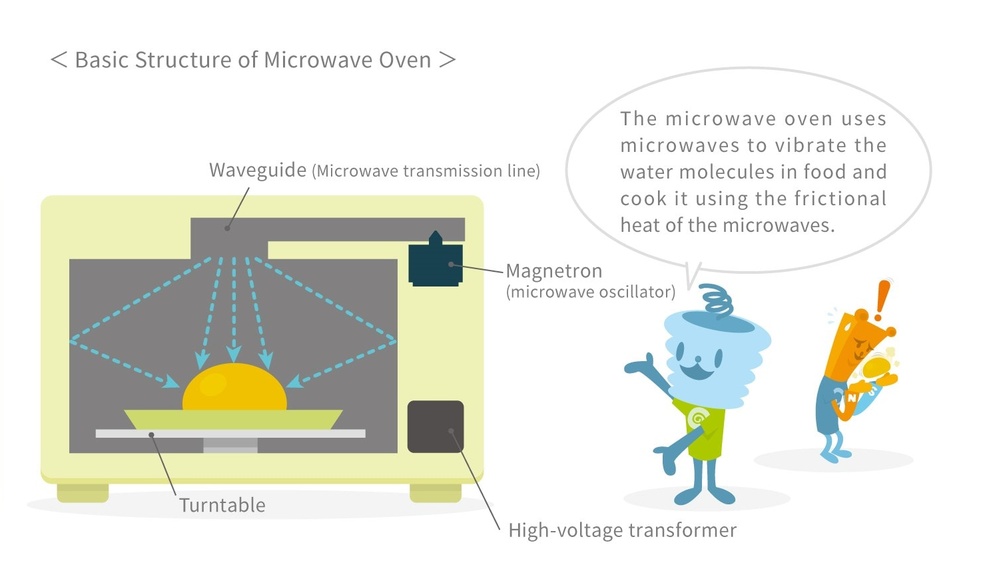
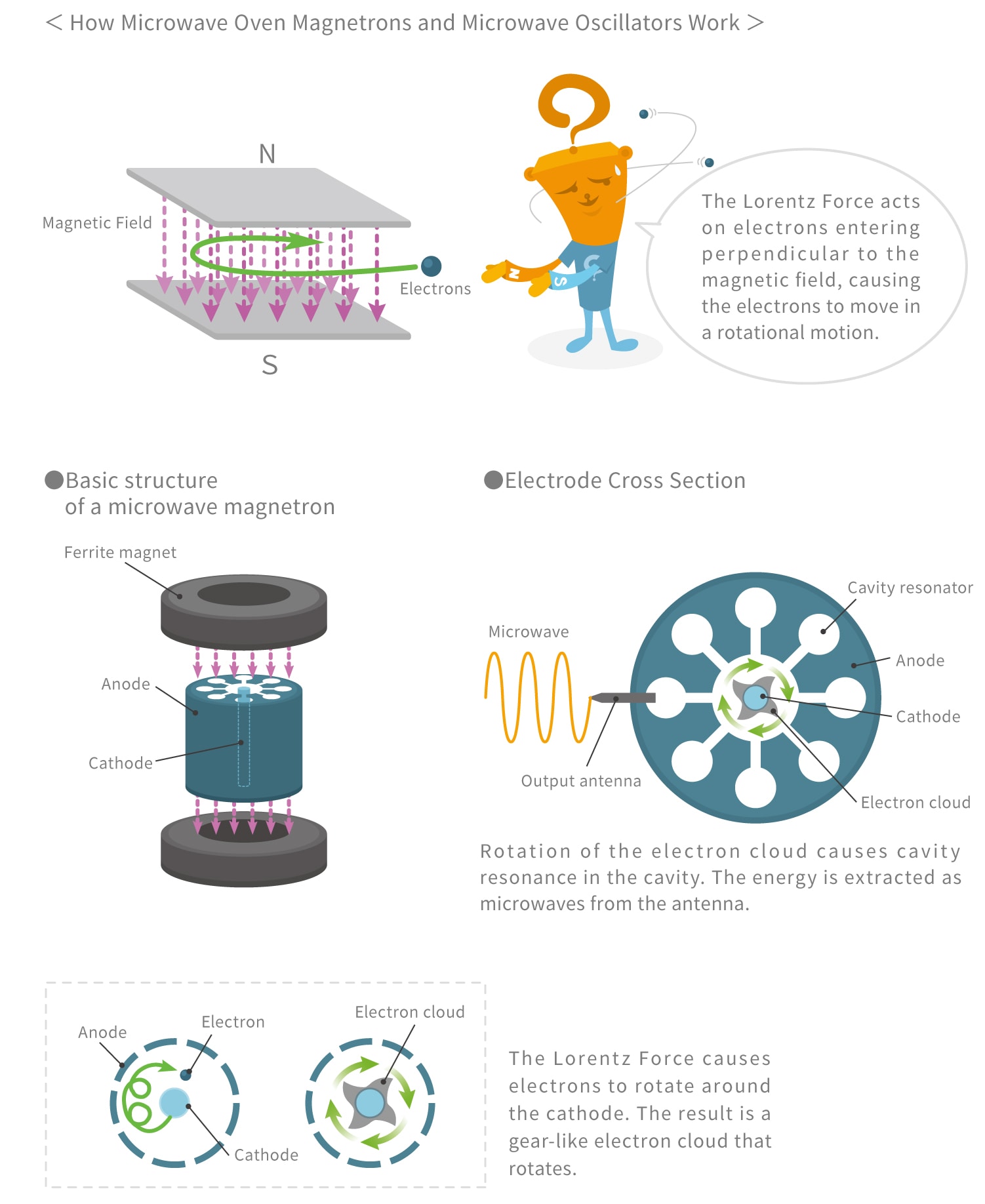
The magnetron is a type of vacuum tube. It changes electrical energy into microwaves. It works by sending electrons through a strong magnetic field. This device produces waves at a frequency of about 2.45 gigahertz. This frequency is perfect for heating water molecules in food. Without the magnetron, the oven could not create microwaves.
Electrons In Circular Motion
Inside the magnetron, electrons move in a circular path. A magnetic field forces the electrons to curve instead of going straight. This circular motion causes the electrons to speed up and slow down repeatedly. This movement creates oscillating electric fields. These fields generate the microwaves used for cooking.
Resonant Cavities
The magnetron has small spaces called resonant cavities. These cavities shape and control the microwave frequency. As electrons pass near the cavities, they excite electromagnetic waves inside them. The waves build up and leave the magnetron as strong microwaves. These waves then travel through a waveguide into the oven chamber.
Microwave Transmission
Microwave transmission is a key part of how microwave ovens heat food. Microwaves are a form of electromagnetic waves. These waves need a path and a space to move efficiently inside the oven. The design of the oven guides and controls the microwaves to heat food evenly and safely.
Waveguide Function
The waveguide is a metal tube inside the microwave oven. It directs microwaves from the magnetron to the cooking chamber. The waveguide ensures that microwaves travel straight without losing energy. This focused path helps the waves reach the food effectively. Without the waveguide, microwaves would scatter and weaken.
Metal Oven Interior
The oven interior is made of metal walls. These walls reflect microwaves instead of absorbing them. Reflection causes the microwaves to bounce around inside the oven. This bouncing spreads the microwave energy evenly across the food. It also prevents waves from escaping the cooking area. The metal interior plays a big role in efficient heating.
Microwave Containment
Microwave ovens are designed to keep microwaves inside. The door has a metal mesh with tiny holes. These holes are smaller than the microwaves’ wavelength. This size traps microwaves but lets you see inside. Seals around the door prevent microwaves from leaking. Containment protects users and keeps microwave energy focused on cooking.
Interaction With Food
Microwave ovens heat food through the interaction of microwaves with the food’s molecules. This interaction is key to understanding how microwaves cook food quickly and efficiently. The process involves the unique properties of water and other polar molecules in food. These molecules respond to the microwaves, producing heat that cooks the food.
Polar Molecules And Water
Water molecules have a positive and a negative side, making them polar. Microwaves create an electric field that changes direction rapidly. This causes water molecules to flip back and forth to align with the field. The constant movement generates energy inside the food.
Molecular Vibration And Heat
The rapid flipping of polar molecules creates friction between them. This friction produces heat inside the food. Instead of heating from the outside, microwaves heat food from the inside out. This vibration heats food faster than traditional ovens.
Penetration Depth And Conduction
Microwaves penetrate food only a few centimeters deep. The heat then spreads to the inner parts by conduction. This means heat moves from warmer to cooler areas inside the food. This process helps cook food evenly throughout, though dense items take longer.

Credit: www.explainthatstuff.com
Heating Patterns
Heating patterns inside a microwave oven explain why some parts of food become very hot, while others stay cooler. Microwaves create waves that reflect inside the oven cavity. These waves interact with the food unevenly. Understanding heating patterns helps explain how microwaves cook food.
Hot Spots And Cold Spots
Hot spots are areas where microwaves concentrate, heating food quickly. Cold spots receive less microwave energy, so food stays cooler there. This uneven energy distribution causes uneven cooking. The shape of the oven and food affects where these spots appear. Hot and cold spots are natural in microwave ovens.
Turntable Mechanism
The turntable rotates food slowly inside the microwave. This movement exposes all parts of the food to microwaves. Rotation helps reduce cold spots by moving food through hot spots. The turntable ensures better heat distribution. Without it, food cooks unevenly and some parts remain cold.
Even Cooking Techniques
To cook food evenly, place it in the center of the turntable. Use microwave-safe covers to trap steam and help heat spread. Stirring or rotating food by hand during cooking also helps. Small, flat pieces cook more evenly than large or thick ones. These techniques improve heating and prevent cold spots.
Dielectric Heating Explained
Dielectric heating is the core process that allows microwave ovens to heat food quickly and efficiently. It involves the interaction between microwaves and water molecules in the food. These molecules are polar, meaning they have a positive and a negative side. The microwaves create an alternating electrical field that causes these molecules to move. This movement produces heat inside the food, cooking it evenly and fast.
Electrical Field Effects
Microwaves generate an alternating electrical field inside the oven. This field changes direction billions of times per second. Water molecules try to align themselves with this changing field. Because the field reverses so fast, the molecules keep rotating back and forth. This constant rotation is key to the heating process.
Molecular Friction
As water molecules spin rapidly, they bump into each other and other molecules. This collision creates friction at the microscopic level. Friction causes the molecules to heat up. The more water in the food, the more friction and heat are produced. This is why moist foods heat faster in a microwave.
Heat Generation Process
The heat from molecular friction spreads through the food by conduction. This means heat moves from the hotter parts to cooler parts inside the food. The microwave heats food from the inside out, unlike traditional ovens that heat from the outside in. This method cooks food quickly and helps keep it juicy and tender.
Credit: www.tdk.com
Safety And Regulation
Microwave ovens use powerful electromagnetic waves to heat food quickly. These waves can be dangerous if not properly contained. Safety and regulation ensure microwaves stay inside the oven and do not harm users. Strict rules exist to protect consumers from radiation exposure. Understanding these rules helps users operate microwaves safely and confidently.
Microwave Containment Standards
Microwave ovens must keep radiation inside the cooking area. The oven’s metal walls and door act as barriers. The door has a metal mesh with tiny holes. These holes block microwaves but let you see inside. The oven must pass tests to ensure no microwaves leak out. If leakage exceeds safe limits, the oven cannot be sold. These standards protect people from radiation exposure.
Fda Guidelines
The U.S. Food and Drug Administration (FDA) regulates microwave ovens. They set limits on microwave radiation leakage. The FDA requires manufacturers to test ovens before sale. Ovens must meet safety criteria and proper labeling rules. The FDA also monitors recalled ovens that may pose risks. They provide guidance on safe use and maintenance. Following FDA rules helps reduce health risks from microwaves.
User Safety Tips
Always use your microwave with the door fully closed. Do not use the oven if the door is bent or damaged. Avoid placing metal objects inside the microwave. Metal can cause sparks and damage the oven. Clean the door seals regularly to keep them tight. Do not operate the microwave if you suspect leaks. Keep children supervised when using the oven. These simple steps keep you safe while heating food.
Innovations And Challenges
Microwave ovens have changed kitchen routines worldwide. Still, they face some challenges that engineers continuously try to solve. New innovations help improve cooking quality and efficiency.
These advances rely on physics principles to tackle uneven heating and explore new uses. Understanding these helps explain how microwave ovens work and evolve.
Cold Spot Solutions
Cold spots happen when microwaves do not reach all food parts evenly. This causes some areas to stay cool while others get hot. Engineers design turntables and mode stirrers to move food and waves.
These tools mix microwave energy inside the oven cavity. This creates more uniform heat distribution. New materials and oven shapes also help reduce cold spots.
Thermal Imaging Applications
Thermal imaging shows how heat spreads inside food during cooking. It uses infrared cameras to detect temperature differences. This technology helps scientists see cold and hot zones clearly.
Thermal images guide improvements in oven design and cooking methods. They help create microwaves that heat food more evenly and quickly.
Microwave-assisted Synthesis
Microwaves are useful beyond cooking. Scientists use them in chemical synthesis to speed up reactions. Microwave-assisted synthesis heats chemicals rapidly and uniformly.
This method saves time and energy in labs and industries. Understanding microwave heating physics allows better control of these processes.
Frequently Asked Questions
How Do Microwaves Work In Physics Simple?
Microwaves use electromagnetic waves to make water molecules in food vibrate rapidly. This vibration creates friction, producing heat that cooks the food evenly from inside.
How Does A Microwave Oven Work Step By Step?
A magnetron generates microwaves that bounce inside the oven’s metal cavity. These waves make water molecules in food vibrate rapidly, creating heat through friction. A turntable rotates the food for even cooking by exposing all parts to microwave energy.
What Is The Science Behind A Microwave Oven?
A microwave oven uses a magnetron to emit microwaves that excite water molecules in food. This causes rapid vibration, producing heat through friction, which cooks the food evenly. The oven’s metal interior reflects microwaves, and a turntable rotates the food to avoid cold spots.
Conclusion
Microwave ovens heat food using microwave radiation. This radiation makes water molecules in the food vibrate. The vibrations create heat through friction, cooking the food quickly. A metal box inside the oven reflects microwaves to keep them inside. A turntable rotates the food for even heating.
This simple yet effective process saves time in the kitchen. Understanding these physics basics helps appreciate how microwaves work. Cooking becomes easier when you know the science behind it.