How Do Microwave Ovens Work: Unveiling the Science Behind Heating
Have you ever wondered what really happens inside your microwave oven when you press that start button? It seems almost like magic—seconds later, your cold leftovers turn steaming hot.
But behind this everyday convenience lies a fascinating process driven by science. Understanding how microwave ovens work not only satisfies your curiosity but also helps you use them safely and effectively. You’ll discover the surprising way microwaves cook your food, why some parts heat faster than others, and key tips to get the best results every time.
Ready to unlock the secrets inside your microwave? Let’s dive in.
Credit: www.businessinsider.com
Microwave Generation
Microwave generation is the heart of how a microwave oven cooks food quickly. Inside the oven, a special device produces microwaves. These microwaves carry energy that heats the food. Understanding this process reveals why microwaves heat food differently than regular ovens.
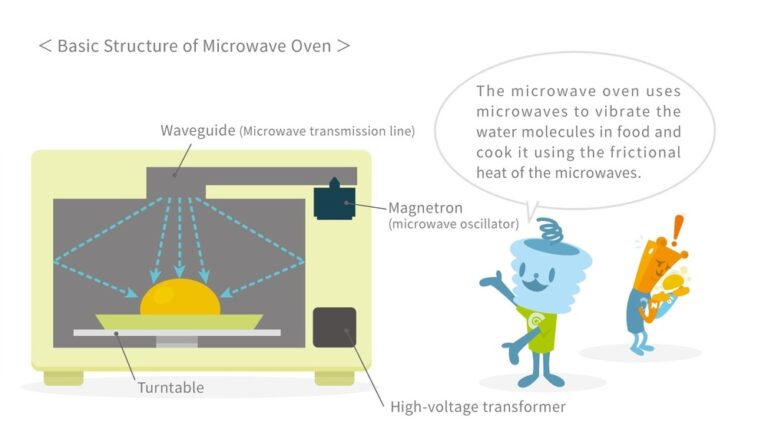
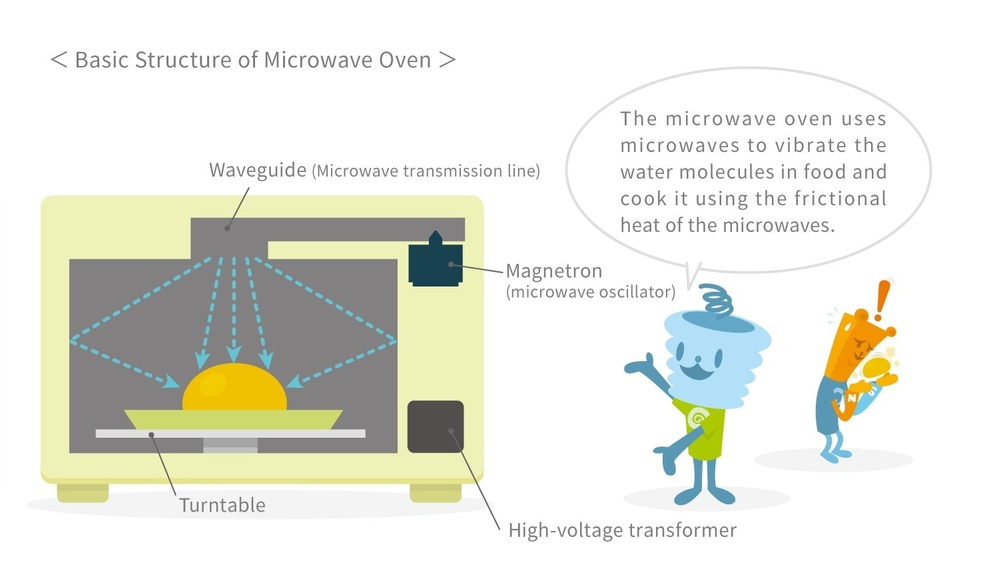
The device responsible for creating microwaves is called a magnetron. It converts electrical energy into microwave radiation. These waves then bounce around inside the oven cavity. The waves reach the food from all sides, causing it to heat evenly.
Role Of The Magnetron
The magnetron is a key component in microwave ovens. It works by using high voltage to excite electrons. These electrons interact with a magnetic field inside the magnetron. This interaction produces microwave radiation at a frequency of about 2.45 gigahertz.
Microwaves generated by the magnetron have just the right energy to excite water molecules. This makes the food heat up quickly. The magnetron’s design allows it to generate powerful microwaves efficiently. Without the magnetron, no microwaves would be produced to cook food.
Electromagnetic Waves Explained
Microwaves belong to the electromagnetic spectrum. They are waves of electric and magnetic fields moving together. Their wavelength is shorter than radio waves but longer than infrared waves. This unique wavelength allows them to penetrate food and excite water molecules.
When microwaves enter food, water molecules start to vibrate rapidly. This vibration creates friction, which produces heat. The heat cooks the food from inside out. Unlike heat from fire, microwaves heat food without warming the container much.
Wave Reflection Inside Oven
Microwave ovens heat food in unique ways compared to traditional ovens. Understanding heating patterns helps explain why some parts of food get hotter faster. Microwaves target water molecules in food, making them vibrate and produce heat. This heat starts at the food’s surface and moves inward. Different foods and shapes affect how heat spreads. Knowing these patterns can improve cooking results and reduce cold spots.
Outer Layer Heating
The microwave energy penetrates the food’s outer layer first. Water molecules near the surface absorb the waves and start vibrating. This vibration creates heat quickly in the outer layer. The surface heats before the inside. Thicker or denser foods take longer to heat inside. Uneven heating can happen if the outer layer heats too fast.
Heat Conduction To Center
Heat moves from the hot outer layer toward the cooler center. This movement is called conduction. It happens slowly because heat transfers molecule by molecule. The center heats last and takes the most time. Dense foods like meat need longer cooking to heat through conduction. This process explains why some food parts stay cold after microwaving.
Turntable Role For Even Cooking
The turntable spins food inside the microwave. This movement exposes all parts of food to microwaves evenly. Without spinning, some areas get more energy and heat unevenly. The turntable helps reduce cold spots and hot spots. It makes cooking more uniform and improves food quality. Using the turntable is key for better results in microwave cooking.
Molecular Vibration Process
Microwave ovens often face many myths and misunderstandings. These myths can make people worry about their safety or effectiveness. Clearing up these common myths helps us appreciate how microwaves truly work. Let’s explore two popular myths and the facts behind them.
No Radioactivity Created
Many believe microwaves make food radioactive. This is false. Microwaves use non-ionizing radiation, which cannot change atoms or molecules. The waves only make water molecules in food move fast. This movement creates heat that cooks the food. There is no leftover radiation after cooking. Microwaves do not make food or the oven radioactive in any way.
Cooking From Outside In
Some say microwaves cook food only from the outside in. This is not exactly true. Microwaves heat water molecules throughout the food. The waves penetrate a few centimeters inside, heating the inside as well. The heat then spreads by conduction to the food’s center. This is why stirring or rotating food in the microwave helps cook it evenly. Microwaves do not just heat the surface but work inside too.
Heat Production Mechanics
Microwave ovens make cooking fast and easy. Safety is important to avoid accidents and damage. Follow simple tips to protect yourself and your appliance.
Avoiding Metal Objects
Never put metal objects inside the microwave. Metal can cause sparks and fire. This includes aluminum foil, utensils, and containers with metal parts. Use only microwave-safe items to keep the oven safe.
Using Microwave-safe Plastics
Choose plastics labeled microwave-safe. Some plastics release harmful chemicals when heated. Avoid old or damaged plastic containers. Use glass or ceramic dishes as a safer choice. This keeps your food healthy and the microwave working well.
Heating Patterns In Food
Microwave ovens offer many benefits but also come with some drawbacks. Understanding both sides helps you use them better. They speed up cooking but can cause uneven heating. Some foods may taste different compared to traditional cooking methods.
Speed And Efficiency
Microwaves cook food much faster than regular ovens. The waves heat water molecules inside food quickly. This reduces cooking time and saves energy. You can reheat leftovers or cook simple meals in minutes. This efficiency makes microwaves ideal for busy lifestyles.
Uneven Heating Challenges
Microwaves sometimes heat food unevenly. Hot spots and cold spots can form in the dish. Stirring or rotating food helps spread the heat more evenly. Dense or thick foods may require longer cooking times. Uneven heating can cause some parts to stay cold or undercooked.
Texture And Flavor Differences
Microwave cooking changes food texture and flavor. It does not brown or crisp food like ovens do. Foods can become soggy or rubbery after microwaving. Some flavors may be less intense or altered. Traditional cooking methods often create better taste and texture.
Credit: www.businessinsider.com
Frequently Asked Questions
What Are The Disadvantages Of A Microwave Oven?
Microwave ovens may cause uneven heating and texture changes. They don’t brown or crisp food well. Using non-safe plastics risks health. Some foods cook unevenly without stirring. They have limited cooking versatility compared to traditional ovens.
How Do Microwave Ovens Work Scientifically?
Microwave ovens use a magnetron to generate microwaves, which make water molecules in food vibrate rapidly. This vibration creates heat through friction, cooking the food. The metal interior reflects microwaves for even exposure, while heat spreads from the outer layers to the inside by conduction.
How Does A Microwave Oven Heat The Food?
A microwave oven uses electromagnetic waves to make water molecules in food vibrate rapidly. This vibration produces heat through friction, cooking the food quickly and evenly. The oven’s metal walls reflect microwaves, ensuring thorough heating by penetrating and warming the food’s outer layers first.
Conclusion
Microwave ovens use waves to heat food quickly and evenly. The waves make water molecules inside food move fast. This movement creates heat that cooks the food from inside out. The metal walls inside the oven help spread these waves around the food.
This process saves time compared to regular ovens. Understanding how microwaves work helps you use them better. It also explains why some foods heat unevenly. Simple and fast heating makes microwaves very useful in daily life.