Why Are Microwaves So Loud? Uncovering the Surprising Reasons
Why Are Microwaves So Loud?
Most people love the convenience of the microwave. In a few seconds, it heats leftovers or pops popcorn. But have you ever stood in your kitchen, wondering, “Why is my microwave so loud? ” For many, that humming, buzzing, and whirring sound is impossible to ignore.
Some microwaves sound like a small jet engine, especially when compared to other kitchen appliances. This article takes a close look at what causes the noise, why some microwaves are louder than others, and what you can do if your microwave is too loud.
Let’s uncover the science behind those familiar kitchen sounds.
How A Microwave Works
Before diving into noise, it helps to understand how a microwave oven functions. A microwave heats food using electromagnetic waves. These waves cause water molecules in your food to vibrate, creating heat.
The main parts inside a microwave are:
- Magnetron: Generates microwaves.
- Cooling fan: Keeps the magnetron from overheating.
- Turntable motor: Rotates your food for even heating.
- High-voltage transformer: Supplies power to the magnetron.
Each part does its job with the help of electricity and moving mechanical parts. When these parts work together, they create the sounds you hear.
Main Sources Of Microwave Noise
Not all noise is the same. Different sounds come from different parts. Here are the main sources:
1. Magnetron
The magnetron is the heart of the microwave. It’s a metal device that turns electricity into microwaves. As it works, it produces a low, constant hum or buzz. This is normal, but a failing magnetron can get much louder and produce a rattling or harsh buzzing sound.
2. Cooling Fan
The cooling fan moves air over the magnetron to keep it cool. Fans are almost always spinning when the microwave runs. Like most fans, they can develop problems over time, such as:
- Dust and debris build-up
- Worn-out bearings
- Loose blades
If you hear a whirring or vibrating sound, the fan is likely the cause.
3. Turntable Motor
The turntable motor spins the glass tray. This helps food cook evenly. The motor itself makes a soft humming sound, but if it becomes worn or misaligned, the sound grows louder or uneven.
4. Drive Coupler And Roller Guide
The drive coupler connects the motor to the glass tray. The roller guide helps the tray spin smoothly. If either part is damaged or food gets stuck underneath, you may hear thumping, grinding, or popping noises.
5. High-voltage Transformer
The high-voltage transformer provides the magnetron with power. It can create a strong buzzing sound, especially when the microwave is working at maximum power.
6. Vibrations In The Cabinet
Microwave ovens have metal cabinets. The vibrations from motors and fans can make the whole body rattle, especially if screws are loose or the microwave sits unevenly on the counter.

Credit: www.youtube.com
Why Do Some Microwaves Sound Louder?
Microwave noise can vary a lot. Several factors explain why some models are louder than others.
Power Rating
Higher wattage usually means a more powerful magnetron and transformer. These larger parts tend to be louder. For example, a 1200-watt microwave will usually hum more than a 700-watt model.
Size And Build Quality
- Smaller microwaves often have less insulation and thinner walls, so more sound escapes.
- Cheaper models may use lower-quality parts or simpler fans, increasing noise.
Age And Wear
As a microwave ages, parts like fans and motors wear out. Worn bearings or dried grease can make even quiet models become noisy over time.
Installation And Placement
A microwave sitting unevenly can vibrate more. Placing it on a soft mat or leveling the feet can reduce sound. Built-in microwaves may sound quieter because cabinets absorb vibrations.
Design Differences
Some brands focus on quiet operation, using better insulation and quieter fans. Others prioritize cost or power, not sound.
Here’s a quick comparison of typical noise levels (in decibels) for different types of microwaves:
| Microwave Type | Typical Noise Level (dB) | Comments |
|---|---|---|
| Countertop (Low Power) | 50-55 dB | Quieter, less power |
| Countertop (High Power) | 55-65 dB | More powerful, louder hum |
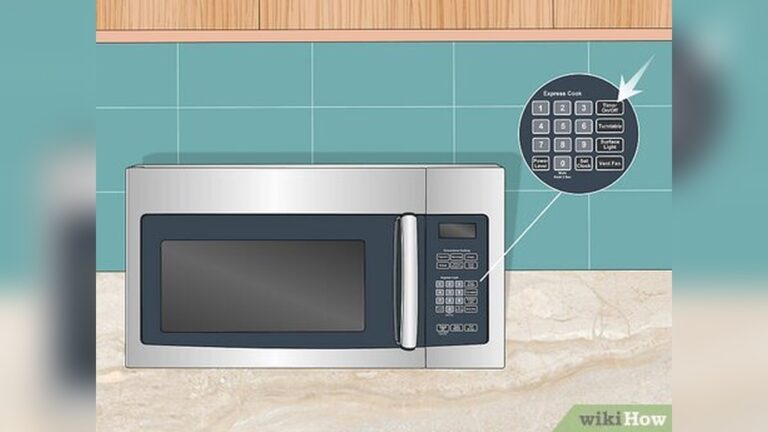
| Over-the-Range | 60-70 dB | Includes vent fan, often louder |
| Built-In | 50-60 dB | Cabinet absorbs sound |
Common Microwave Noises Explained
Microwaves can make several different sounds. Here’s what they usually mean.
Humming Or Buzzing
A steady hum is normal. It’s the sound of the magnetron and transformer. If the hum gets louder or changes, it could mean a part is failing.
Rattling
Rattling often comes from loose screws, a vibrating cabinet, or a turntable with something stuck underneath.
Grinding Or Scraping
This sound usually comes from the turntable motor, drive coupler, or roller guide. Food debris or a worn part is often the cause.
Thumping Or Popping
If you hear thumping, check if the glass tray is sitting properly. Popping noises can happen if food with a hard shell (like eggs) is cooked.
Fan Noise
A loud fan can mean dust build-up or a worn-out bearing. Sometimes the fan is just louder on certain models.
Are Loud Microwaves Dangerous?
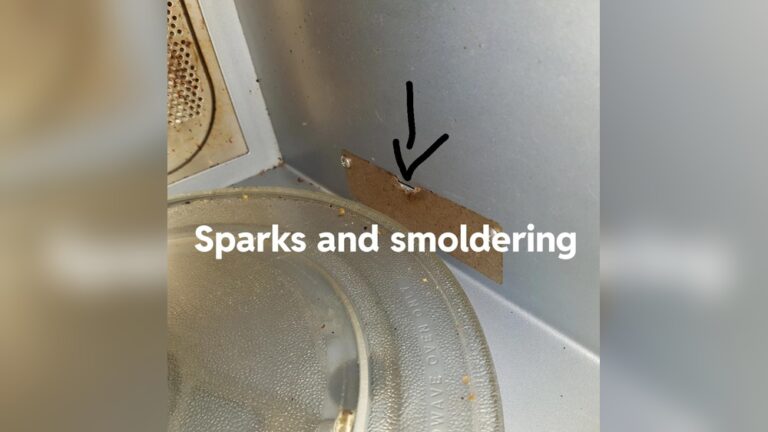
Most of the time, a noisy microwave is not dangerous. But a sudden change in sound—like a loud buzzing, grinding, or sparking—can mean something is wrong. Here are times when you should be concerned:
- The microwave smells like burning or smoke.
- You see sparks or flames inside.
- The noise is much louder than usual and started suddenly.
If you notice these warning signs, unplug the microwave and have it checked by a professional.
Can You Make A Microwave Quieter?
There are some steps you can take to reduce microwave noise.
- Clean the turntable and roller guide regularly. Food bits can cause grinding and scraping.
- Check for loose parts. Tighten any screws or bolts you find on the cabinet or inside.
- Level the microwave. Make sure it sits flat on the counter.
- Use a microwave mat. A soft mat under the microwave absorbs vibrations.
- Clean the fan. Dust and debris make fans work harder and get louder.
- Replace worn parts. Fans and motors can often be replaced at a reasonable cost.
If your microwave is old and very loud, it may be time to buy a new one. Many new models are designed to run more quietly.

Credit: www.reddit.com
What Makes Microwaves Louder Than Other Appliances?
You may notice that even a blender or toaster is quieter when it runs. Why is that? The main reasons:
- Microwaves use high-voltage parts. The magnetron and transformer work at high power, which naturally creates more vibration and humming.
- Constant air movement. The cooling fan must run the entire time to keep the magnetron cool.
- Rotating parts. The turntable and its motor add extra mechanical sound.
- Less insulation. Many microwaves have thin metal walls that let sound escape, while ovens and fridges have thick insulation.
Here’s a quick comparison of noise levels among common kitchen appliances:
| Appliance | Typical Noise Level (dB) | Notes |
|---|---|---|
| Microwave Oven | 50-70 dB | Continuous hum and fan noise |
| Blender | 80-90 dB | Louder, but only runs for a few seconds |
| Toaster | 40-50 dB | Almost silent except for popping |
| Refrigerator | 40-50 dB | Runs quietly, occasional hum |
This shows microwaves are not the loudest, but their sound lasts longer and is more constant.
Two Insights Most People Miss
Many assume all microwave noise is normal, but two points are often missed:
- Sudden changes in sound are a warning. If your microwave grows louder, the pitch changes, or it makes new noises, don’t ignore it. It can signal a part is failing, and fixing it early can be safer and cheaper.
- Placement matters more than you think. Simply moving your microwave to a sturdier counter, or adding a rubber mat underneath, can reduce noise by 10-20%. Many people blame the microwave when the real issue is how it’s sitting.
When Should You Replace A Loud Microwave?
Sometimes, noise means your microwave is wearing out. Here are some signs it’s time for a new one:
- The microwave is more than 10 years old.
- The noise is harsh and started recently.
- You see sparks or burning smells.
- Repairs cost more than half the price of a new unit.
Newer microwaves are often designed for quieter operation, using better insulation and improved fan technology. If quiet is a priority, look for models advertised as “quiet operation” or “inverter technology. ”
Does Microwave Noise Affect Food Safety?
The noise your microwave makes does not affect how well it cooks food. A louder microwave does not heat food faster or slower. The sounds are just a side effect of the mechanical and electrical parts working. If you hear odd noises, however, check that the turntable spins and the food heats evenly. Uneven cooking or a stuck tray can sometimes signal a problem.
Is It Safe To Try Fixing A Microwave?
Microwaves contain high-voltage parts even when unplugged. If you’re not trained, don’t try to repair the magnetron, transformer, or high-voltage wiring. It’s safe to clean the turntable, rollers, and fan grills. For anything more, call a professional or replace the unit.
For more on microwave safety and function, see this in-depth guide from Wikipedia.
How To Choose A Quieter Microwave
If you want a quieter kitchen, here are some tips:
- Check user reviews for comments on noise.
- Choose inverter technology models. They often have quieter fans and more stable power.
- Look for added insulation in product specs.
- Pick a built-in model if possible; cabinets absorb sound.
Here’s a quick comparison of features that affect noise levels:
| Feature | Effect on Noise | Common in |
|---|---|---|
| Inverter Technology | Reduces fan and transformer noise | Mid-to-high end models |
| Extra Insulation | Absorbs sound, makes operation quieter | Premium models |
| Built-In Installation | Cabinets dampen vibration | Built-in microwaves |
| Basic Countertop | Usually louder | Entry-level models |
A little research before you buy can save you years of kitchen noise.

Credit: www.youtube.com
Final Thoughts
Microwave noise is a normal part of kitchen life, but it shouldn’t be overwhelming. Understanding the source of the sounds helps you know what’s normal and when to be concerned. Regular cleaning and maintenance can keep your microwave running quietly for years.
And if noise is a big problem, today’s market offers many quieter choices. Your kitchen can be both quick and peaceful.
Frequently Asked Questions
Why Does My Microwave Make A Loud Buzzing Noise?
A loud buzzing usually comes from the magnetron or transformer. If the noise is much louder than before or sounds harsh, it could mean a part is failing. Stop using the microwave and get it checked if the noise is very sudden or comes with burning smells.
Is It Safe To Use A Noisy Microwave?
Most noises are not dangerous if the microwave still works and there are no sparks or burning smells. But sudden new noises or changes in sound should be checked by a professional.
Can I Make My Microwave Quieter At Home?
Yes, you can reduce noise by cleaning the turntable and fan, tightening loose screws, and placing a rubber mat under the microwave. If the noise is from worn-out parts, replacing them may help.
Why Are Built-in Microwaves Quieter?
Built-in microwaves are installed inside cabinets, which absorb and dampen vibrations and sound. They also often use higher-quality insulation and quieter fans.
Does A Louder Microwave Mean It Cooks Better?
No, cooking ability depends on power (wattage), not noise. Loudness is a side effect of the parts working—not a sign of better or faster cooking.