Why is a Microwave Called a Microwave? Uncovering the Origin
Have you ever wondered why your kitchen appliance is called a microwave? The name seems simple, but the story behind it is surprisingly rich. The term “microwave” did not just appear out of nowhere—it connects science, technology, and history. Today, millions of people use microwaves every day, but few know where the word really comes from or what it means. Let’s explore the origins, science, and naming of the microwave oven, and discover why it’s called a microwave.
The Meaning Behind “microwave”
The word microwave is actually a combination of two words: “micro” and “wave.”
- Micro means “small.”
- Wave refers to a type of energy that travels through space as a wave.
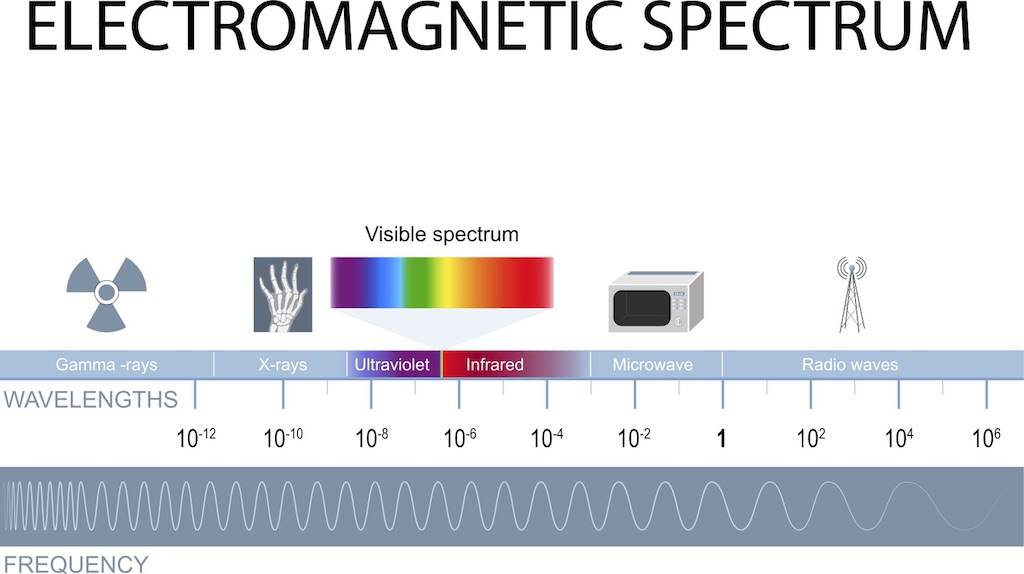
So, “microwave” means “small wave.” In science, these microwaves are a type of electromagnetic wave. They are smaller than radio waves but larger than infrared waves. This is not a random name—it reflects the technology inside the appliance.
How Microwaves Work
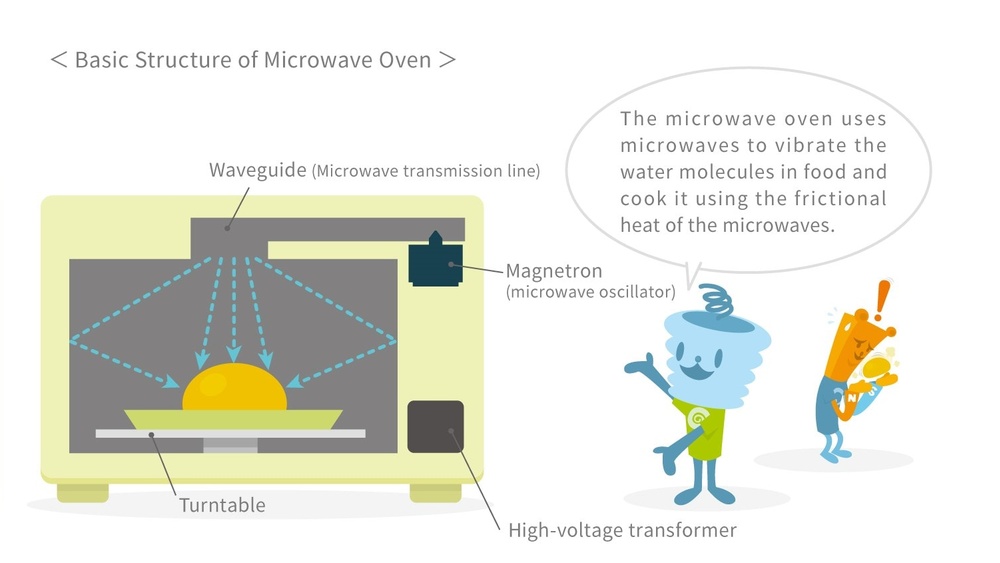
Microwaves ovens use microwave radiation to heat food. These waves are about 12 centimeters long. They are much smaller than the waves used for radio but bigger than light waves. When these waves hit water, fat, or sugar molecules in food, they make the molecules move faster. This movement creates heat and cooks the food.
Why “micro”?
Scientists use the word “micro” to describe things that are very small. The microwaves used in ovens are much smaller than traditional radio waves. That’s why they chose “micro”—to show that these waves are smaller than others used for communication.
The History Of The Microwave Oven
The story of the microwave oven started with a surprising discovery. In 1945, Percy Spencer, an engineer at Raytheon, was working with radar equipment. He noticed something strange: a chocolate bar in his pocket melted while he was near a magnetron (a device that produces microwaves).
Spencer realized that microwaves could cook food. He tested this idea with popcorn kernels and eggs. The first microwave oven was called the “Radarange,” launched in 1947. It was huge—almost as big as a refrigerator—and expensive. Over time, the design improved and became smaller, safer, and cheaper.
Naming The Appliance
The first commercial models were called “Radarange” because they used radar technology. But as the technology spread, people started calling them “microwave ovens” because of the waves they used. The name became popular because it explained how the oven worked.
The Science Of Microwaves
Microwaves are part of the electromagnetic spectrum. This spectrum includes all types of waves, from radio waves to gamma rays.
| Type of Wave | Wavelength Range | Uses |
|---|---|---|
| Radio Waves | 1 mm – 100 km | Broadcasts, Communication |
| Microwaves | 1 mm – 30 cm | Cooking, Radar |
| Infrared | 700 nm – 1 mm | Remote Controls, Heating |
The microwaves used in ovens have a frequency of about 2.45 GHz. This frequency is ideal for heating water molecules. That’s why food heats up quickly in a microwave oven.
Why Not Another Name?
You might wonder why the microwave was not called something else, like “wave cooker” or “radiation oven.” There are a few reasons:
- Scientific Accuracy: The waves used are called microwaves in physics. The name directly connects the appliance to the science.
- Safety Concerns: “Radiation oven” sounds scary. “Microwave” is more neutral and less frightening.
- Marketing: The name “microwave oven” was easy to remember and explained what the appliance did.
Credit: www.livescience.com
Microwave Vs. Other Cooking Methods
Microwaves cook food in a unique way. Let’s compare them to other common methods.
| Cooking Method | Heat Source | Speed | Energy Efficiency |
|---|---|---|---|
| Microwave Oven | Microwaves | Very Fast | High |
| Conventional Oven | Electric/Gas Heat | Slow | Medium |
| Stovetop | Direct Heat | Medium | Medium |
Microwaves heat food from the inside out. Traditional ovens heat from the outside in. This is why microwaves cook faster and use less energy.
The Role Of The Magnetron
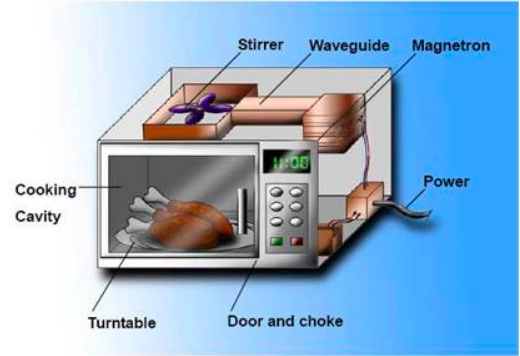
The magnetron is the heart of the microwave oven. It produces the microwaves that cook your food. Without the magnetron, a microwave oven would not work.
How The Magnetron Works
- Electricity enters the magnetron.
- The magnetron changes the electricity into microwaves.
- These waves travel into the cooking chamber.
- The waves bounce around and heat the food.
The magnetron was first used in radar technology during World War II. Later, engineers found it could be used for cooking.
How The Name Changed Over Time
At first, only scientists and engineers used the term “microwave. ” When the appliance became popular, the name “microwave oven” spread to homes and shops. Today, most people just say “microwave. ” The word is now used for both the appliance and the waves it uses.
Microwave As A Common Word
Language changes over time. In the 1950s, “microwave” was a technical term. By the 1980s, it was a household name. This change shows how technology can influence language.
Misconceptions About Microwaves
Many people worry about microwave radiation. They think it is dangerous. In fact, microwaves are safe when used correctly.
- Microwave ovens only use non-ionizing radiation.
- The waves do not make food radioactive.
- The oven is designed to keep the waves inside.
Some people believe microwaves remove nutrients from food. Studies show that microwaves preserve nutrients better than boiling. The cooking time is shorter, so vitamins stay intact.

Credit: flexbooks.ck12.org
Fun Facts About Microwaves
- The first microwave oven cost about $5,000.
- Early models were used in restaurants, not homes.
- Today, over 90% of American households have a microwave.
- Microwaves can cook popcorn in less than two minutes.
- The world’s smallest microwave is about the size of a lunchbox.
Global Names For Microwave Ovens
Different languages have different names for microwave ovens. Let’s look at a few examples.
| Language | Word for Microwave Oven |
|---|---|
| English | Microwave |
| Spanish | Microondas |
| French | Micro-onde |
| German | Mikrowelle |
| Japanese | Denshi renji |
Most languages use the word “micro” and “wave. ” This shows the scientific roots of the name.
Two Insights Most People Miss
- Microwaves are not just for cooking. They are used in radar, communications, and even medical treatments. The name connects many fields, not just kitchens.
- The microwave oven’s name was chosen to make the technology sound safe and modern. Early marketing was careful not to scare buyers with words like “radiation” or “radar.”
Real-world Example
Microwave ovens are now found in almost every home. They save time, energy, and money. For example, reheating leftovers takes only a few minutes in a microwave, compared to 15–20 minutes in a conventional oven.
Credit: technofaq.org
How To Use A Microwave Safely
Using a microwave is easy, but there are safety tips you should remember:
- Use only microwave-safe containers. Metal objects can cause sparks.
- Do not operate a microwave with the door open.
- Avoid heating sealed containers—they can explode.
- Stir liquids before drinking—they can become superheated.
These tips help you use your microwave safely and keep your food tasting good.
Microwave Technology In Modern Life
Microwave ovens are not the only devices using microwaves. Smartphones, Wi-Fi routers, and weather radar also use microwave technology. The name “microwave” is now part of many devices and industries.
For more scientific detail on electromagnetic waves, you can check Wikipedia.
Frequently Asked Questions
Why Is It Called A Microwave?
It is called a microwave because the oven uses small electromagnetic waves, called microwaves, to cook food. The name combines “micro” (small) and “wave” (energy wave).
Are Microwaves Dangerous?
Microwave ovens are safe when used correctly. They use non-ionizing radiation, which does not make food radioactive. The design keeps waves inside the oven.
Who Invented The Microwave Oven?
Percy Spencer, an engineer at Raytheon, invented the first microwave oven in 1945 after discovering that microwaves could heat food.
Do Microwaves Destroy Nutrients In Food?
Microwaves actually preserve nutrients better than some other methods, like boiling. Shorter cooking times help keep vitamins and minerals in food.
Can I Use Any Container In A Microwave?
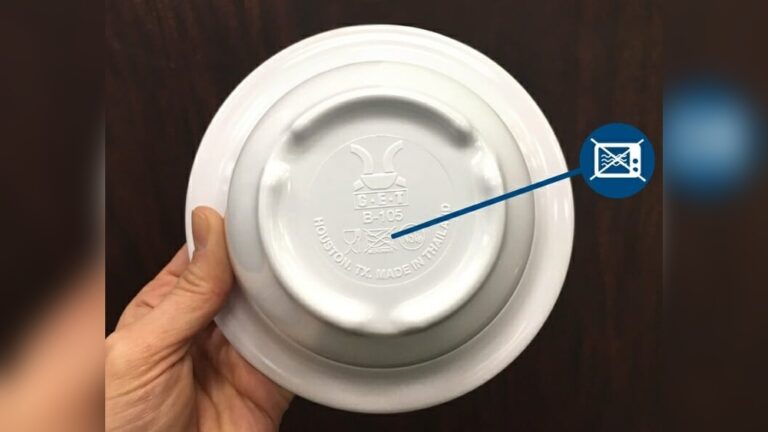
No, you should use only microwave-safe containers. Metal and some plastics are not safe. Look for containers with a microwave symbol.
Microwaves have changed the way we cook, eat, and live. The name “microwave” is more than just a word—it tells the story of science, invention, and everyday life. The next time you use your microwave oven, you’ll know exactly why it’s called a microwave.