Why Would My Microwave Stop Heating? Top Causes and Fixes
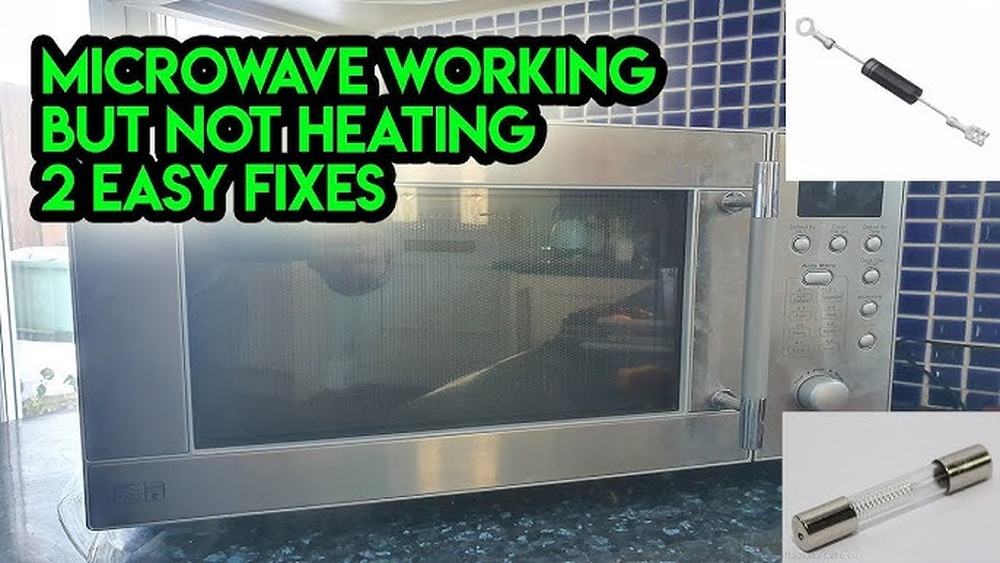
Many people rely on their microwave every day. You expect it to heat leftovers, make popcorn, or warm a cup of coffee quickly. So, when your microwave turns on but your food stays cold, it’s frustrating. You may wonder, “Why would my microwave stop heating?
” This problem can have several causes, from simple to complex. Some issues are easy to fix, while others may need a professional. Understanding why your microwave isn’t heating helps you decide what to do next, whether it’s a quick reset, a repair, or getting a new one.
This article explains the most common reasons why a microwave stops heating. You’ll learn about possible failures, signs to look for, and what you can try at home. We’ll also cover safety tips and when it’s best to call an expert.
By the end, you’ll have a clear idea of what might be wrong and what steps to take.
How Does A Microwave Heat Food?
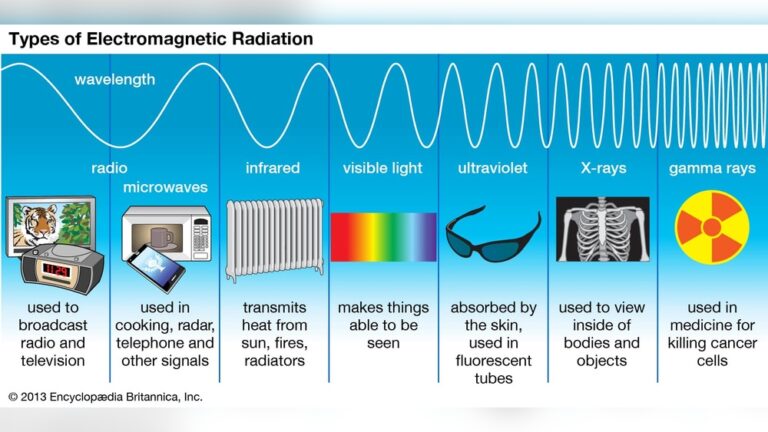
Before looking at problems, it helps to know how a microwave works. A microwave oven uses a part called a magnetron to create microwaves. These waves bounce around inside and make water molecules in the food move very fast. This movement creates heat, so the food warms up from the inside.
If any part of this process fails, your microwave may run but won’t actually heat. Several key parts must work together:
- Control panel: Starts and stops the cooking cycle.
- Door switch: Tells the microwave it’s closed and safe to run.
- High-voltage parts: Create and control the microwaves.
- Turntable: Rotates food for even heating.
If one part fails, the whole system can break down.
Common Reasons Why Microwaves Stop Heating
Many problems can cause a microwave to stop heating, even if the light turns on and the turntable spins. Here are the main causes:
1. Faulty Magnetron
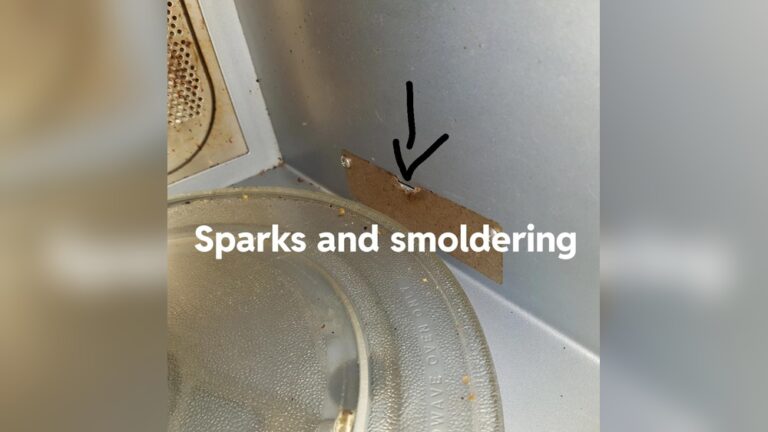
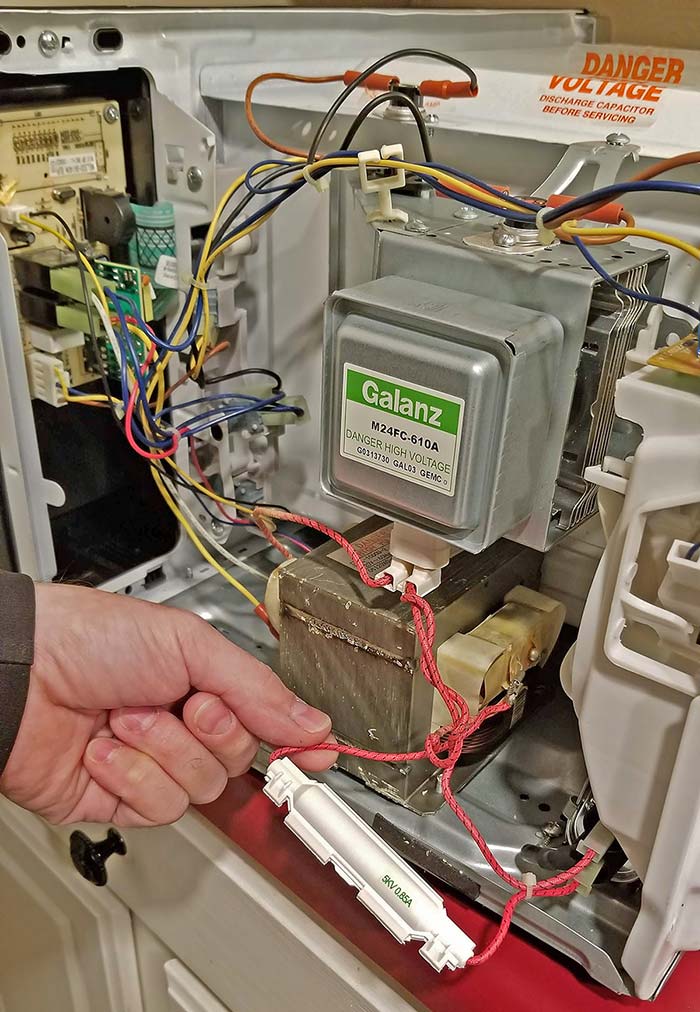
The magnetron is the core part that generates microwaves. If it fails, your food will not heat up at all. This part can wear out over time or break if the microwave is run empty (with no food inside). Signs of a bad magnetron include a humming noise, sparking, or the microwave running but not heating.
2. Broken Door Switch
Microwaves have several door switches for safety. These switches make sure the door is closed. If one is broken, the microwave may not start heating or might run with no power going to the magnetron. Sometimes the microwave light and fan will work, but the food stays cold.
3. Burned-out High Voltage Diode
The high voltage diode turns AC power into the DC power needed for the magnetron. If this diode fails, the magnetron won’t get the right power and can’t make microwaves. A burnt diode often causes a burning smell or a loud buzz when you try to use the oven.
4. Defective Capacitor
The capacitor stores and releases electricity quickly to help power the magnetron. If the capacitor fails, the microwave can’t produce enough energy to heat food. You may hear a clicking noise or notice the microwave won’t start at all.
5. Malfunctioning Transformer
The transformer increases the voltage for the magnetron. If it fails, your microwave may not heat. Transformers can break from power surges or age. This part is dangerous to test and repair because it holds very high voltage.
6. Faulty Control Board
The control board is like the microwave’s brain. If it’s damaged, it may not send the right signals to heat the food, even if other parts are fine. Symptoms include the microwave turning on but not heating, odd error codes, or buttons not working.
7. Blown Internal Fuse
Most microwaves have one or more fuses to protect against surges. If a fuse blows, the microwave might not work at all, or only some parts (like the light or fan) might still run. Replacing a fuse can sometimes fix the issue, but a blown fuse often means there’s a deeper problem.
8. Faulty Thermal Protector
The thermal protector or thermostat stops the microwave from overheating. If this part fails, the microwave may shut down the heating function as a safety measure. It’s a common cause if your microwave suddenly stops heating after long use.
9. Bad Door Latch
The door latch is different from the switches. If the latch is broken or not aligned, the switches may never activate. The microwave may hum or run, but won’t heat up.
10. User Errors And Power Issues
Sometimes, the problem isn’t with the microwave itself. Common mistakes include:
- Using the wrong power setting (like “defrost” instead of “high”)
- Not plugging the microwave in properly
- A tripped circuit breaker in your home
- Using a damaged extension cord
Check these simple things before looking for bigger problems.
Credit: www.whirlpool.com
How To Troubleshoot A Microwave That’s Not Heating
If your microwave stops heating, you can try a few checks before calling for repair. Here’s a safe and practical way to diagnose the problem:
Step 1: Basic Checks
- Make sure the microwave is plugged in.
- Try a different outlet to rule out a bad socket.
- Check your home’s circuit breaker.
- Use a known microwave-safe container and try to heat water for 1 minute.
Step 2: Check The Door
- Open and close the door firmly.
- Listen for “clicks” that show the switches are working.
- Look for cracks or misalignment.
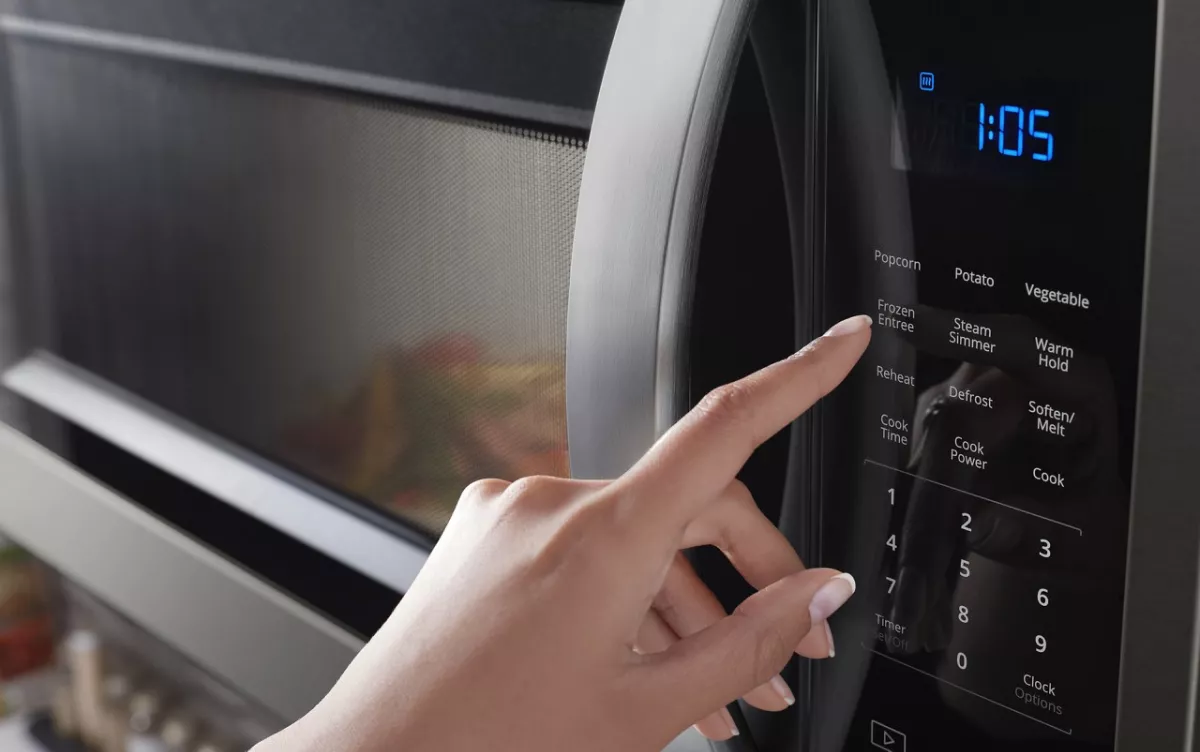
Step 3: Test Power Settings
- Confirm you’re using the correct power level.
- Avoid “defrost” or “low” settings for this test.
Step 4: Look For Error Messages
- Some microwaves have a display that shows error codes.
- Check your user manual for what these codes mean.
Step 5: Listen And Smell
- Listen for unusual buzzing or sparking sounds.
- Smell for burning, which can mean a failed diode or capacitor.
If your microwave still doesn’t heat after these steps, the problem is likely inside. For safety, do not open the microwave casing unless you are trained, as it can store dangerous high voltage.
When To Repair And When To Replace
Fixing a microwave can cost anywhere from $50 to over $200, depending on the part. Here’s a quick guide to help decide:
| Problem | Repairable? | Estimated Cost | Replace Instead? |
|---|---|---|---|
| Blown Fuse | Yes | $10–$30 | No |
| Faulty Magnetron | Maybe | $100–$200 | Yes, if old |
| Bad Diode/Capacitor | Yes | $50–$100 | Sometimes |
| Broken Door Switch | Yes | $50–$80 | No |
| Control Board Failure | Maybe | $100–$250 | Yes, if expensive |
Non-obvious insight: Older microwaves (over 7 years) may cost more to repair than to replace due to new energy standards and better designs. Also, some parts like the magnetron may have a longer warranty than the rest of the microwave. Check your paperwork before paying for repairs.
Safety Tips For Microwave Troubleshooting
Microwaves can be dangerous to fix. Here are essential safety reminders:
- Never open the microwave’s outer case unless you are qualified. High-voltage parts can shock or even kill, even if unplugged.
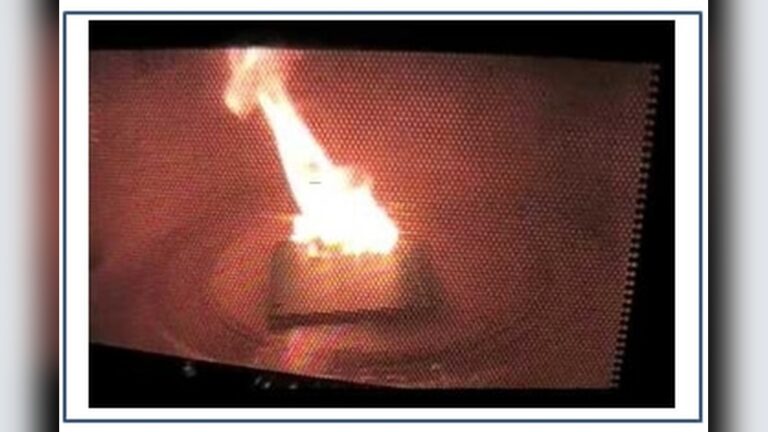
- Avoid running a microwave empty. This can damage the magnetron quickly.
- Do not bypass door switches or safety features. It can cause fire or injury.
- If you see sparks or smell burning, unplug the microwave immediately.
If you’re not sure, it’s safer and cheaper in the long run to call a professional.
How Microwave Problems Differ By Type
Not all microwaves are built the same. The chance of specific problems can depend on the type and brand you own. Here’s a comparison:
| Microwave Type | Common Issue | Average Lifespan | Repair Cost |
|---|---|---|---|
| Countertop | Door switch, fuse | 7–9 years | Low |
| Over-the-range | Control board, magnetron | 8–10 years | Medium |
| Built-in | Transformer, control panel | 9–12 years | High |
| Commercial | Magnetron, door latch | 5–7 years | High |
Another non-obvious tip: Commercial microwaves often break down sooner because they are used more frequently, not because they are lower quality.
Credit: thecuriousstones.com
Signs You May Need A New Microwave
Sometimes, the best option is to buy a new microwave. Here’s when to consider it:
- Your microwave is over 7–10 years old.
- The repair cost is more than half the price of a new unit.
- There are multiple problems at once (e.g., door plus magnetron).
- The unit smells burnt or has visible damage.
- It’s not energy-efficient or lacks useful features.
Newer microwaves often use less power and have better safety features. It’s worth comparing repair costs to the price of a basic new unit before spending money.
How To Prevent Microwave Heating Problems
You can avoid most microwave failures with good habits:
- Clean the inside regularly to prevent food buildup, which can cause sparking.
- Never run the microwave empty—always heat something with water inside.
- Close the door gently to protect the latch and switches.
- Avoid slamming the unit or using it in damp areas.
- Use only microwave-safe containers (no metal or foil).
Simple care can add years to your microwave’s life.
When To Call A Professional
If you’ve tried simple steps and the microwave still won’t heat, it’s time to get help. Call a professional if:
- You hear loud noises, buzzing, or see sparks.
- The microwave has electrical smells or smoke.
- The display flashes error codes you can’t clear.
- You suspect the magnetron, capacitor, or transformer is bad.
A trained repair person has the tools and knowledge to work safely. They can test high-voltage parts and replace them the right way. You can find certified repair services through the manufacturer or a trusted appliance repair company.
For more on microwave technology and safety, you can read this Microwave Oven Overview on Wikipedia.
Frequently Asked Questions
Why Does My Microwave Turn On But Not Heat Food?
This usually means the magnetron, high-voltage diode, or a door switch is faulty. The microwave can run lights and fans, but if these parts fail, it won’t heat. Check for error codes or unusual noises as clues.
Can I Fix A Microwave That Doesn’t Heat On My Own?
You can check simple things like power, door alignment, and fuses. But most heating problems involve high-voltage parts. These are dangerous to repair without training. For most people, it’s safer to call an expert.
Is It Worth Repairing An Old Microwave?
If the microwave is less than 5 years old and the repair is cheap (like a fuse or switch), it’s usually worth fixing. If it’s older or the repair costs over half the price of a new one, buying a new microwave is better.
What Happens If I Run My Microwave Empty?
Running a microwave empty can damage the magnetron quickly. With nothing to absorb the microwaves, they bounce back into the magnetron and can burn it out. Always heat something with water inside.
How Long Should A Microwave Last?
Most microwaves last 7 to 10 years with normal use. Commercial units and heavily used home microwaves may wear out sooner. Regular cleaning and gentle use can extend their life.
A microwave that stops heating can be annoying, but with the right steps, you can figure out what’s wrong and decide the best way forward. Use this guide to troubleshoot safely and keep your kitchen running smoothly.