Why Would a Microwave Spark? Common Causes and Quick Fixes
Microwaves are a common kitchen appliance almost everywhere. They reheat food fast, cook simple meals, and even make popcorn in minutes. But sometimes, you might notice a strange thing: sparks flying inside. This can be frightening, especially if you don’t know why it happens. Is it dangerous? Will it damage your microwave? Most importantly, how can you stop it? Many people are surprised the first time they see their microwave spark, but it’s a more common issue than you might think.
In this article, we’ll explore the real reasons why a microwave sparks. We’ll look at both simple and hidden causes, and share tips to prevent sparks in the future. By the end, you’ll feel confident about what to do if you see sparks and how to keep your microwave safe.
How Does A Microwave Work?
Before we understand why sparks happen, it helps to know how a microwave oven works. A microwave oven uses microwaves—a type of electromagnetic wave—to heat food. These waves bounce around inside the oven and cause water molecules in food to vibrate. This vibration produces heat, which cooks the food from the inside out.
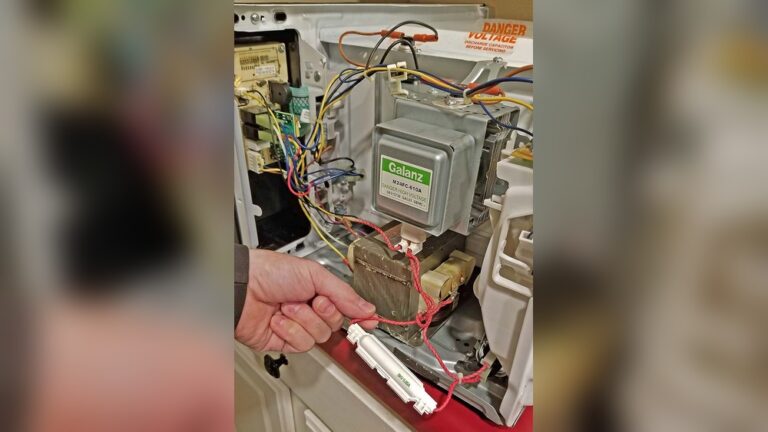
Inside the microwave, there is a metal box that keeps the microwaves inside. The turntable helps food heat evenly. The device that makes microwaves is called a magnetron. All these parts work together to cook your food quickly and efficiently.
Common Causes Of Microwave Sparking
Sparking in a microwave does not always mean the oven is broken. Most of the time, sparks happen due to something inside the microwave, not the machine itself. Here are the most common reasons:
1. Metal Objects Inside
Metal is the top cause of sparks. When you put metal objects in a microwave, like a fork, spoon, or even some travel mugs, the metal reflects the microwaves. This creates electric currents, which may jump as sparks. Even a small piece of aluminum foil can cause this.
Example:
If you accidentally heat a leftover meal that has a small piece of foil under it, you may see sparks right away. Sometimes, the small metal ring on a takeout box can also cause this.
2. Food With Metal Trim Or Wrapping
Some plates or cups have a silver or gold trim. This thin metallic line can react with microwaves, causing sparks. The same goes for some packaging, like twist ties or foil-wrapped food.
3. Dirty Or Damaged Waveguide Cover
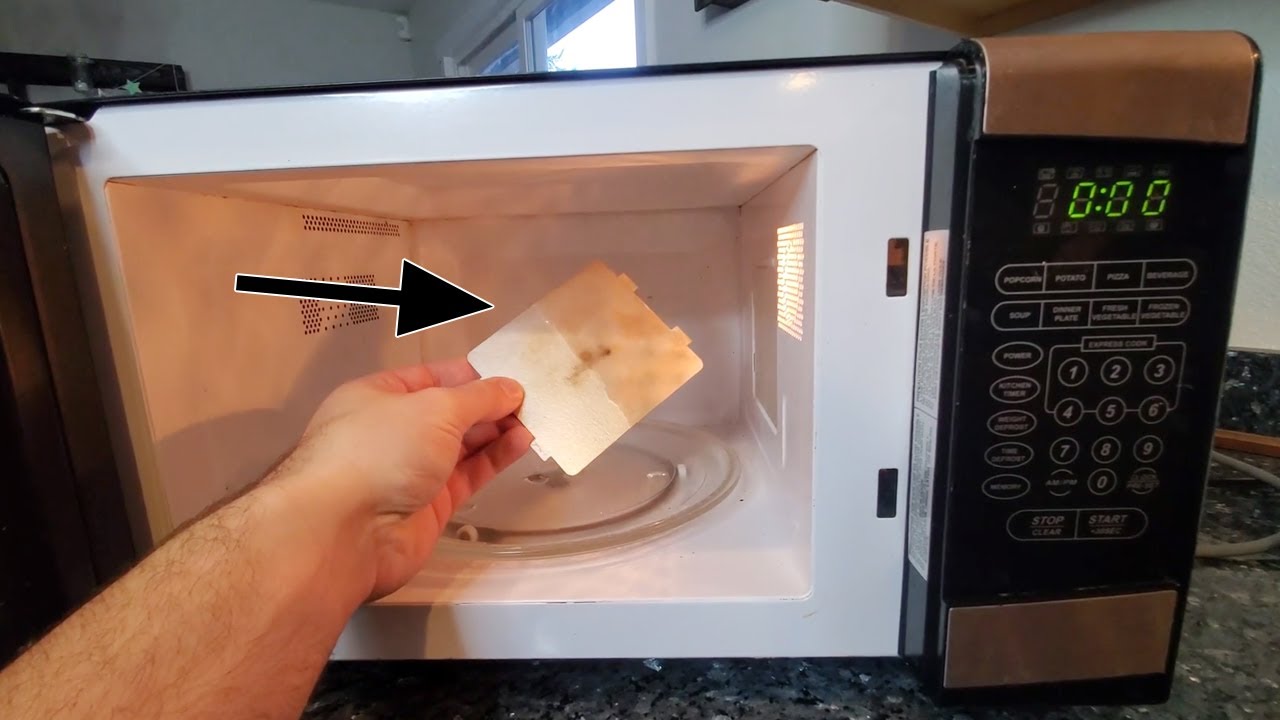
The waveguide cover is a small panel inside the microwave, usually on one side. It protects the part that sends microwaves into the cooking space. If this cover gets dirty with grease or food splatters, or if it cracks, it can cause arcing (sparks).
Non-obvious Insight:
A dirty waveguide cover is easy to overlook because it’s often hidden. Cleaning or replacing this cover can solve sparking problems that seem mysterious.
4. Faulty Or Broken Rack Supports
Some microwaves have metal rack supports. If these become loose or damaged, they can touch the walls or the rack itself. This contact may cause sparks during cooking.
5. Broken Turntable Or Roller Ring
A turntable that is off-center or a broken roller ring can create friction or cause parts to rub against the microwave’s metal base. This sometimes leads to sparks, especially if there is any metal exposed.
6. Scratched Or Damaged Interior
The inside of a microwave is coated with special paint. If this paint gets scratched or chipped, the exposed metal underneath can react with the microwaves, resulting in sparks.
Non-obvious Insight:
Even a small scratch from scrubbing too hard or dropping a utensil can start this problem. Over time, repeated cleaning with harsh pads makes it worse.
7. Overheating Certain Foods
Some foods, especially those with low moisture and high fat or sugar content, can get extremely hot and cause carbonization. For example, overcooked popcorn or bacon can burn, leaving behind carbon that sparks when microwaved again.
8. Defective Components
Less common, but sometimes the microwave itself is to blame. If the magnetron or other electrical parts are damaged, they can cause internal arcing. This is rare in new microwaves, but older ones may develop faults over time.
What To Do When Your Microwave Sparks
If you see sparks inside your microwave, stay calm. Don’t open the door right away—first, press the stop button or unplug the microwave. Wait a few seconds for any sparking to stop. Then carefully open the door and check inside.
Here’s what you should do next:
- Remove any metal objects immediately.
- Check for damaged or dirty waveguide covers.
- Look for chipped paint or exposed metal inside.
- Inspect the turntable and its supports.
If you can’t find a clear reason and the sparking continues, stop using the microwave and call a professional.
Can Microwave Sparks Cause Fires?
Sparks in a microwave can be scary, but do they mean a fire will start? Usually, short bursts of sparking do not cause a fire. However, if you ignore the problem, sparks can burn the waveguide cover or damage the interior. In rare cases, this can lead to a fire, especially if there is a lot of grease or food buildup.
Important: Never try to heat flammable materials, like paper bags or plastic containers not marked microwave-safe. These can catch fire quickly if sparks are present.
Credit: www.expressrepairny.com
Items That Commonly Cause Sparking
Let’s look at some everyday items that often cause problems in microwaves.
| Item | Why It Sparks | Safe Alternative |
|---|---|---|
| Aluminum Foil | Reflects microwaves, causes arcing | Microwave-safe lids |
| Metal Utensils | Creates electric currents | Wooden or plastic utensils |
| Takeout Containers with Metal Handles | Metal parts react with microwaves | Transfer to glass or ceramic |
| Twist Ties | Thin metal inside sparks easily | Remove before microwaving |
| Plates with Metallic Trim | Metallic paint conducts electricity | Plain glass or ceramic plates |
How To Prevent Microwave Sparking
You can avoid most sparking problems with a few simple steps:
- Never put metal in the microwave. Always check for foil, twist ties, or metal trim before heating food.
- Use microwave-safe containers. Look for labels that say “microwave safe.”
- Clean the inside often. Wipe up spills and splatters before they dry and burn.
- Inspect for damage. Check for chipped paint or cracks in the waveguide cover regularly.
- Don’t overheat food. Follow cooking times and avoid running the microwave empty.

Credit: www.youtube.com
Repair Or Replace: What Should You Do?
If your microwave keeps sparking, you may wonder if it’s time to fix or replace it. Here’s a quick guide:
| Problem | Repair or Replace? | Estimated Cost |
|---|---|---|
| Dirty waveguide cover | Clean or replace cover | $10 – $20 |
| Chipped interior paint | Touch-up with microwave-safe paint | $5 – $15 |
| Broken turntable or roller ring | Replace part | $10 – $30 |
| Damaged magnetron | Replace microwave | $70 – $400 (new unit) |
| Repeated sparking with no clear cause | Professional inspection or replace | $50 – $100 (inspection) |
For older, cheaper microwaves, replacement is often the best choice if repairs are expensive. For high-end models, a simple repair might be worth it.
Hidden Causes Most People Miss
Many people check for metal or dirty covers, but some hidden causes are easy to overlook:
- Small pieces of metal in food packaging. Sometimes, a forgotten staple or twist tie is buried in leftovers.
- New dishes with a hidden metallic coating. Some ceramics have a thin metallic glaze, not always visible.
- Old food burns. Repeatedly heating burnt popcorn or overcooked bacon leaves carbon, which can spark.
Taking a moment to inspect food and containers before microwaving can prevent most of these surprises.
Is It Safe To Use A Microwave After It Sparks?
If your microwave sparked once because of metal, and you removed the item, it’s usually safe to use again. However, if sparking continues after removing all metal and cleaning, stop using the microwave. Repeated sparking can damage the oven and increase fire risk.
Remember, if you’re unsure, it’s always better to ask a professional or consider replacing the unit.
The Science Behind Microwave Sparking
Sparking (also called arcing) happens when there’s a sudden flow of electricity through the air inside your microwave. Microwaves bounce off metal or jump between two pieces of metal, creating a visible spark. This is similar to how lightning forms during a storm, but much smaller and inside your oven.
The microwave’s energy finds the easiest path to travel. Metal objects provide this path, so electricity jumps quickly, causing the spark. That’s why even a tiny piece of foil can cause a big reaction.
Real-world Statistics: How Often Does It Happen?
While manufacturers don’t release exact numbers, consumer surveys show that 10–15% of microwave users have seen their oven spark at least once. Most cases are harmless and caused by user error, such as leaving metal in food. Fewer than 2% of cases are due to a real defect in the machine.
When To Call A Professional
You should call an expert if:
- The microwave sparks with no metal or obvious cause.
- You see burn marks or melted spots inside.
- There is a burning smell after sparking.
- The microwave makes loud, unusual noises.
Technicians can check internal parts like the magnetron, transformer, and wiring. Trying to fix these yourself is dangerous because microwaves store high-voltage electricity, even when unplugged.
How Do Microwaves Compare To Other Appliances For Safety?
Microwaves are generally safe, but let’s compare them to other common kitchen appliances:
| Appliance | Common Hazards | Frequency of Fire Incidents* |
|---|---|---|
| Microwave | Sparking, fires from flammable items | ~5,000/year (USA) |
| Toaster Oven | Electrical fires, overheating | ~3,000/year |
| Stovetop | Burns, grease fires | ~30,000/year |
*Source: U.S. Fire Administration
As you can see, while microwaves can spark, they are less likely to cause fires than stoves.
Frequently Asked Questions
What Should I Do Immediately If My Microwave Sparks?
Stop the microwave right away by pressing the stop button or unplugging it. Let it cool for a few seconds, then check for metal objects or food spills. Remove any metal and clean the inside before using it again.
Is It Dangerous If My Microwave Sparks Once?
A single spark is usually not dangerous if caused by a metal item or dirty cover. However, if sparking continues, it can damage your microwave and increase fire risk. Always check and fix the cause before using it again.
Can I Use Microwave-safe Plastic In The Microwave?
Yes, but make sure the plastic is labeled “microwave safe. ” Some plastics can melt or release chemicals when heated. Never use plastic containers not marked for microwave use.
Why Does My Microwave Spark With No Metal Inside?
This could be due to a dirty or damaged waveguide cover, chipped interior paint, or a faulty internal part. Clean the inside and check for damage. If the problem continues, call a professional.
Where Can I Learn More About Microwave Safety?
You can find more information from the Consumer Reports website, which offers detailed tips and safety advice.
Microwave sparking is common, but it should not be ignored. With the knowledge you now have, you can keep your appliance safe, your food delicious, and your kitchen worry-free. Always use the right containers, check for damage, and never hesitate to seek help if the problem continues.