Why Microwave Sparks: Causes, Dangers, and Quick Fixes
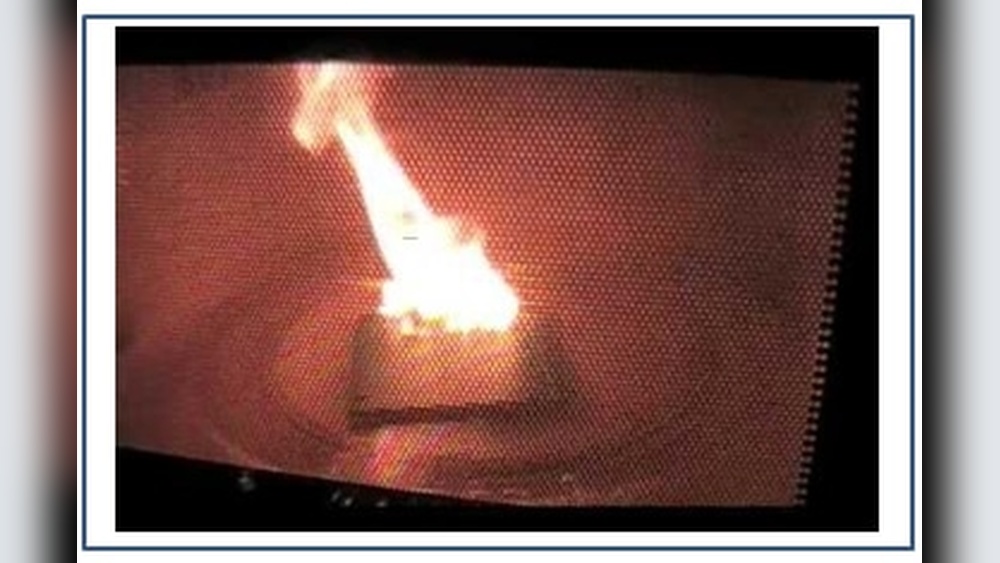
Most people rely on microwaves every day, but seeing sparks inside can be confusing or scary. You might wonder, is it dangerous? Did I break something? Or is it just normal? Understanding why microwave sparks happen can help you use your appliance more safely and confidently. This article explains what causes sparks, how to prevent them, and what to do if you see them. You’ll also learn about common myths, get practical advice, and see real examples of what happens inside your microwave.
What Causes Microwave Sparks?
Microwave sparks, also called arcing, are usually a sign something inside is reacting to the energy in an unusual way. A spark is an electrical discharge—like a tiny lightning bolt. Let’s explore the main reasons sparks happen.
Metal Objects
The most common cause is metal. Microwaves use electromagnetic waves to heat food. These waves bounce around inside and get absorbed by water, fat, and sugars. But if you put metal in, it reflects the waves instead. If the metal is thin or has sharp edges, the energy can collect at these points and create a spark.
Examples:
- Forks, spoons, or knives left in food
- Aluminum foil touching the wall
- Metal trim on plates or mugs
Not all metals cause sparks. For instance, a metal turntable inside some microwaves is safe because it’s designed for that purpose.
Damaged Microwave Parts
Sometimes the microwave interior gets damaged. If the walls, turntable, or door are scratched or chipped, the protective coating may be missing. The exposed metal underneath can cause sparks.
Common damage includes:
- Deep scratches from cleaning with abrasive pads
- Chips from dropping heavy dishes
- Broken turntable wheels
Food With Hidden Metal
Some foods contain hidden metal. For example, twist ties or metal clips on food packaging can cause sparks. Even some cups have a thin gold or silver rim that reacts.
Examples:
- Paper plates with metallic decorations
- Takeout containers with a metal handle
- Microwave popcorn bags with metal strips
Overheated Foods
When some foods get too hot, they can produce carbonized spots. Burnt food can sometimes act like metal, creating a path for electricity and causing sparks.
Typical foods:
- Overcooked potato chips
- Burnt sugar
- Charred bits of bread
Electrical Or Mechanical Issues
Rarely, the microwave itself may have a problem. For example:
- Faulty magnetron: This is the part that makes microwaves. If it’s damaged, it can send energy to the wrong places.
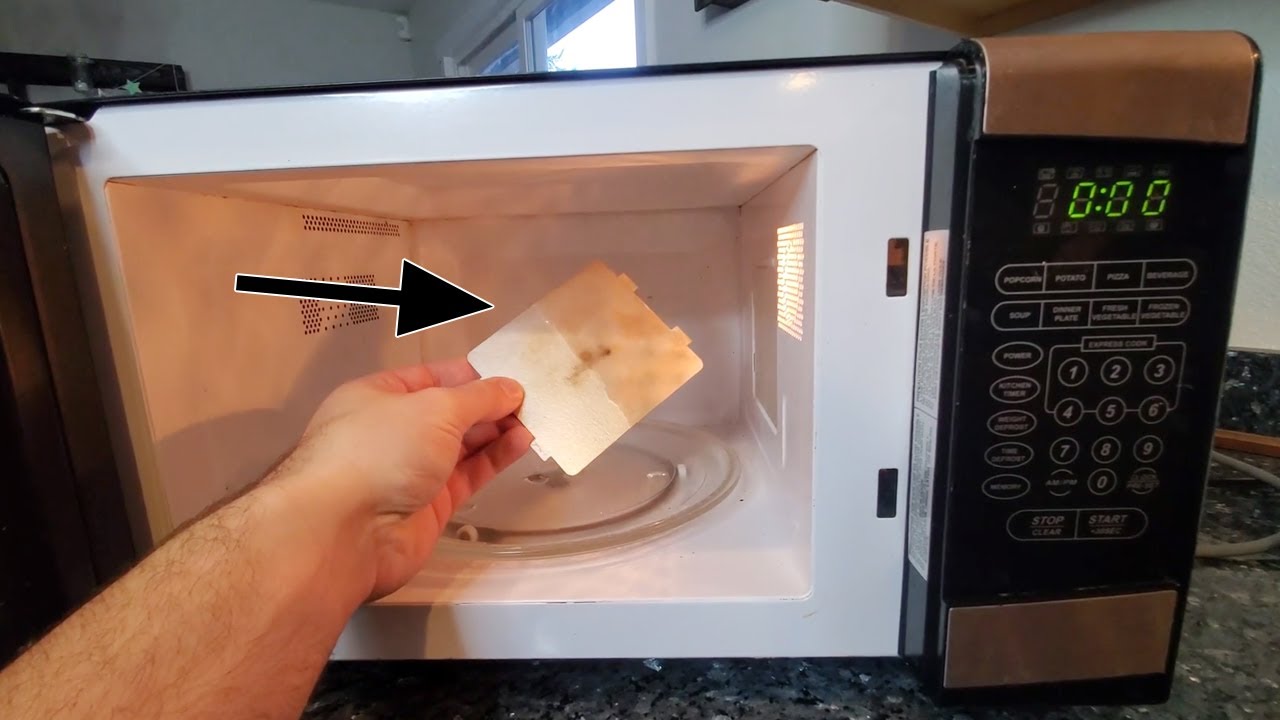
- Broken waveguide cover: This plastic or mica sheet directs the waves. If it’s dirty, wet, or damaged, sparks can appear.
How Microwaves Work (and Why Sparks Occur)
Understanding the basics of microwave technology helps explain why sparks happen. A microwave oven uses a magnetron to produce electromagnetic waves at about 2450 MHz. These waves bounce inside and heat food by vibrating water molecules.
If the waves hit something they can’t absorb, like metal, they reflect. If metal is thin or has sharp edges, the energy concentrates, sometimes enough to cause a spark.
Here’s a simple comparison of how different materials react in a microwave:
| Material | Microwave Reaction | Safe to Use? |
|---|---|---|
| Glass | Absorbs heat, no sparks | Yes |
| Plastic | Absorbs heat, may melt if not microwave-safe | Yes (if labeled microwave-safe) |
| Ceramic | Absorbs heat, no sparks | Yes |
| Metal | Reflects waves, may spark | No (except designed parts) |
| Burnt food | May spark due to carbon spots | No |
Examples Of Microwave Sparks
Let’s look at real-life situations. Seeing sparks can be surprising, but the reasons are often simple.
- Forgotten Spoon: You heat soup and leave the spoon inside. Sparks may fly from the spoon to the wall.
- Foil Accident: Wrapping leftovers in aluminum foil, then microwaving them, can cause quick, loud sparks.
- Decorated Mug: A mug with a gold rim may spark where the decoration touches the microwave wall.
- Twist Tie in Bread Bag: Heating bread with a twist tie creates sparks as the metal reacts.
- Burnt Popcorn: If popcorn burns, the black carbon spots can spark, especially if the bag touches the wall.
Each case shows how both obvious and hidden metal can cause sparks. Even experienced users sometimes miss tiny metal parts.
Is It Dangerous When Microwaves Spark?
Seeing sparks is not always dangerous, but it’s important to know when to worry.
- Minor sparks: If you see a quick spark and remove the metal, the microwave is usually fine.
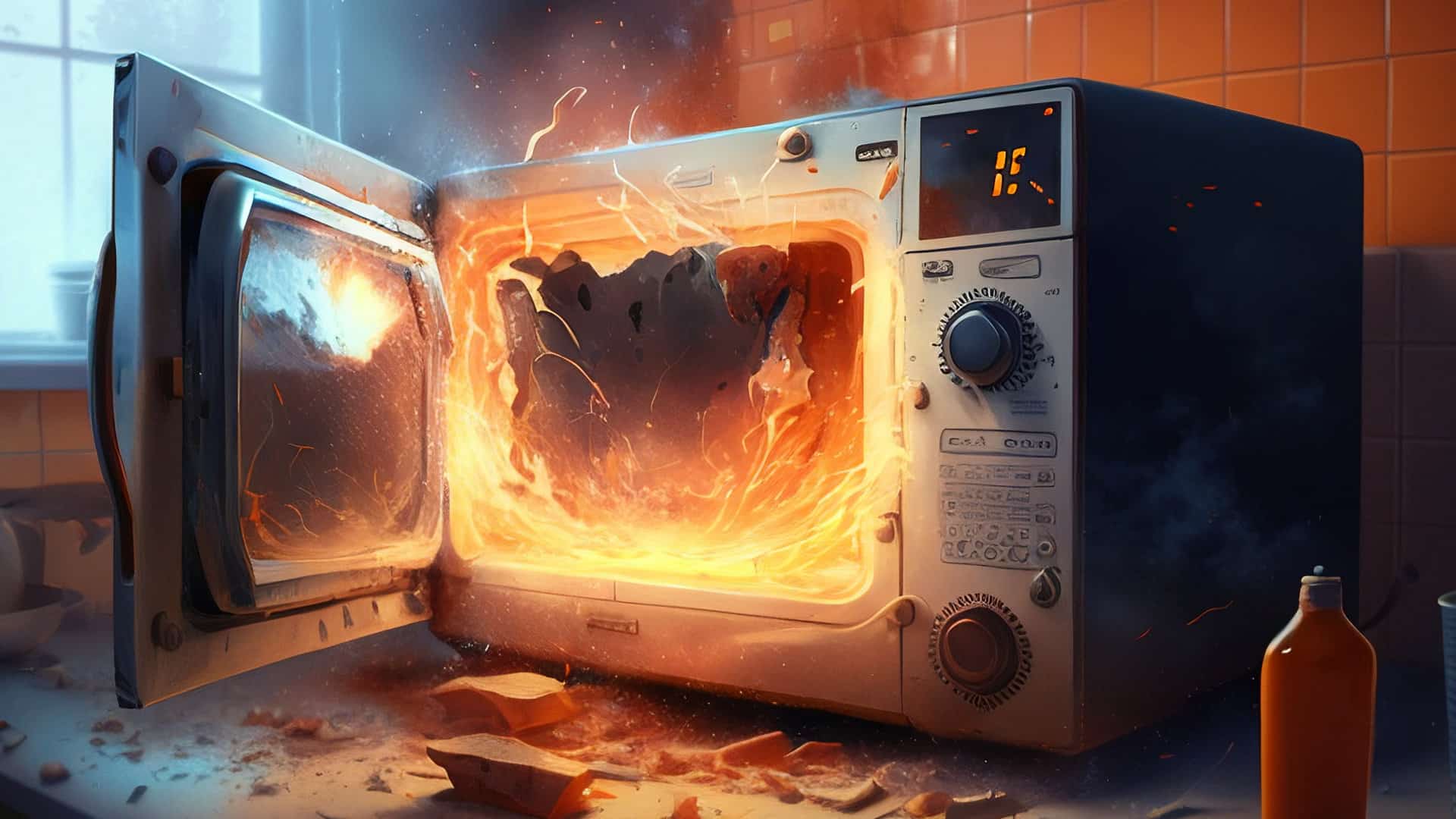
- Repeated sparks: If sparks continue, or the microwave smells burnt, stop using it. Persistent sparking can damage the magnetron or cause fire.
- Internal damage: Sparks from damaged parts can get worse. If you see sparks from the wall or turntable, get the microwave checked.
Most accidents happen from ignoring sparks or continuing to use the microwave with metal inside.
Credit: d3appliance.com
Preventing Microwave Sparks
Simple habits can prevent most sparks. Here are practical tips:
- Check for metal: Always look for metal in food, packaging, and dishes.
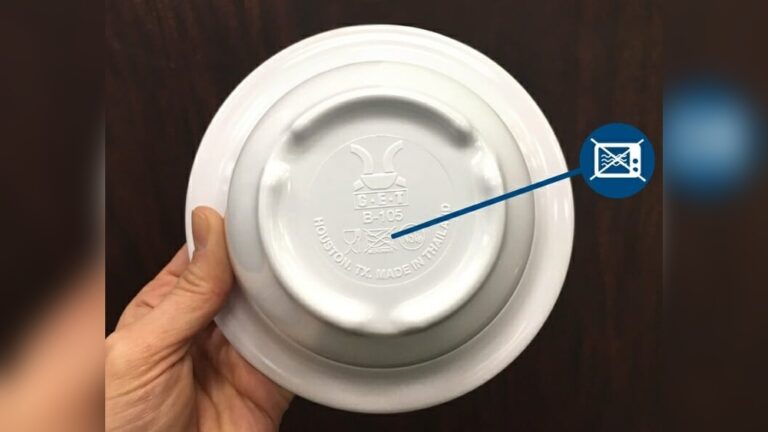
- Use microwave-safe containers: Avoid plates, cups, or bowls with metallic decorations.
- Clean gently: Don’t scrub the interior with rough pads. Use soft cloths to avoid scratches.
- Inspect regularly: Look for chips, cracks, or burnt spots inside.
- Don’t overcook: Watch food to prevent burning, especially popcorn or bread.
- Check waveguide cover: If the cover inside looks dirty or damaged, clean it gently or replace it.
Here’s a quick comparison of safe and unsafe items for microwaving:
| Item | Safe in Microwave? | Reason |
|---|---|---|
| Plain glass bowl | Yes | No metal, absorbs heat |
| Plastic container (microwave-safe) | Yes | Designed for microwaves |
| Aluminum foil | No | Reflects waves, causes sparks |
| Plate with gold trim | No | Metal decoration can spark |
| Paper plate | Yes | No metal |
| Twist tie | No | Hidden metal sparks |
What To Do If You See Sparks
If you see sparks, act quickly but calmly:
- Stop the microwave: Press the stop or cancel button. Never open the door while it’s running.
- Wait a few seconds: Let the sparks stop completely before opening the door.
- Check for metal: Look for spoons, foil, or metallic decoration in your food or container.
- Inspect the microwave: Make sure there is no visible damage or burnt spots inside.
- Try again with safe items: If the microwave looks fine, test with a microwave-safe bowl of water.
If sparks continue, unplug the microwave and contact a professional.
Credit: www.expressrepairny.com
Common Myths About Microwave Sparks
Many people believe things about microwaves that aren’t true. Here are some common myths:
- “All metals cause sparks”: Not every metal will spark. Some designed parts are safe, but thin or sharp metal is risky.
- “Sparks mean the microwave is broken”: Sometimes it’s just a forgotten fork. Remove it and the microwave is fine.
- “You can microwave foil if you shape it flat”: Even flat foil can reflect waves and cause problems.
- “Plastic is always safe”: Only containers labeled microwave-safe are truly safe. Others may melt and release chemicals.
Knowing the truth helps you use your microwave with confidence.
Why Do Some Foods Spark?
Some foods naturally contain minerals that react with microwaves. For example, grapes can spark because they contain potassium and sodium. If you microwave two grapes side-by-side, they may produce a plasma arc—a small spark between them.
Another example is hot dogs. Their salty surface can sometimes spark, especially if they touch the microwave wall.
Non-obvious insight: Even foods without metal can spark if they contain enough minerals or are cut in a certain way.
When Should You Replace Your Microwave?
Sparks caused by metal can be fixed by removing the object. But sparks from damaged parts may mean your microwave needs repair or replacement.
Look for these signs:
- Repeated sparking: No matter what you put inside, sparks continue.
- Cracked interior: Chips or cracks inside expose metal, leading to sparks.
- Broken waveguide cover: If this piece is damaged, microwaves may escape and cause sparks.
Microwaves last about 7-10 years. If yours is older and sparking often, consider replacing it.
Professional Guidance And Safety
If you’re unsure, ask a technician. Many appliance repair services offer free advice. You can also read safety tips from government agencies or trusted sources like Consumer Reports.
Non-obvious insight: Repairs can be risky. Microwaves store high voltage even when unplugged. Let experts handle internal repairs.

Credit: www.reddit.com
Frequently Asked Questions
Why Does My Microwave Spark When I Use Aluminum Foil?
Aluminum foil reflects microwaves. If it touches the wall or is crumpled, energy concentrates at sharp points and causes sparks. Always avoid using foil in the microwave.
Is It Safe To Use The Microwave After It Sparks?
If the spark was from a metal object, remove it and check for damage. If the microwave looks fine and doesn’t spark again, it’s safe. If sparks continue, stop using it and call a technician.
Can I Microwave Food In Containers With Metal Handles?
No. Metal handles or decorations can cause sparks and damage your microwave. Use containers labeled microwave-safe, without any metal parts.
Why Do Some Foods, Like Grapes, Spark In The Microwave?
Grapes contain minerals and water. When microwaved, they can create a plasma arc—sparks between the fruit. Avoid microwaving foods that may spark unless you know they are safe.
How Can I Tell If My Microwave Needs Repair Or Replacement?
Check for repeated sparks, cracks, chips, or a damaged waveguide cover. If these problems exist, or if sparks happen with safe items, your microwave may need repair or replacement.
Microwave sparks may seem scary, but most causes are simple and easy to fix. Knowing why they happen, how to prevent them, and when to seek help keeps you safe and your microwave working well. Always check for metal, use microwave-safe containers, and never ignore repeated sparks.