Why is My Microwave Smoking? Top Causes and Quick Fixes
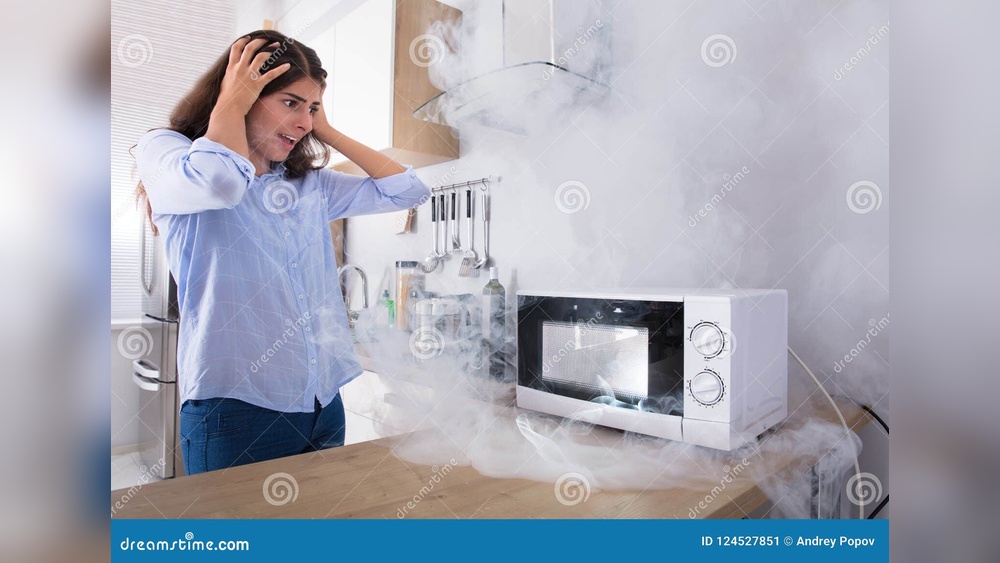
Most people use a microwave every day without a second thought. So, when you see smoke coming from your microwave, it can be both surprising and worrying. Is it a small mistake or a serious fire risk? Understanding why your microwave is smoking is important for your safety and for keeping your appliance working well. This article will explain all the common and less-known reasons your microwave might smoke, how to troubleshoot the problem, and what you should do next.
What Causes A Microwave To Smoke?
Microwaves are designed to heat food quickly and safely. But sometimes, things can go wrong inside. Here are the main reasons your microwave might start smoking:
1. Food Overheating Or Burning
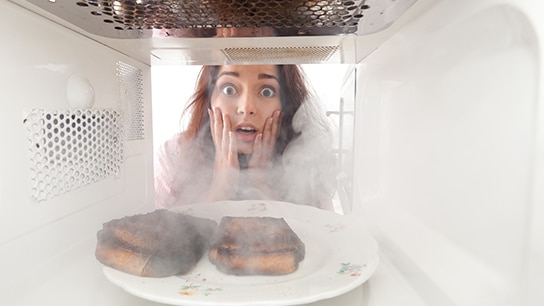
Food is the most common reason for smoke in a microwave. If you heat food for too long or use the wrong settings, it can get too hot and burn. Burnt food releases smoke and sometimes even a bad smell.
Popcorn, pizza, and leftovers with sauces are often the culprits because they can heat unevenly.
2. Cooking Metal Objects By Mistake
Microwaves and metal don’t mix. If you accidentally put aluminum foil, a metal spoon, or even a twist-tie inside, sparks can fly. These sparks can burn food, damage the inside, and create smoke. Even small bits of metal on plates or cups can cause problems.
3. Dirty Interior Or Old Food Splatter
Microwaves can get dirty fast, especially if you heat food without a cover. Old food bits stuck to the walls or ceiling can burn each time you use your microwave. Over time, the burnt food builds up and eventually produces smoke or even flames.
4. Faulty Microwave Parts
Sometimes the problem is inside the microwave itself. Key parts like the magnetron (which creates the microwaves), high-voltage capacitor, or wiring can fail. If these parts overheat or short-circuit, they can give off smoke or a burning smell. This usually means you need a repair or replacement.
5. Using The Wrong Containers
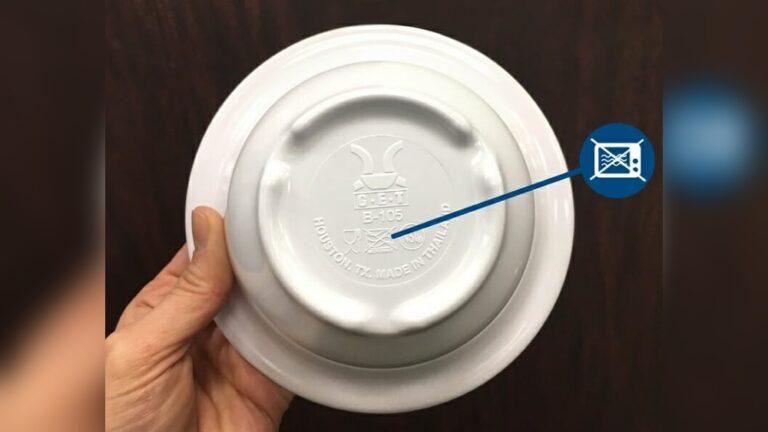
Not all plastic or paper containers are microwave-safe. Some plastics melt or give off smoke when heated. Cheap containers or fast-food wrappers can also catch fire. Always check for a microwave-safe label before using any container.
6. Electrical Problems
If your home’s wiring is old or the microwave is plugged into an overloaded extension cord, electrical smoke can be the result. This is more serious than food burning and needs attention right away.
7. New Microwave “burn-in”
A brand-new microwave can sometimes give off a small amount of smoke or a smell the first time you use it. This is usually from protective coatings or leftover manufacturing oils burning off. It should disappear quickly and not return.
8. Overcooking Low-moisture Foods
Microwaves heat food by moving water molecules. If you try to heat something very dry—like bread, chips, or crackers—it can burn easily and produce smoke. Even a few extra seconds can make a big difference.
9. Grease Or Oil Build-up
If you often heat oily foods (like bacon or fried chicken), grease can collect on the walls or under the turntable. Grease burns at high temperatures and can create thick smoke.
10. Damaged Waveguide Cover
The waveguide cover is a small plastic or mica plate inside your microwave. It protects the magnetron from food and grease. If it gets burned, cracked, or dirty, it can smoke during use. Most people don’t notice this part until it’s already damaged.
How To Troubleshoot A Smoking Microwave
When you see smoke, it’s important to act quickly but calmly. Here’s how to figure out the problem and stay safe.
- Stop the Microwave Immediately: Press the stop or cancel button. Don’t open the door right away if you see flames or heavy smoke.
- Wait and Observe: Look through the window. If there’s no fire, open the door carefully after a few seconds.
- Unplug the Microwave: If you smell burning plastic or see electrical smoke, unplug it from the wall.
- Check for Obvious Causes: Look for burnt food, melted containers, or metal objects inside.
- Inspect the Interior: After the microwave cools, check for signs of damage, especially around the waveguide cover and inside walls.
- Test Without Food: After cleaning, try running the microwave empty for 30 seconds. If you see smoke again, the problem is likely inside the appliance.
Common Signs To Watch For
Not all smoke means the same thing. Here are some signs and what they might mean:
- White smoke: Usually from burning food or steam.
- Gray or black smoke: More serious. Often from burnt plastic, electrical faults, or grease fires.
- Sparking or popping sounds: Likely a metal object or a broken part.
- Burning smell without smoke: Could be wiring or a failing magnetron.
If you see sparks, flames, or thick black smoke, don’t use the microwave again until it’s checked by a professional.
When Is Smoking Normal?
A small amount of smoke is sometimes expected—like the first time you use a new microwave, or if you burn a piece of toast. But regular or heavy smoke is not normal. If you notice smoke more than once, it means something is wrong.
Credit: www.electrolux.co.id
Is A Smoking Microwave Dangerous?
Yes, a microwave that smokes is always a potential fire risk. Even if the smoke stops, you should not ignore it. Here’s why:
- Electrical fires can spread quickly, especially if the wiring is faulty.
- Burning plastics can release toxic fumes.
- Repeated burning can damage the microwave’s inside and make it unsafe to use.
Never leave a microwave unattended while it’s running, especially if you’ve had smoke before.
How To Prevent A Microwave From Smoking
Prevention is easier than repair. Here are some proven tips to keep your microwave safe:
- Use Microwave-Safe Containers: Only use glass, ceramic, or plastic containers labeled as microwave-safe.
- Cover Your Food: Use a microwave lid or paper towel to stop splatters.
- Clean Regularly: Wipe the inside after each use, especially the ceiling and turntable.
- Avoid Metal: Double-check for foil, twist-ties, or metal decorations on plates.
- Don’t Overheat Food: Follow recommended cooking times. Start with less time and add more if needed.
- Check for Damage: Look at the waveguide cover, door seal, and inside walls every month.
- Don’t Heat Dry Food Too Long: Add a little water to bread or similar foods before heating.
- Don’t Run Empty: Never operate the microwave with nothing inside; it can damage the magnetron.
- Don’t Ignore Strange Noises: Popping, buzzing, or humming can mean a part is failing.
- Replace Faulty Parts: If you see cracks or burn marks, get them fixed quickly.
What To Do If Your Microwave Is Smoking
If you find your microwave smoking, follow these steps to protect yourself and your home:
- Stop and Unplug: Always stop the microwave first, then unplug it.
- Ventilate the Kitchen: Open windows and turn on fans to clear the smoke.
- Remove Burnt Items Carefully: Wait for the microwave to cool before cleaning or removing burnt food.
- Check for Damage: Look for melted plastic, black marks, or a damaged waveguide cover.
- Contact a Professional: If you suspect electrical or internal problems, call a repair technician.
- Do Not Use Until Fixed: Even if it seems to work, don’t use a microwave that has smoked until you know it’s safe.
Repair Or Replace? Making The Right Choice
Not all microwave problems mean you need a new one. But sometimes, replacement is safer or more cost-effective.
| Problem | Repairable? | Recommended Action |
|---|---|---|
| Burnt food or splatter | Yes | Clean thoroughly and try again |
| Melted container | Sometimes | Clean, but inspect for damage |
| Damaged waveguide cover | Yes | Replace cover |
| Electrical smoke or sparks | No/Maybe | Call a professional; consider replacement |
| Frequent smoke with no food | No | Replace microwave |
A good rule: if the repair costs more than half the price of a new microwave, it’s usually better to buy a new one.
Microwave Smoking: Real-life Examples
To understand how common this issue is, here are some real stories:
- Popcorn Fire: Many users report burnt popcorn as the top reason for smoke. Popcorn bags can get stuck, burn, and fill the kitchen with smoke in less than three minutes.
- Hidden Metal: Someone heated a mug with a gold rim. The thin metal caused sparks, burning the mug and causing smoke.
- Plastic Container Melt: A cheap plastic bowl melted in the microwave, causing thick white smoke and a terrible smell.
- Damaged Waveguide: A family used their microwave for years without cleaning. Old grease burned the waveguide cover, making it smoke every time.
Comparing Microwave Smoke Scenarios
You can better understand your situation by comparing different smoke problems:
| Cause | Type of Smoke | Danger Level | Action Needed |
|---|---|---|---|
| Burnt food | White/Gray | Low | Clean & check settings |
| Metal object | Sparks, sometimes smoke | High | Remove metal, inspect interior |
| Melted plastic | White, strong smell | Medium | Ventilate, clean, check for damage |
| Electrical/wiring issue | Black, burning smell | Very High | Stop use, call technician |
| Waveguide cover | Gray, sometimes arcing | Medium | Replace cover |

Credit: tsvcleaning.co.uk
Hidden Insights Most People Miss
Many people focus only on the food, but two common mistakes can make smoke more likely:
- Ignoring the Waveguide Cover: Few owners even know this part exists. But a dirty or broken waveguide is a leading cause of repeated smoke and even fire.
- Using the Wrong Power Setting: Most people use the “high” setting for everything, which can burn certain foods. Learning to use medium or low power helps prevent overheating and smoke.
When To Call A Professional
If you have tried cleaning and removing burnt food, but your microwave still smokes, it’s time for an expert. Also, if you see sparks, smell burning plastic, or notice melted parts, stop using the microwave. Repairing electrical parts or replacing the magnetron is not a DIY job.
For more on microwave safety and common problems, check out this detailed guide from the Consumer Reports.

Credit: onceuponatimeinthe70s.com
Frequently Asked Questions
Why Does My Microwave Smoke Only When I Cook Certain Foods?
Some foods, like popcorn or bacon, contain more fat or heat unevenly. These foods can burn easily and cause smoke, especially if cooked too long or on high power.
Is It Safe To Use A Microwave After It Has Smoked?
No, not until you know the cause. If the smoke was from burnt food, clean the microwave and check for damage. If it was from a part, do not use it until a technician checks it.
What Should I Do If My Microwave Catches Fire?
Keep the door closed to smother flames. Turn off the microwave and unplug it if safe. Do not open the door until the fire goes out. If the fire is large, call emergency services.
Can A Dirty Microwave Cause Smoke?
Yes. Old food, grease, and spills can burn and create smoke. Regular cleaning is important to prevent this.
How Long Does A Microwave Usually Last?
Most microwaves last about 7–10 years with good care. Frequent smoking or electrical problems may mean it’s time for a replacement.
A smoking microwave can be scary, but it’s often a sign of a problem you can fix with care and attention. If you keep your microwave clean, use the right containers, and act quickly if you see smoke, you can keep your kitchen safe and your appliance working well for years.